


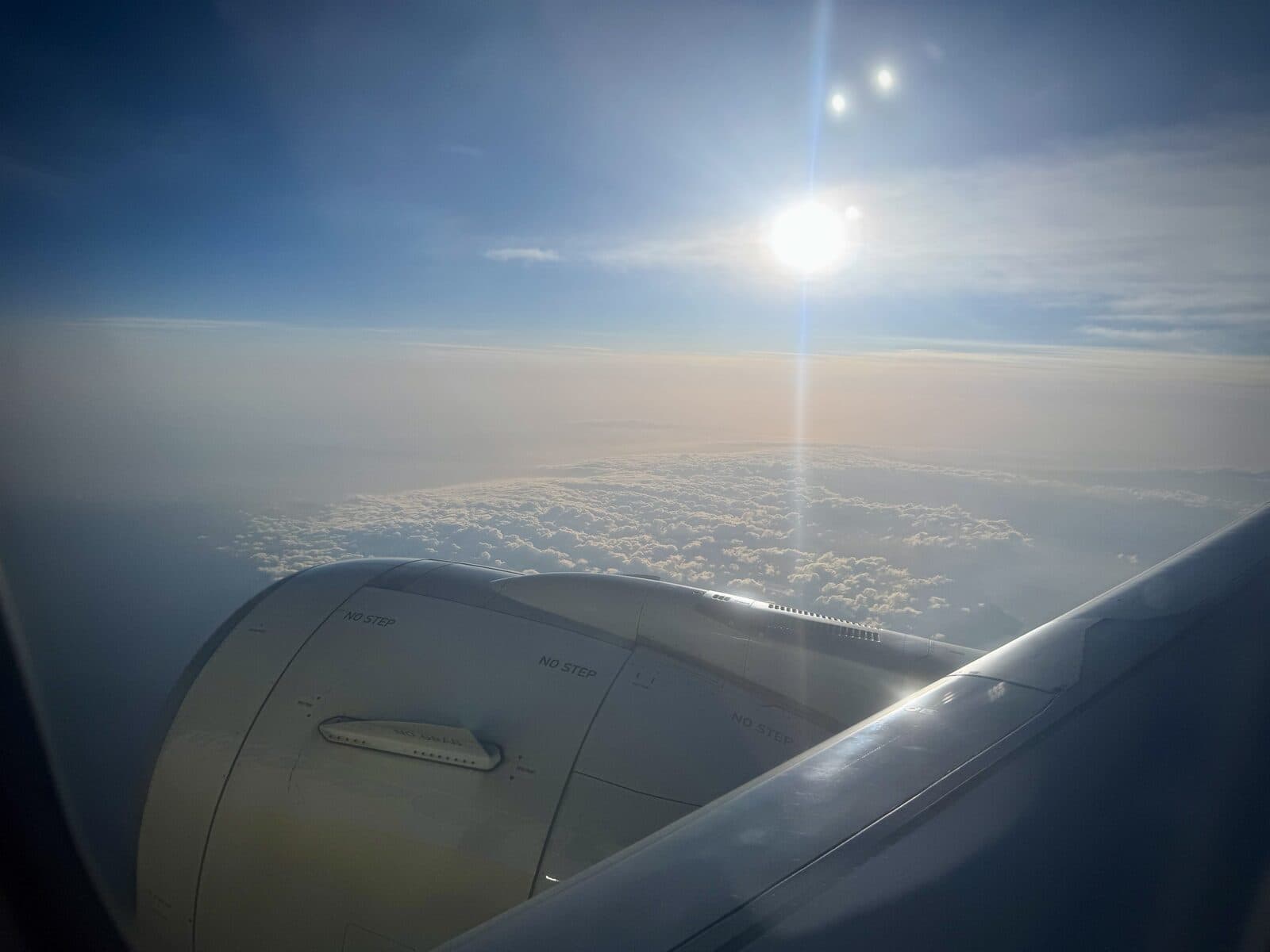
Hello, and welcome. Over the next eight posts — Day 1 through Day 8 of our Site Visit Diary — our team will share what we saw and felt on a recent site visit to short-term language schools in the Philippines.
Brochures and websites can only carry so much. We wanted to capture the things that usually get left out: the journey to the airport, the air on arrival, the feel of each school and dormitory, the warmth of the local staff, and an honest answer to the question "what is a first trip to study in the Philippines actually like?"
Day 1 is our departure day, travelling from Sapporo in Hokkaido down to the Philippines.
Starting at Asabu Bus Terminal, heading for New Chitose Airport
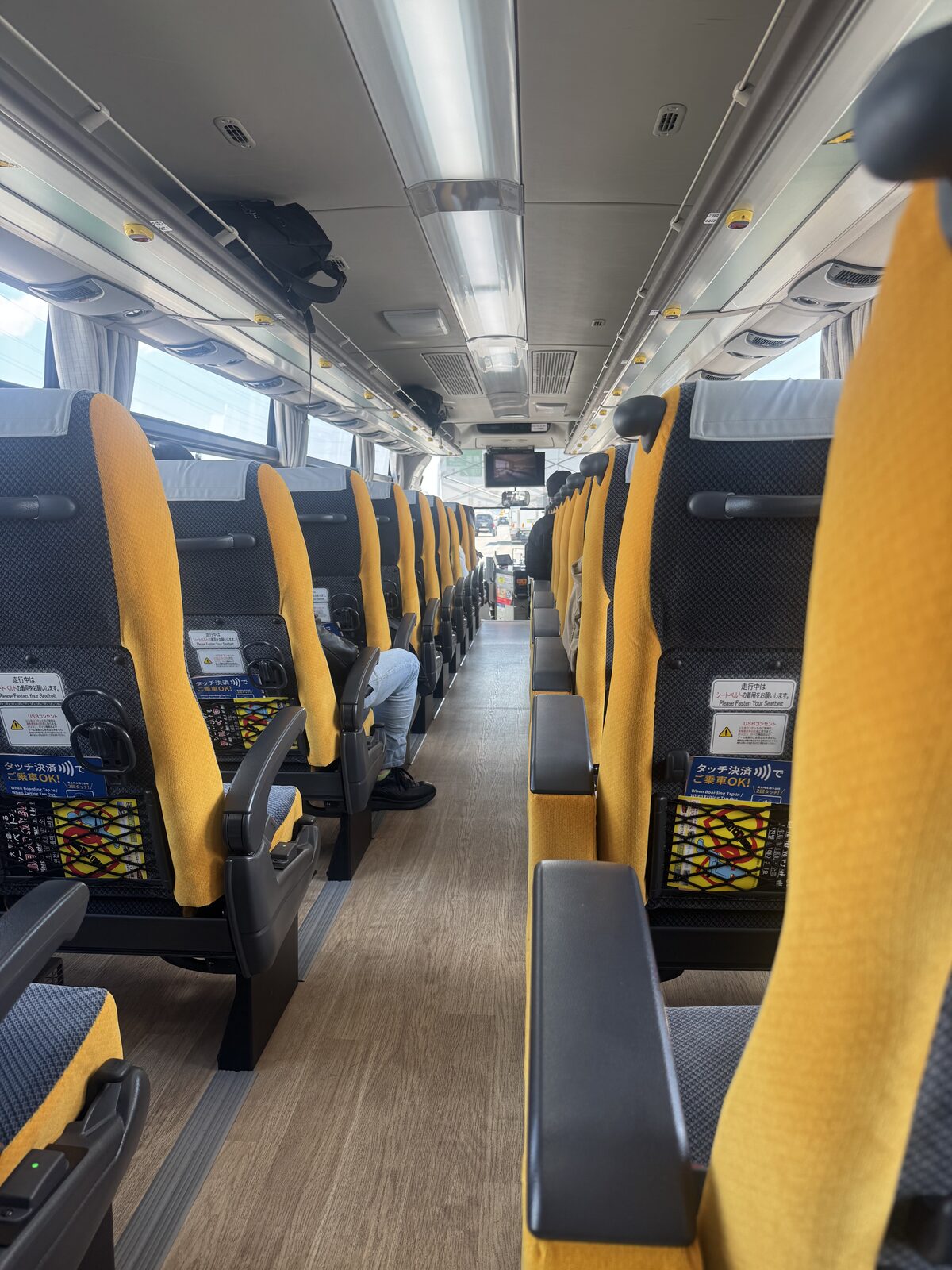
Our trip began at Asabu Bus Terminal in Sapporo's Kita Ward.
The express bus from Asabu to the domestic terminal at New Chitose Airport takes about fifty minutes. No transfers, a seat the whole way, and no struggling with heavy luggage — a genuine relief before a long flight.
For anyone setting off from somewhere in Hokkaido, how you get to the airport matters more than you might expect. It matters even more for first-time travellers, children on short stays, or families travelling together: the simpler and lighter the journey to the gate, the easier it is to relax into the trip ahead.
That is the whole idea behind our Hokkaido-based study-abroad programme — a study-abroad plan you can step into from your everyday life in Hokkaido. Going overseas can feel like a distant world, but in practice it is just a journey that starts on a familiar Sapporo street and moves outward one step at a time.
The domestic terminal was packed; international was quiet
When we reached New Chitose, the domestic terminal was overflowing — tourists, families, the whole building humming with energy.
The international terminal felt different. Compared with the buzz next door, it was calm, almost hushed.
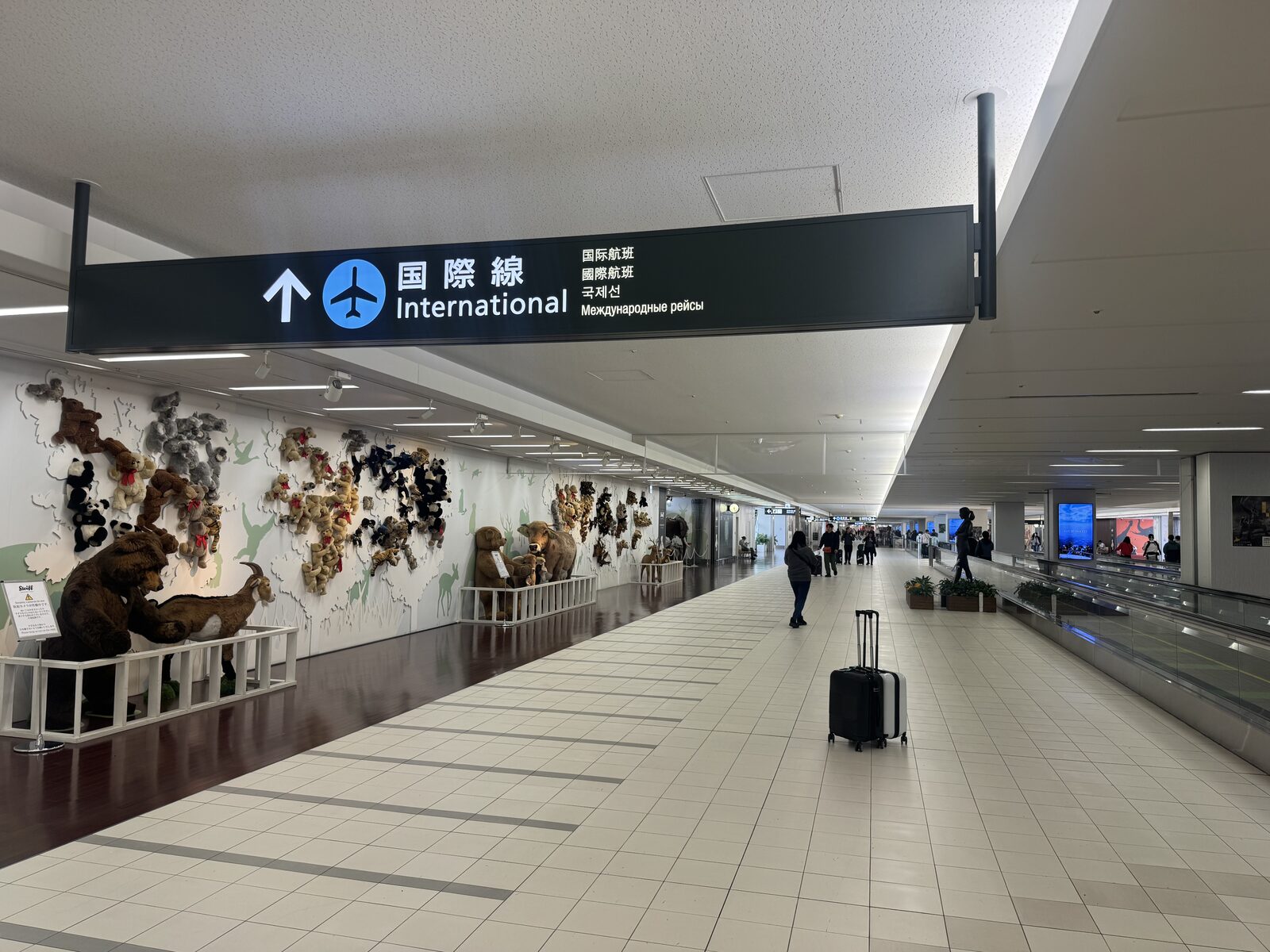
In a strange way, that quiet made it real. This is it — we're actually going abroad. You could feel ordinary Hokkaido life slipping gently into something else.
Checking in with Cebu Pacific — not many Japanese travellers in line
For this trip we flew with Cebu Pacific, a Philippine carrier.
A queue had already formed at the check-in counter, but looking around, there were very few other Japanese travellers in line.
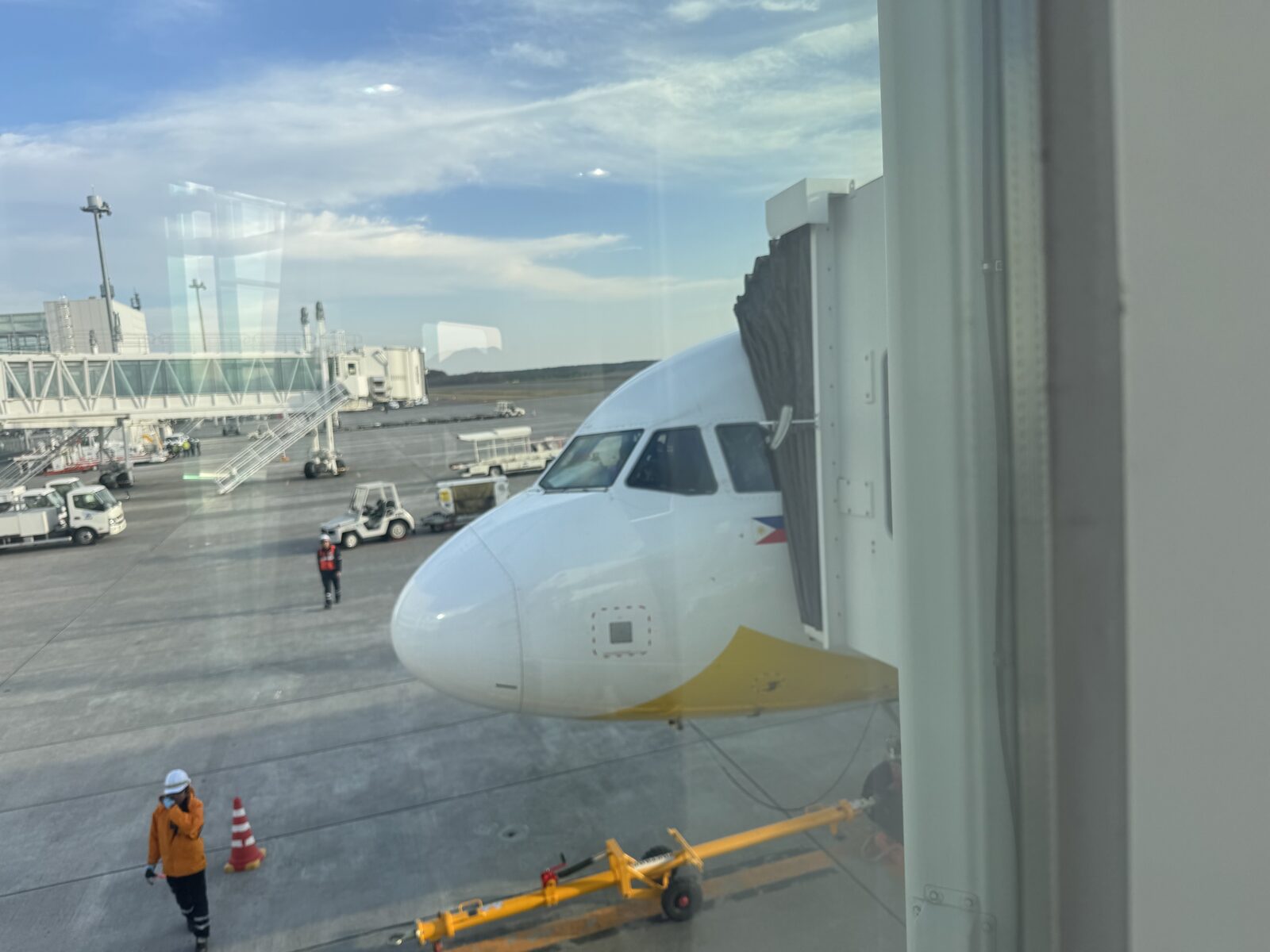
It was our first time using this airline, so there was a small flutter of nerves. But that is precisely the point of a site visit.
By going through the experience ourselves, we can check the things that matter: is check-in easy to follow, would a first-time traveller get lost, what should we brief our students about beforehand?
When we design a study-abroad plan, classes and accommodation are only part of the picture. Understanding the whole journey — from departure gate to arrival hall — is just as important.
Boarding our first Cebu Pacific flight
Boarding time.
It was our first Cebu Pacific flight and there was a bit of pre-boarding tension, but once we stepped inside the cabin it was calmer than expected.
The plane was fairly empty that day, with spare seats around the cabin. We could spread out a little, which made the five-hour flight much more comfortable than we had imagined.
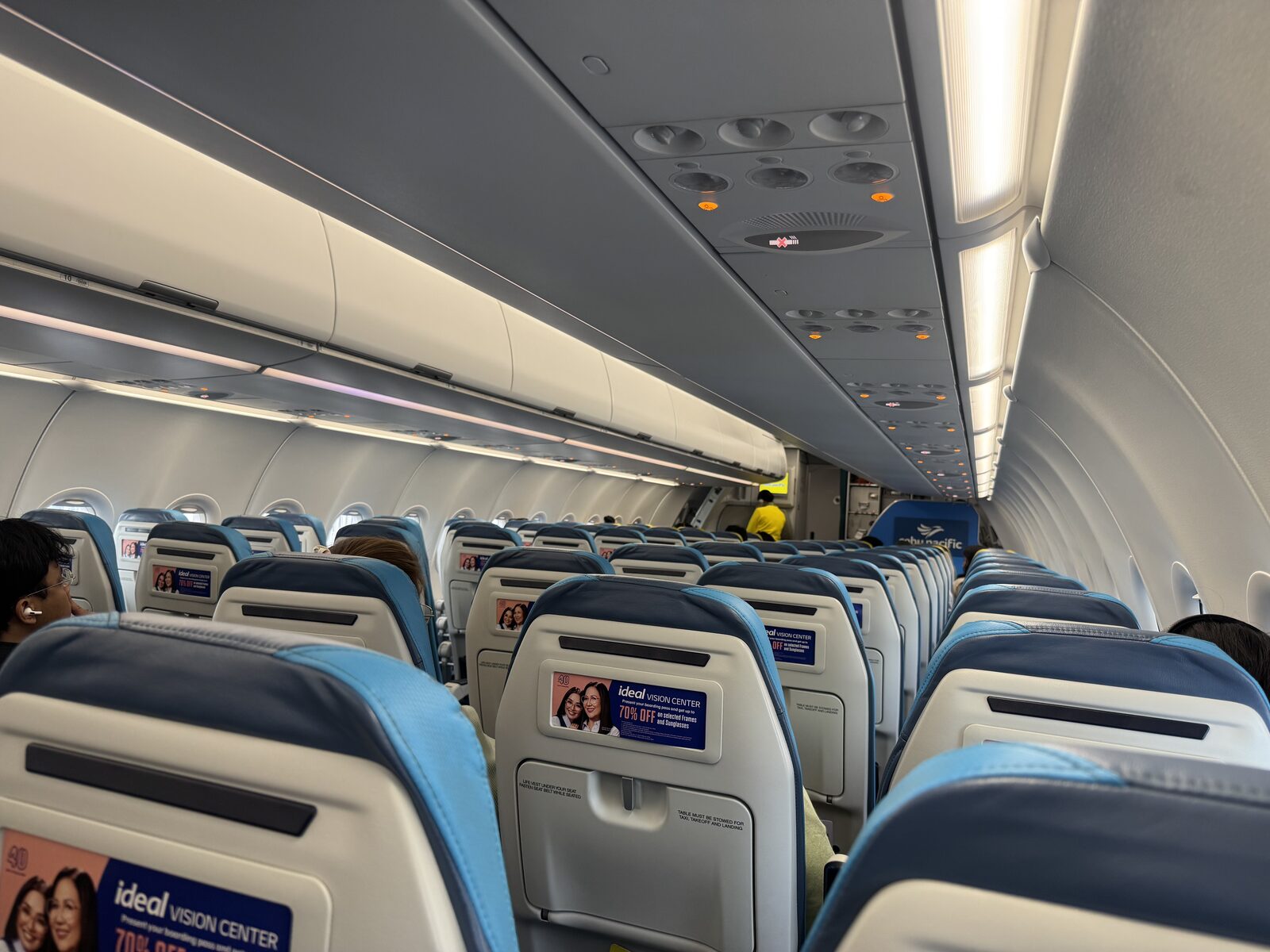
Hokkaido to the Philippines sounds like a long way on paper. In practice, you watch a film, doze off for a bit, and you're there.
It struck us then: a short-term stay in the Philippines is more accessible than people assume.
In-flight meal: spaghetti with a sweet meat sauce
For our in-flight meal we had spaghetti with sweet meat sauce.
The flavour was noticeably sweeter than a Japanese meat sauce. We had heard that Filipinos tend to enjoy sweeter spaghetti, and this was exactly that.
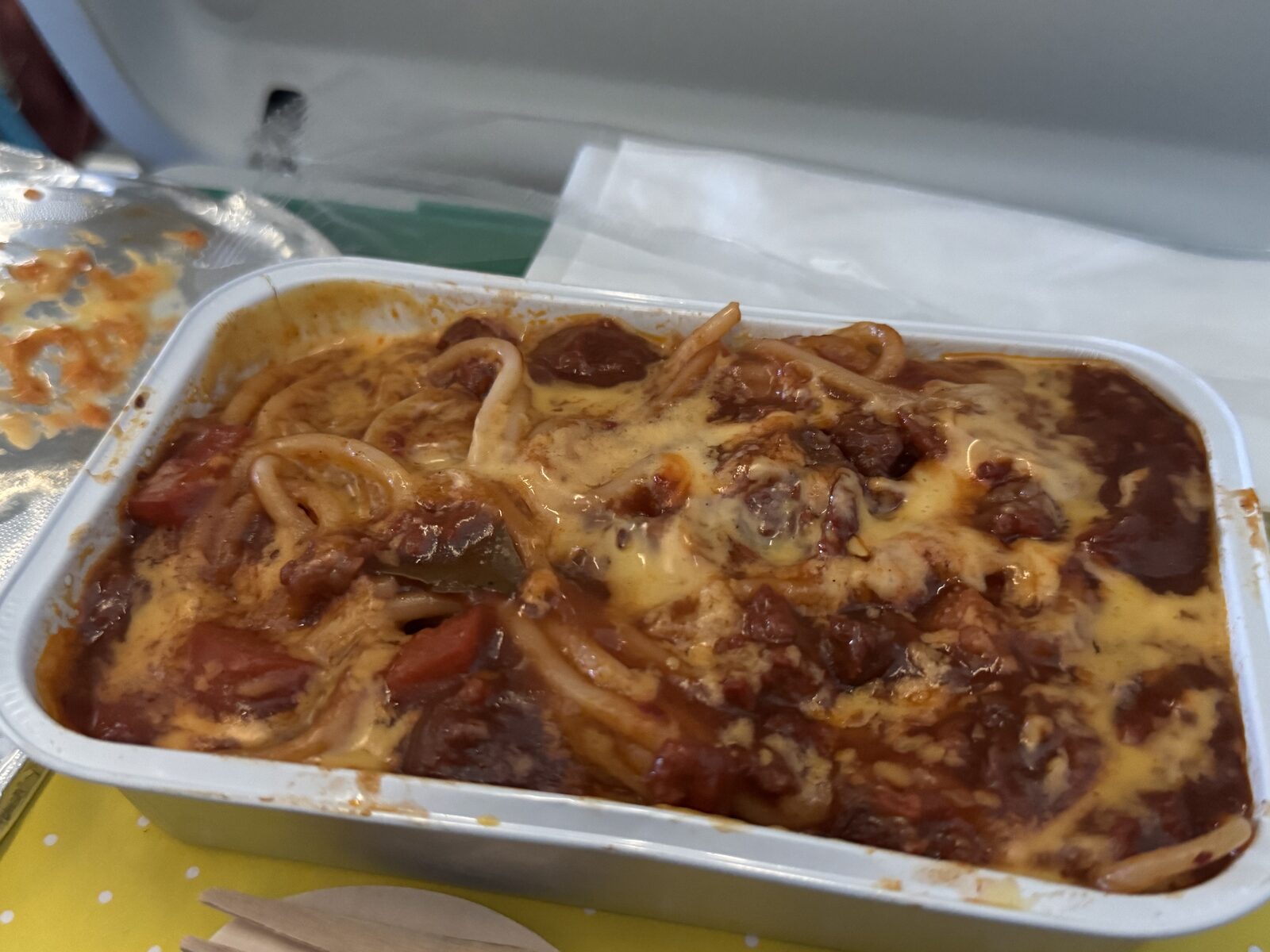
Part of the fun of travel is feeling a country before you even land. It wasn't a taste we were used to, but it was a memorable little reminder that we really were heading somewhere new.
One thing worth knowing: Cebu Pacific lets you bring your own food and drink on board. So instead of ordering the in-flight meal, you can pick up something appetising at the airport — a bento, a snack — and bring it with you. Across the aisle from us, a Filipino family was happily tucking into katsu curry bentos that looked like an airport buy. Little details like that gave the cabin a relaxed, easy-going feel.
Five hours later: arriving in the tropics
After about five hours in the air, we landed in the Philippines.
The moment we stepped off the plane, the first thing that hit us was the air — thick, warm, humid, tropical. A world away from Hokkaido's coolness.
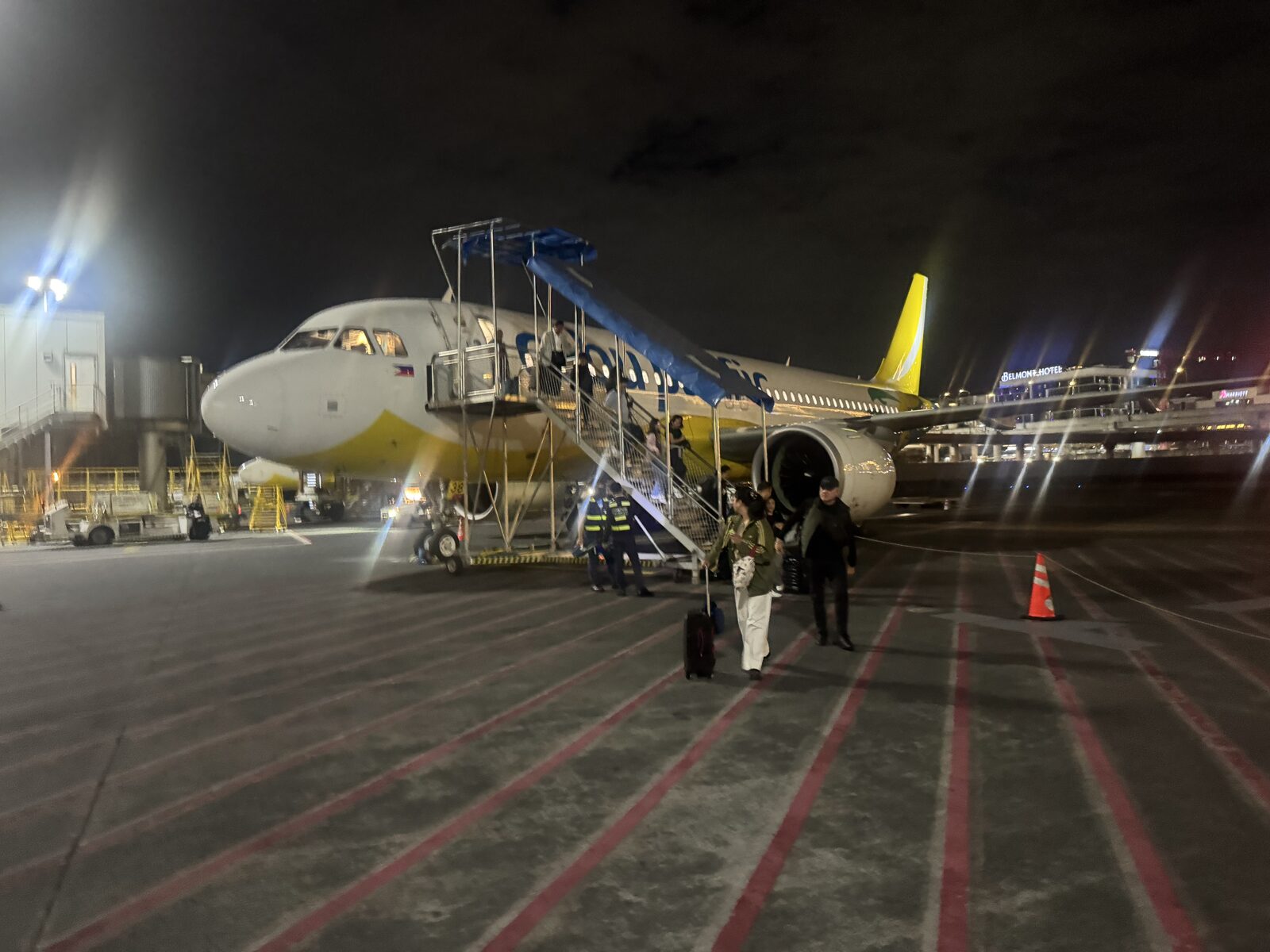
"Right — we're in the tropics now." That was the feeling.
The climate gap between Hokkaido and the Philippines is significant, and you feel it instantly. It reminded us how important it is to brief students properly on what to wear, how to look after themselves, and how to pace their first day on the ground.
A jeepney inside the airport!
While walking through the terminal, we spotted a jeepney — the famous Philippine icon — on display.
Colourful, slightly retro, somehow charming. It was such a perfect snapshot of the country that we stopped in our tracks for a photo.
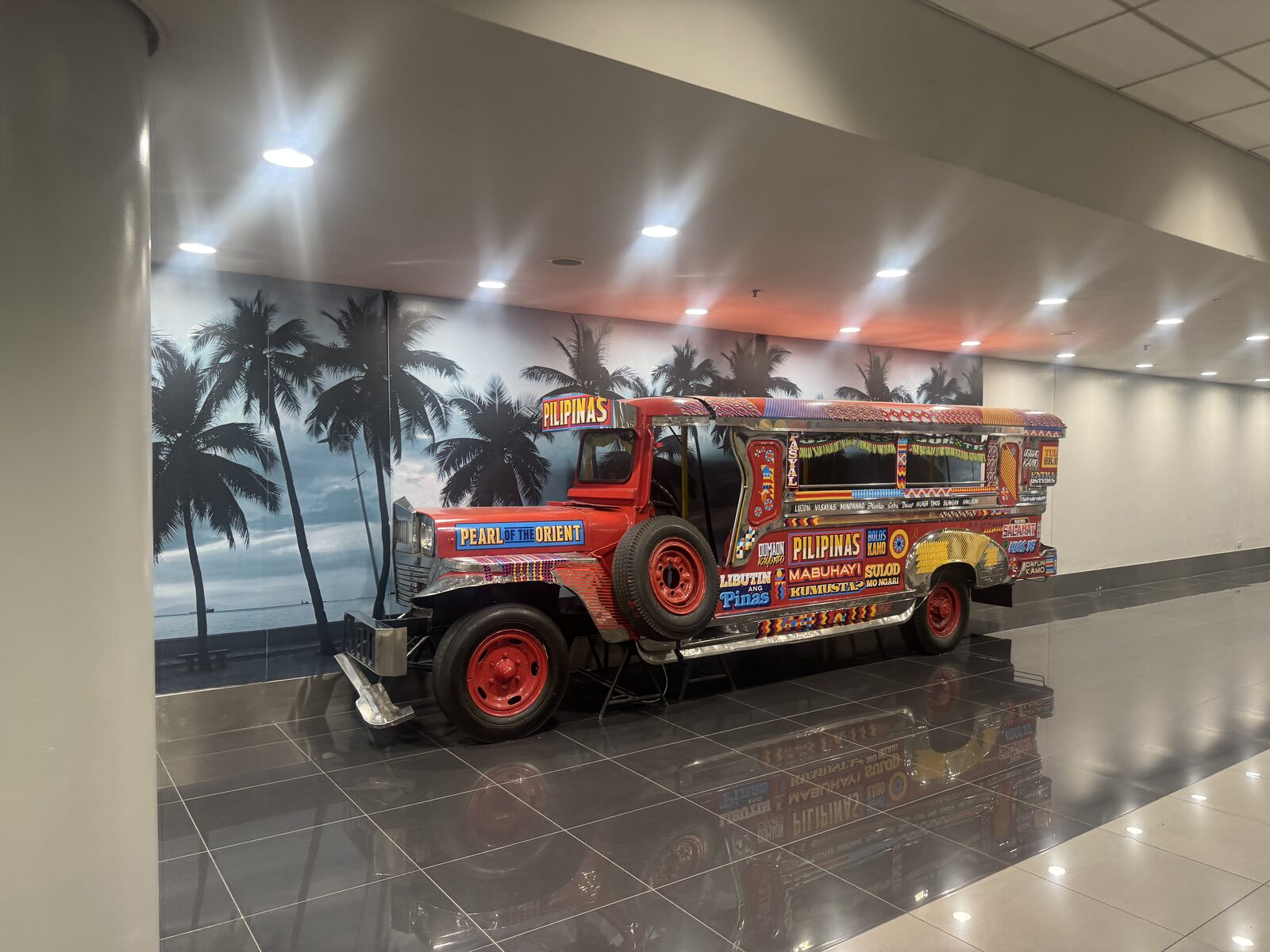
Small discoveries like this are part of the joy of being somewhere new.
People often think of study abroad as just "studying", but really, everything teaches you something — the colours of the streets, the air, people's expressions, the food, the way they get around.
Learning English is one thing. Touching another culture, even in a short stay, is just as valuable.
With e-Travel already done, immigration was smooth
We had completed e-Travel, the electronic arrival form required before entering the Philippines, well in advance.
Thanks to that, immigration went through without any drama. For first-time travellers, paperwork like this is often the most anxiety-inducing part of the trip.
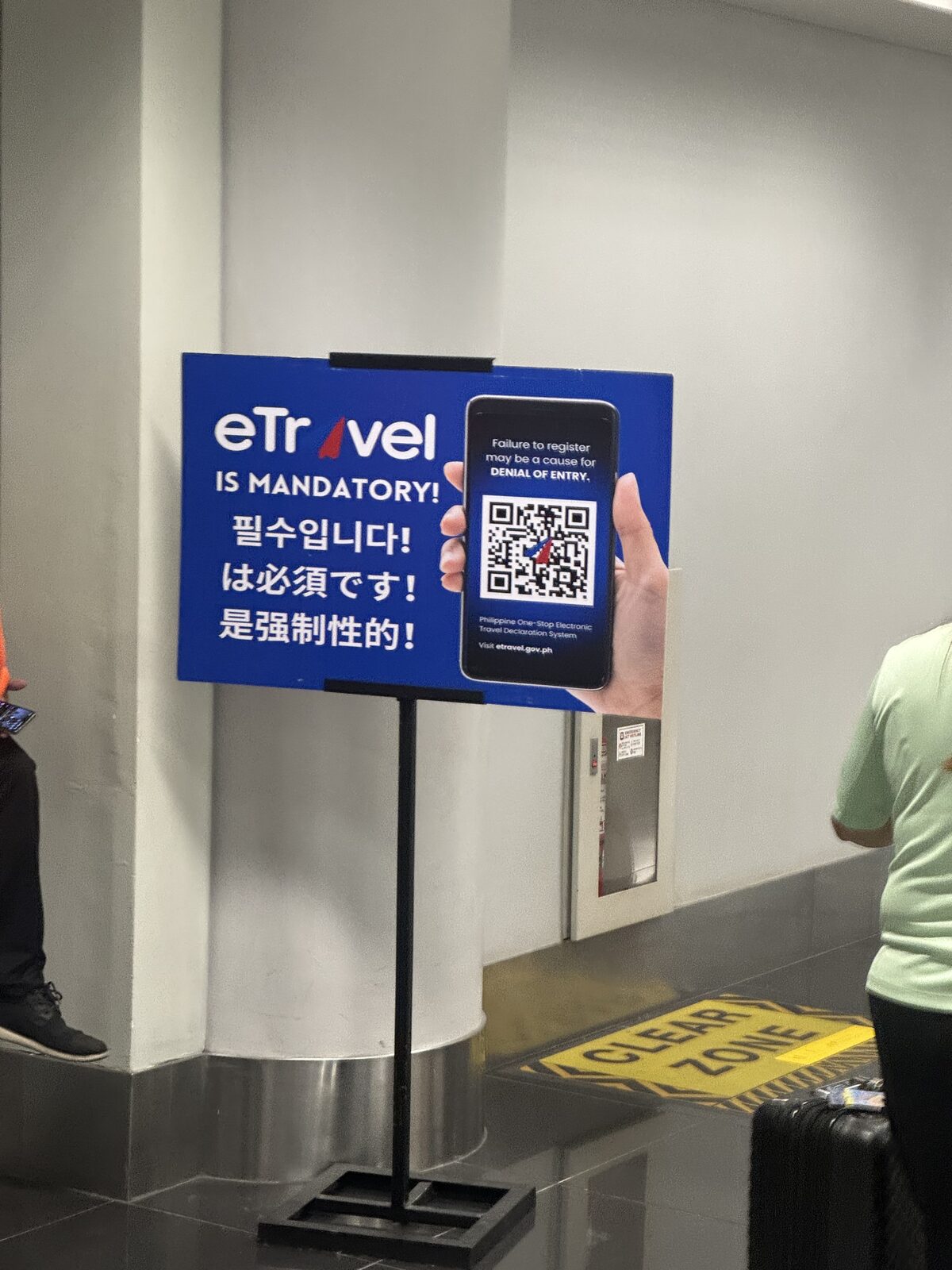
That's exactly why our programme puts real care into pre-departure briefings and walking students through every form they'll need.
What to prepare and by when, how to move through the airport, who will be waiting to meet you on arrival — answering these small questions one by one is, we believe, the support that turns "going abroad" into something you can actually step into with confidence.
🛂 Filling in e-Travel yourself?
Our Philippines eTravel Application Guide walks you through every screen with screenshots and flags the small details that trip first-timers up. Worth a look before you start.
Bags collected at 11pm; one night near the airport
We finished immigration and picked up our checked bags around 11pm.
As this was the first leg of a long trip, we didn't push on to anywhere further. Instead, we stayed at a hotel just ten minutes by car from the airport.
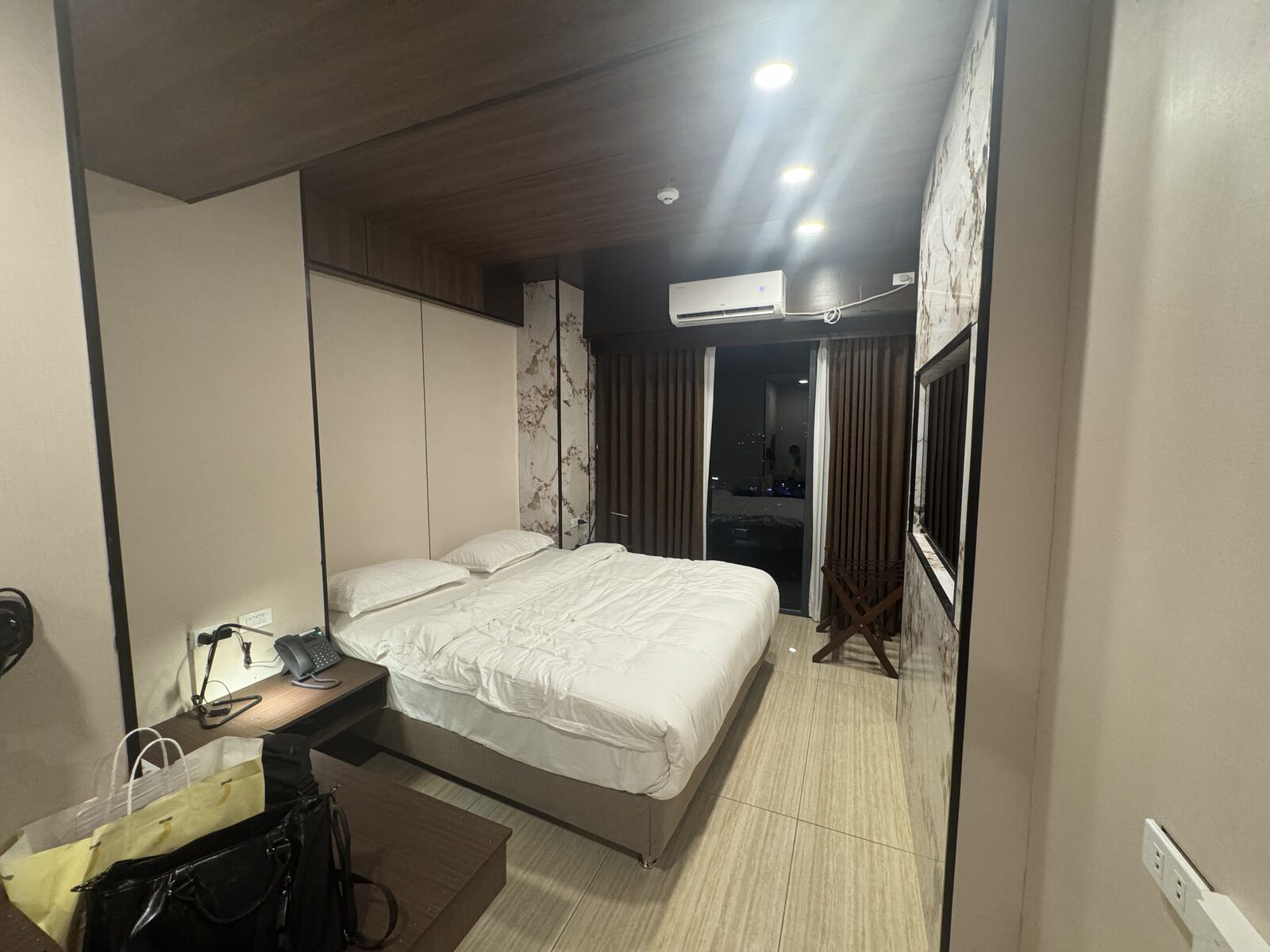
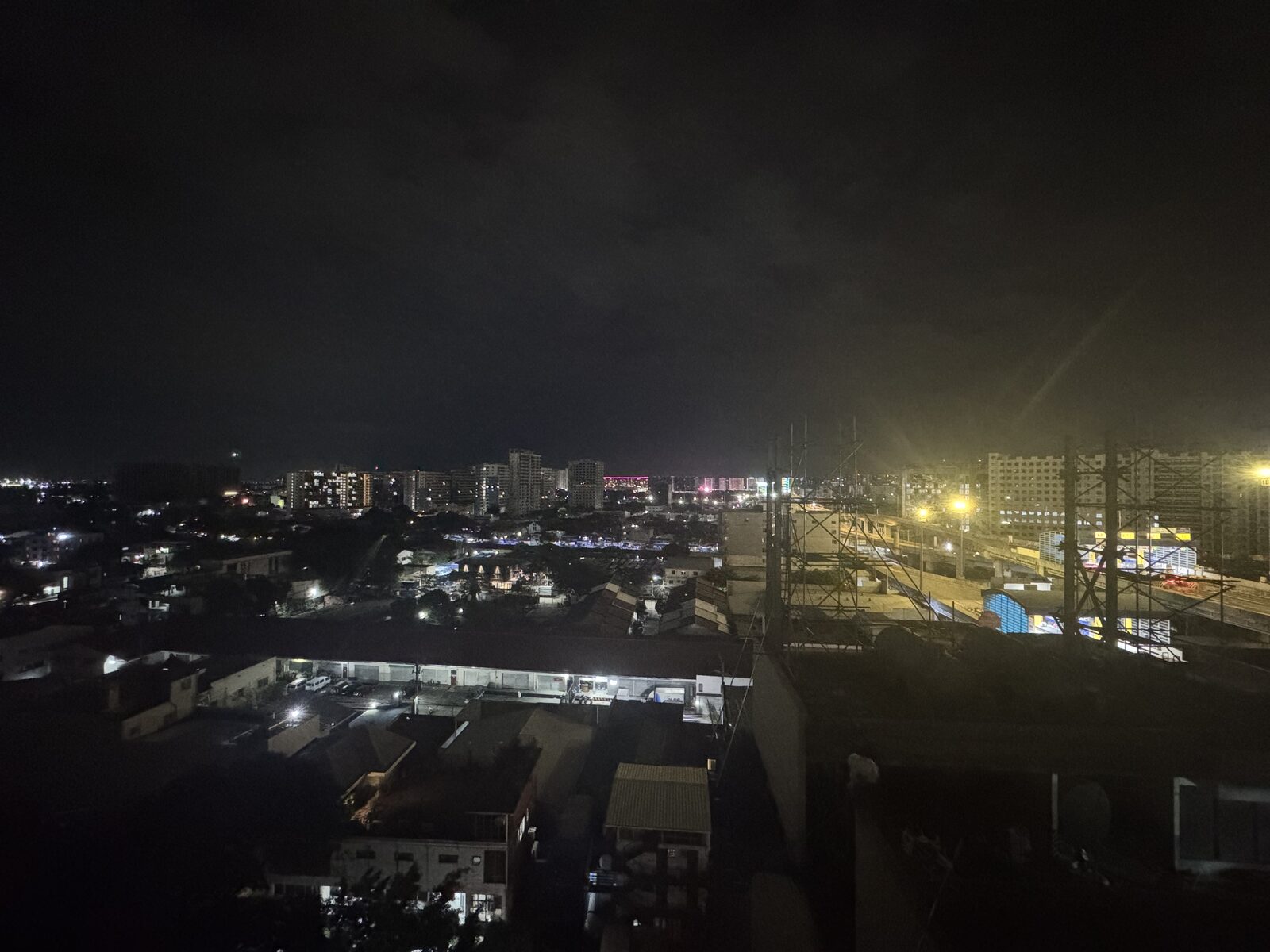
The lights of Manila through the window were nothing like a Hokkaido night — bright, restless, full of force.
The traffic, the glow, the sense of people still on the move — even after dark, the city had energy.
The real site visit would start the next morning. After such a long day of travel, the best thing we could do was rest.
Good night.
What Day 1 taught us
Day 1 was, on paper, just a travel day from Sapporo to the Philippines. In reality, it gave us more to think about than we expected.
How easy it is to reach the airport. The atmosphere in the international terminal. Checking in with an unfamiliar airline. How to spend the hours in the cabin. The heat and the airport scene on arrival. The flow through immigration. The reassurance of having a hotel sorted when you land late at night.
All of these matter to anyone joining one of our short-term study-abroad trips to the Philippines.
We visit in person not just to inspect schools, but to walk the journey ourselves — to learn where students setting off from Hokkaido are likely to feel anxious, and where they'll feel at ease.
We'd love for studying abroad to stop feeling like something reserved for a special few. Our hope is that, starting from Sapporo and New Chitose, it can feel like a natural next step in your own life — a new challenge that grows out of where you already live.
Editor's note
There was a touch of nerves before we set off, but the moment the trip actually began, every step of the journey turned up something new.
What stayed with us most was this: only a few hours after leaving Hokkaido, we were standing inside a completely different climate, scenery and culture.
Short-term study abroad isn't the same as a long stint overseas. It's a focused window of time for English and for a different culture — and that's exactly why we want to get the details right: a smooth journey from departure to arrival, real support on the ground, and the kind of excitement that makes someone say, "I want to go."
In Day 2 we leave Manila for the Lingayen area, and we finally start getting close to the schools and the towns around them.
See you in Day 2.