


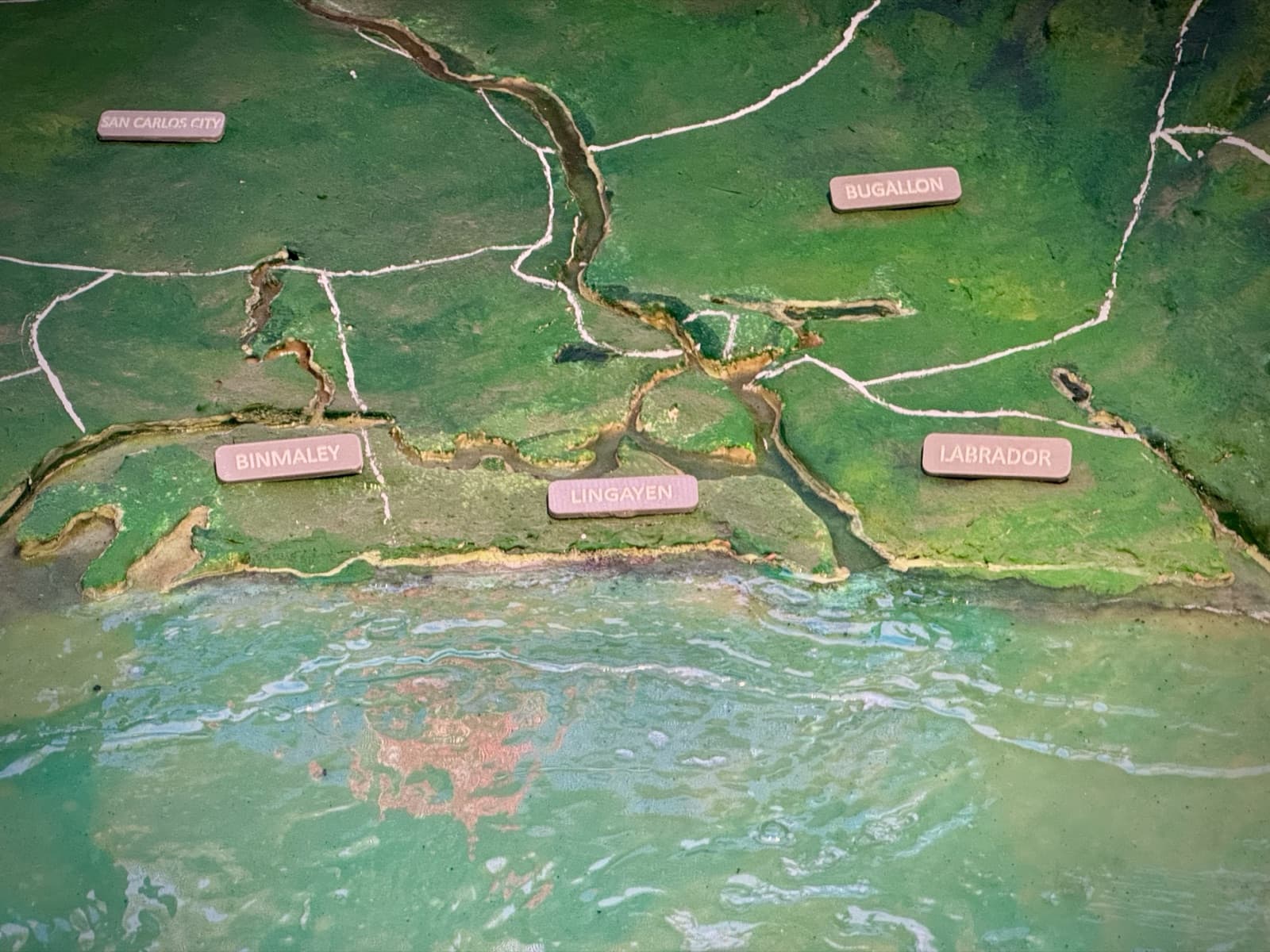
Hello, everyone. Welcome back to our Site Visit Diary, following our team's site visit to short-term language schools in the Philippines. This is Day 3.
Today we explored the area around the school on foot — from an early-morning walk on the beach, to a launderette and a stylish café, to the city museum and the town hall, and finally to the new student dormitory wing currently under construction. We walked it, rode it, saw it, and felt what everyday life here is really like.
7 a.m. — first stop: the beach near the school
We set out at around seven in the morning, before breakfast, to visit the beach near the school.
Our transport was one of the Philippines' most iconic vehicles — the tricycle. A motorbike with a sidecar attached, they are everywhere in town. We were a little giddy about riding one for the first time. The fare from the school to the beach was just 30 PHP per person — roughly US$0.50. Remarkably good value.
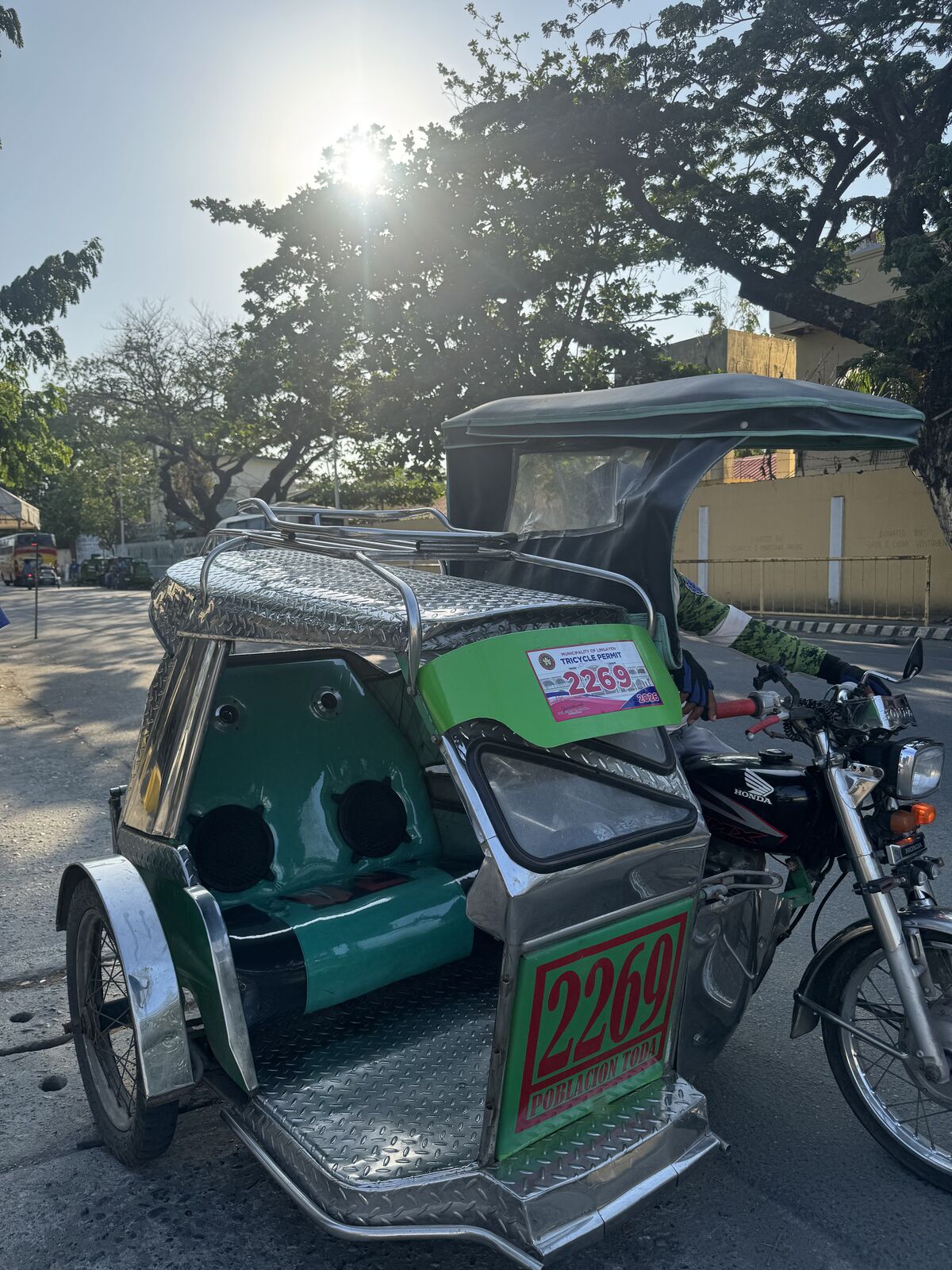
Looking more closely at the tricycles, each one has a name painted on it by its driver — a lovely personal touch. There is something about travelling in a vehicle so deeply woven into everyday local life — so different from a Japanese taxi or bus — that makes you feel genuinely, unmistakably here.
Even a short ride like that is part of what makes a short-term study-abroad trip its own kind of experience.
An almost-empty morning beach
When we arrived, the beach was virtually deserted — a handful of people at most, which is exactly what you might hope for at that hour.
Wide white sand, blue sky, and the full force of a tropical sun. A sense of openness that is simply not part of life in Hokkaido.
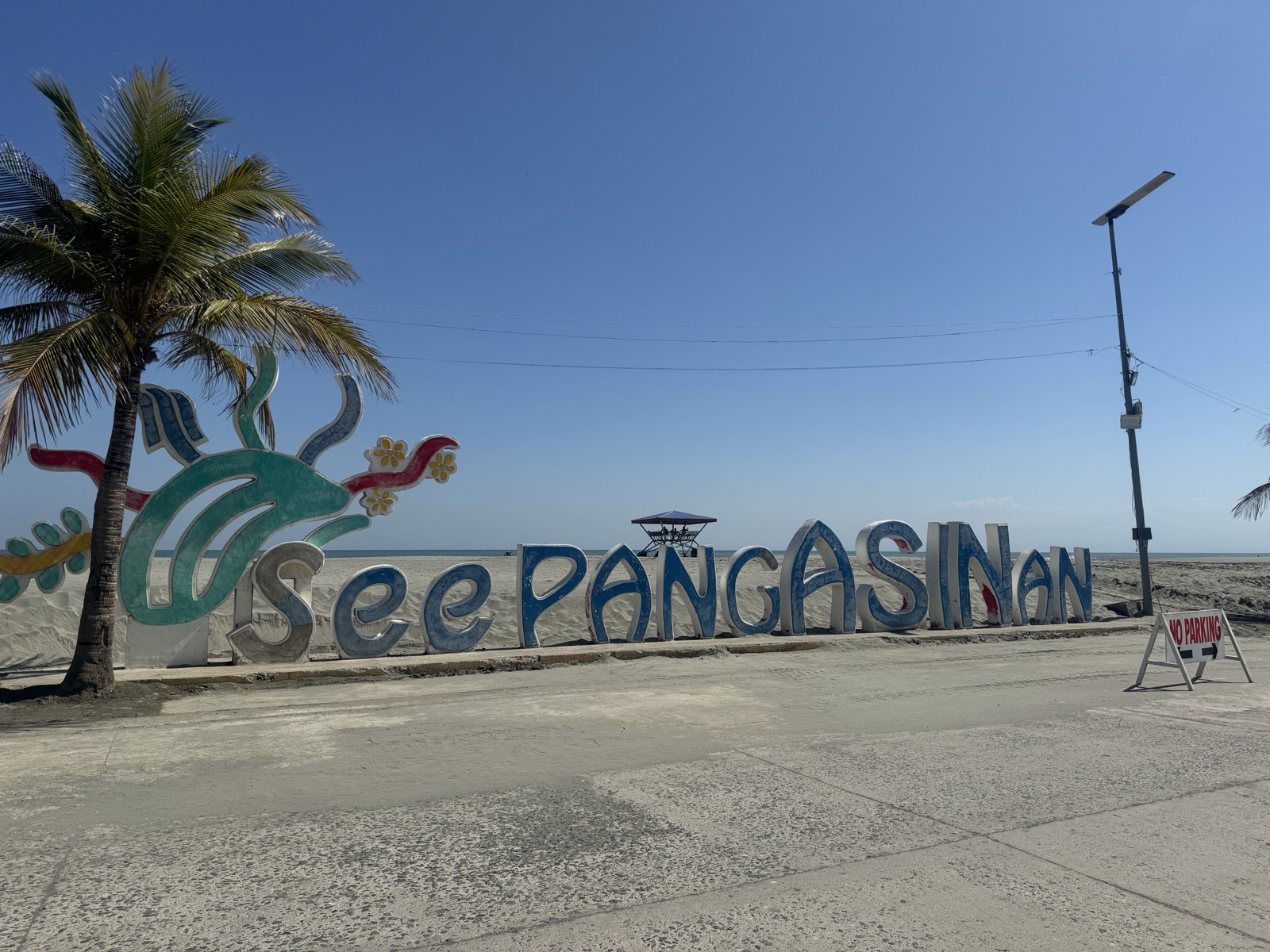
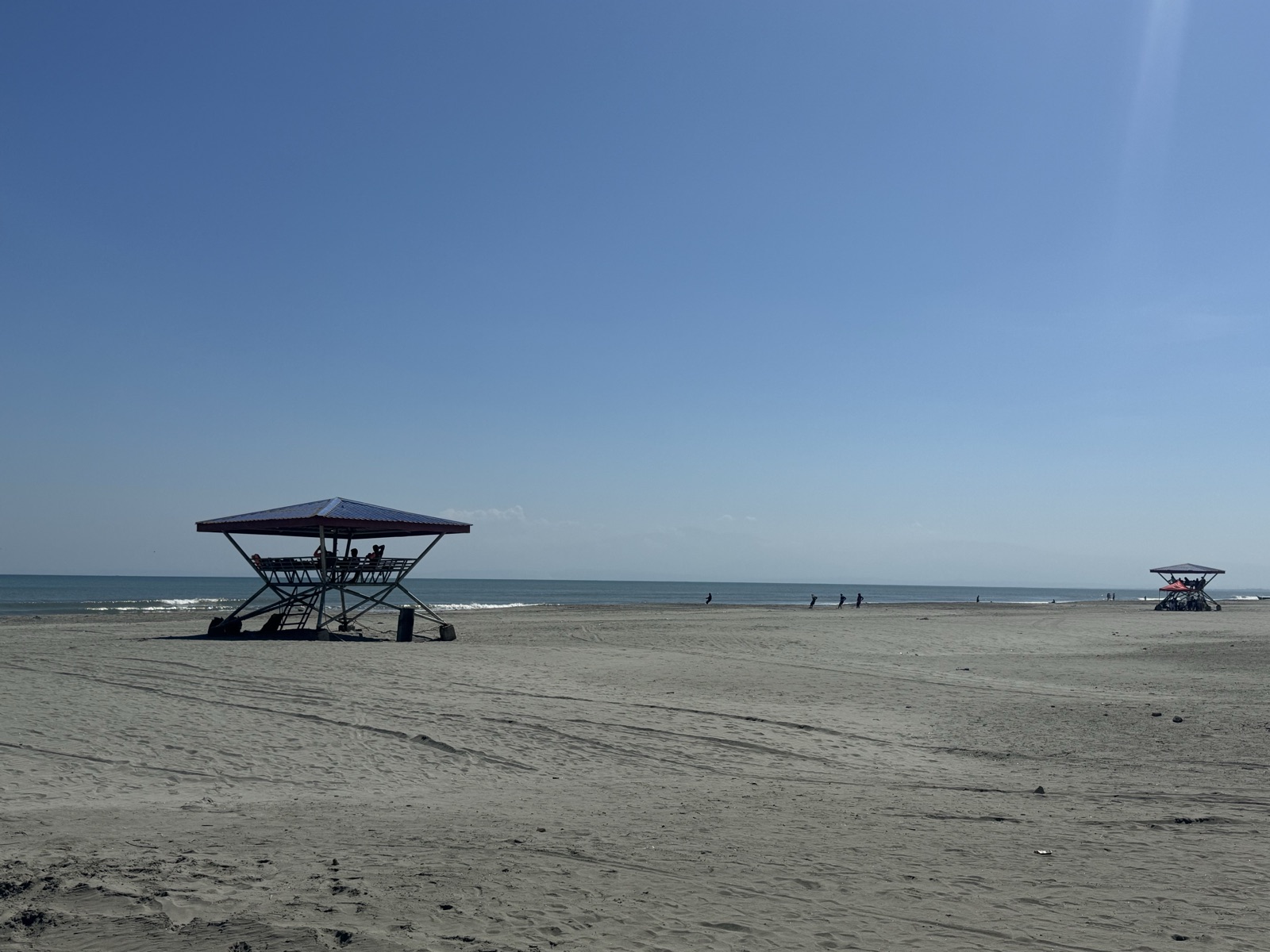
And it was here that we learned something important.
Never underestimate the Philippine sun in the middle of summer.
It was only just past seven in the morning, and yet the heat reflected off the sand was fierce — the kind that you feel in your bones. We had planned to stroll along and take photographs, but we lasted about ten minutes before we admitted defeat.
For anyone from Hokkaido, accustomed to its cool climate, the UV intensity and heat here are something else entirely. A hat, a parasol, sunscreen, and plenty of water are not optional — they are essential. That is something we will make sure to pass on clearly to everyone who joins the programme.
Walking back to school — thirty minutes that count as a workout in the tropics
On the way back from the beach, we decided to walk to the school rather than take a tricycle.
The distance is about a thirty-minute walk. In Hokkaido, that might feel like a pleasant stroll.
Here in the Philippines, however, even in the morning, the sun is already bearing down, and the sweat starts almost immediately.
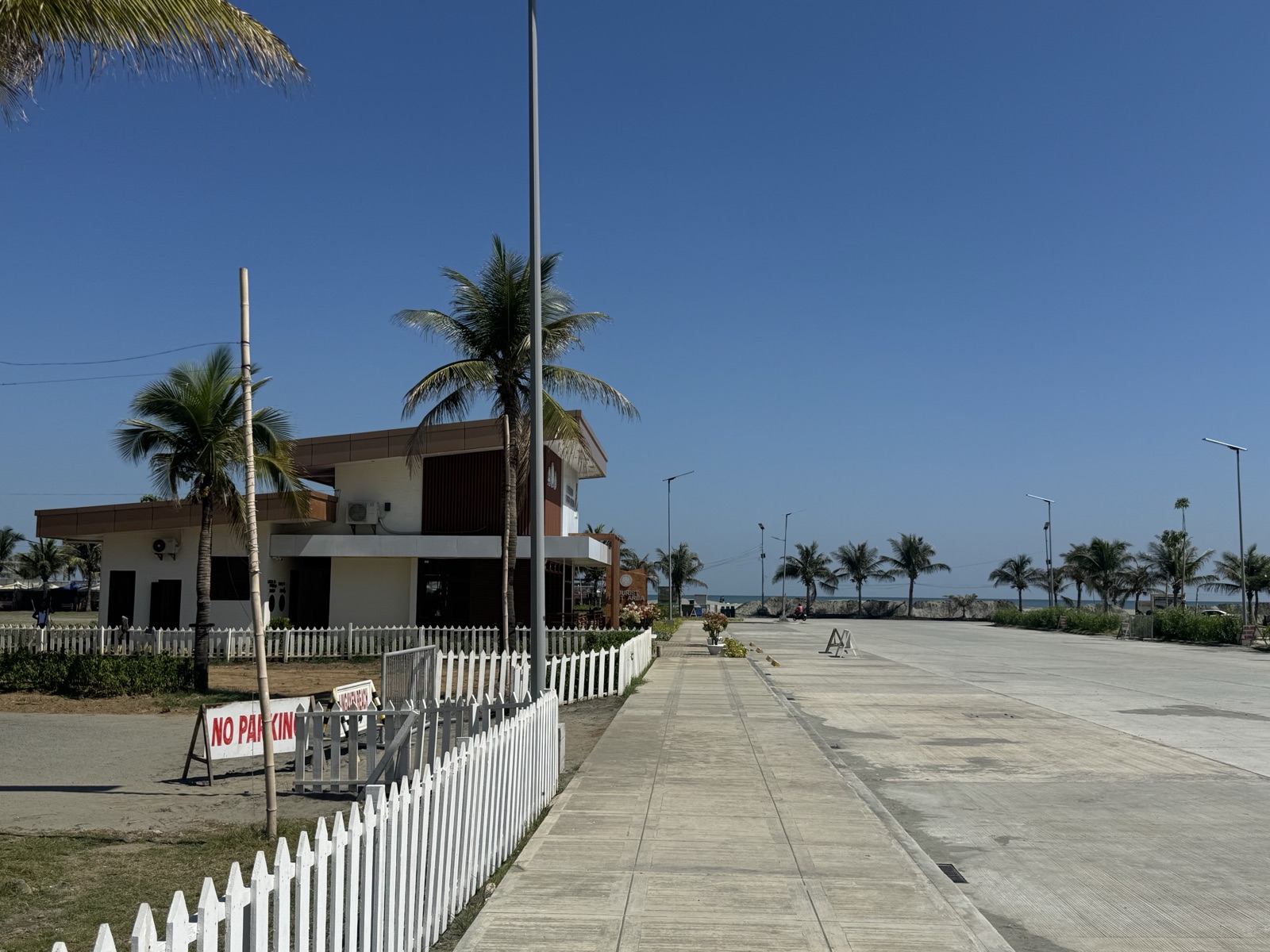
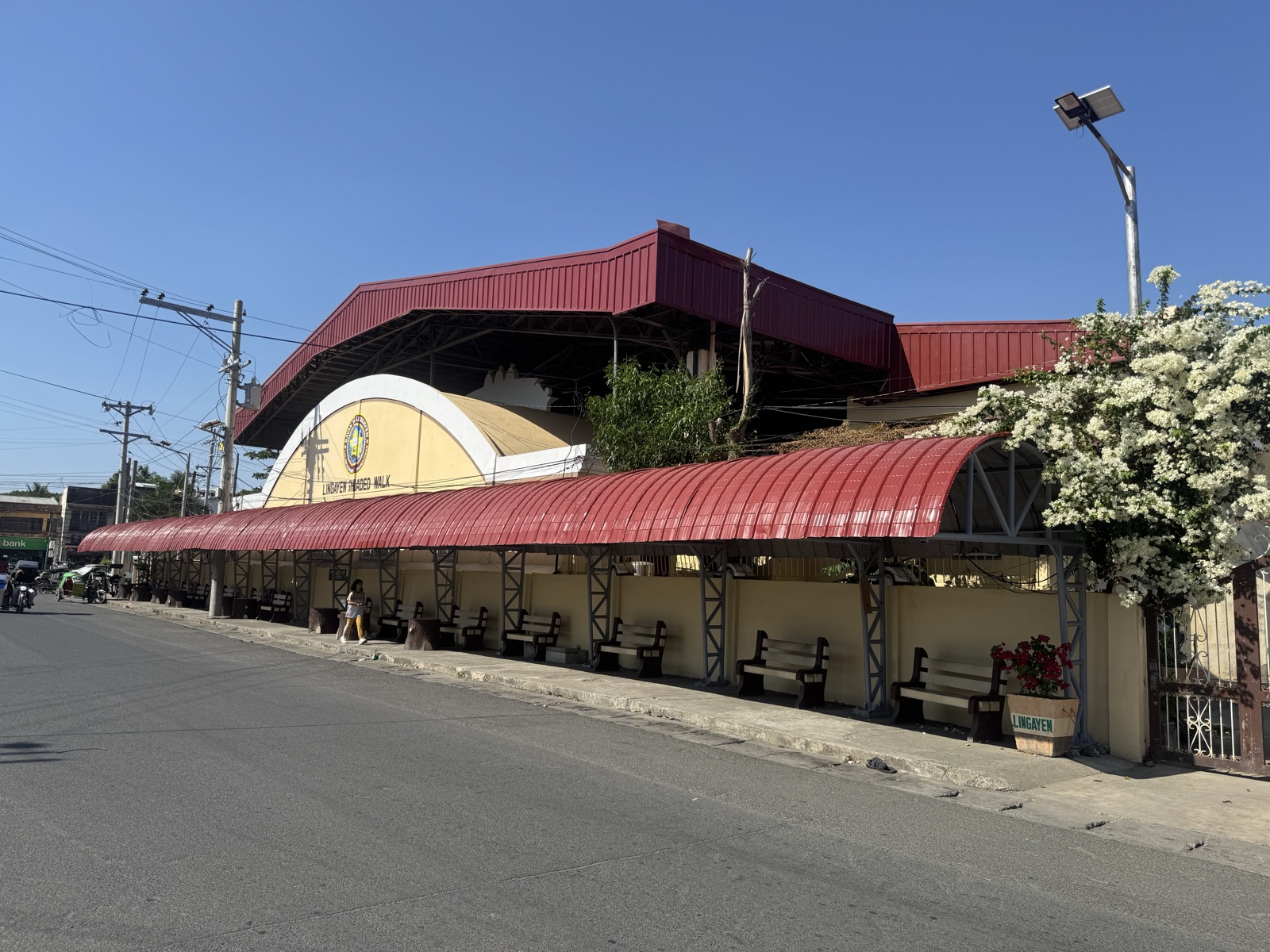
Along the road: local shops, homes, tricycles, people going about their morning. Walking let us absorb the rhythm of daily life in a way that riding past never would.
A car journey has its own pleasures, but there is a side to a street that you only see on foot. That said — to repeat the point — do not take the UV lightly at this latitude. During a study-abroad stay, any time you head out, pace yourself, and make sure your sun protection is sorted before you step out the door.
Back at school for breakfast — a coconut bun that stopped us in our tracks
After returning to school, we sat down for breakfast.
The standout from that morning's spread was a coconut bun. Soft, pillowy dough packed with lightly sweet coconut filling — it was genuinely delicious.
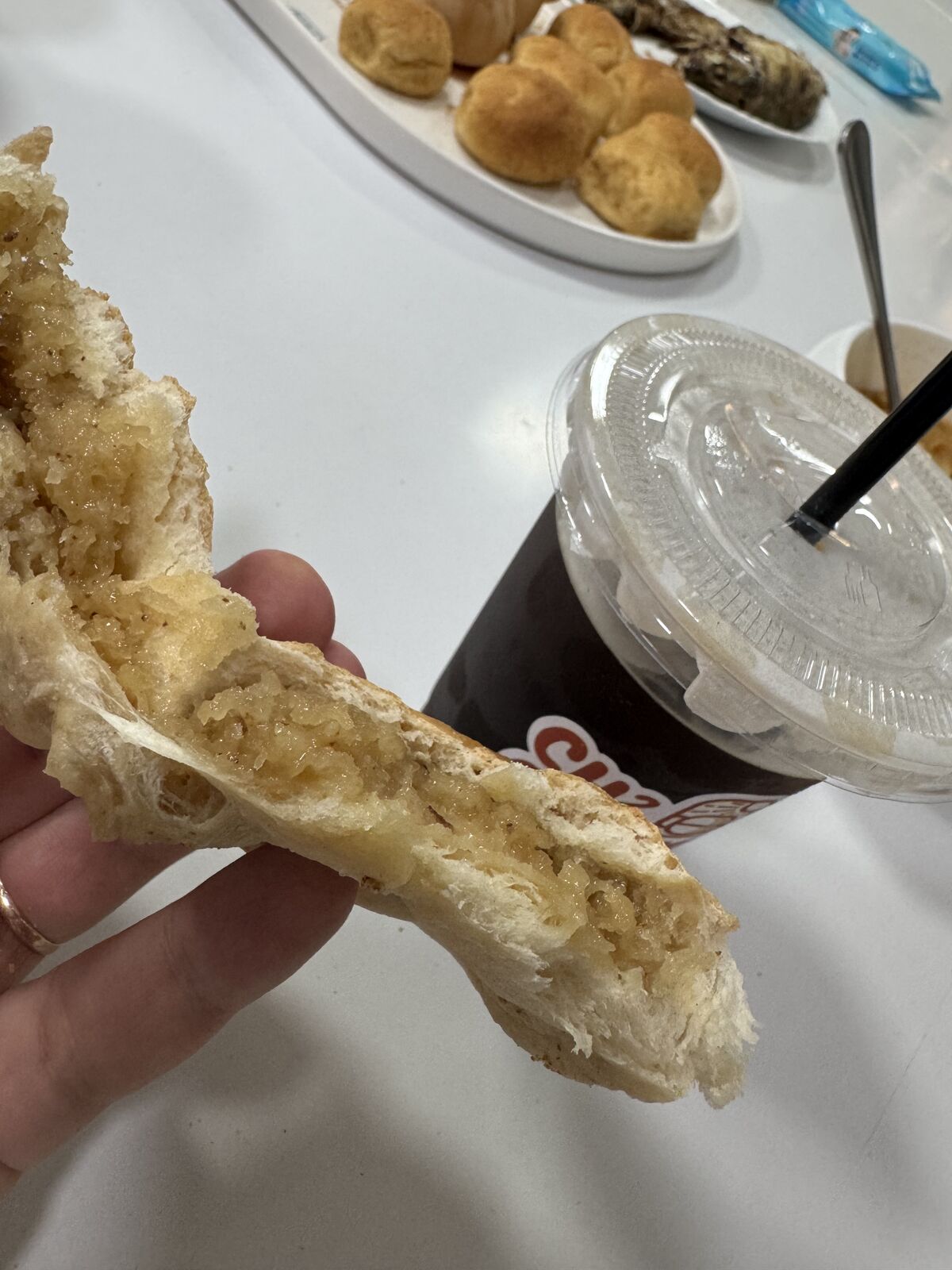
After working up a sweat on the beach walk, it was exactly the kind of comforting thing you want to eat.
Overseas food can be a source of anxiety for some people — will I actually like it? But every meal we had during this stay was home-style, warm, and something to look forward to. That held true from the very first bite.
Afternoon — checking out the local amenities around the school
The afternoon sun was just as unrelenting. But we were here to gather real information for the people who will eventually make this trip, so we summoned our resolve and headed out to look around the school's neighbourhood.
Within a five-minute walk of the school, we found both a coin launderette and a proper café.
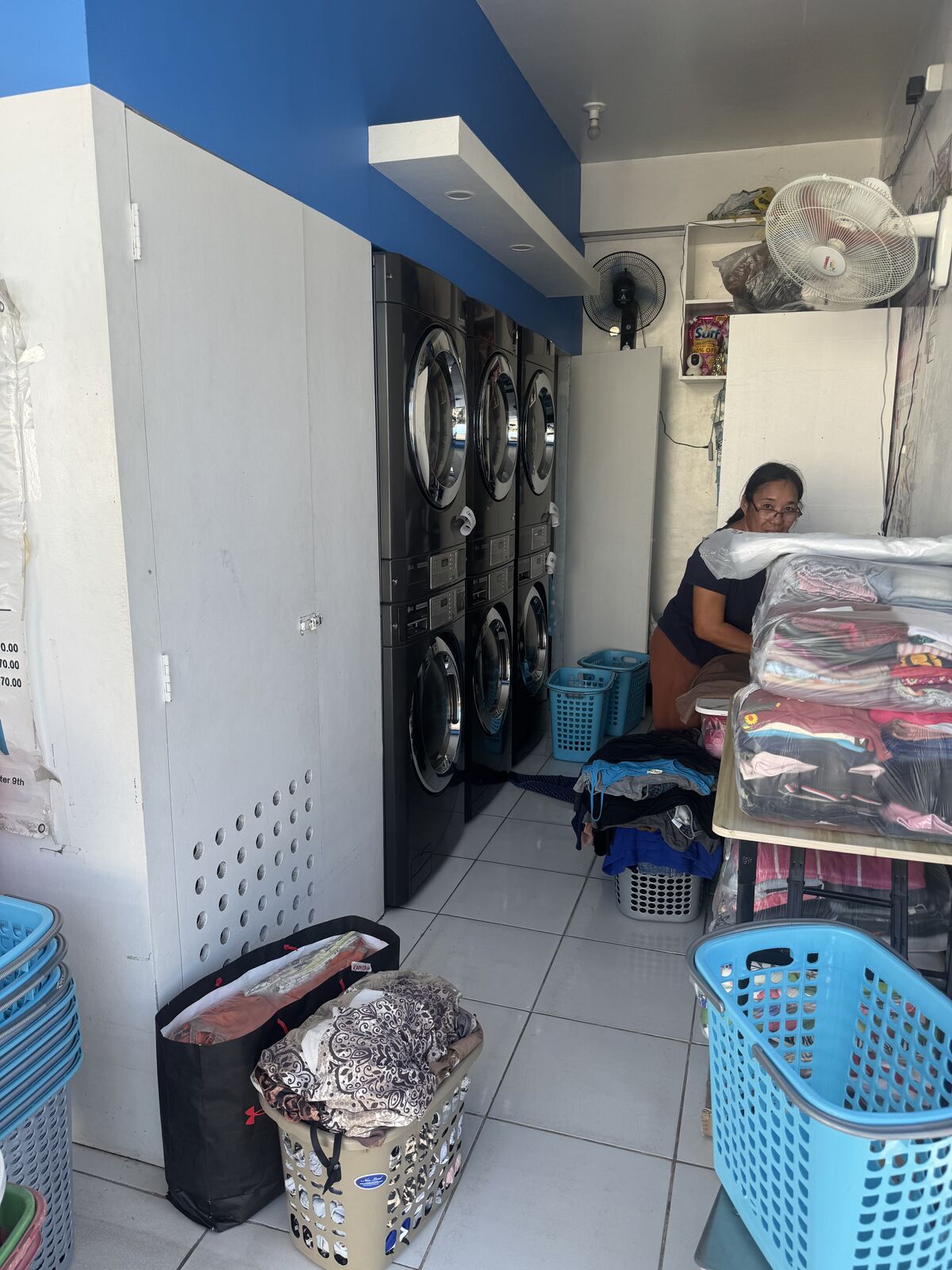
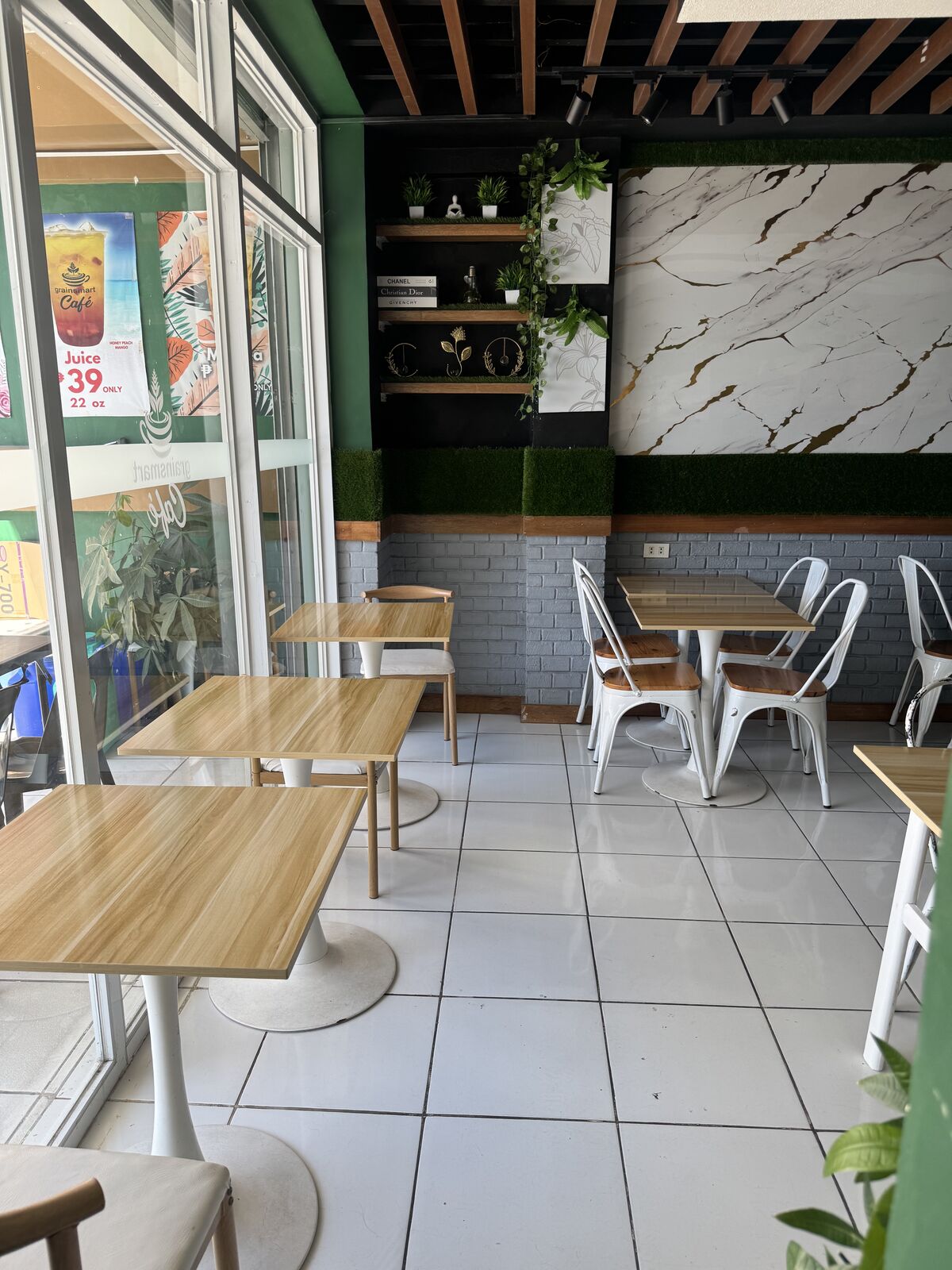
Even on a short stay of a week, a fortnight, or a month, having laundry facilities close by makes a real practical difference. Given how much you perspire in the Philippine climate, being able to wash clothes regularly is not a minor convenience — it matters.
And having a café nearby is a genuine bonus. Somewhere to take a break between lessons, meet friends over a drink, or simply sit and decompress. That small breathing space can mean a lot over the course of a stay.
We confirmed that this is not a study-abroad experience confined to the school walls. The neighbourhood itself is part of the picture, and it is a welcoming one.
A tricycle ride to the Banan Museum
From there, we climbed back into a tricycle and headed to the city museum — the Banan Museum.
The museum had been fully renovated just last year. Inside, the galleries are arranged by theme, and together they tell the history and culture of Lingayen in a way that is genuinely engaging.
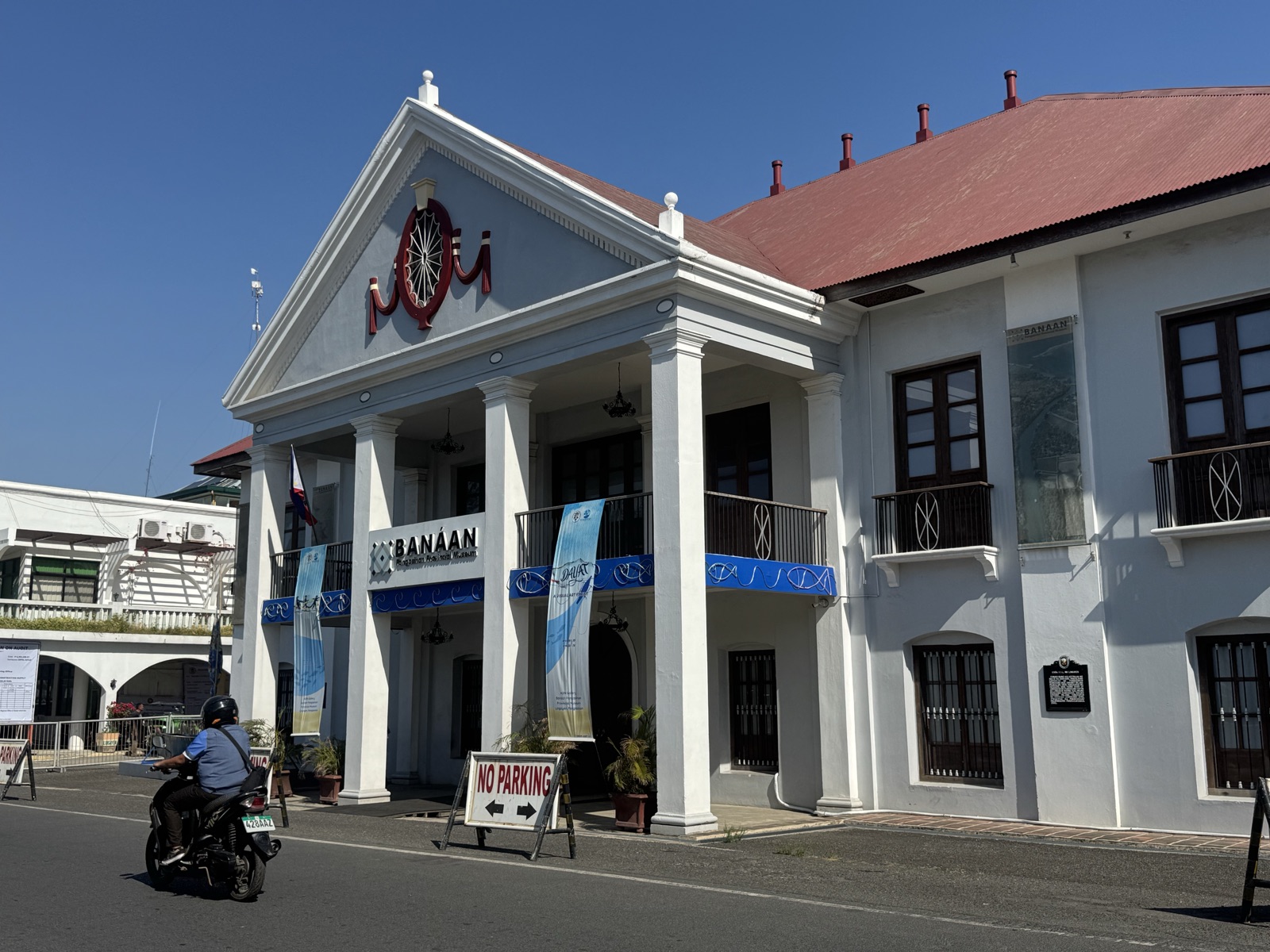
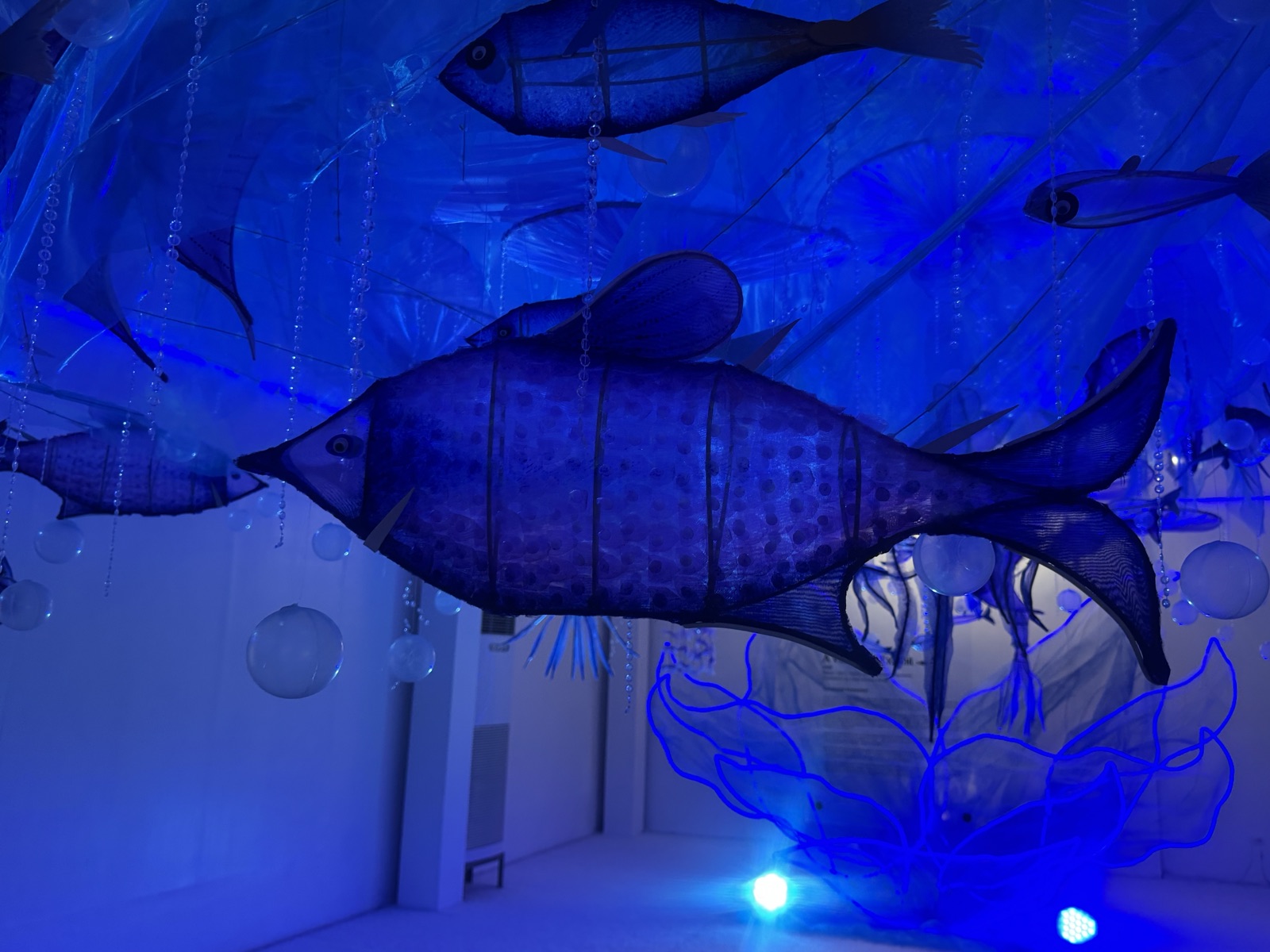
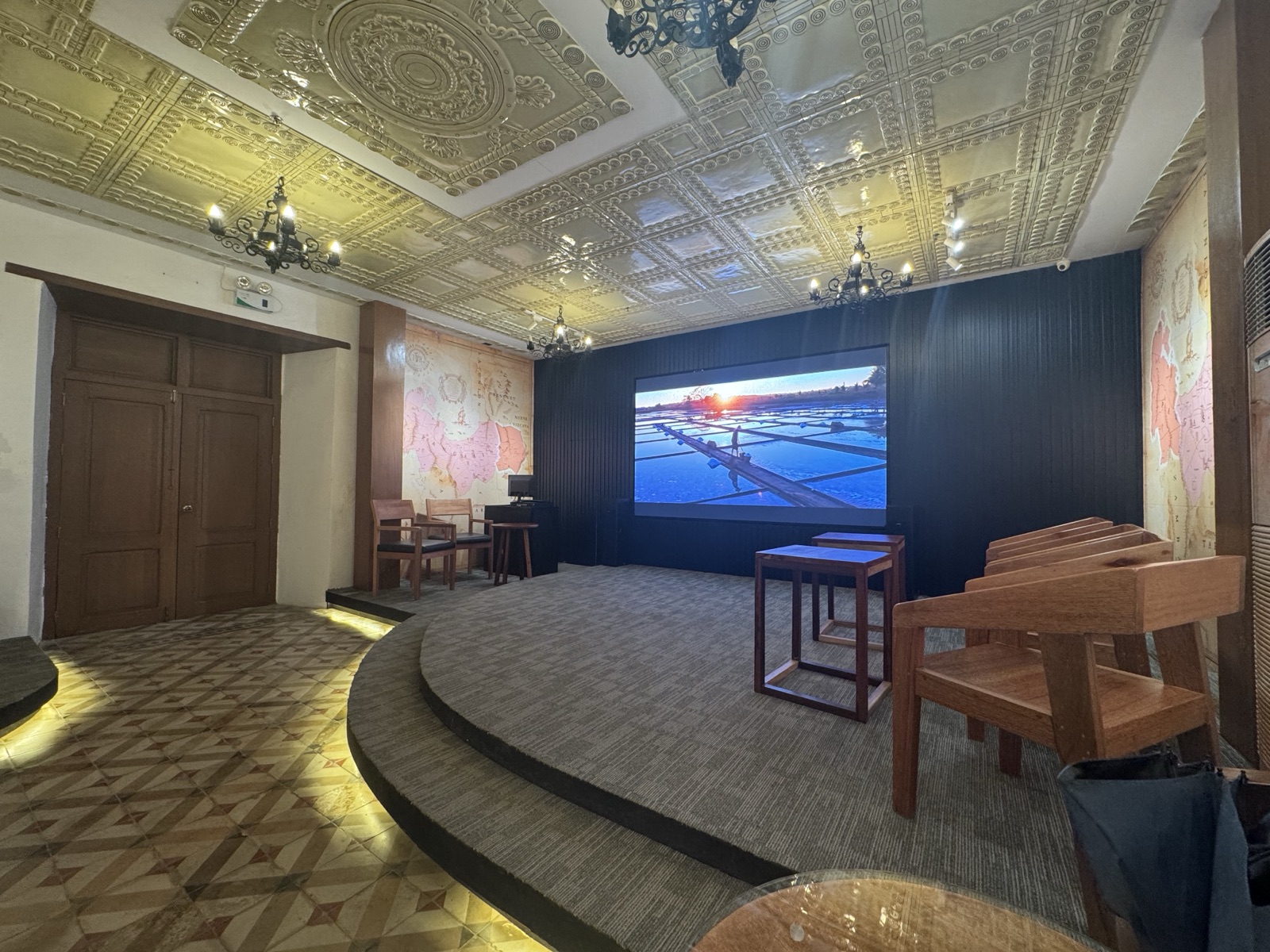
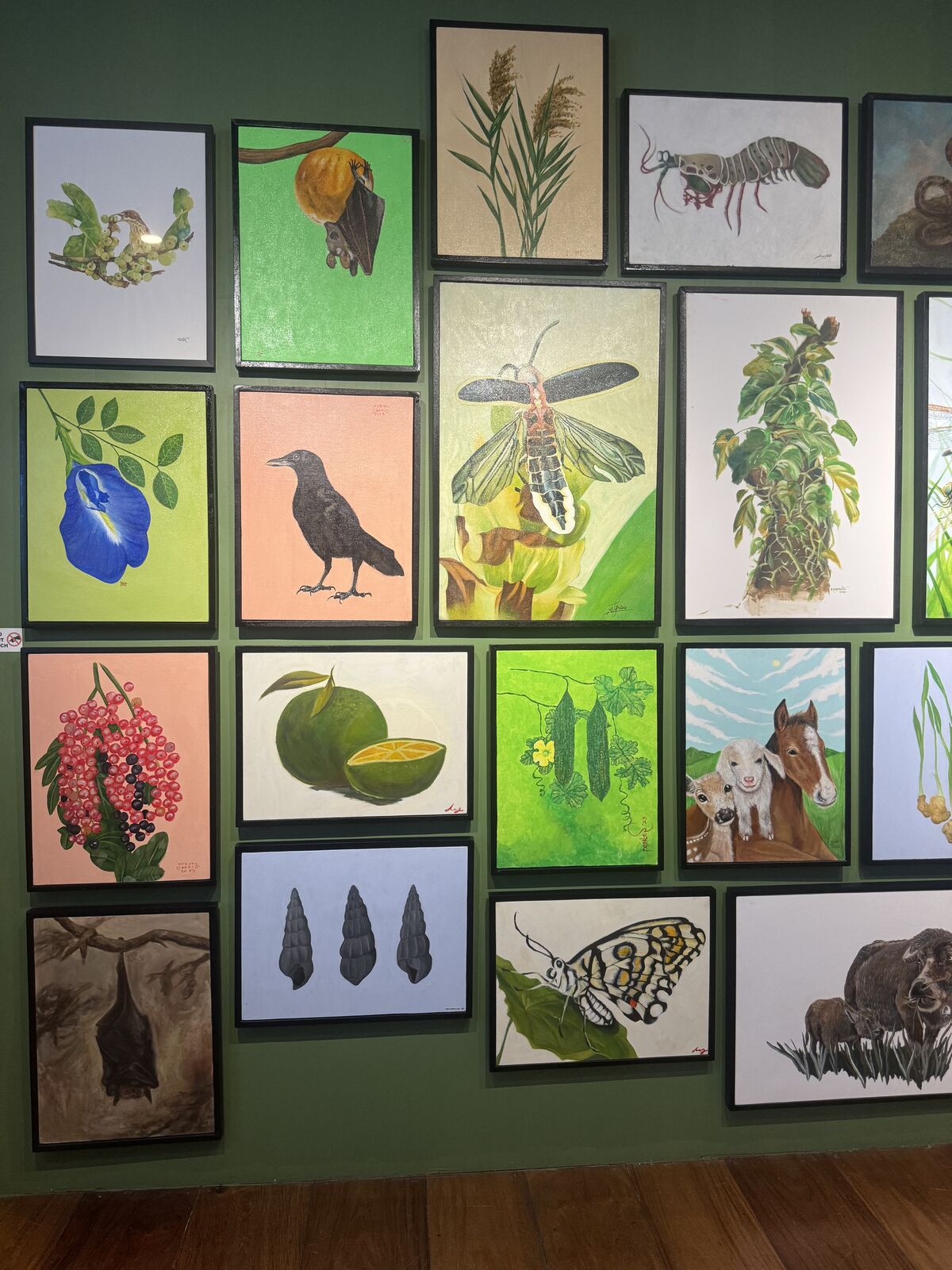
The displays were well laid-out and easy to follow. What made the strongest impression on us was the gallery relating to the Japanese military presence.
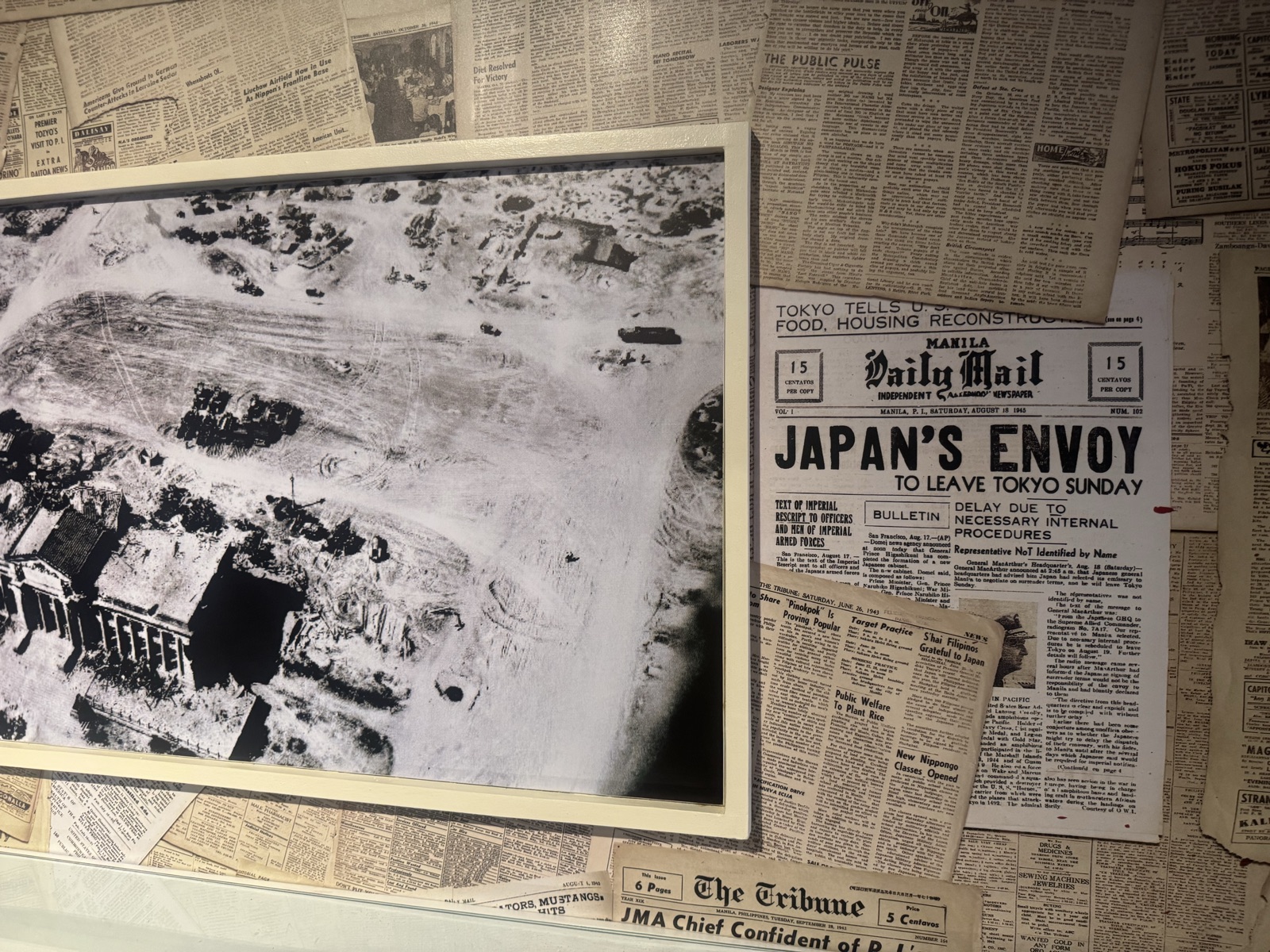
It brought us face to face with events and perspectives that never quite surface in a textbook — history as seen from the ground, from this place.
Language study abroad is not only about learning English. It is also an opportunity to understand the history and culture of the country you are visiting, and to reflect on its connections with your own. That dimension of the experience is something we feel strongly about.
For those who would like to visit this museum as part of an optional tour, Japanese-language guided visits are available. Even without confidence in English, participants can engage fully with the exhibits — and that is a meaningful offering.
A visit to the town hall — taking the measure of a city
Next, we stopped in at the town hall.
Running along one wall inside was a long row of portraits of every mayor the city has had. It was a striking space — one that gave a real sense of the town's civic life and history.
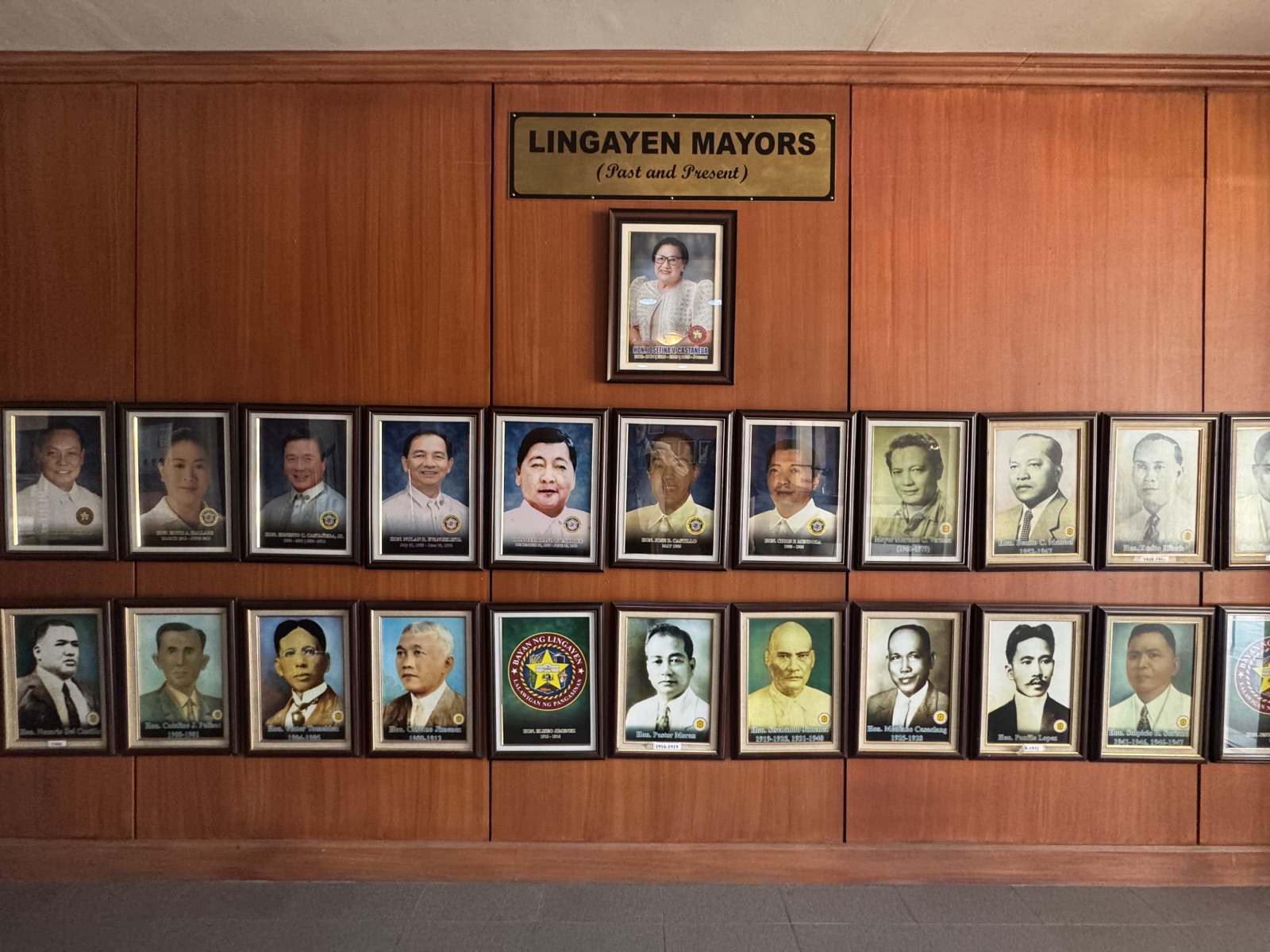
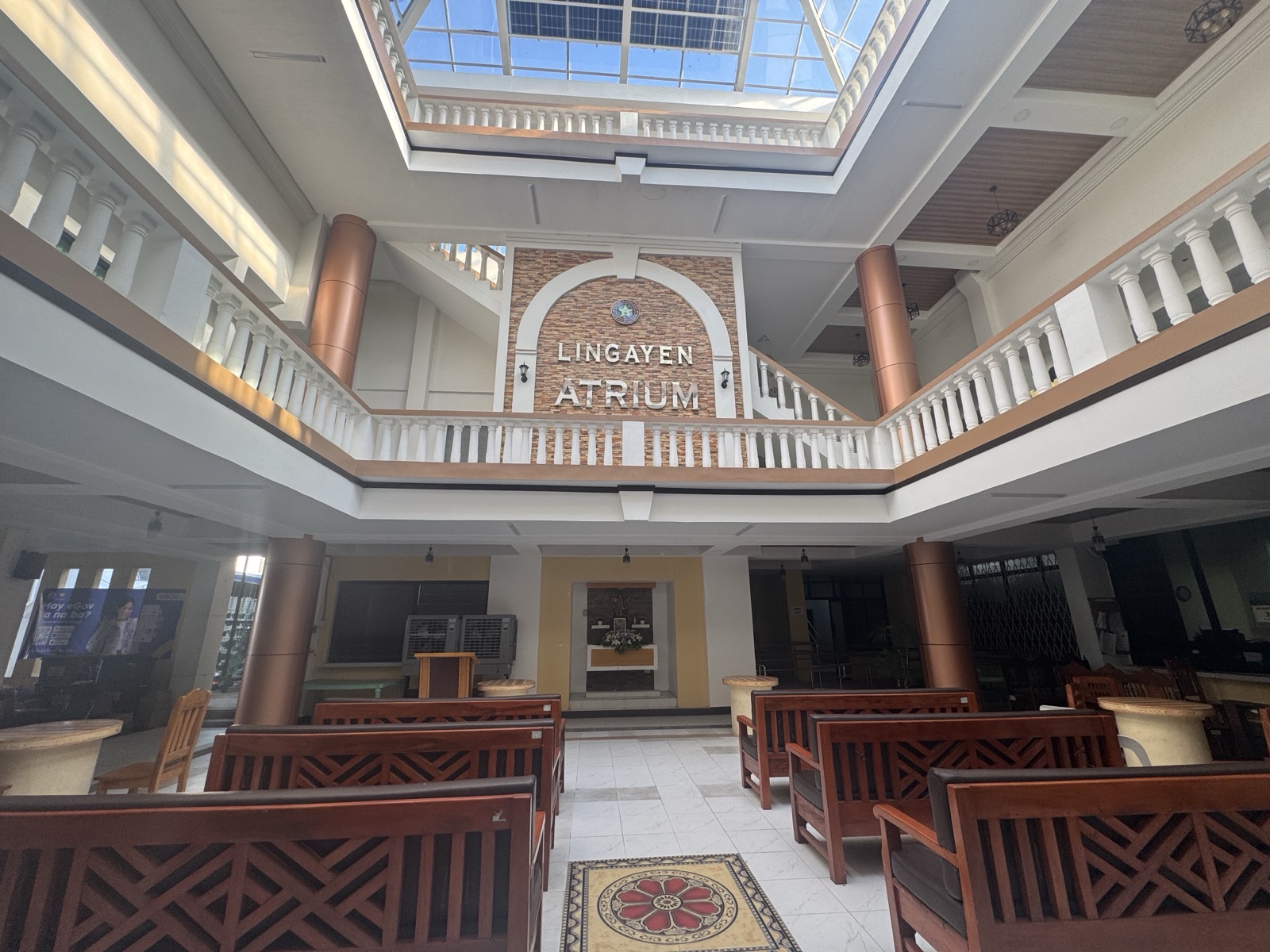
Visiting the town hall is not something you would normally do as a tourist. But seeing a community's public buildings with your own eyes gives you a different sense of how a place is put together — something a little more grounded and real.
Getting to know the town where you will be studying matters too, in terms of simply feeling settled. Being able to see the broader local environment, not just the school itself, was one of the more valuable things we took away from today's visit.
A look at the new dormitory wing currently under construction
We were also shown the new student dormitory wing, which is currently being built.
Construction is well under way, and we were able to walk through a large shared-room space. For families or friends travelling together, the idea of staying in a spacious room like that together sounded genuinely appealing.
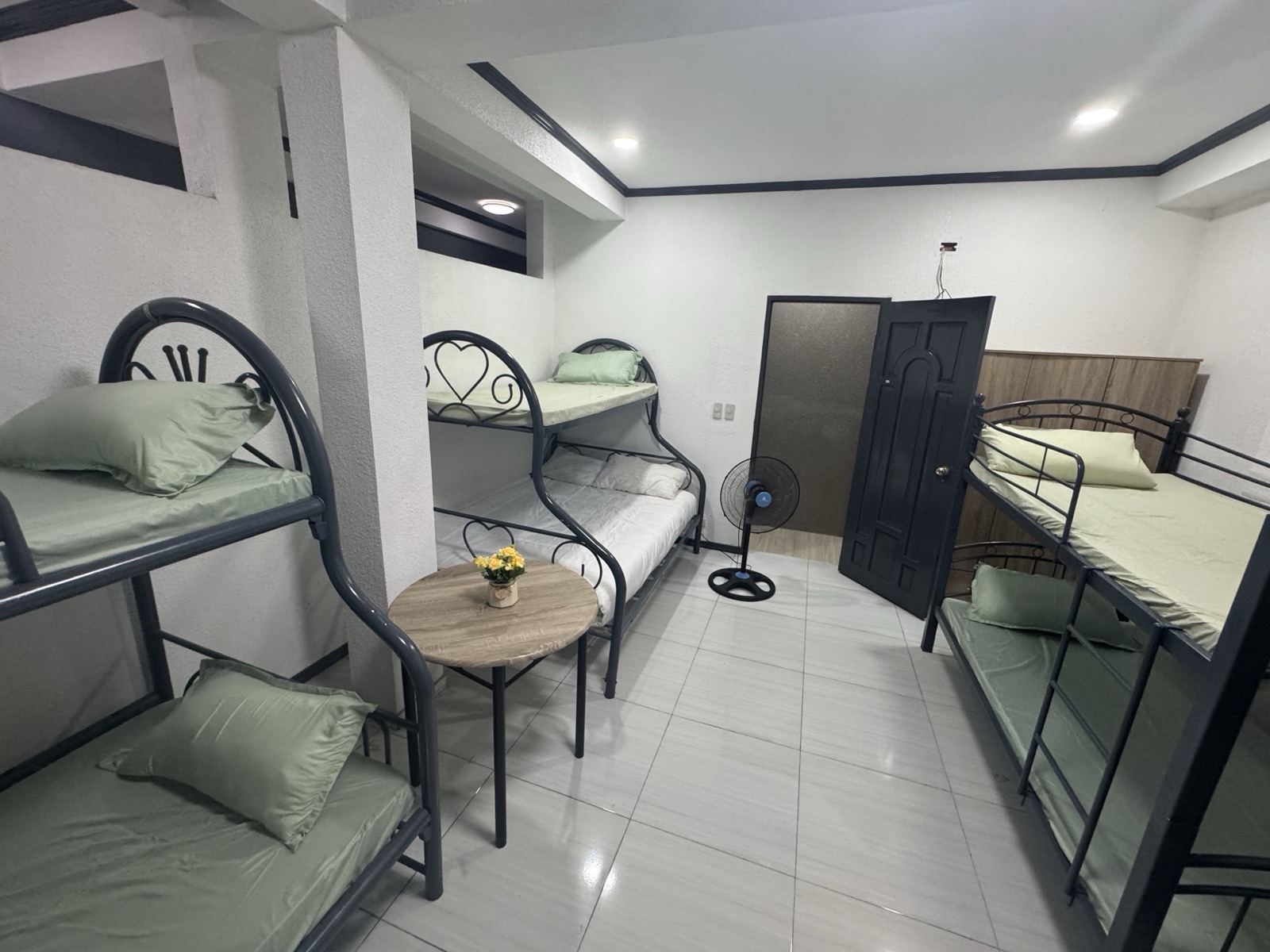
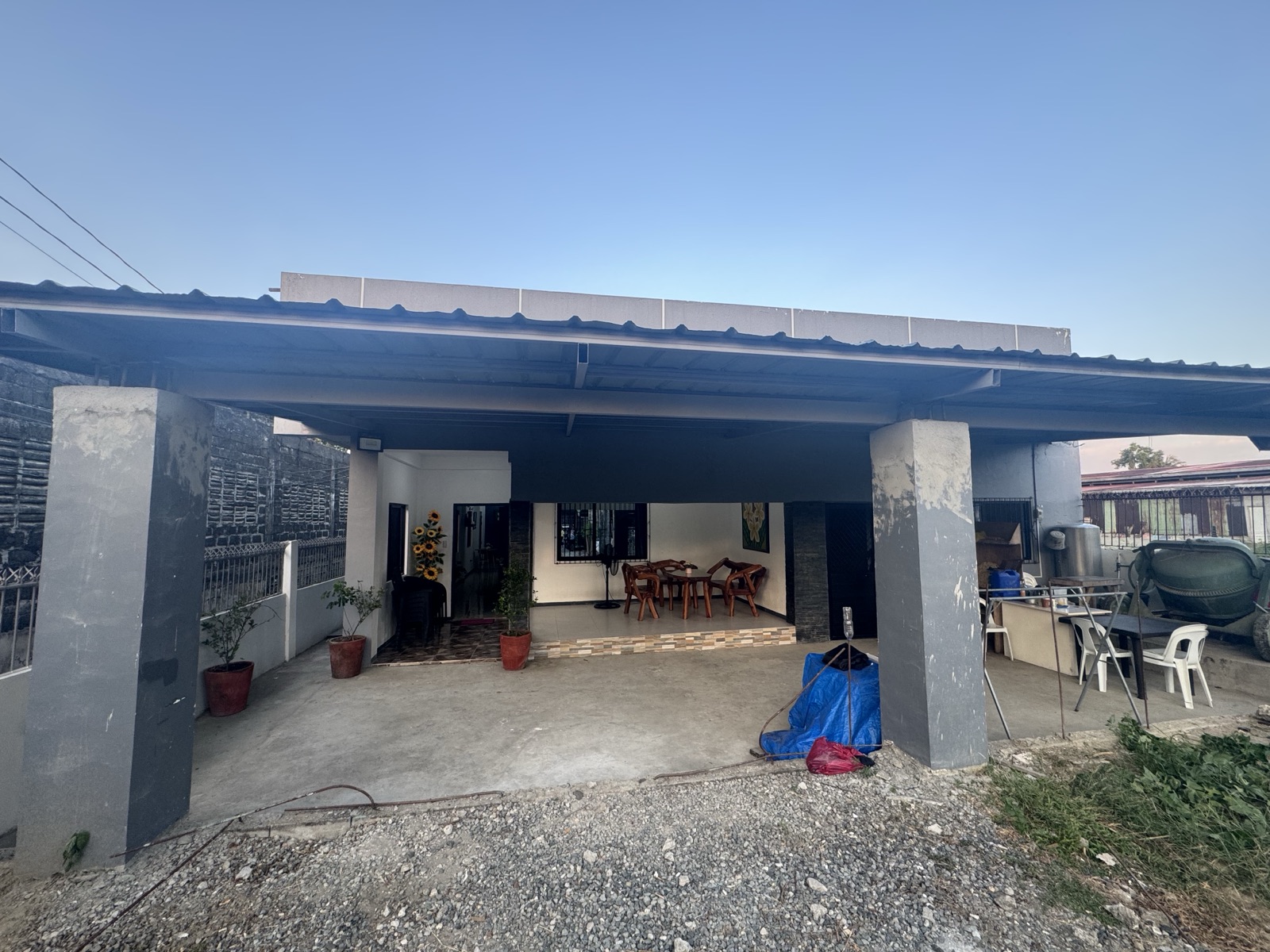
Completion is expected around July, and we could see the potential opening up for more varied stays — parent-and-child trips, pairs, groups of friends, and more.
The Hokkaido Study-Abroad Programme is designed to welcome not only students, but also parents travelling with their children, friends going together, couples, and adults at any stage of life — professionals looking to develop themselves, or those in their senior years who have always wanted to experience life abroad. A wider range of accommodation options means a wider range of people can say yes to the experience.
Back at the dormitory for dinner — and a visit from Cookie the mascot dog
In the evening, we returned to the dormitory for dinner.
As on every other evening, the table was full of warm Filipino food — after a day of so much walking, it was exactly what was needed.
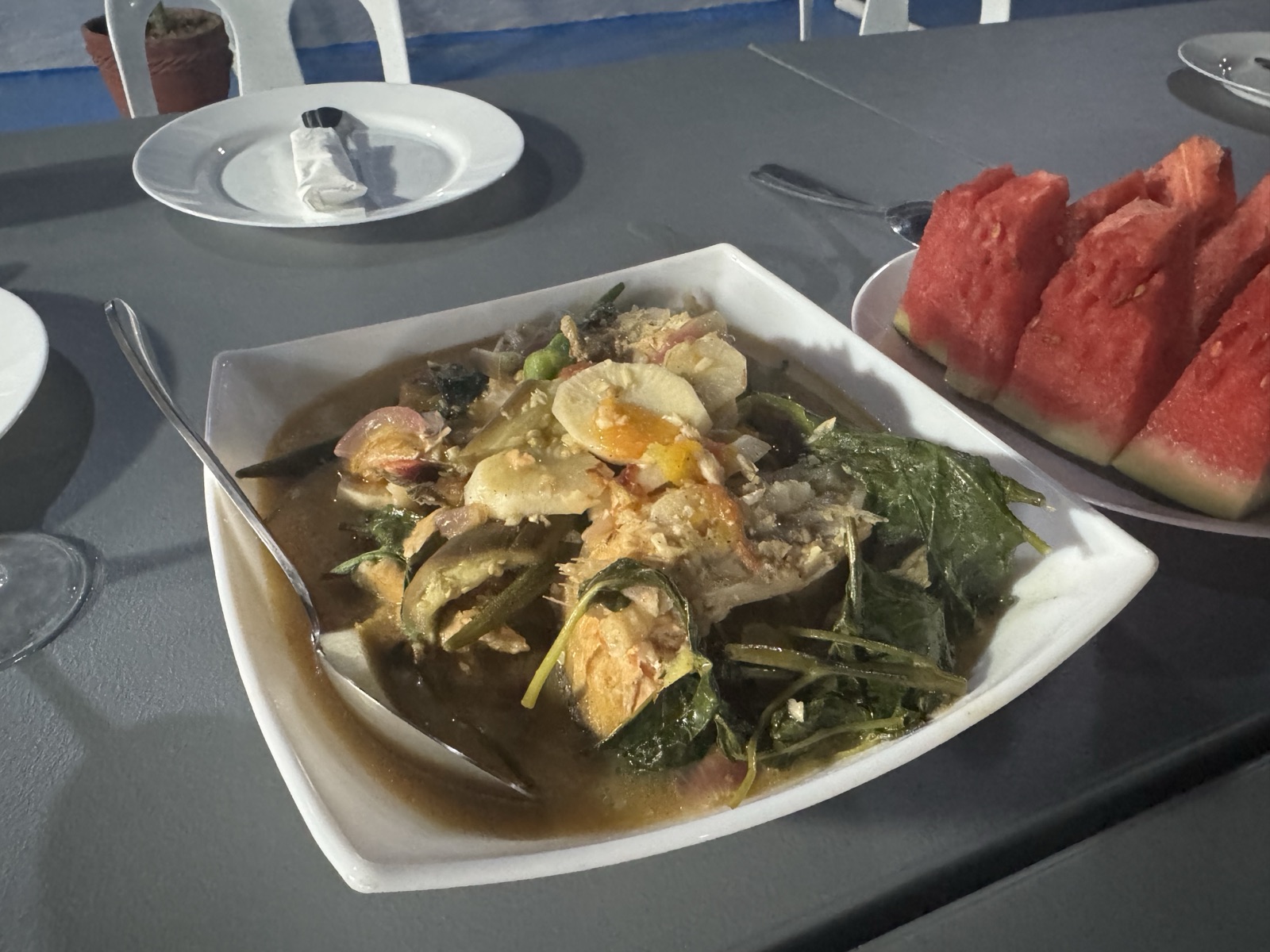
And then, as if on cue, Cookie the school's mascot dog made an appearance.

Cookie seemed very keen to join in with the Filipino food, but we gently held the line on that one. The sight of her being so hopeful made everyone smile without quite meaning to.
What a school and a dormitory feel like cannot be conveyed through facilities alone. The people there, the animals, the meal times, the small unremarkable conversations — each of these things is part of what makes a place feel safe and welcoming during a stay. Today reinforced that more than anything.
What Day 3 left us thinking
Day 3 was a day for getting to know the neighbourhood around the school and the city of Lingayen itself.
The morning beach. A first ride on a tricycle. The full weight of the Philippine summer sun. A coin launderette and a café within walking distance. The Banan Museum and its local history. A stop at the town hall. The new dormitory wing taking shape. And a warm dinner back at the dormitory in the evening.
What the day brought home to us was this: Lingayen is not only a place to study. It is a place to experience what it means to actually live somewhere.
On a short-term study-abroad trip, it is not just the classroom hours that matter. The morning walk, the meals, the shopping, getting around town, the chance encounters with local people — all of it is part of the learning.
From Hokkaido to the Philippines. The climate is different, the streets are different, the food is different, the way people get around is different — all of it.
And that is precisely where the surprises come from. The discoveries. The feeling that your world has, just quietly, grown a little larger.
The study-abroad programme we are building is not simply a plan for studying English. It is a way for people from Hokkaido to step outside — supported, safe, and looked after — to breathe different air, to encounter a different culture, and to take a new step forward.
Editor's note
The thing that stayed with us most from Day 3 was the sheer intensity of the Philippine sun. Standing on that beach in the morning and thinking, "this is genuinely hot" — it made very clear to us that sun protection is something we need to communicate properly to everyone who comes. (Apparently March to May is the hottest period of the year. But even that is part of the experience.)
At the same time, riding a tricycle, finding a local café, and learning about history in a museum — these were the kinds of moments that are only possible because you are actually there.
Not just tourism, but a small step inside everyday life. Not just English, but learning from a city, its people, its culture.
That is what we believe makes this Philippines short-term language study-abroad trip worth doing.
In Day 4, we will bring you more of what the learning environment looks like from the inside — the lessons, the facilities, and the life of the school.
See you again in Day 4.