


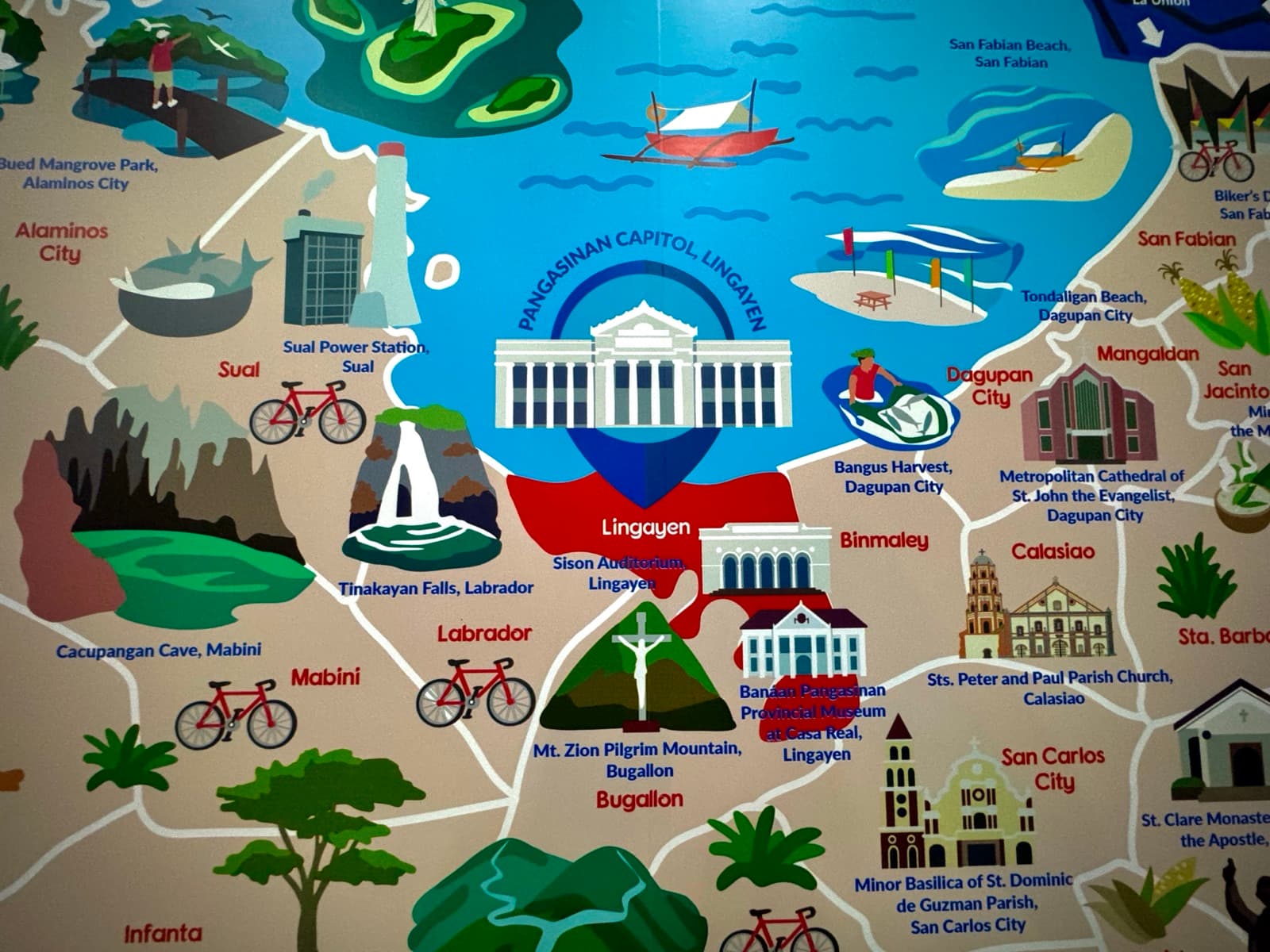
Hello, and welcome back. This is Day 2 of our Site Visit Diary, following our team's site visit to short-term language schools in the Philippines.
On Day 1, we travelled from Asabu in Sapporo to New Chitose Airport, flew with Cebu Pacific, and arrived in the Philippines late in the evening. Too late to push on anywhere, we checked into a hotel near the airport for the night.
Day 2 was the day we finally set off for Lingayen — the town where Parrots-kun Language School is based.
"A travel day" might sound like nothing more than sitting in a car and watching the kilometres tick by. In practice it was anything but. Meeting the school staff face to face for the very first time. Filipino food. Roadside scenery. A rest-stop browse. A night market by the sea. A warm welcome dinner back at the dormitory. Day 2 was full to the brim.
Meeting the school staff — our first time in person
The first thing on the agenda was meeting the staff from the language school.
We had been in contact with them many times online, working together to shape the study-abroad programme. But this was the first time we had ever stood in the same room.
We had arranged to meet near the airport, and when their van pulled up and we saw the smiles on their faces, something clicked — "this is it, the site visit has really begun." It was that kind of moment.
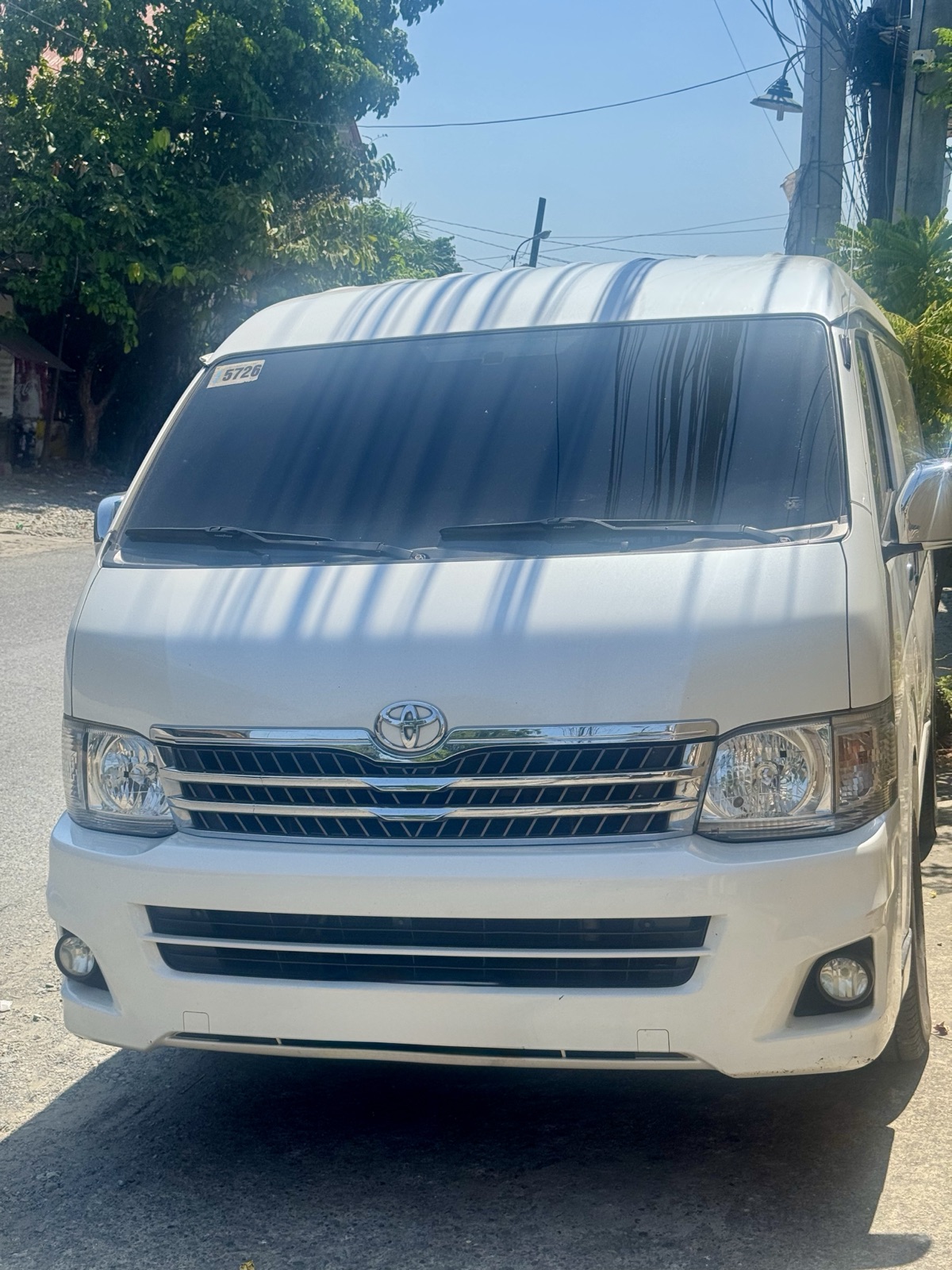
There is something that happens when a relationship built online finally acquires a physical presence — a warmth that no number of messages can quite replicate. We felt it immediately.
What we care about is not simply pointing people towards "a place to study English." It matters deeply to us who will be there to welcome the students who travel from Hokkaido. The warmth of the reception, the sense of security it gives — confirming that with our own eyes was one of the most important purposes of this visit.
Breakfast: doughnuts at the J.COOL café in the Asia Mall
After meeting up with the staff, we headed over to the Asia Mall, where we had breakfast at the "J.COOL" café — a plate of doughnuts and something to drink.
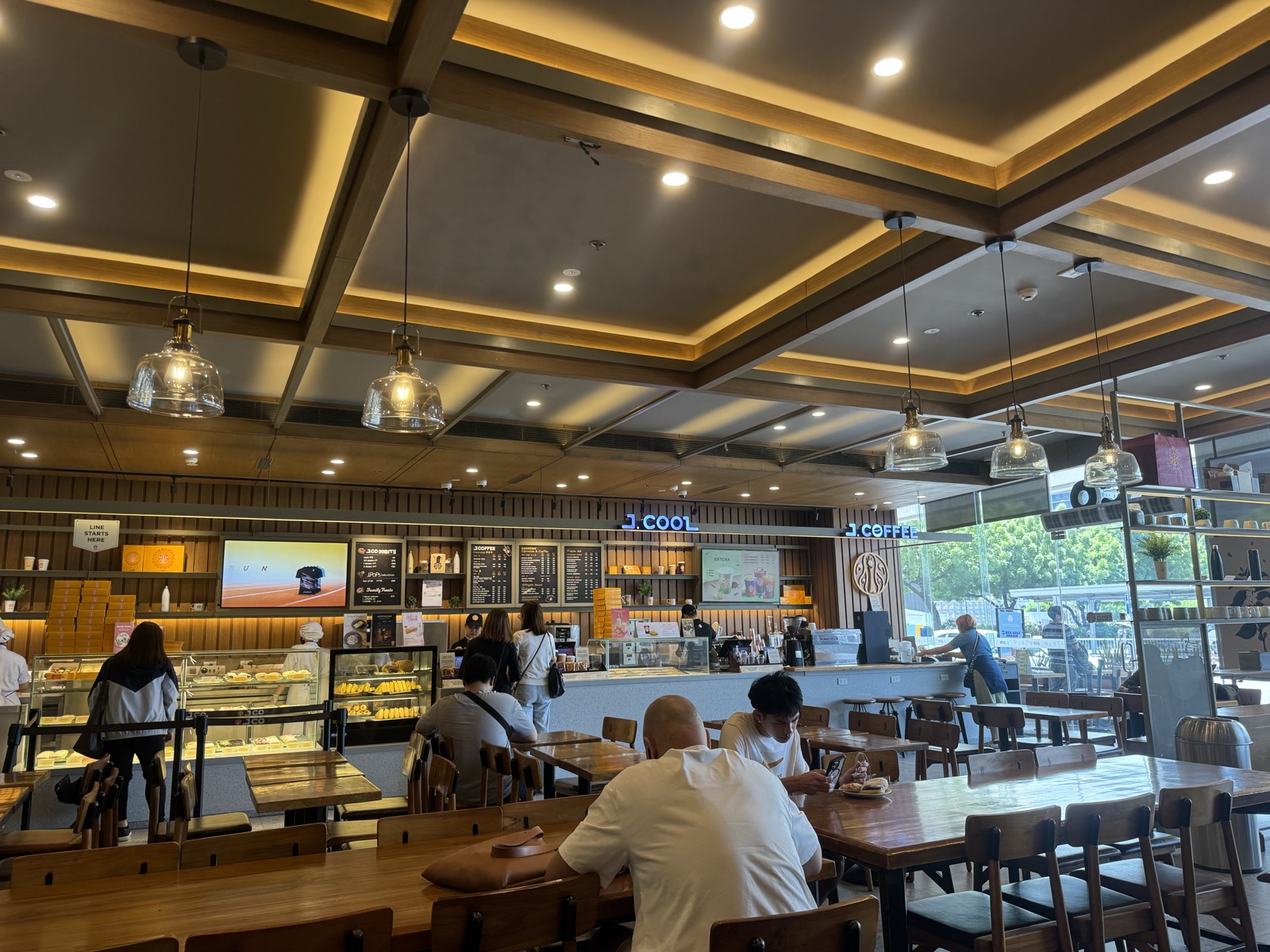
Philippine cafés have a brightness and a buzz to them, yet somehow stay unhurried at the same time. For us, just arrived and still finding our feet, sitting down with a sweet doughnut and a cool drink was a genuine relief.
When you are somewhere new for the first time, even an ordinary breakfast becomes an experience. How you navigate the menu, the atmosphere of the room, the way the staff interact with customers, the pace of the other people around you — each small detail is the beginning of a cross-cultural encounter.
Lunch: a proper introduction to traditional Filipino cooking
After breakfast we moved to a different restaurant for an early lunch.
We were treated to three classic Filipino dishes: Chicken Sisig, Kare-Kare, and Halo-Halo.
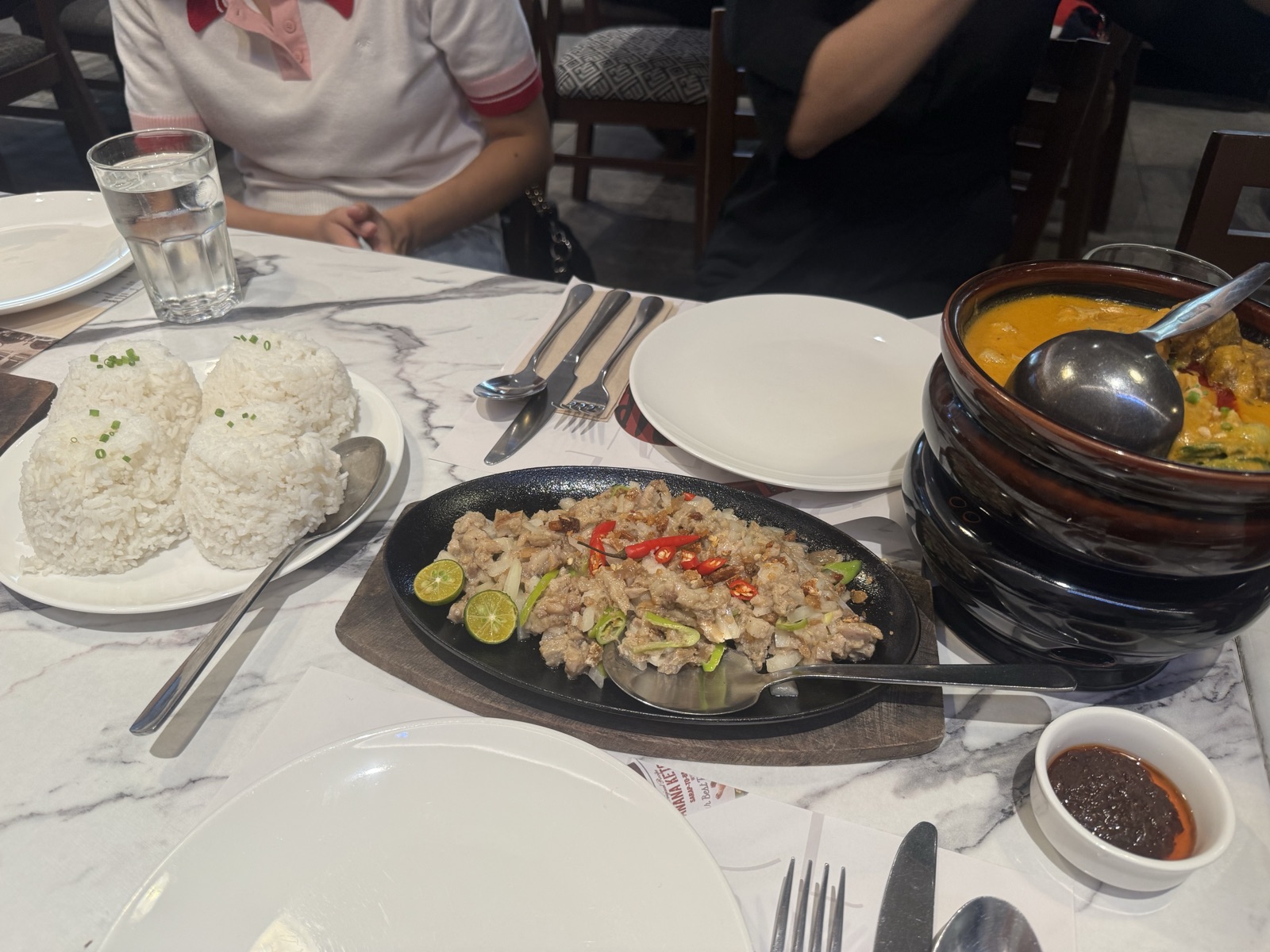
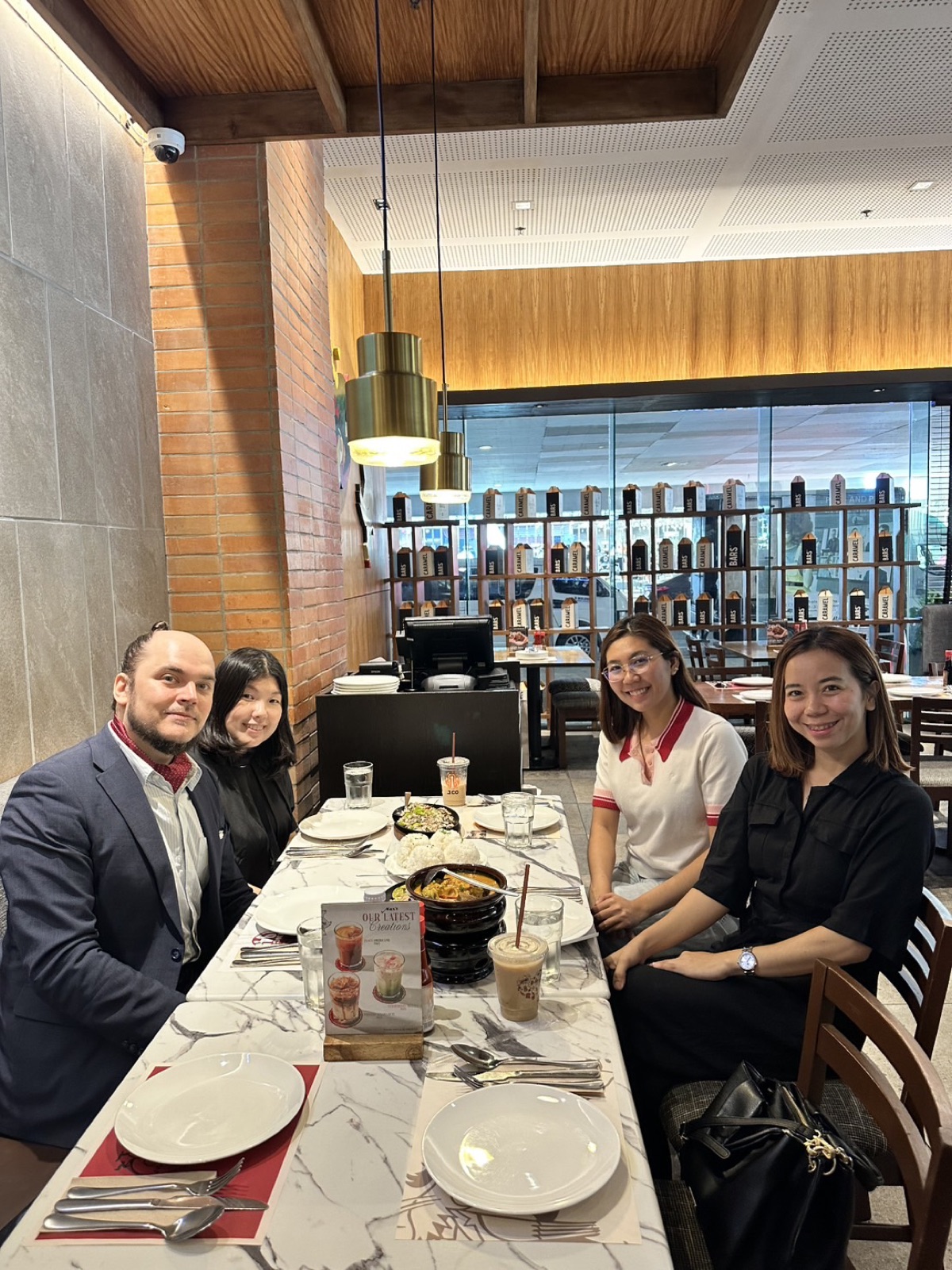
Chicken Sisig is finely chopped meat cooked on a sizzling iron plate until lightly charred — a perfect match for rice. Kare-Kare is a rich, peanut-based braise, with a mellow depth of flavour that is hard to come by in Japan. And for dessert, the Philippines' most iconic sweet: Halo-Halo, a vivid, colourful jumble of ingredients that captures everything tropical about the country in a single glass.
Sharing a meal with the people who live there does something that words alone cannot — it closes the distance between you. The staff explained each dish, suggested how to eat it, and generally made us feel looked after at every turn.
Lunch done — time for the long drive to Lingayen
After lunch, we climbed into the dedicated van and headed for Lingayen.
From the Manila area, Lingayen is roughly five hours by road. That might sound like a lot written down, but once you are actually in the car, the scenery rolling past the window keeps you genuinely interested — the time went faster than we expected.
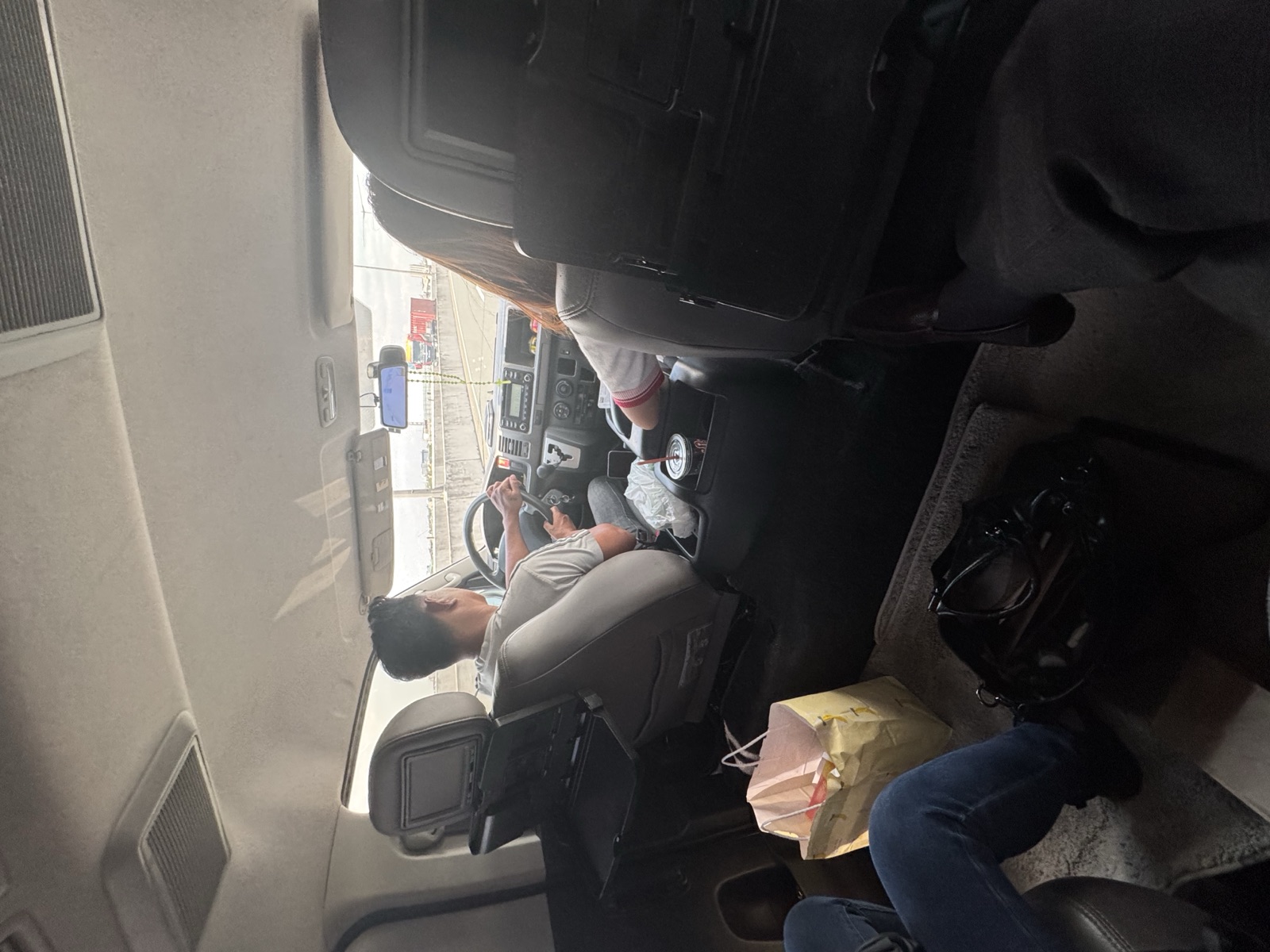
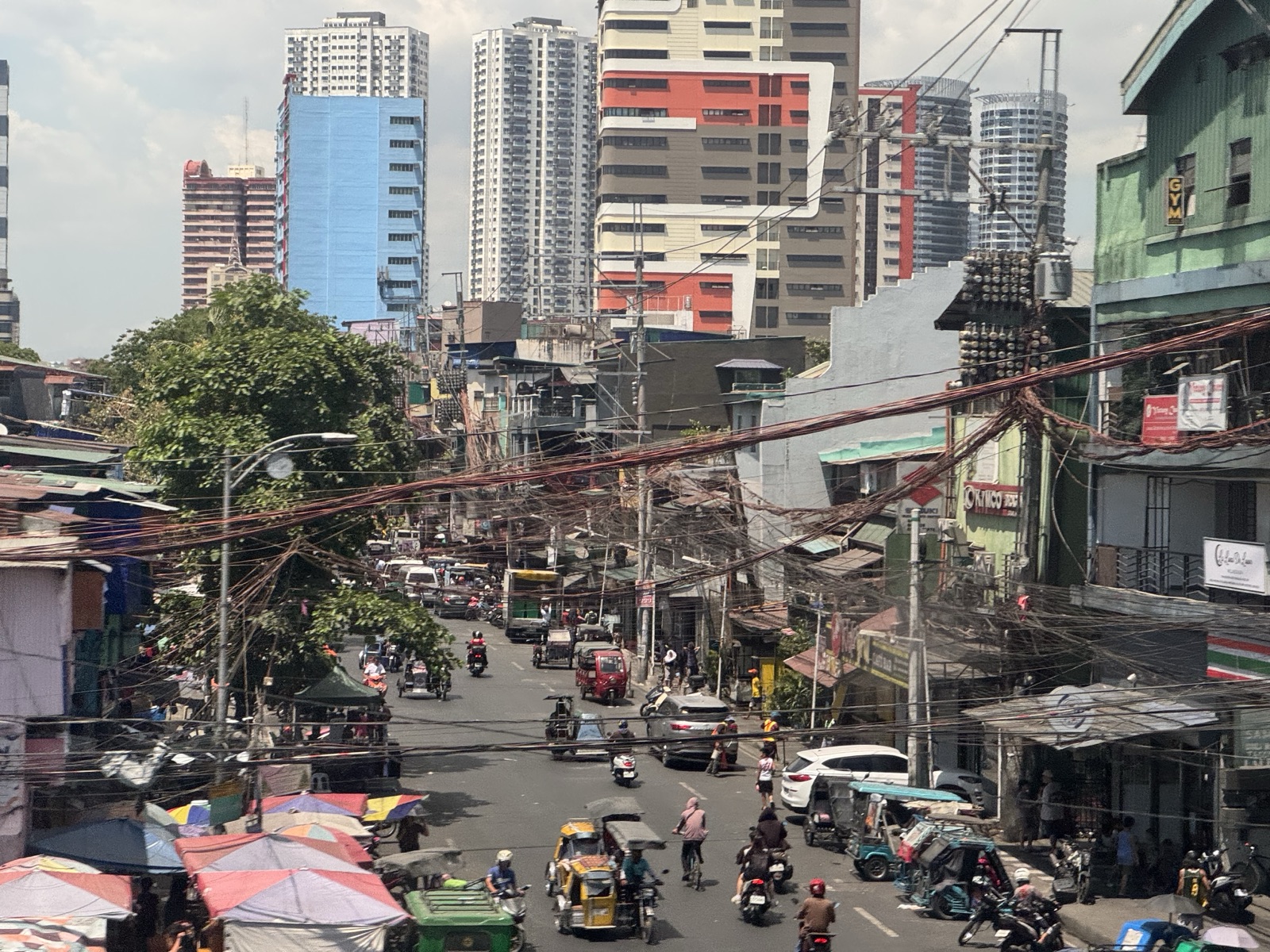
Along the roadsides: local shops, brightly painted signs, motorbikes and tricycles weaving in and out, everyday street life in full flow. None of it looks anything like Hokkaido, and just gazing out of the window never got boring.
We are also planning to put together a video of the roadside scenery from this journey, so that people can get a sense of the atmosphere that still photographs can't quite convey. We hope you'll look forward to it.
Rest stops are part of the journey — toilet breaks and snacks included
If you hear "five-hour drive" and immediately start worrying about toilet facilities and rest breaks, we hear you.
On this journey, the staff pulled over at a rest stop roughly every ninety minutes. There was time to use the facilities, pick up a drink, or grab a light snack — more than enough to make the long haul comfortable.
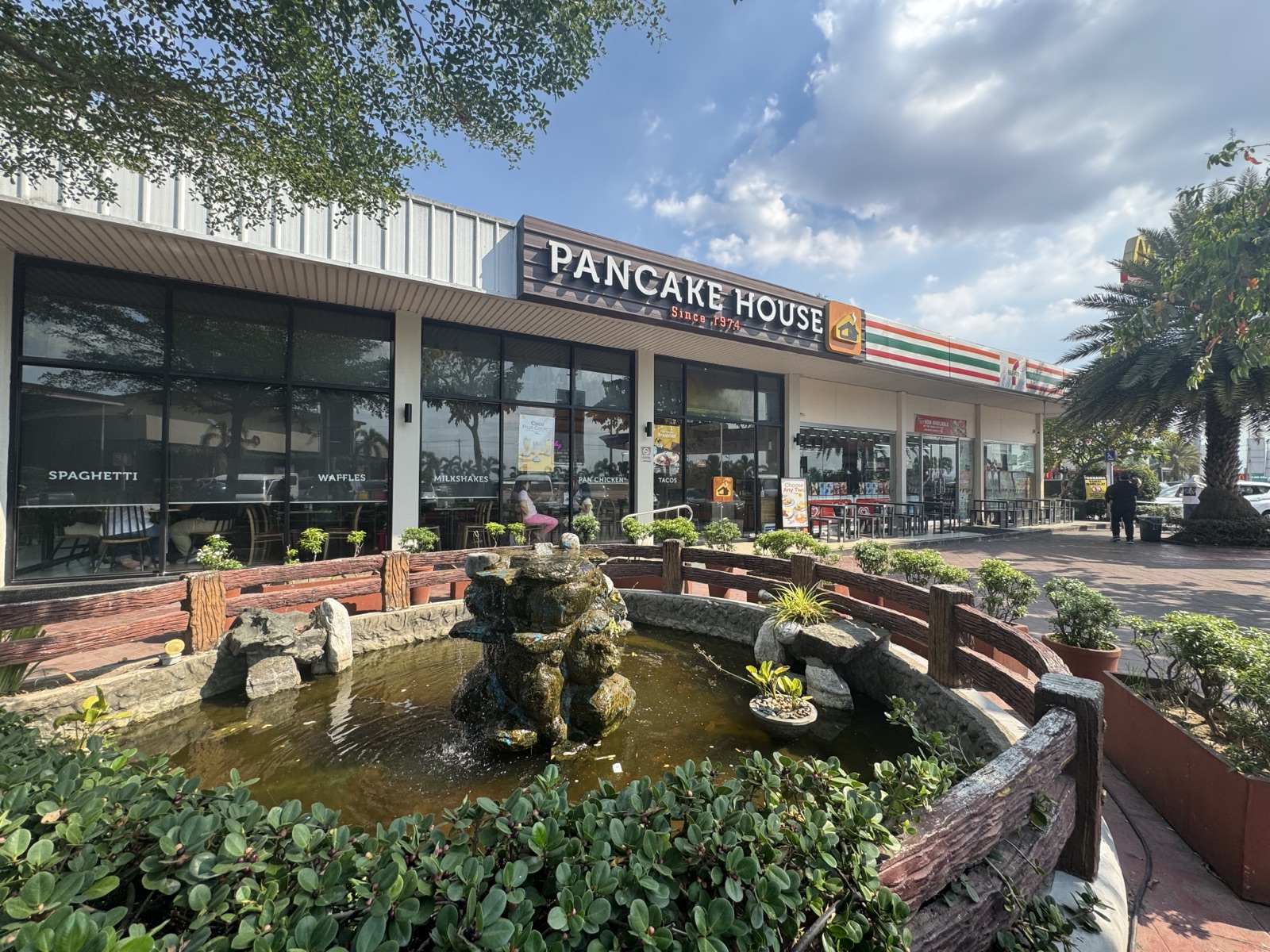
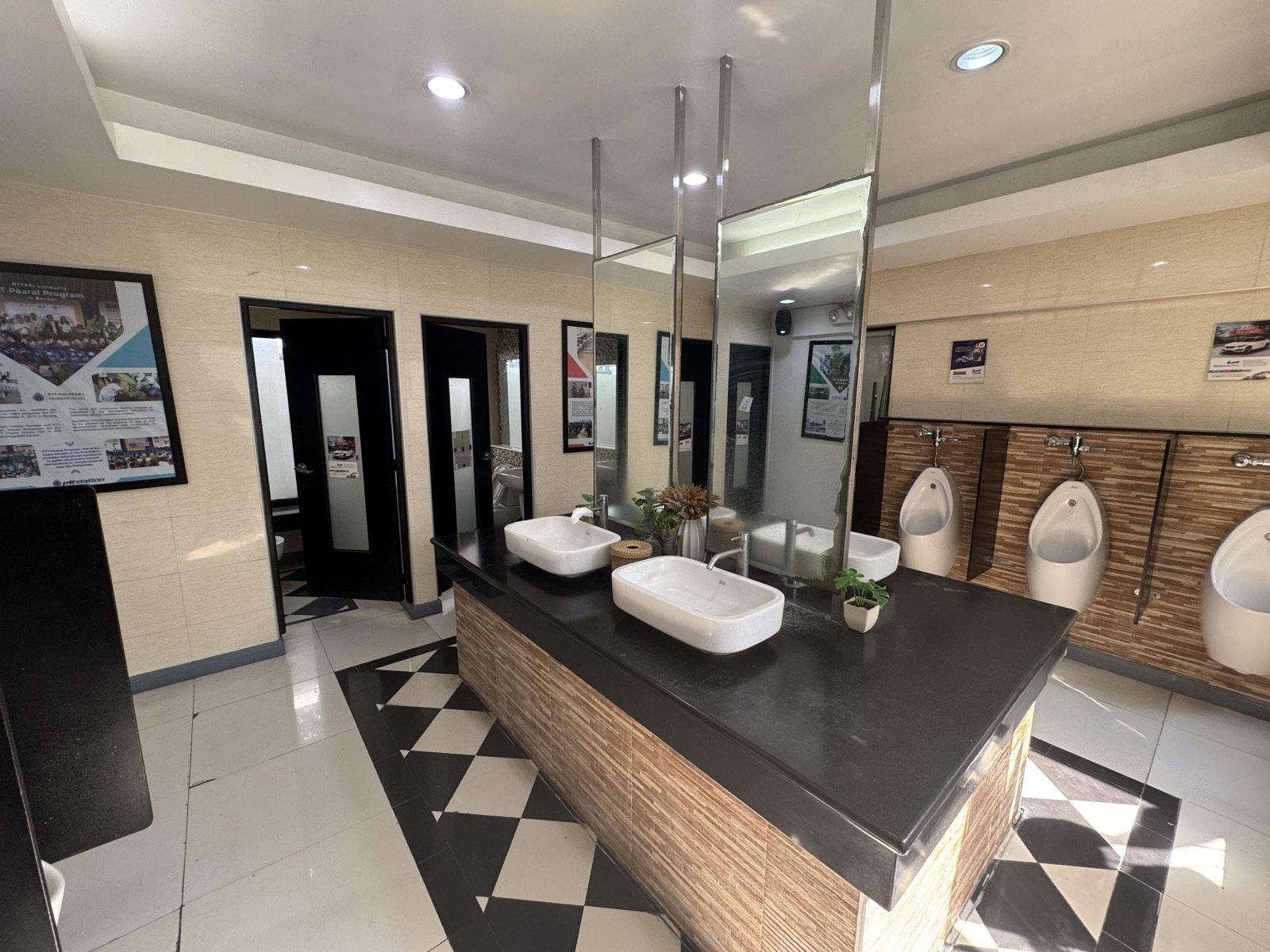
One thing that genuinely impressed us: the toilets at the rest stops were far cleaner than we had anticipated. For anyone who feels uncertain about travelling abroad, information like that actually matters.
Browsing the local snacks and drinks on the shelves was a small pleasure in itself. "What on earth is that?" and "I wonder what it tastes like?" — those tiny sparks of curiosity are exactly what make a long journey feel like part of the adventure.
Late afternoon: we arrive at Parrots-kun Language School in Lingayen
After about five hours on the road, as the sun was beginning to set, we finally pulled into the grounds of Parrots-kun Language School in Lingayen.
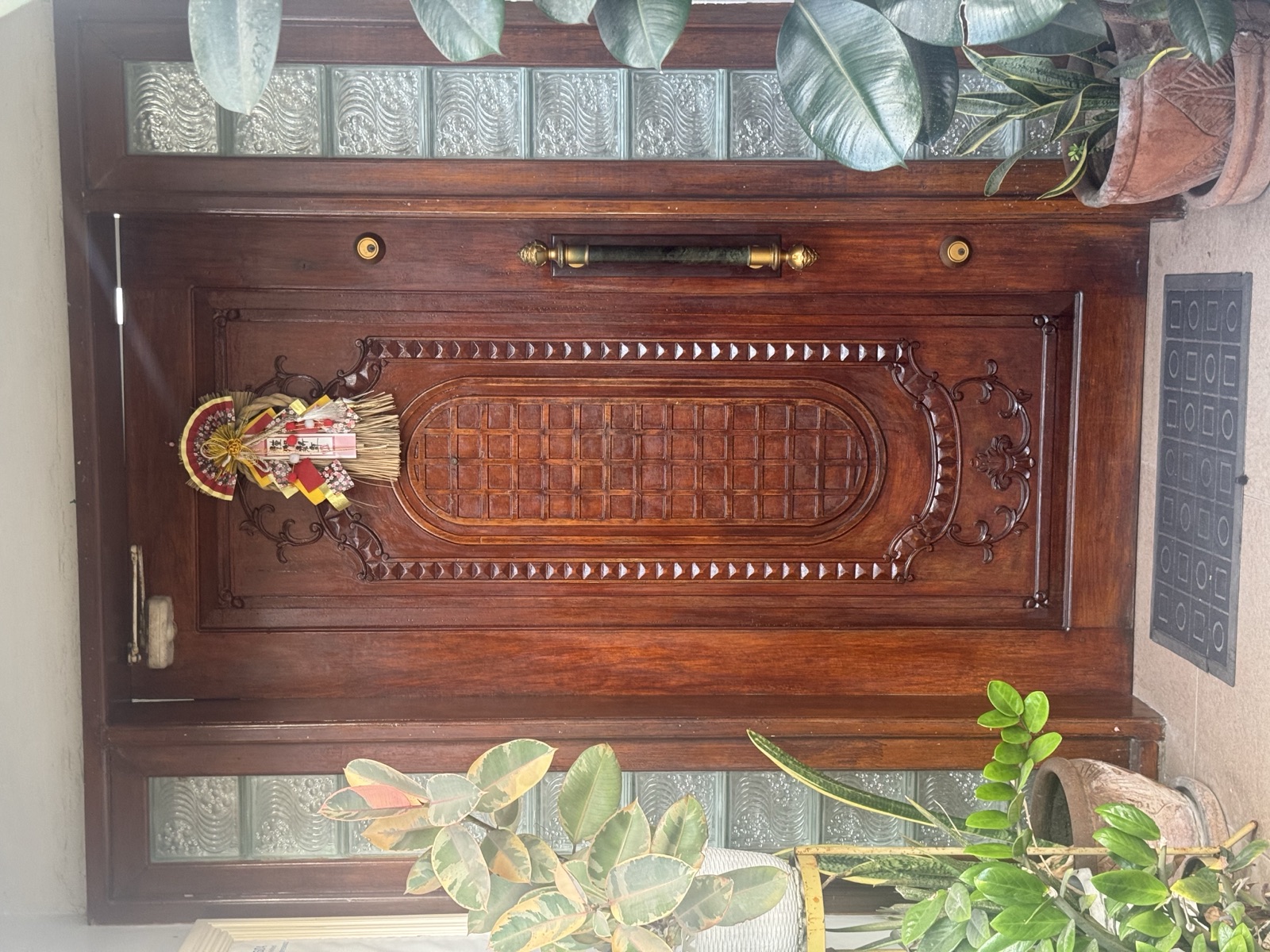
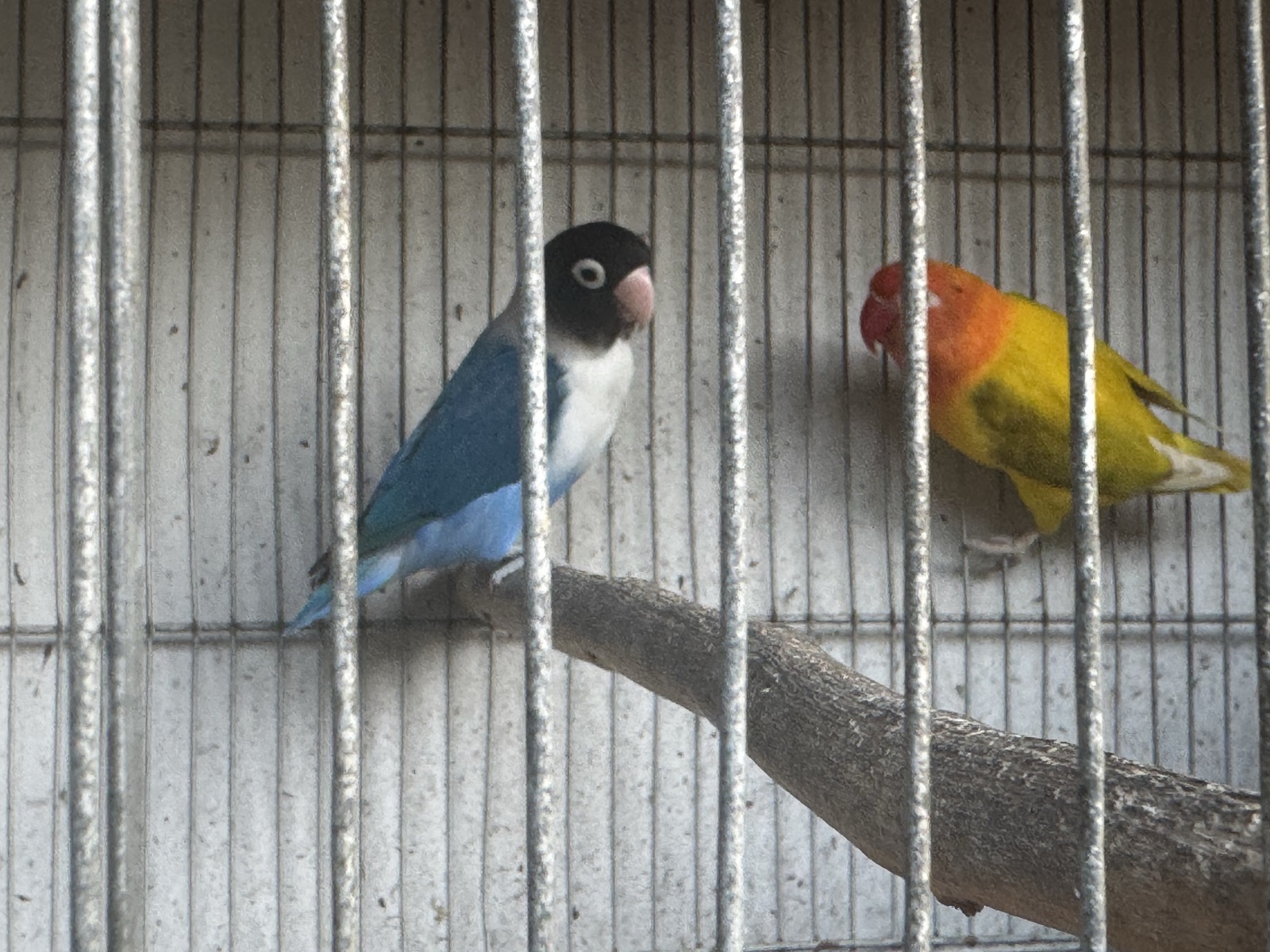
The first surprise: hanging above the front entrance was a Japanese shime-kazari — a traditional New Year decoration. The last thing we had expected to find at a Filipino language school was a piece of Japanese heritage. We were genuinely taken aback.
Then, two parrot mascot characters came out to greet us — exactly in the spirit of the school's name, Parrots-kun, and instantly charming.
After a long day in transit, being welcomed like that melts the tension away. "Even for a first-time trip abroad, you could feel at ease here" — that was our first impression, and it stuck.
A tour of the school — and local children in class
After arriving, the staff showed us around the building.
As we moved through the classrooms and shared spaces, we came across local children in the middle of a face-to-face lesson.
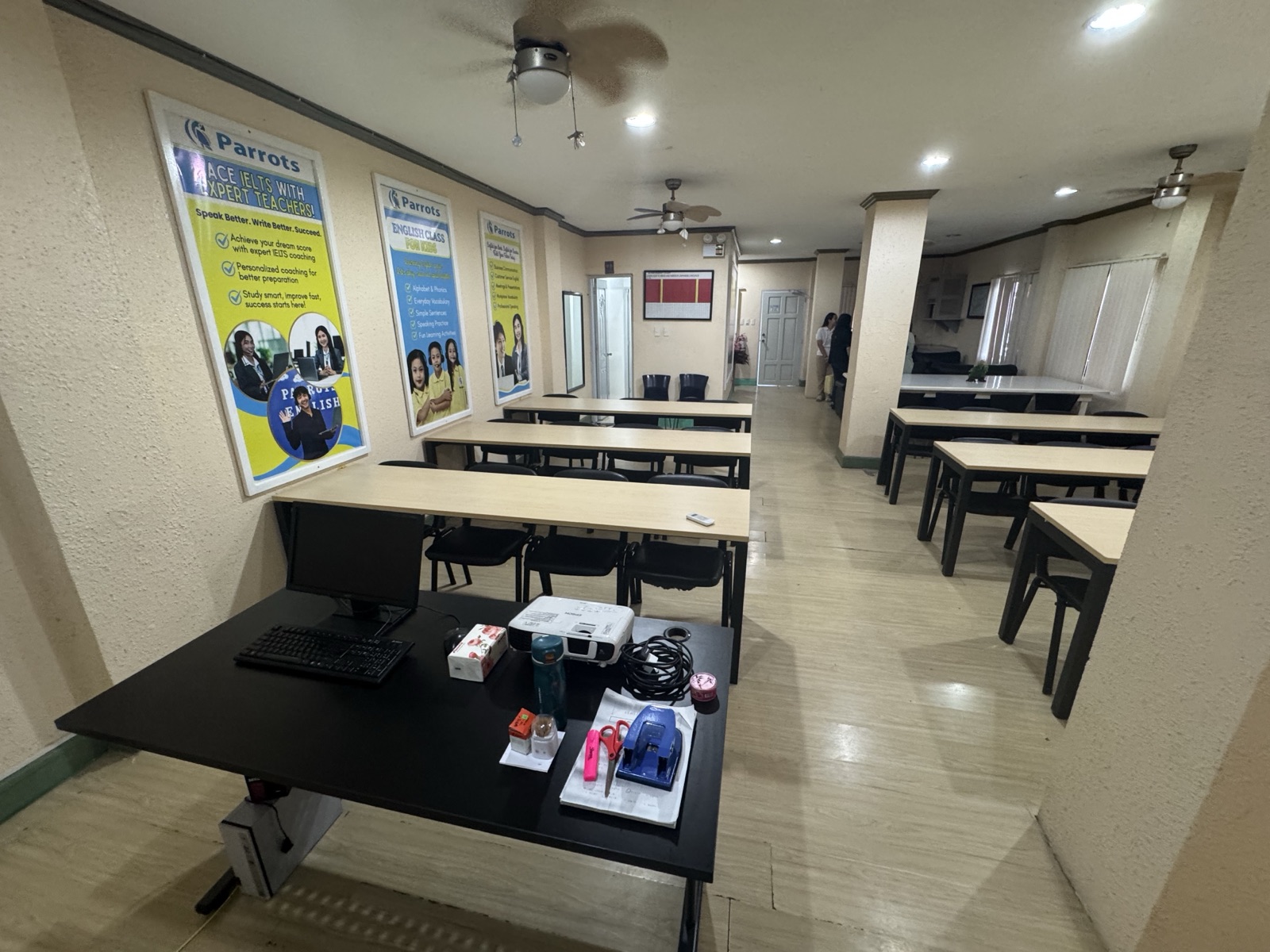
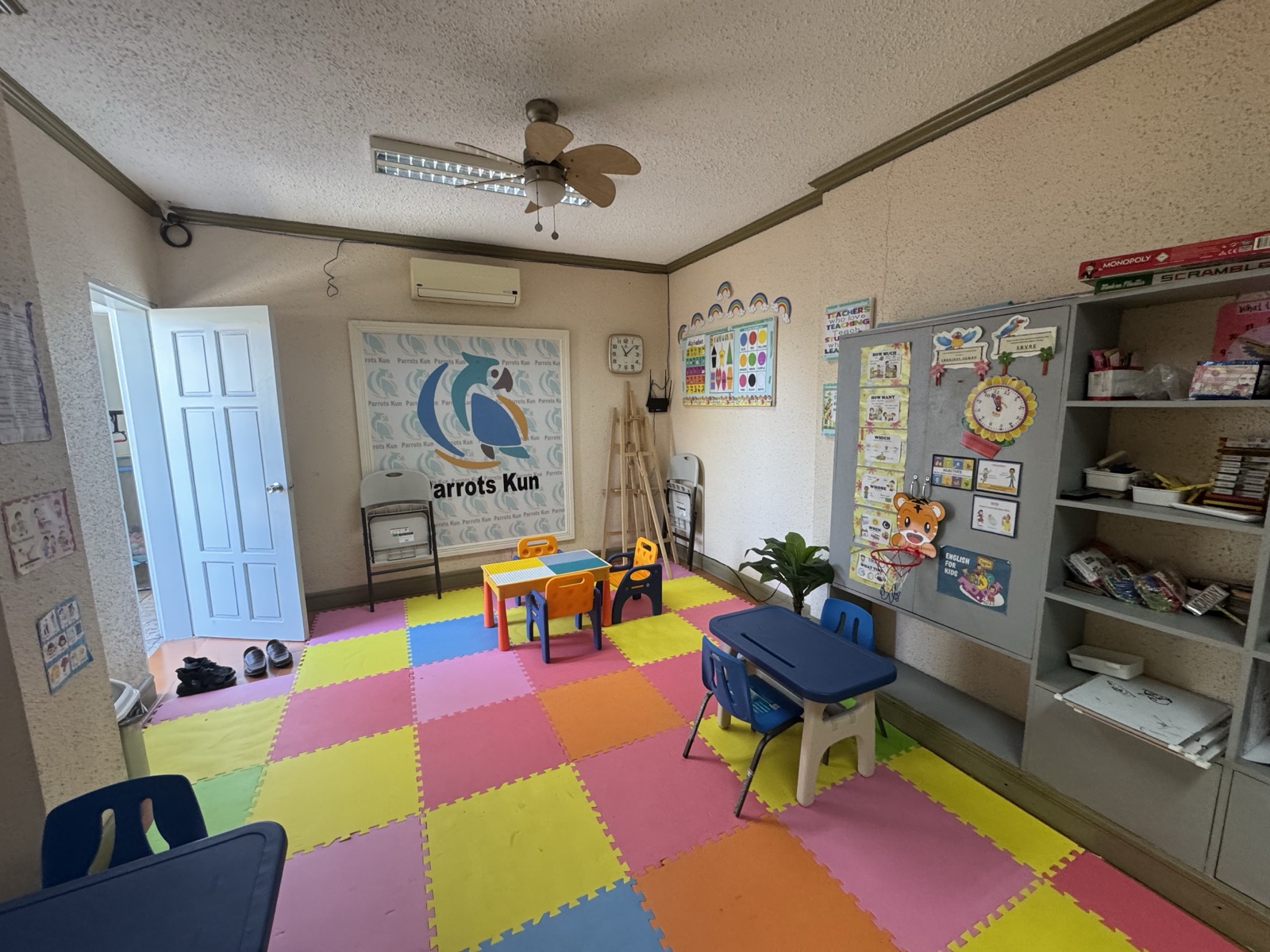
Seeing a lesson in progress tells you more about a school's character than any brochure can. The teachers sat close to the children; the atmosphere was bright and unhurried.
A short-term study-abroad programme is not just about the curriculum. It is about the feel of the place — how close teachers are, how easy it is to ask for help when you need it. Those less visible qualities, the ones that give you a sense of security, were things we could check in person here.
Evening: a stroll through the night market by the sea
Once the heat of the day had eased a little, the staff took us out to the night market.
About ten minutes by car from the school. The market is right on the seafront and open every night from six to ten in the evening.
The vibe was relaxed — busy enough to feel lively, like a tourist strip, but calm enough to wander at your own pace. It was a lovely spot.
At one of the stalls we picked up some Pork Lechon. Freshly made, crackling on the outside and fragrant all the way through — it was the kind of food that makes you smile without thinking.
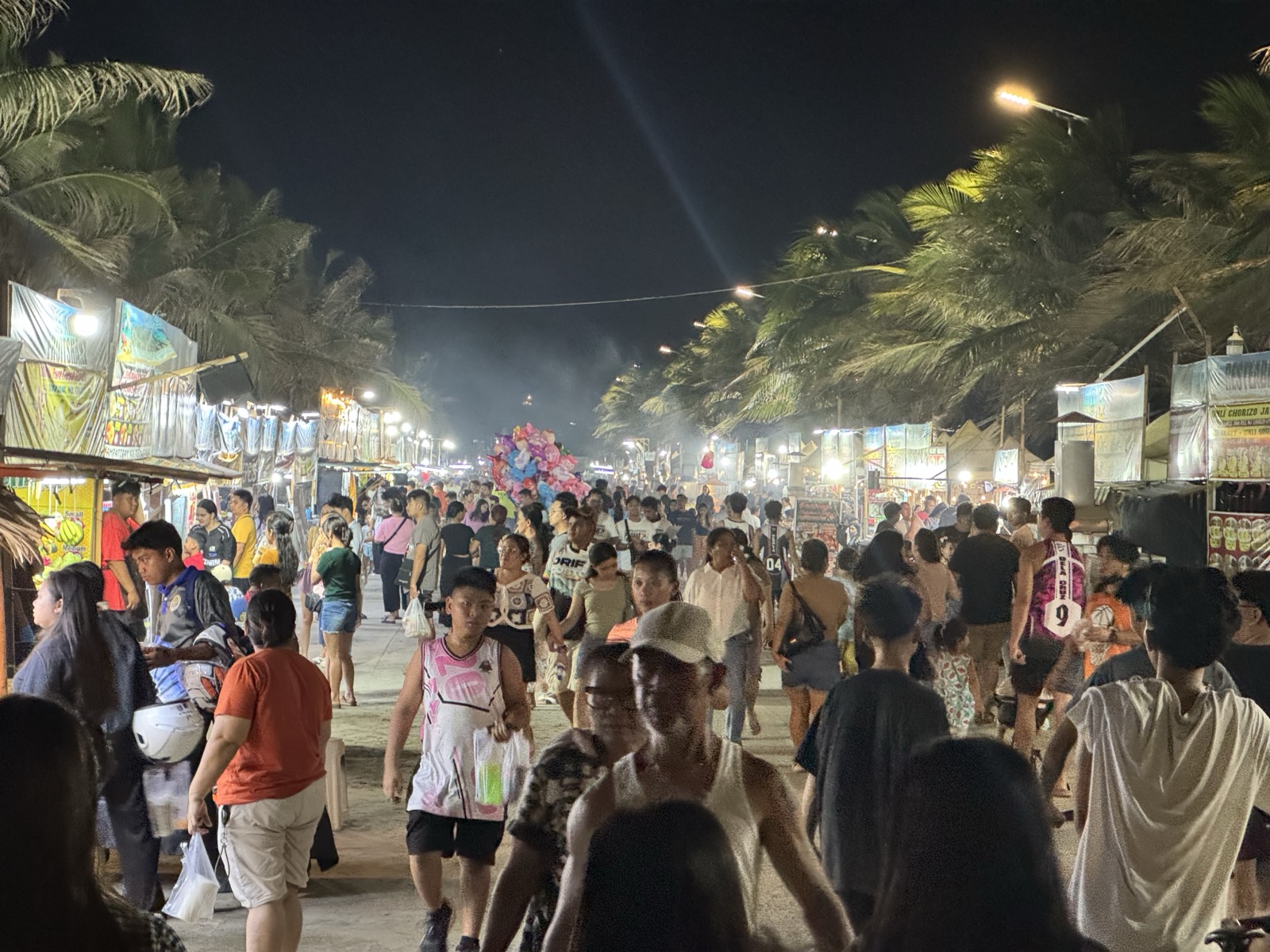
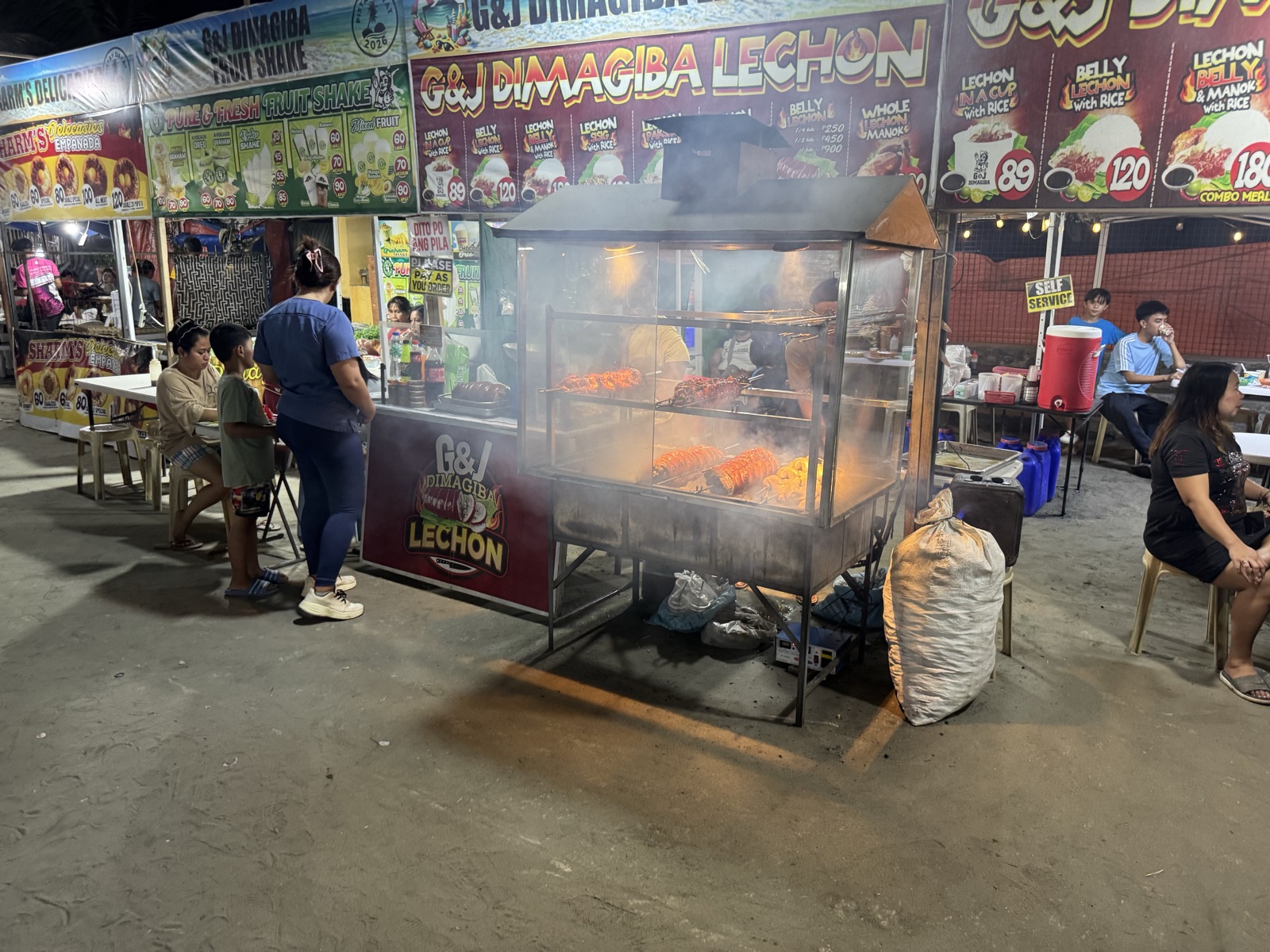
One of the great draws of a short-term study-abroad stay is exactly this — getting close to everyday local life, not just sitting in classrooms. Knowing there is somewhere easy to visit nearby is something students will genuinely appreciate during their stay.
Back to the dormitory for a warm rooftop dinner
After the night market, we returned to the student dormitory for dinner.
Every dish was delicious. After the long day of driving, it felt like the fatigue lifted with every bite.
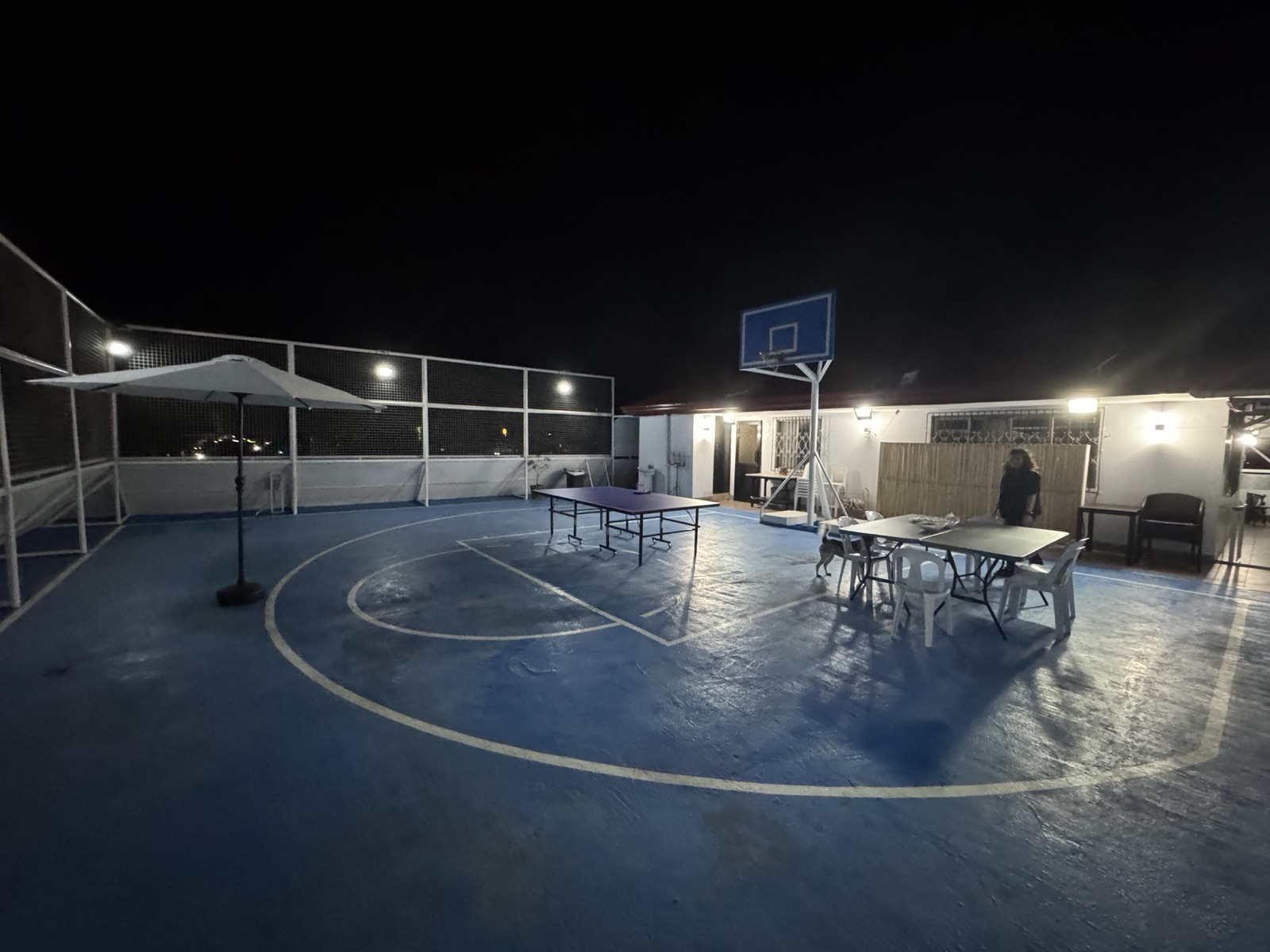
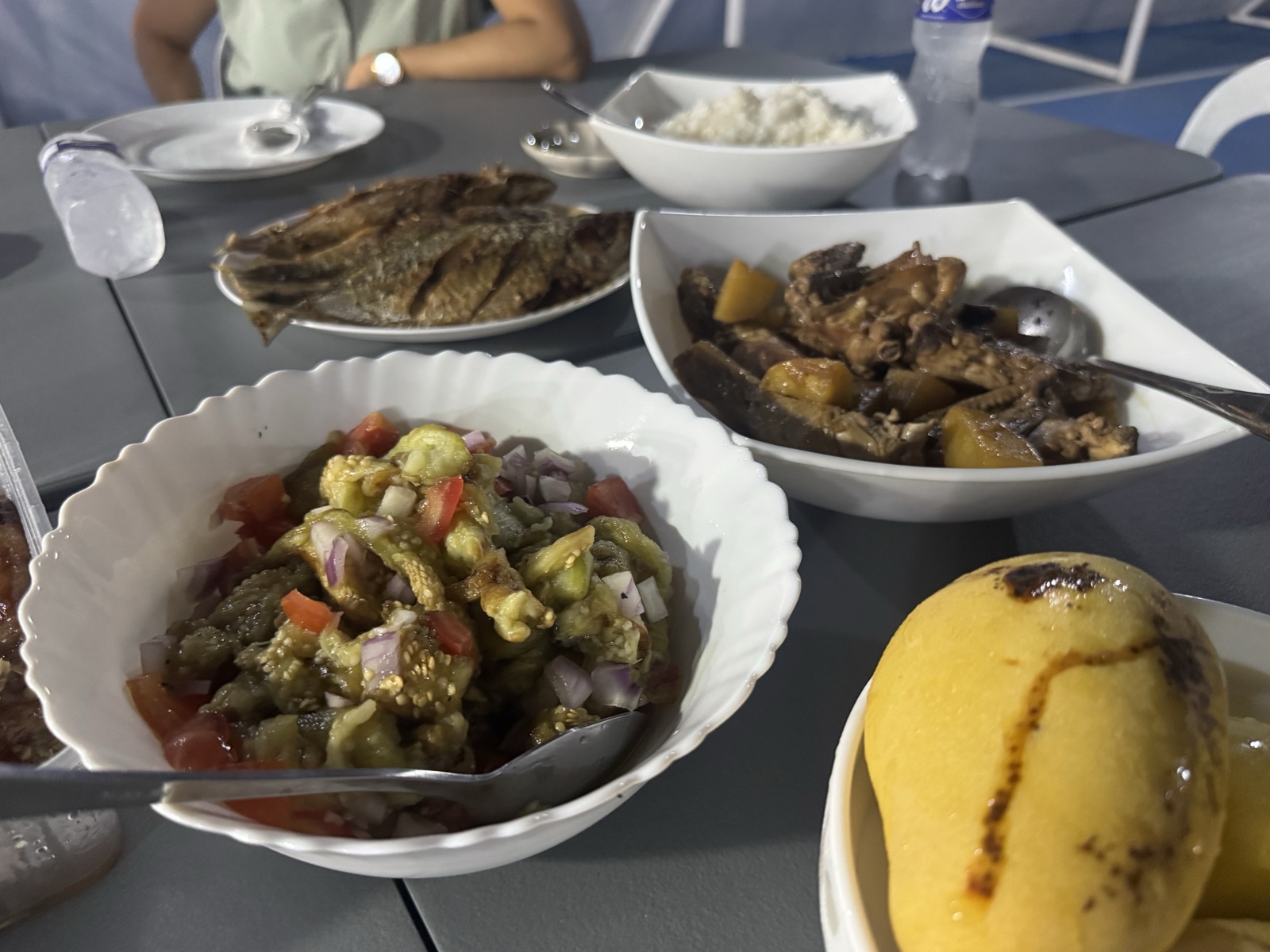
The standout moment was the mango. In season, perfectly sweet, wonderfully juicy — genuinely the best mango any of us had tasted. We ended up asking for seconds more than once during the stay.
The welcome reception for students will follow the same format — dinner up here on the roof, the evening breeze coming in, eating together with the school staff and teachers. We think it will be a memory that stays with people.
This was not just a meal. It was a "welcome to the Philippines" — warm, unhurried, and entirely sincere.
A clean, homely dormitory for a good night's sleep
After a day packed with experiences, we headed to our rooms in the student dormitory.
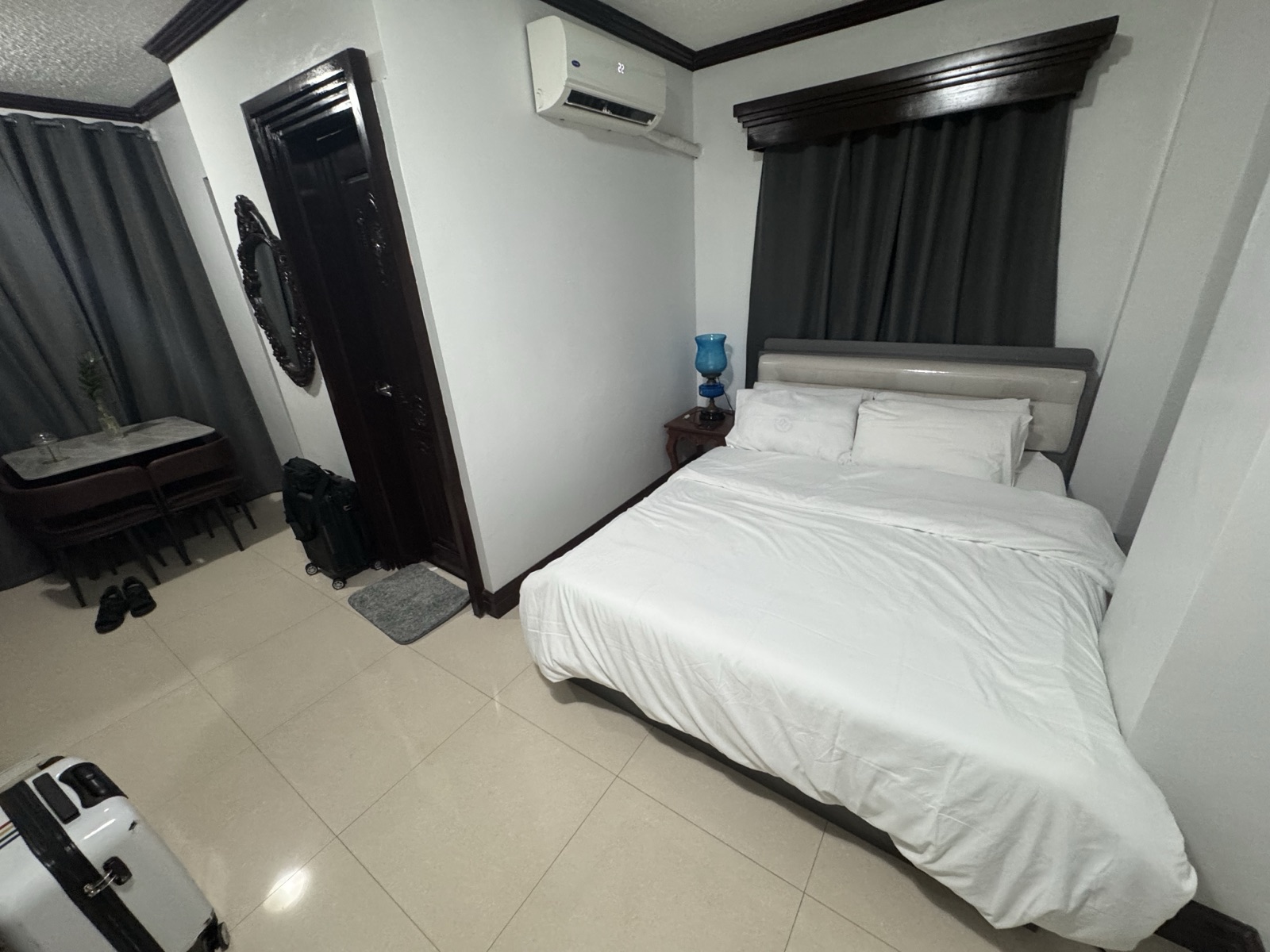
The dormitory was clean and had a homely, comfortable feel. We had covered a lot of ground — a long drive, a school tour, a night market, a rooftop dinner — but having somewhere calm and welcoming to come back to at the end of it all matters enormously.
For anyone on their first trip overseas, the living environment can be just as much a source of anxiety as the learning environment. That is exactly why staying there ourselves, eating there, resting there, gives us the firsthand knowledge to reassure future participants with real confidence.
What Day 2 taught us
Day 2 was, on paper, a travel day — Manila to Lingayen.
In practice, it was nothing like a simple travel day.
Meeting the school staff in person for the first time. Tasting Filipino food together. Watching the Philippine streets scroll past the window. Browsing at a rest stop. Arriving at the school. A tour of the building. A night market by the sea. A warm rooftop dinner. And finally, a peaceful night's sleep in a clean, comfortable dormitory.
The single strongest impression from the whole day was the warmth of the local staff.
"Are you tired after the long drive?" "Is the food to your taste?" "Would you like to stop for a rest?" "Can we make sure you feel comfortable once we arrive?"
That kind of quiet, attentive care showed up in scene after scene.
Travelling from Hokkaido to the Philippines might feel like quite a leap, if you think only about the distance. But when you experience first-hand the warmth of the people waiting to greet you, and see the support systems they have in place, the apprehension starts — little by little — to turn into anticipation.
This study-abroad programme has been built with care, rooted in real relationships with the people on the ground, so that participants from Hokkaido can take that first step with confidence.
Editor's note
Day 2 was dense — travel, meals, arrival, a night market, a rooftop dinner — and every bit of it had something to offer.
What will stay with us longest is the moment we met the school staff face to face for the first time, and the dinner we shared up on the rooftop. Something that had existed only in online planning suddenly acquired human faces, food on a table, and the air of a real place. In that moment, the whole purpose of the site visit came into sharp focus.
"We want the students who study here to feel this warmth too." That is what the day left us thinking.
In Day 3, we'll take a proper look at the learning environment — the actual lessons, the facilities, and everything that makes Parrots-kun the school it is.
See you again in Day 3.