



Hello, everyone. I'm one of the study-abroad support team at JAPAN POLARIS.
When you start researching study-abroad programmes in Cebu, alongside all the appealing information you'll also come across accounts that leave you a little uneasy.
"The streets are so crowded with people and cars, it's unsettling." "Cliques have already formed, so it's hard to make friends." "Classes and homework are so demanding there's no free time." "The food doesn't agree with me." "Living abroad, I'm worried about safety and my health."
In fact, I saw plenty of the same kind of stories myself, a few years ago, back when studying in Cebu was first starting to attract attention.
I was interested. But I couldn't quite find the courage to go abroad on my own.
I still remember that feeling clearly, even now.
This time, we're going through the rumours we hear most often about studying in Cebu, one by one, from the position of having actually visited the schools ourselves.
Rather than listing only the good points, we'll be honest about what gives people pause too — and then show you what today's language schools are actually doing about it.
First, the short answer
Some of the rumours about studying in Cebu are, in part, true.
But Cebu has a great many schools, each different in location, size, character, class load and the age range of its students.
So one person's experience at one school can't simply be taken as "what Cebu is like as a whole".
What our site visits left us feeling was this: satisfaction with studying in Cebu isn't decided by the place itself so much as by whether you can find a school that suits you.
Rumour 1: "Is it crowded and chaotic, with too many people and cars?"
Answer: True in some places. But that doesn't mean the schools themselves feel unsettled.
Cebu isn't only a quiet resort surrounded by sea.
Areas like Cebu City and Mandaue City are packed with large shopping malls, restaurants, offices and housing. Depending on the time of day and the road, traffic can be heavy, and some visitors are surprised by a bustle quite different from what they know in Japan.
If it's your first visit to Southeast Asia especially, the volume of traffic, the honking horns and the crowds can feel a little overwhelming at first.
On the other hand, many language schools keep classrooms, dormitories, the canteen and self-study rooms all within the same site or building.
There's no need to head out into the crowded city for every class — once you've arrived at the school, you can settle into a calm routine largely within its grounds.
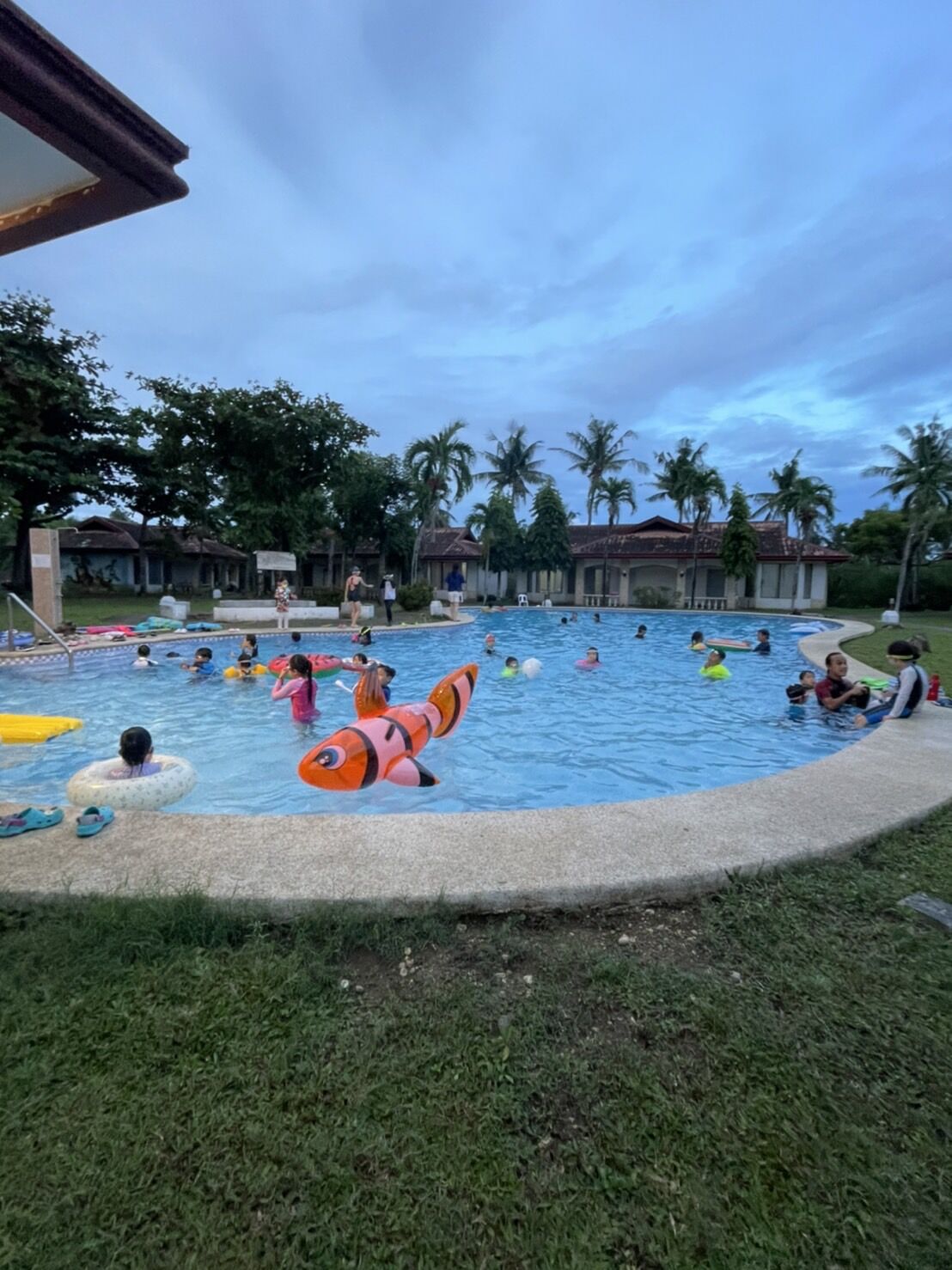
The ELSA campus, for example, sits out in Compostela, away from the bustle of central Cebu.
Its spacious campus has gardens, walking paths, an outdoor pool and space for children to run around, alongside the dormitories and classrooms. Unlike the office-block-style campuses you find in the city, it offers a resort-style learning environment where nature is close at hand and there's room to unwind.
Because most of school life is self-contained within the one site, there's no need to venture into busy city streets day after day. The dormitories are on campus, and staff are on hand there to support daily life.
What struck us most on our visit was the sight of children and students alike relaxing under open skies, at ease.
A school close to the buzz of the city. A greener school set a little way from downtown. An all-in-one school built for everyday convenience.
Even within Cebu, the surrounding environment varies enormously depending on which school you choose.
We match the school to the person — recommending a city-centre school to those who value convenience, and a suburban or resort-style campus to those after a quieter setting, according to their personality and preferences.

Rumour 2: "Do cliques already exist, making it hard to make friends?"
Answer: You do need the nerve to speak up first. But there are plenty of openings to connect.
Not every student starts on the same day.
By the time you arrive, students who've already been there for a few weeks may well have become friends. Seeing that circle already formed, it's only natural to wonder, "Can I really break into this now?"
But new students join language schools practically every week.
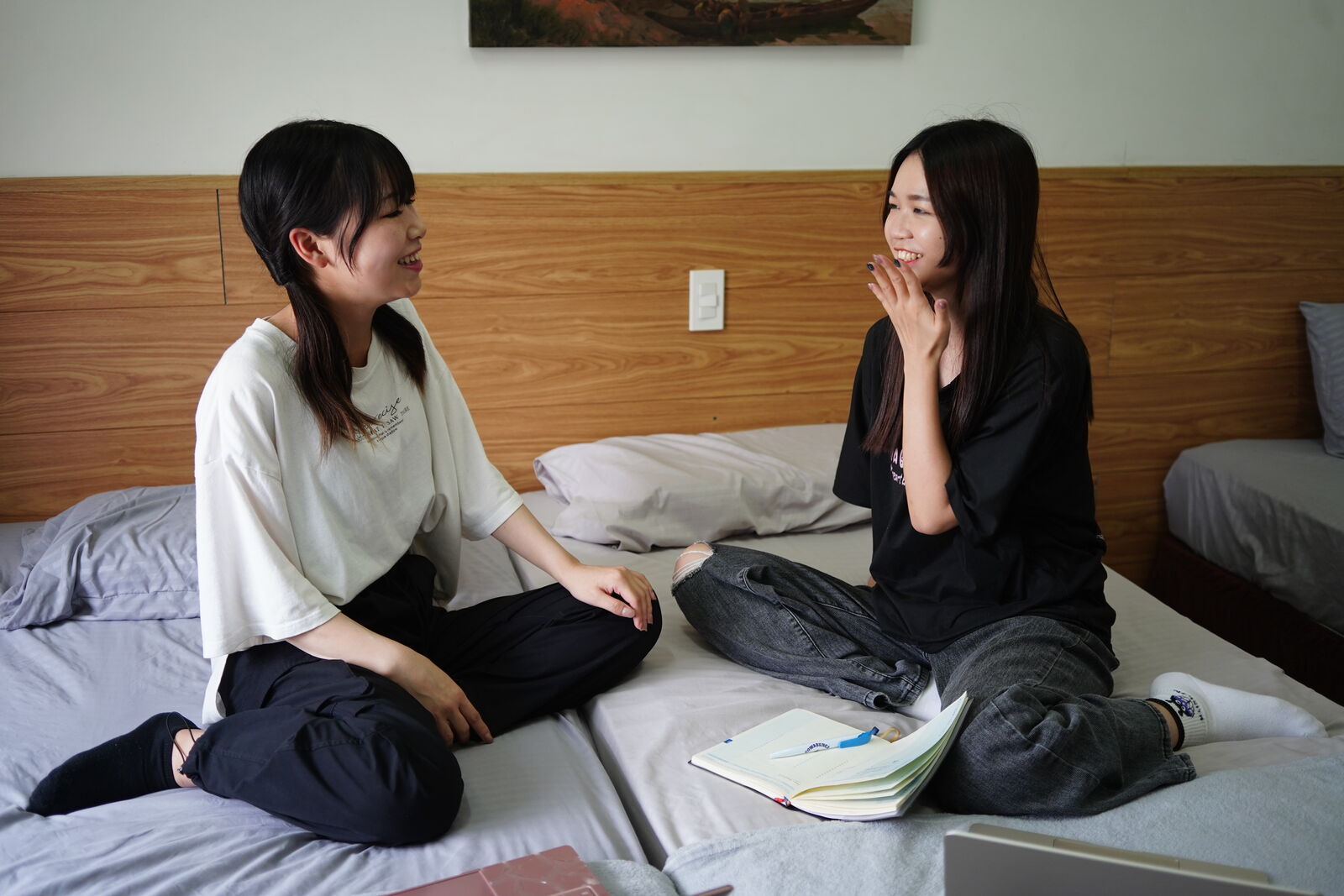
Arrival-day briefings, first-day orientation, group classes, meals, school events — there are countless chances to meet both fellow newcomers and students who are already there.
Some schools also run regular activities — sport, volunteering, games, cultural exchange. Global Language Cebu (GLC) has a system of assigned teachers you can go to for advice, plus school-run social events, and B'Cebu offers international exchange through sport and weekly events of its own.
And what stayed with us most from our visits was the warmth of the school staff.
There are staff who greet nervous first-day students with a smile, learn their names, and check in on how they're eating, feeling and getting on in class.
Even when it's hard to say that first word yourself, teachers and staff have a way of naturally bringing people together.
Making friends isn't just a matter of how good your English is.
"Would you like to eat together?" "How was class today?"
A short sentence is all it takes to start. From that one line, a friendship with someone of a different nationality and age can begin.

Rumour 3: "Is studying so intense there's no free time at all?"
Answer: Class load varies enormously by school and course.
One hallmark of studying in the Philippines is that, built around one-to-one lessons, you can take several classes in a single day.
For anyone wanting serious exposure to English in a short space of time, it's a real advantage.
On the other hand, if you choose a course with a heavy class load and try to prepare and review perfectly for every single one, it can end up feeling busier than you expected.
The important thing here is not to choose a course on class numbers alone.
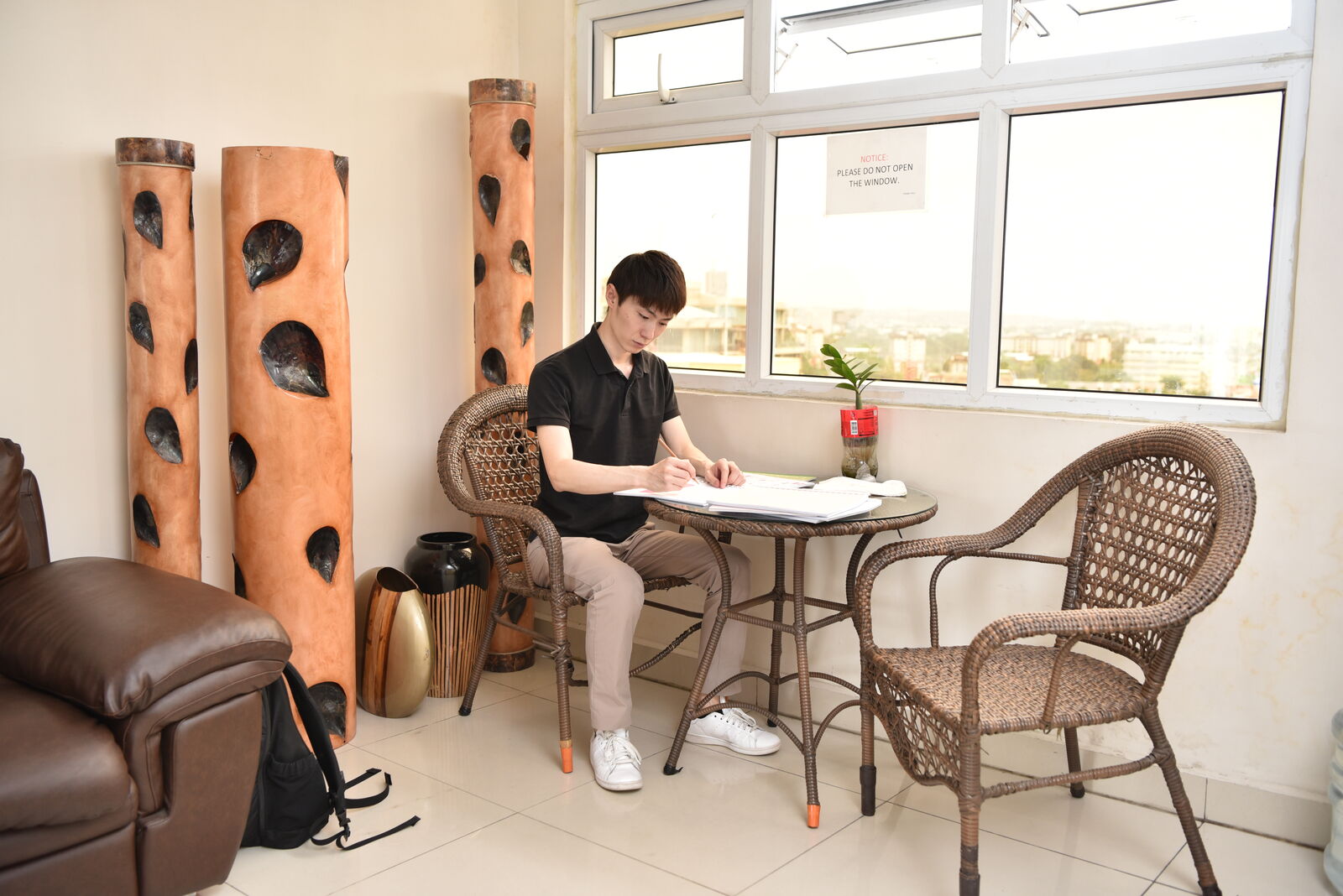
Someone wanting to build their English intensively needs a different timetable from someone who wants to keep learning while also enjoying life and meeting people in Cebu.
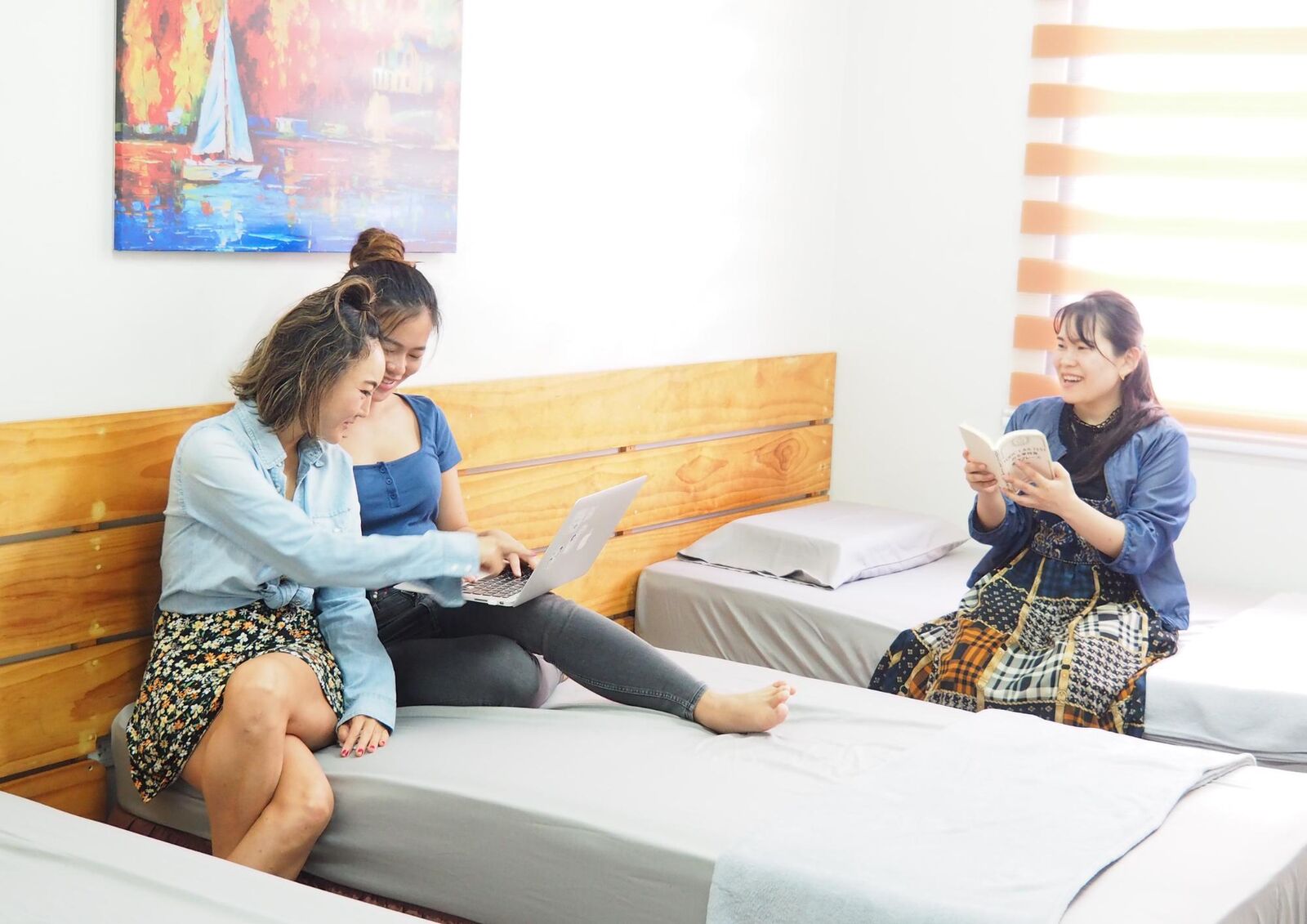
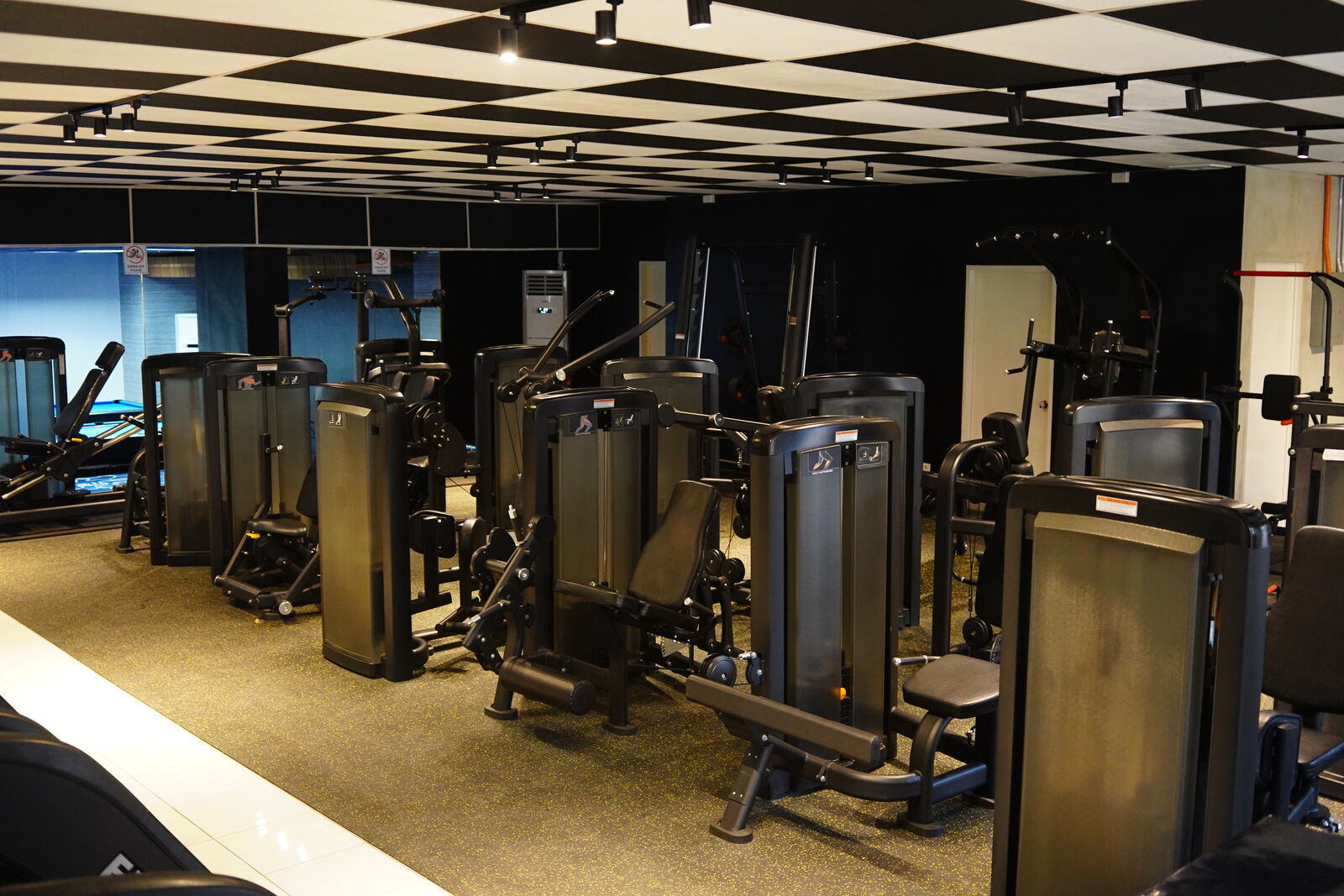
I want plenty of self-study time after class. I want to unwind at the gym or the pool in the evenings. I want to go sightseeing or do activities with friends at weekends.
Work out priorities like these in advance, and you can compare class loads and school cultures to find the school and course that actually suits you.
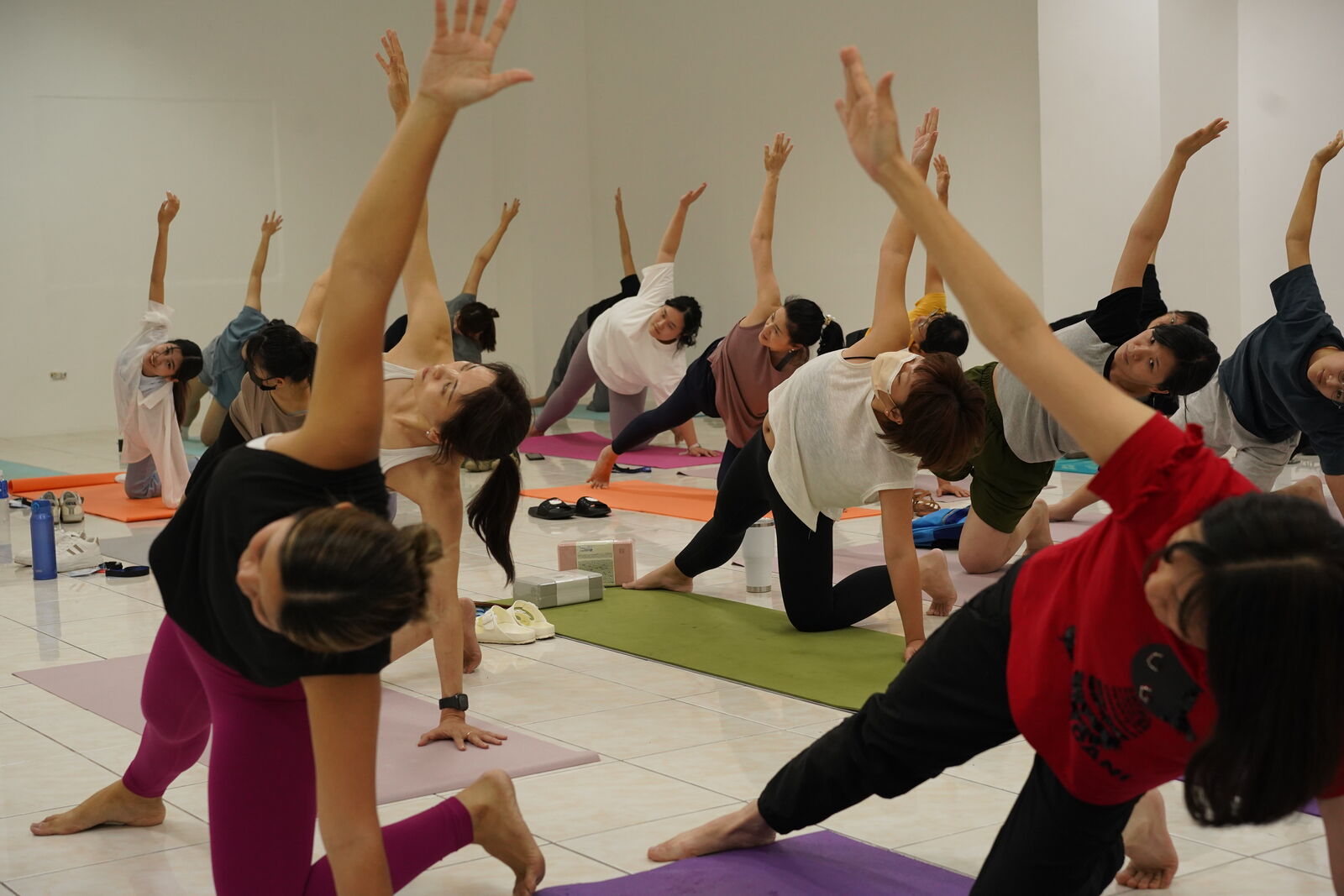
Cebu isn't only home to schools built around study; some place real value on balancing "learning" with "enjoying yourself". GLC, for one, runs its own activities, creating an environment where you can use English and meet people outside class as well.
Taking time to rest during your study abroad is not laziness.
To keep learning in a new environment, time to enjoy a meal, time to talk with friends, and time to yourself all matter too.


Rumour 4: "Is the school food just not very nice?"
Answer: Tastes do differ. But more and more schools are putting real effort into their food.
When you study abroad, food is one of the things that shapes how satisfied you feel, day to day.
The ingredients, seasoning and cooking methods differ from those in Japan, so it's only natural that not every meal will suit everyone's taste.
Some schools are upfront about this, stating plainly that what they run is a canteen, not a restaurant. We don't read that as a negative — it strikes us as an honest way of managing expectations before you arrive.
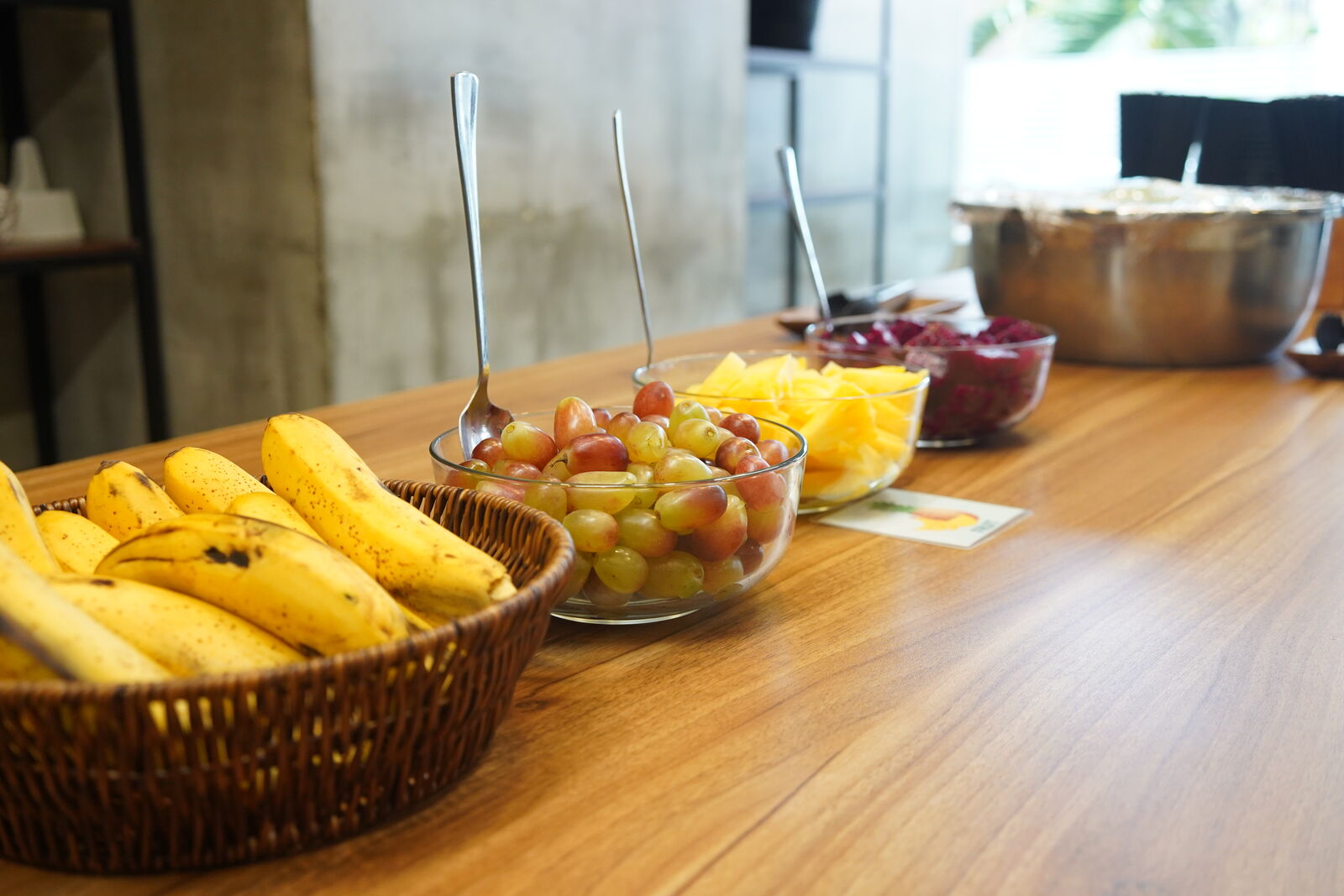
At the same time, our partner schools now make various efforts to ensure students of many nationalities, Japanese students included, can eat with peace of mind.
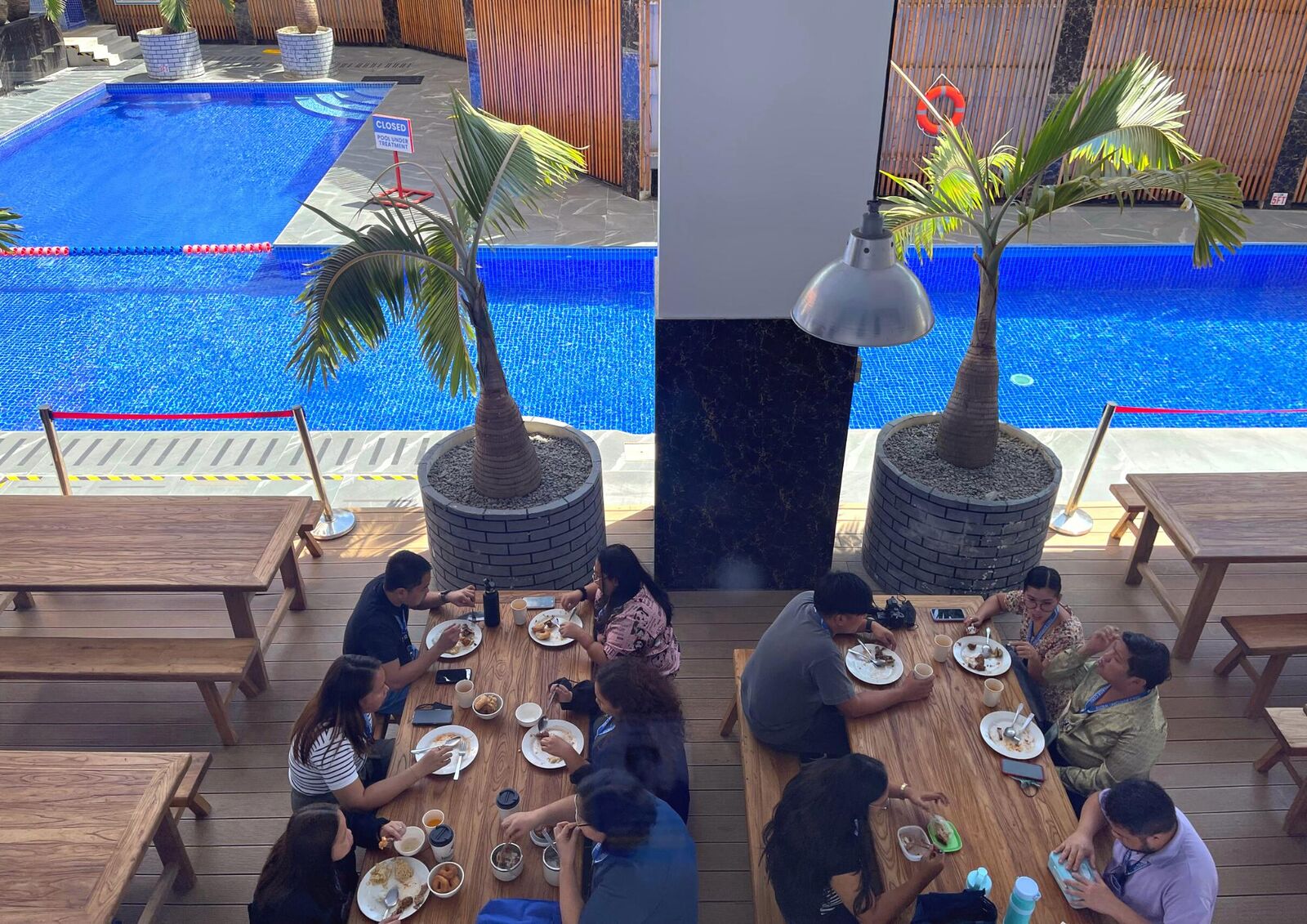
On our site visits, we saw students laughing together over meals, talking about that day's classes.
The canteen isn't just somewhere to fill up.
It's also where new friendships form, where "That class was tough today, wasn't it?" and "Where shall we go this weekend?" get talked over — a hub of school life in its own right.

Rumour 5: "Is it risky abroad — safety and health worries?"
Answer: You can't get by on the same instincts you would in Japan. But using the school's support can bring the risk right down.
On this point, we can't honestly tell you "there's nothing at all to worry about."
Japan's Ministry of Foreign Affairs also notes that crime rates in the Philippines tend, overall, to run higher than in Japan, and advises travellers to be careful with their valuables and mindful of their behaviour after dark.
That's exactly why, for a first study-abroad trip, it matters to check a school's location, its security arrangements, airport transfers and medical support in advance.
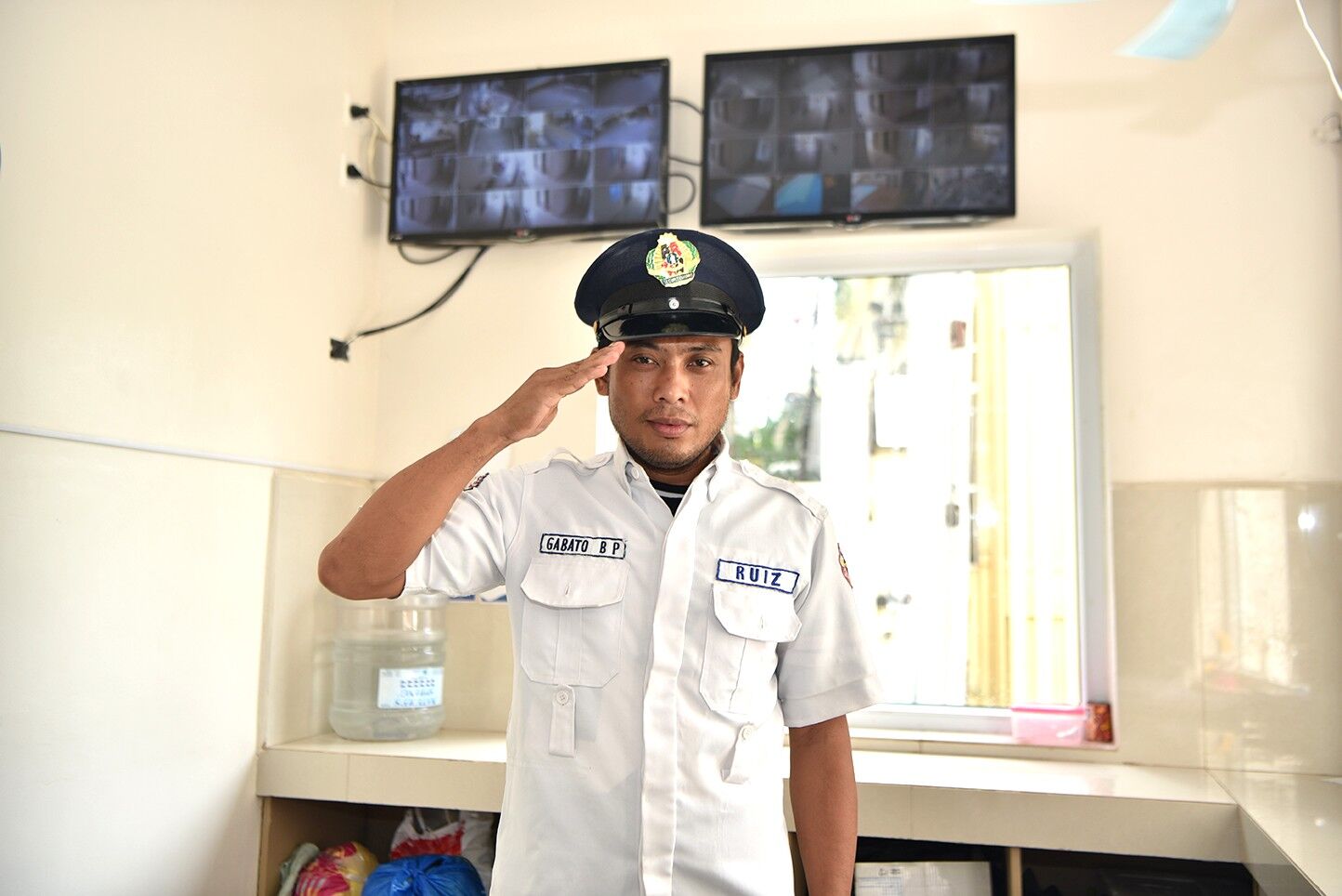
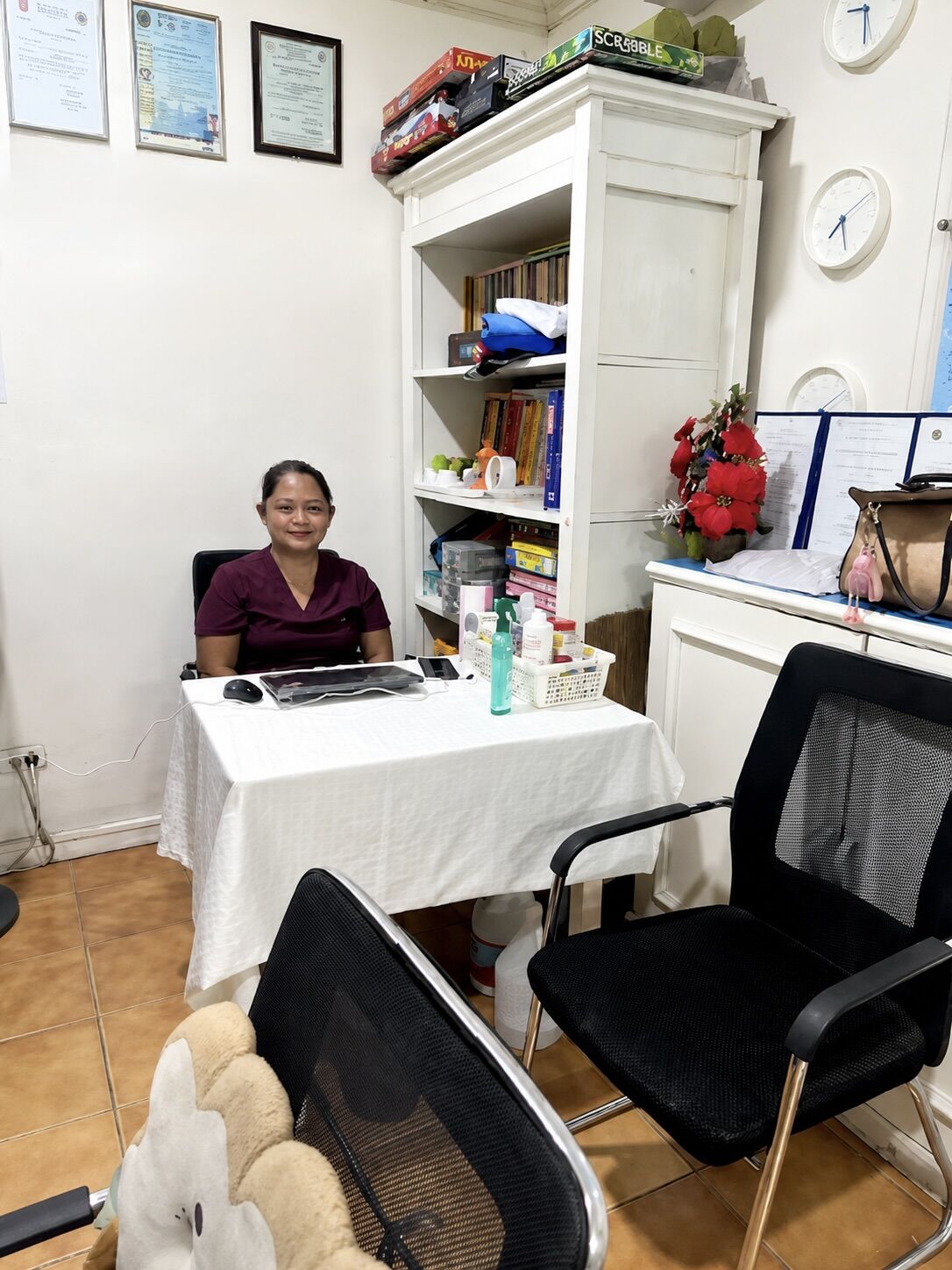
Some of our partner schools provide airport-to-school transfers, on-site dormitories, security guards and reception staff, and a point of contact if you fall ill.
We also brief students before departure on behaviour to avoid locally and precautions to take when getting around.
Don't go alone to quiet, unpeopled areas after dark. Don't flash your wallet or phone carelessly. Don't casually go along with an invitation from a stranger. Get around using the school's transfers or a trusted ride-hailing service.
Stick to these basic precautions, and if something does go wrong, don't carry it alone — talk to school staff straight away.
Rather than thinking "it's abroad, so it's frightening", think "it's abroad, so I'll prepare properly and act accordingly."
That mindset is what makes for a study-abroad experience you can feel secure in.
Rumour 6: "Will beginners be left behind in class?"
Answer: It's precisely as a beginner that you feel the real value of one-to-one lessons.
What if I can't follow what's being said? What if I want to ask something but the words just won't come?
Many first-time students carry this same worry.
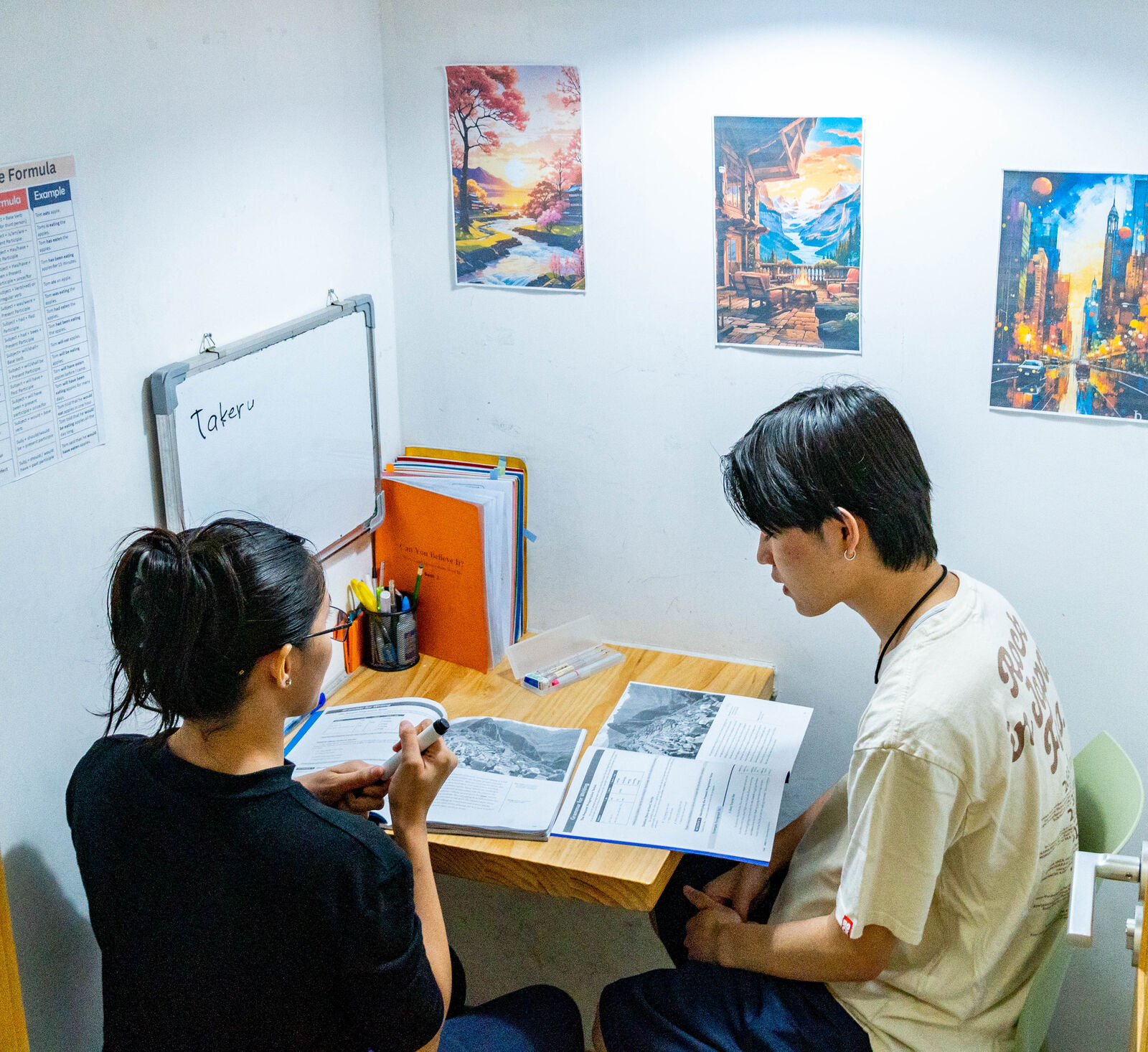
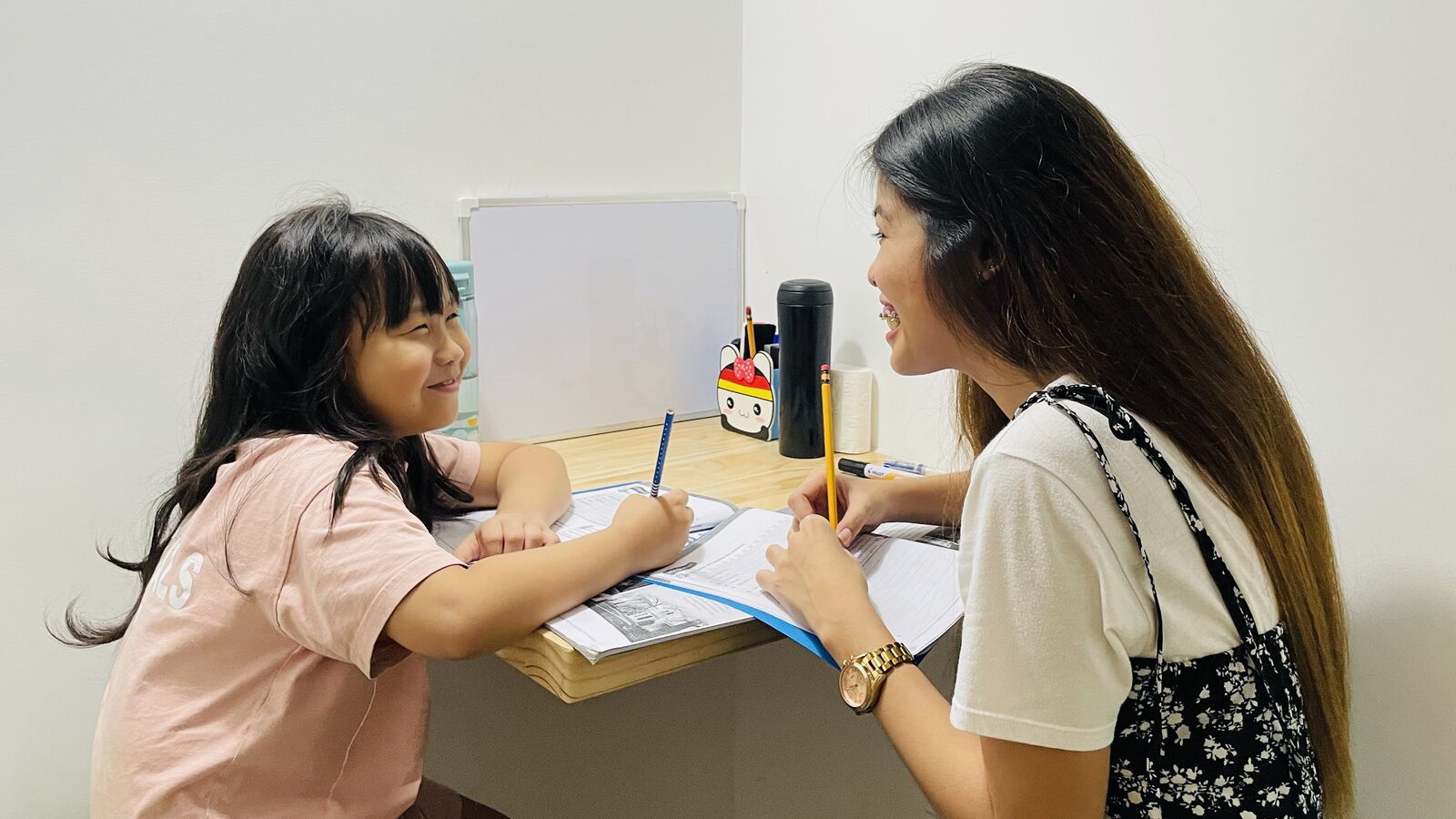
But in the one-to-one lessons typical of studying in the Philippines, the teacher can watch a single student's understanding and reactions and adjust the pace and content accordingly.
If you look confused, they'll explain again using different words or gestures.
And if it takes you a moment to answer, the teacher will wait, without rushing you.
The teachers we met placed real importance on more than just teaching English — they worked hard to create an atmosphere where you actually want to try speaking.
It isn't a place where getting your English wrong gets you laughed at.
It's a place to practise saying things in your own words, mistakes and all.
Someone who could only manage "Yes" and "No" on their first day of class starts telling their teacher about their weekend a few days later.
Building up small changes like that, one at a time, is one of the great appeals of studying in Cebu.
Our honest take, having seen it for ourselves
Research study-abroad options in Cebu and you'll find both accounts that went well and accounts that didn't turn out as hoped.
Both are genuine experiences, for the people who had them.
But no single experience applies to every school, or to every student.
Through our site visits we met schools each with their own distinct character: Stargate, GLC, B'Cebu, ELSA, and Lapulapu-Cebu International College (LCIC).
A school that prides itself on careful support for beginners. A lively school where mixing with students of many nationalities comes easily. A school where parents and children, or younger students, can feel safe and settled. A school where you can study in a college campus setting. A school that pays close attention to food and everyday living.
At every one of them, there are teachers and staff working hard to make sure students come away thinking, "I'm glad I came here."
It's because we've seen for ourselves what a brochure alone can't convey — staff's expressions, the way they speak to students, the atmosphere on campus — that we want to tell you what's good about these schools with real confidence.
In closing: don't let rumours alone put you off studying in Cebu
The rumours we've looked at here aren't all wrong.
Some places really are busy. There may be days when the food doesn't agree with you. The first few days can feel nerve-wracking, whether it's making friends or speaking English.
Even so, choosing the right school and preparing beforehand can shrink most of these worries down.
What matters isn't picking whichever school has the best reputation — it's choosing the one that fits your personality, your goals, your age, your level of English and how you want to spend your time.
Rather than pushing a school on you, we start by asking what kind of study-abroad experience you're actually hoping for.
I want to study hard. It's my first time abroad, so day-to-day comfort matters most. I want to take part with my child, and feel safe doing it. I want to enjoy both the English and the experience of Cebu itself.
Matching that to what we've seen on the ground, our staff help you choose the right school.
If studying in Cebu has even slightly caught your interest, don't let rumours or worries alone stop you taking that first step.
Across the sea, warm teachers and staff are waiting for you to begin this new challenge.