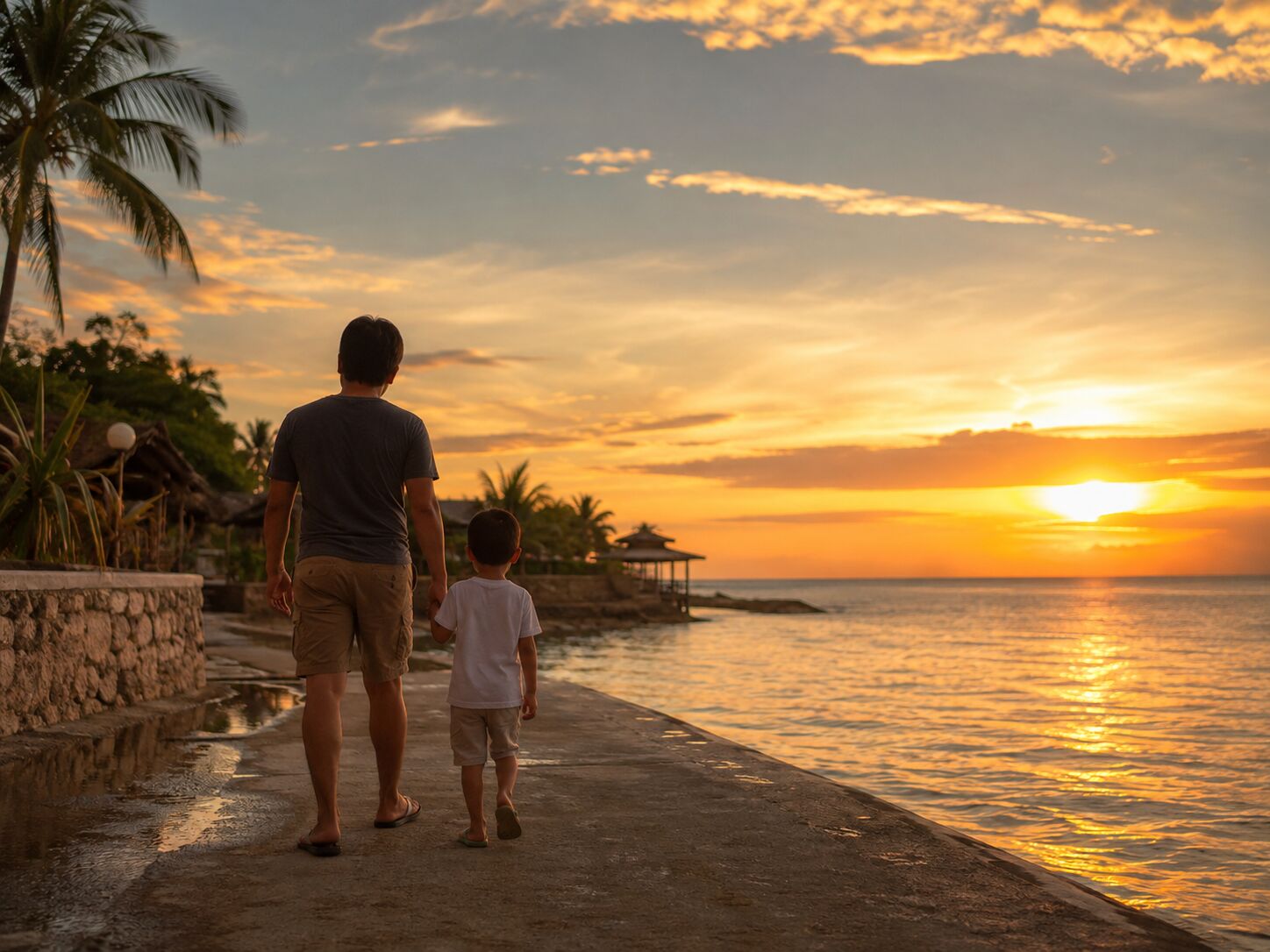
Hello, everyone.
I'm one of the study-abroad support staff here.
This is a memory from my primary-school days.
The summer holidays would end, we would go back to school, and there they were:
"We went to Guam!"
"My family went to Hawaii!"
Two or three classmates, happily telling everyone about their holiday abroad.
For a Japanese family in those days, Guam and Hawaii were the overseas holidays.
Family holidays abroad were more or less outside my experience, and talk of tropical seas and enormous aeroplanes belonged to another world entirely.
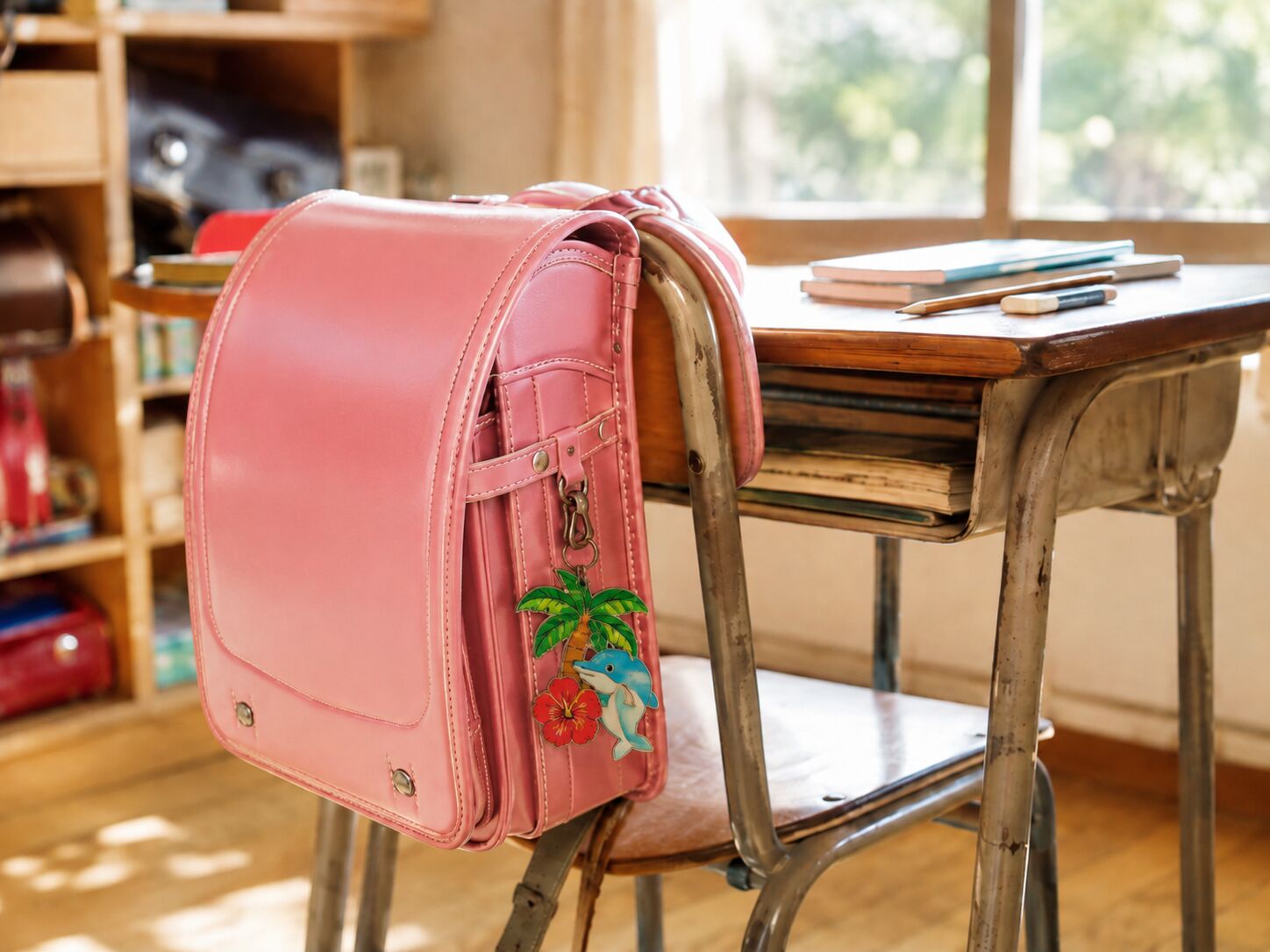
One of those friends brought me back a souvenir, a bright, tropical-looking keyring, and I hung it on the side of my randoseru, the rigid leather satchel Japanese primary-school children carry on their backs, and walked to school with it every day.
That was several decades ago.
Lately, scrolling through Instagram and the like, I have started seeing a phrase a little different from the ones I grew up with.
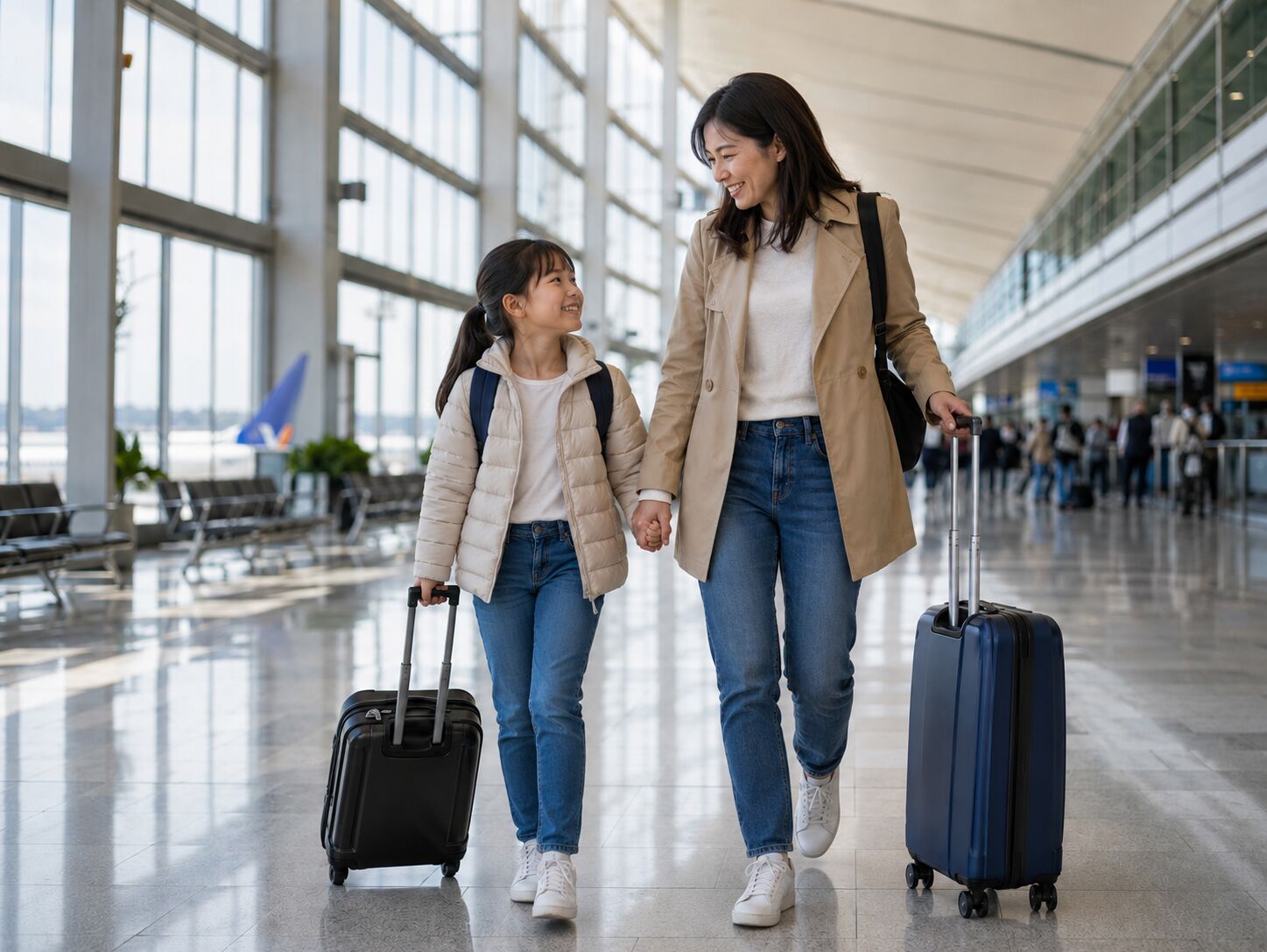
"Parent-and-child study abroad."
Going overseas as a family.
So far, no different from before.
But these days,
it isn't only "enjoying time abroad as a family". There is also "living abroad as parent and child, and learning together"
and that option is opening up to more and more families.
So what is parent-and-child study abroad, exactly?
And why is it drawing so much attention now?
This time, for anyone who finds themselves a little curious about it, I want to be as honest as I can about both the appeal and the parts that are hard work.
First, in a single sentence
Parent-and-child study abroad is
"a stay abroad where parent and child go together, and each of them learns in their own way".
There is no one fixed format.
For example:
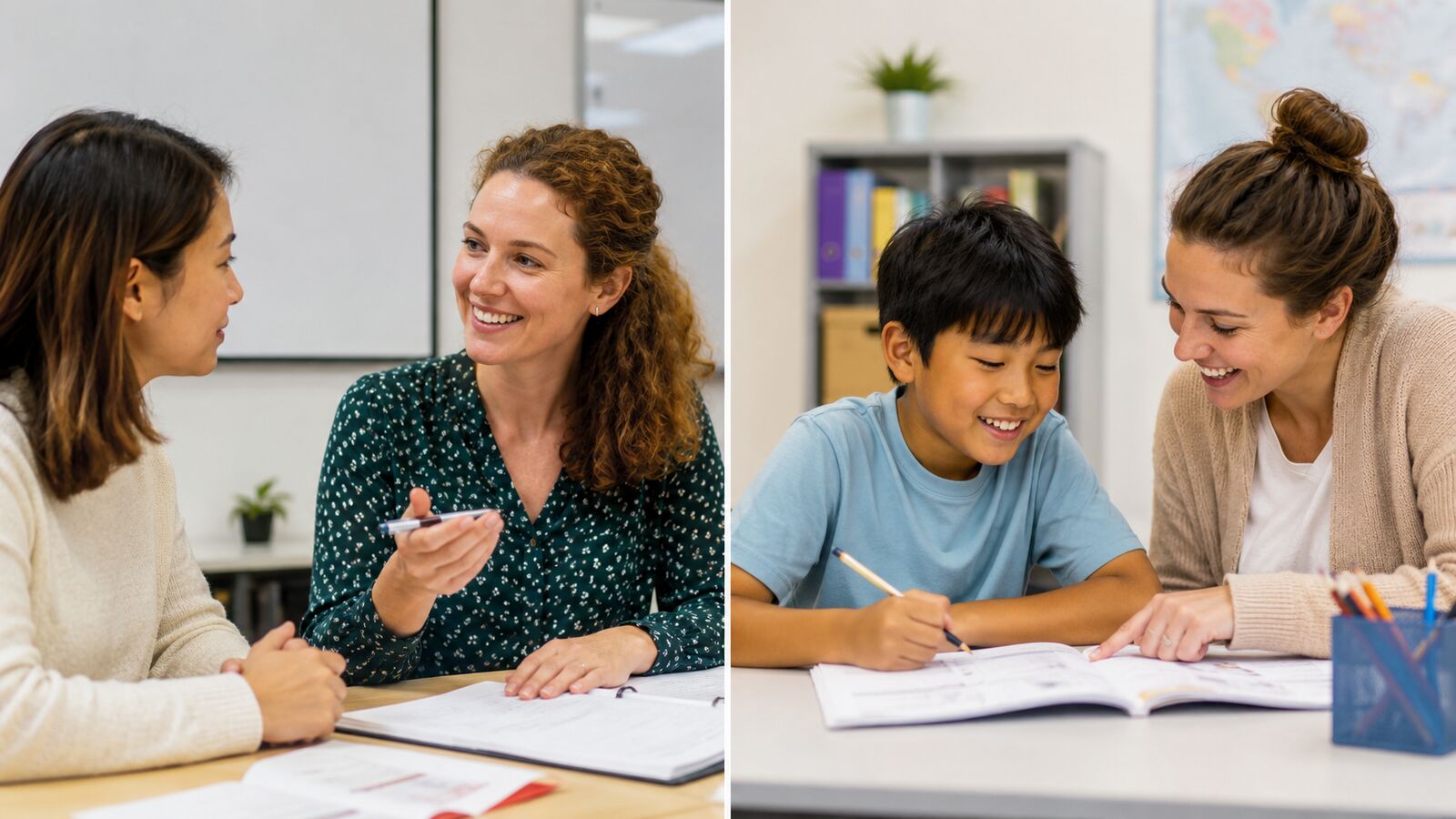
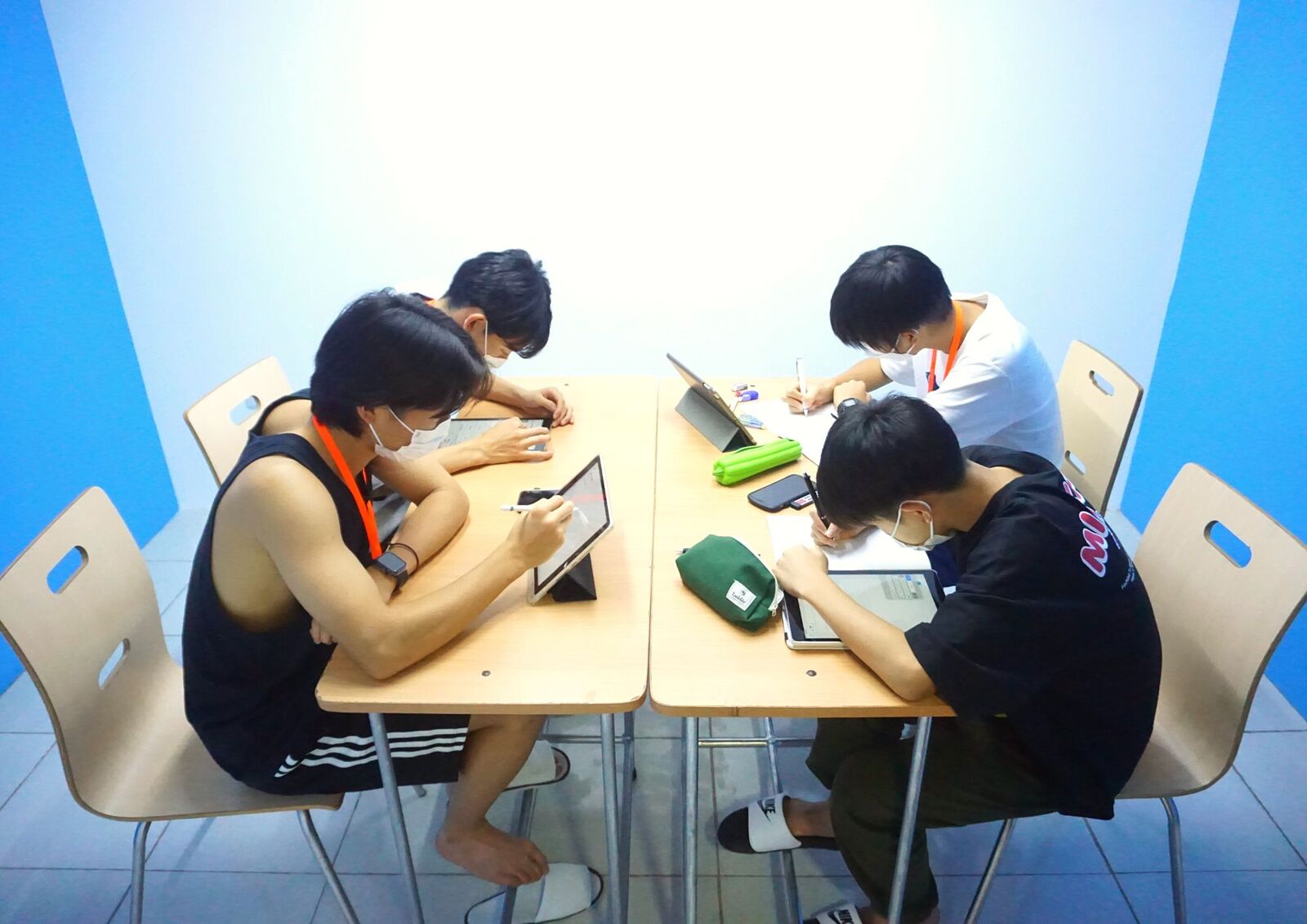
- Both parent and child attend a language school
- The child takes English lessons while the parent takes a lighter timetable
- The child joins a local kindergarten or a children's programme while the parent studies English
- The parent carries on working while the child alone joins a daytime programme
It varies with the school and with the child's age.
The length varies too. It isn't only about
"moving abroad for six months or a year for the sake of the children's education".
Short parent-and-child stays of a week or two that fit into the spring or summer school holidays
are becoming a standard option in their own right.
In other words, you don't have to start by uprooting the whole family. You can start by adding a little learning to a family holiday.
① Is parent-and-child study abroad really on the rise?
It turns up often on social media, but are there really that many more families sending their children abroad?
There is some interesting data on this.
The Japan Association of Overseas Studies (JAOS), the industry body for Japanese study-abroad agencies, ran a survey in 2025 covering 262 parents who had actually sent a child of primary, lower-secondary or upper-secondary school age abroad.
Asked when they had first begun thinking about it, 49% said lower secondary school, the most common answer.
What is more,
in 20% of these households the thought had first occurred while the child was still at primary school or younger,
a sign that this interest is reaching down to younger and younger children.
The survey covered households that had already sent a child abroad, of course, so the figures do not describe Japanese families as a whole.
Even so, it is a fascinating change that the thinking is spreading beyond
"abroad once they're at university",
to
"I'd like them to experience life abroad once, while they're still at primary or lower secondary school".
JAOS's 2025 statistics also record 168,931 Japanese people taking part in overseas educational travel, study abroad and similar programmes through its member agencies.
Of those, around 82% were on "overseas educational travel" organised by schools or local authorities.
Educational travel to Asia, the Philippines included, is gaining ground as well.
Time abroad itself may be turning
from something only a special few did into one educational option among many.

② Why now? (1) A holiday and an education at once
The most obvious appeal of parent-and-child study abroad is surely
that you get a family holiday abroad and an educational experience at the same time.
Take Cebu.
On weekdays, you study English.
At breakfast, you say good morning to students from other countries.
You talk to your teacher in English.
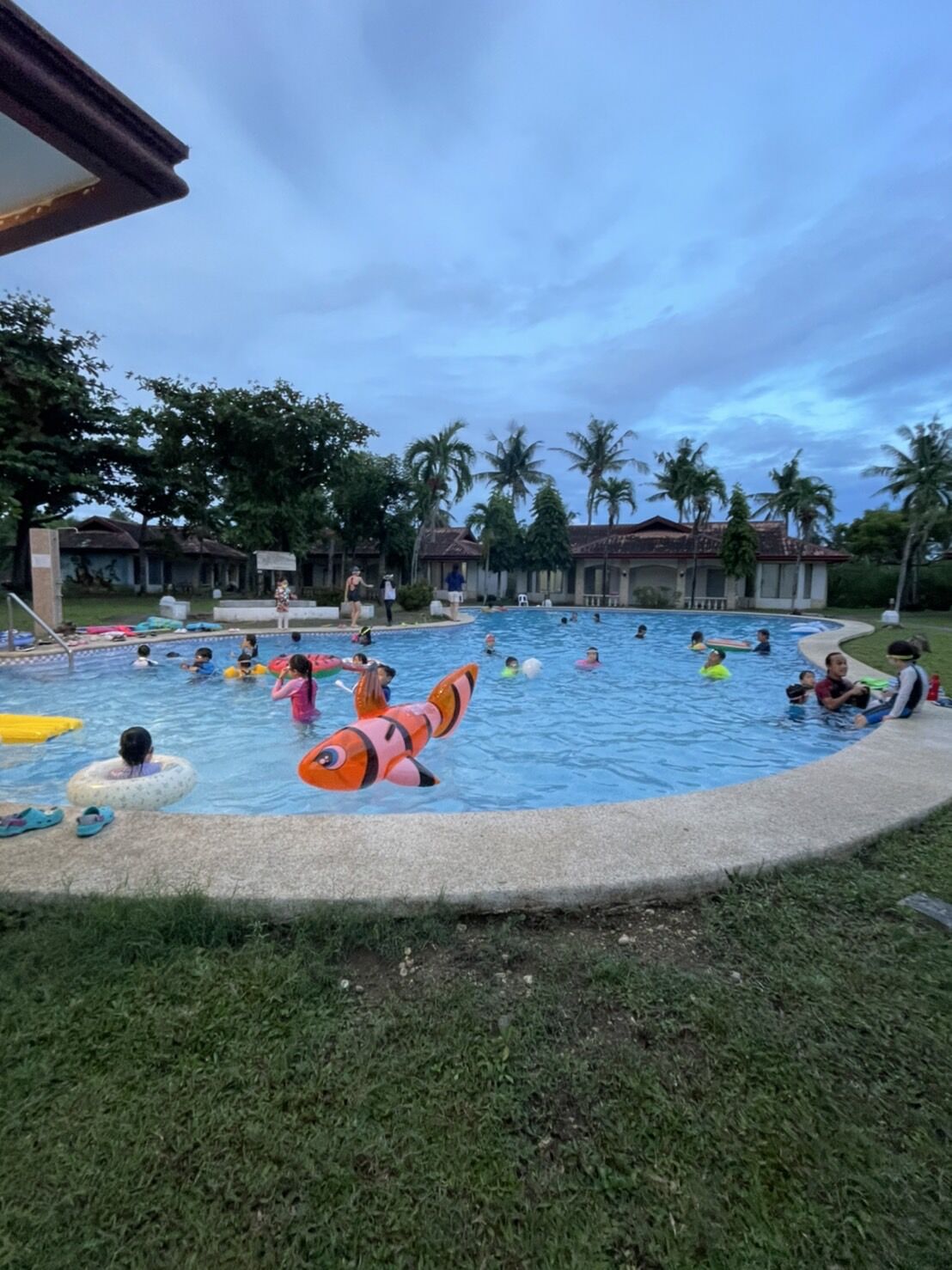
After class, you play in the pool.
And at the weekend, the family heads off to the sea.
So for a child, it isn't only about
"sitting in English lessons".
Living abroad is, in itself, a form of learning.
Seeing food in the supermarket you have never laid eyes on.
Finding out that the traffic works differently from the way it does in Japan.
Handling foreign money.
Playing with friends who speak a different language from your own.
None of that comes easily from reading a textbook.
Rather than only doing the sights on a family holiday, you can
"step into the everyday life of the country".
That is where the particular value of parent-and-child study abroad lies.
③ Why now? (2) The child isn't the only one making an effort
There is another thing I find good about parent-and-child study abroad.
It is this:
the parent gets to take on the challenge too.
It is easy to tell a child to
"go and study your English".
But there is the parent, sitting in front of a foreign teacher, thinking
"I can't get this out properly..."
and having a go at speaking English anyway.
Getting it wrong.
Saying it again.
Being understood, at last, and breaking into a smile.
And the child is right there beside them, watching it happen.
Over dinner:
"How was today?"
"Mum couldn't catch the teacher's English at first either, you know."
"I managed to say this today!"
Parent and child end up with the same thing to talk about.
I think that is rather lovely.
Not a parent who says "go and study", but a parent who says "let's give it a go together".
On a parent-and-child stay, the parent becomes a learner too.
It isn't only that the child picks up some English.
The family is left with the memory of having tried something new together.
That, too, is something only this kind of trip gives you.
④ Why now? (3) Parents get more of a rest than you would think
In the daily round of raising children:
Make breakfast.
Do the washing.
Clean the house.
Work out what's for lunch.
Cook dinner.
Clear it all away.
Get everything ready for tomorrow.
...even when the holidays come round, a parent's housework rarely gets a holiday of its own.
Some language schools in the Philippines, though,
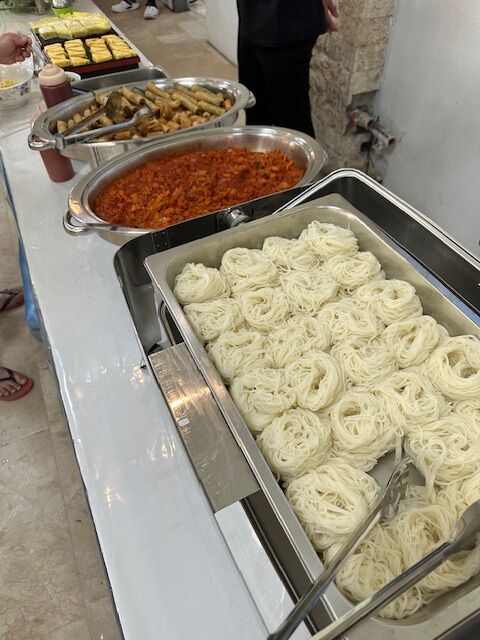
bundle lessons, accommodation, meals, cleaning and laundry together
in one package.
GLC, for instance, provides three meals a day, along with a weekly clean of the student dormitory and a laundry service twice a week.
That doesn't mean looking after your child stops being your job, naturally.
Even so, you get a little distance from the daily
"what shall I make for dinner?"
and
"I must put a wash on when we get back..."
And in that time:
Study English.
Have a coffee.
Read a book by the pool.
Have a little while to yourself as your child sits in class.
What was supposed to be "a trip for the child" turns out to be a real break for the parent as well.
Some parent-and-child stays are like that.
⑤ Why now? (4) A child's growth beyond English
Is English really all a child comes home with?
In JAOS's 2025 survey, parents of children who had studied abroad reported changes that had nothing to do with language:
"they've grown in confidence", "they're much readier to get on with things".
This isn't to say that going abroad automatically changes who a child is.
But:
Saying hello to a foreign teacher for the first time.
Ordering a juice in English.
Playing with a child from another country.
Not understanding a word, and still getting the message across somehow.
Life abroad is full of these
small "I did it!" moments.
What is nothing at all to an adult is a great adventure to a child.
Not just
"how much English they picked up",
but the experience of
"having stepped into unfamiliar surroundings"
and
"discovering that you can make friends with people from other countries".
The value of parent-and-child study abroad may lie there more than anywhere.

⑥ Is parent-and-child study abroad really good value?
Here I would like to be straight with you.
There are cases where a parent-and-child stay in the Philippines can be kept cheaper than one in Europe or North America.
At language schools in Cebu in particular,
- English lessons
- Accommodation
- Meals
- Cleaning and laundry, at some schools
come bundled into a single plan, so the cost is clearer than it would be if you arranged the family holiday and the language course separately.
GLC goes a step further with its Family Share Package, which lets a family of two to four people divide up one-to-one lessons between them.
There is an English programme for children aged five to fourteen, and from fifteen they can take the adult programmes. Stays start from one week, and the price covers tuition, accommodation and three meals a day.
That makes it easy to tailor things family by family:
"Mum only wants a bit of English in the mornings."
"We'd like the children to have plenty of one-to-one lessons."
That said,
I wouldn't assume the Philippines is automatically cheap.
There are still flights, travel insurance, costs payable locally, activities and spending money to account for.
The JAOS parent survey does in fact quote people saying it cost more than they had expected.
What matters isn't the headline price, but
how much experience the family gets for what it spends.
That, I think, is the comparison worth making.
⑦ It isn't all good news: the drawbacks, honestly
By this point you might be thinking
"parent-and-child study abroad is nothing but upside!"
But it is life abroad.
Naturally, some of it is hard.
Children don't always settle in.
A child who seemed to be enjoying themselves on the first day may announce the next morning that they
"don't want to go to school".
They can't understand the teacher.
Their usual friends aren't there.
The food is different.
It's hot.
It is only natural that some children are thrown by that much change.
Which is exactly why, on a parent-and-child stay,
choosing the school matters so much.
In the JAOS survey too, families with experience of study abroad rated a reassuring environment above cost or the choice of city.
If you are travelling with a young child, I hope you will choose a school not by asking
"is it a famous school?",
but by asking
"is this the right school for our family?".
⑧ GLC, the school we recommend for parent-and-child study abroad
Among our partner schools there are some that suit parent-and-child study abroad very well.
One of them is
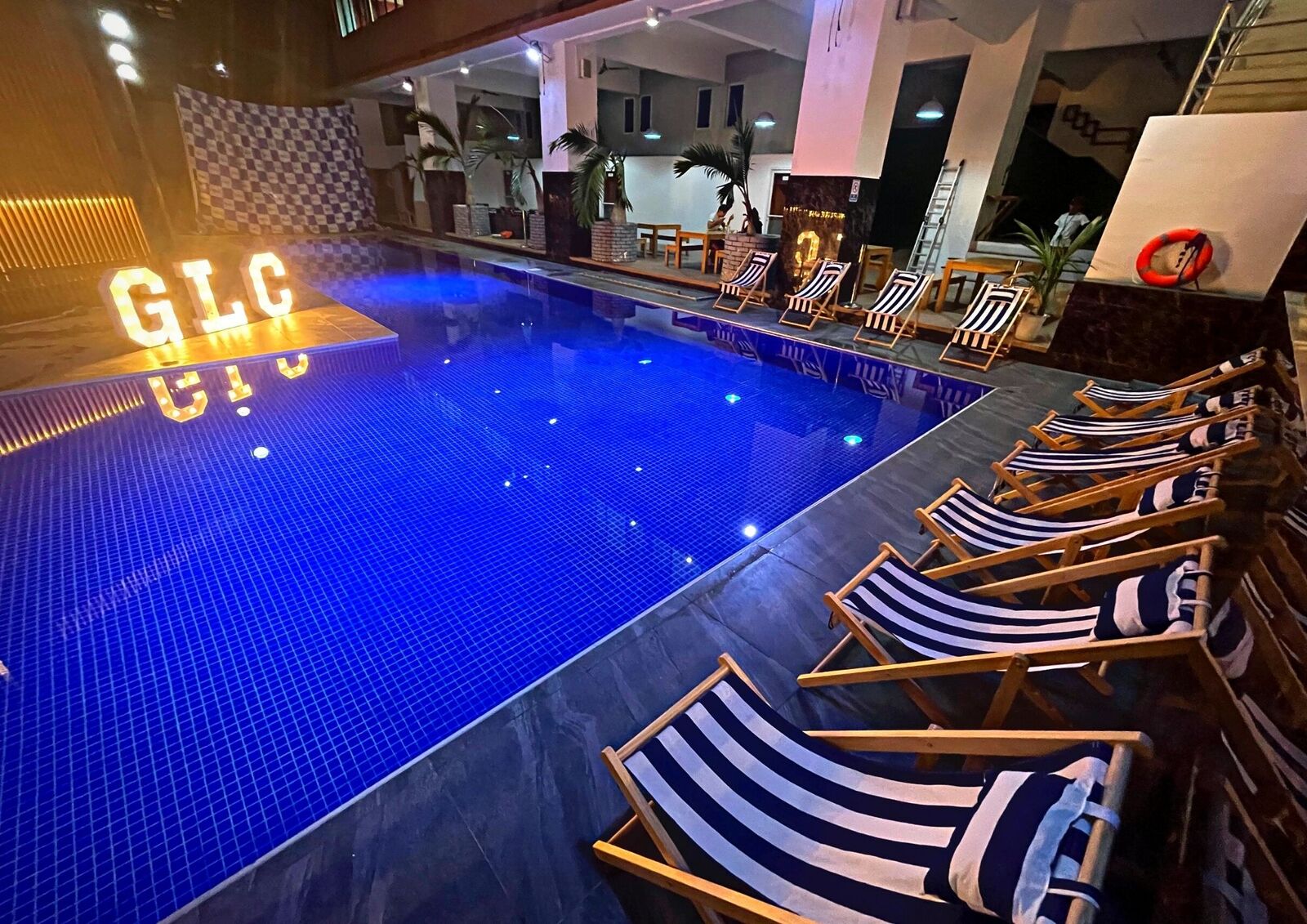
GLC (Global Language Cebu).
GLC is in Cebu City, and it is the school we would suggest to families who want
"a convenient, city-based parent-and-child stay".
Its most distinctive feature is the Family Share Package I mentioned earlier.
Because the family shares out the lessons between them, it fits the
"we want the children to really work at their English"
"but Mum and Dad would like a few lessons too"
pattern of parent-and-child study abroad beautifully.
On top of that:
Three meals a day.
Cleaning and a laundry service.
A school nurse on site on weekdays.
Regular visits from a doctor.
Airport pick-up.
All of it is the kind of support that reassures a family living abroad for the first time.
There are shops and restaurants around the school, so it also suits families thinking
"it's our first time abroad, and somewhere too out-of-the-way worries us".
Our partner-school article, "GLC: Customise Freely and Choose the Cebu Study Abroad That Fits You", takes a closer look around the campus.

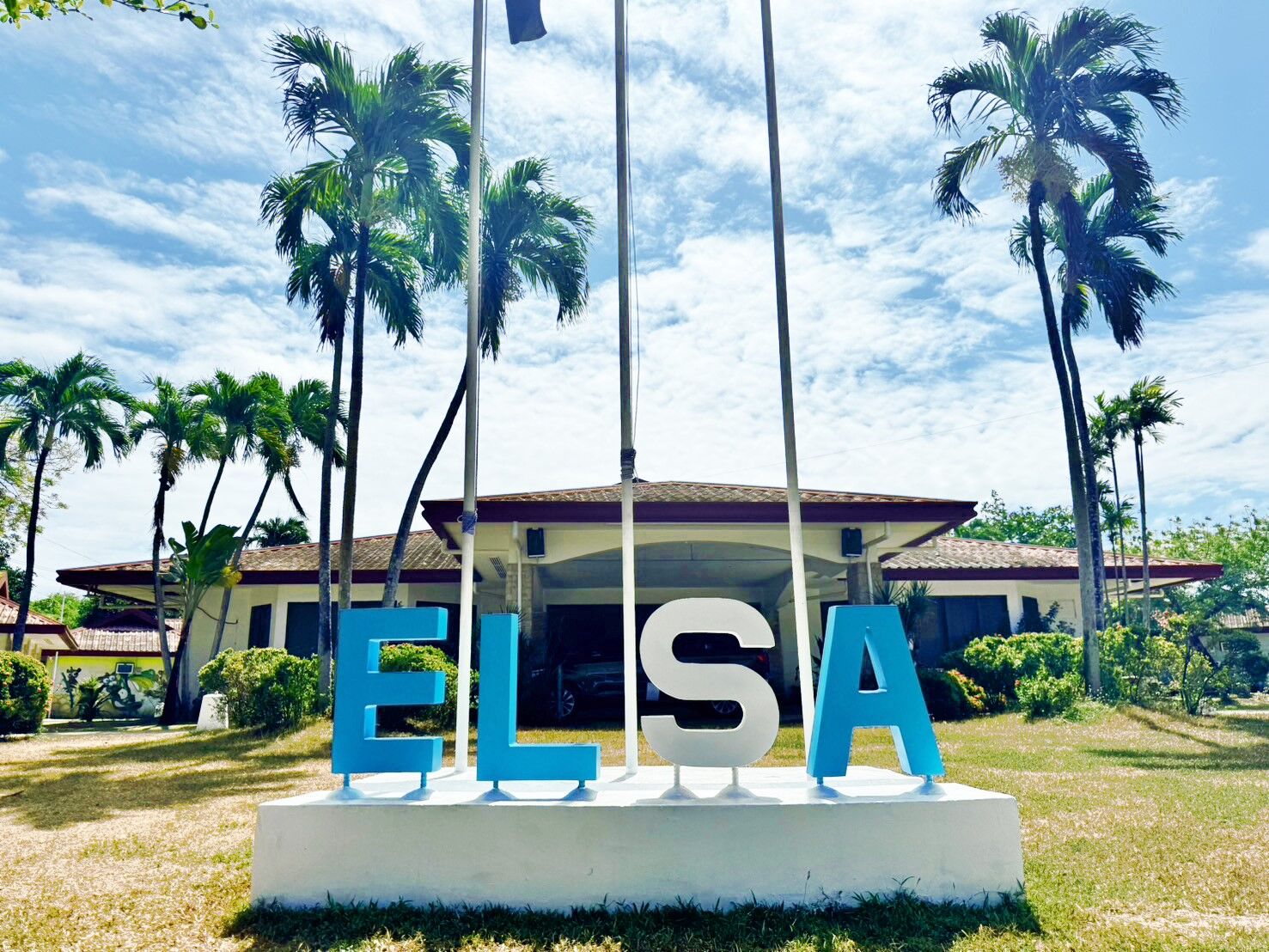
For time together surrounded by nature: ELSA
There is one more school I would very much like you to know about when you think about studying abroad as a family.
ELSA Interactive Learning School.
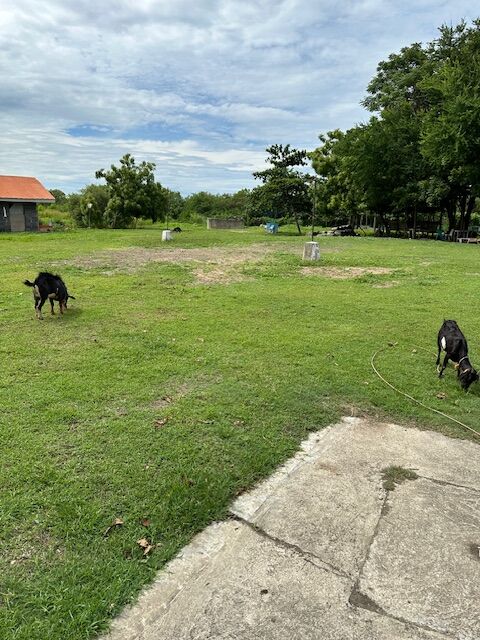
ELSA sits in the Compostela district, away from the bustle of central Cebu, and its great distinguishing feature is a large campus surrounded by nature.
For families who feel
"we'd rather our child had room to roam than city living"
it is a very appealing setting.
And the other thing that sets ELSA apart is
that it is a school with a long involvement in children's education itself.
ELSA Interactive Learning School runs a curriculum from pre-school through to upper secondary, and its official brochure lists classes from Nursery, at three and a half, up to Grade 12.
As a language school it also offers programmes for parents and children: courses for young children and juniors, and, on the parent side, Guardian courses such as Relax and Basic ESL, with the lesson load adjusted for parents. Current agency listings describe programmes that take a parent and child together once the child is around four.
What I personally find most appealing about ELSA is
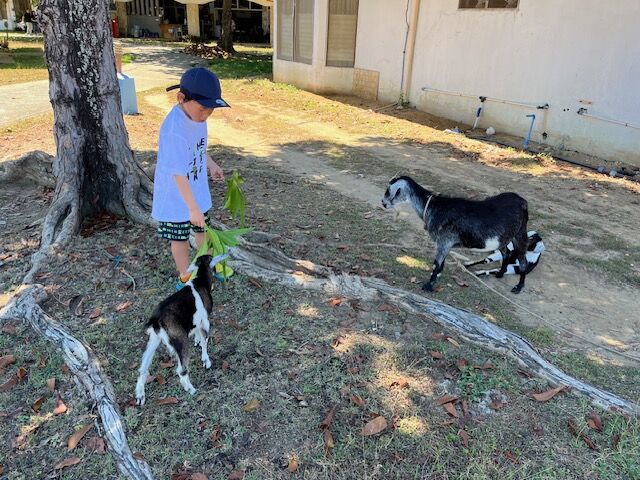
that children get to be children inside the school.
There is greenery.
There is a wide sky.
There is a pool.
There are other children their own age.
It is a place to learn English, and yet not
"a place where you have to stay glued to a desk".
For a young child living abroad for the first time, I think that breathing space matters enormously.
You can find more on ELSA and our other partner schools, along with a gallery of school brochures, on the Cebu Study Abroad page.
In closing | What was once a family holiday is now time the family learns together
Back when I was at primary school.
I would look at the keyring a friend had brought back from abroad, and wonder
"what are other countries actually like?"
In those days, a family holiday abroad was a slightly distant world to me.
Times have changed since then.
These days,
it isn't only about going abroad.
"Learning abroad, together with your child."
That is an option now.
Not every family needs this, of course.
And nobody can promise a dramatic change in anyone's English.
But:
The first conversation with a foreign teacher.
A friend from another country.
Watching Mum and Dad struggle with English too.
Walking an unfamiliar city as a family.
Memories like those will stay somewhere in a child's heart, won't they?
It doesn't have to be a year.
A week or two in the summer is a fine place to start.
From
"let's take a holiday abroad"
to
"shall we go abroad and learn something as a family this year?"
Parent-and-child study abroad is starting to become one of those new ways for a family to spend its time.
If any of this has caught your interest, even a little:
"Is my child old enough?"
"How many lessons do the parents take?"
Do ask us, however small the question.
We want to hear about the personality and hopes of each parent and each child, and to ask:
"What kind of stay would this particular family enjoy?"
That is where we would like to start thinking it through, together with you.