


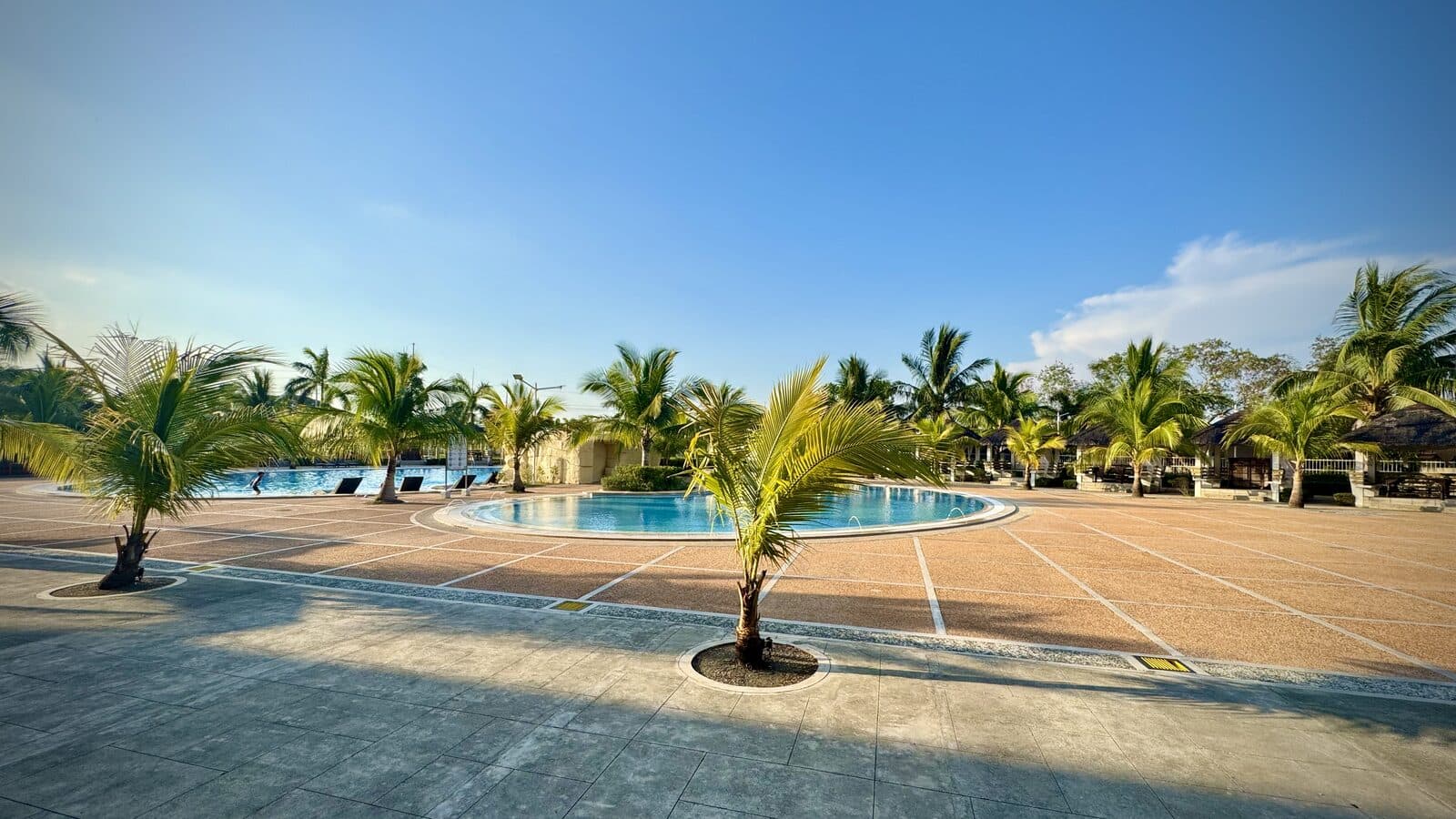
Hello, everyone. This time, for those of you considering a short-term study-abroad trip to the Philippines, we're answering the question "When's the best time to study in the Philippines?" — from the perspective of staff who visited the country ourselves.
For those of us living in Hokkaido, the heat of the Philippines is a pretty big change. In Sapporo, snow piles up in winter, and even spring and autumn bring the occasional chilly day. The Philippines, on the other hand, is a tropical country with high temperatures and high humidity all year round.
"When's the most comfortable time to go?" "Is it okay to go during the summer holidays?" "Should I avoid the rainy season?" "When does the sea look its most beautiful?" — this time, we'll answer questions like these and lay out, in plain terms, how to choose the best time for your Philippines study trip.
The Philippines has two broad seasons
Broadly speaking, the Philippine climate splits into a dry season and a rainy season.
| Months | Season | What the weather's like | Tips for your stay |
|---|---|---|---|
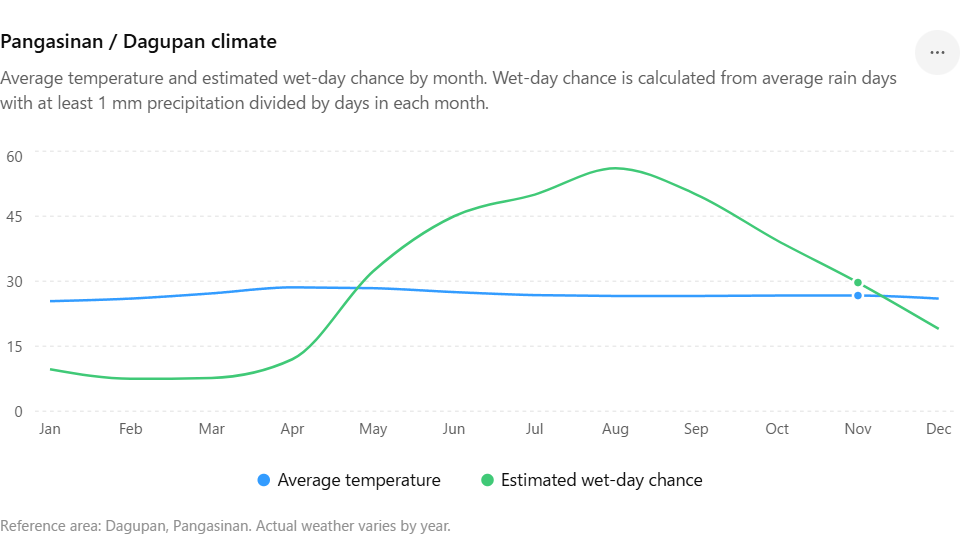
| December–May | Dry season | A season with little rain and plenty of sunny days. December–February tends to be relatively comfortable, while March–May brings stronger heat. | A great time to enjoy the sea and outdoor activities. A hat, sunscreen, and staying hydrated are essential. |
| June–November | Rainy season | A season when rainfall increases. July–September in particular tends to see the most rain. | Rain can fall hard and fast, like a squall, over a short time. Pairing indoor lessons with activities close to home makes this season easier to enjoy. |
The Philippines is warm all year round, but how the heat actually feels can vary quite a bit by season. If you're travelling from Hokkaido in particular, it may take a little time to adjust to the local heat and humidity. Sunscreen, a hat, sunglasses, and staying hydrated matter no matter which season you visit.
If you don't want it too hot, December–February is a good bet
For first-time visitors to the Philippines, or anyone who isn't keen on the heat, we'd recommend December to February.
Even within the dry season, temperatures during this period are relatively settled and rainfall tends to be low. In Japan — especially in Hokkaido — this is the depths of winter, but in the Philippines you can spend your days comfortably warm.
Going from Hokkaido's snowy scenery to tropical air just a few hours later — for anyone from Hokkaido, that gap is a genuinely special experience. It's also an easy season to consider if you're planning a short-term study trip over winter or spring break.
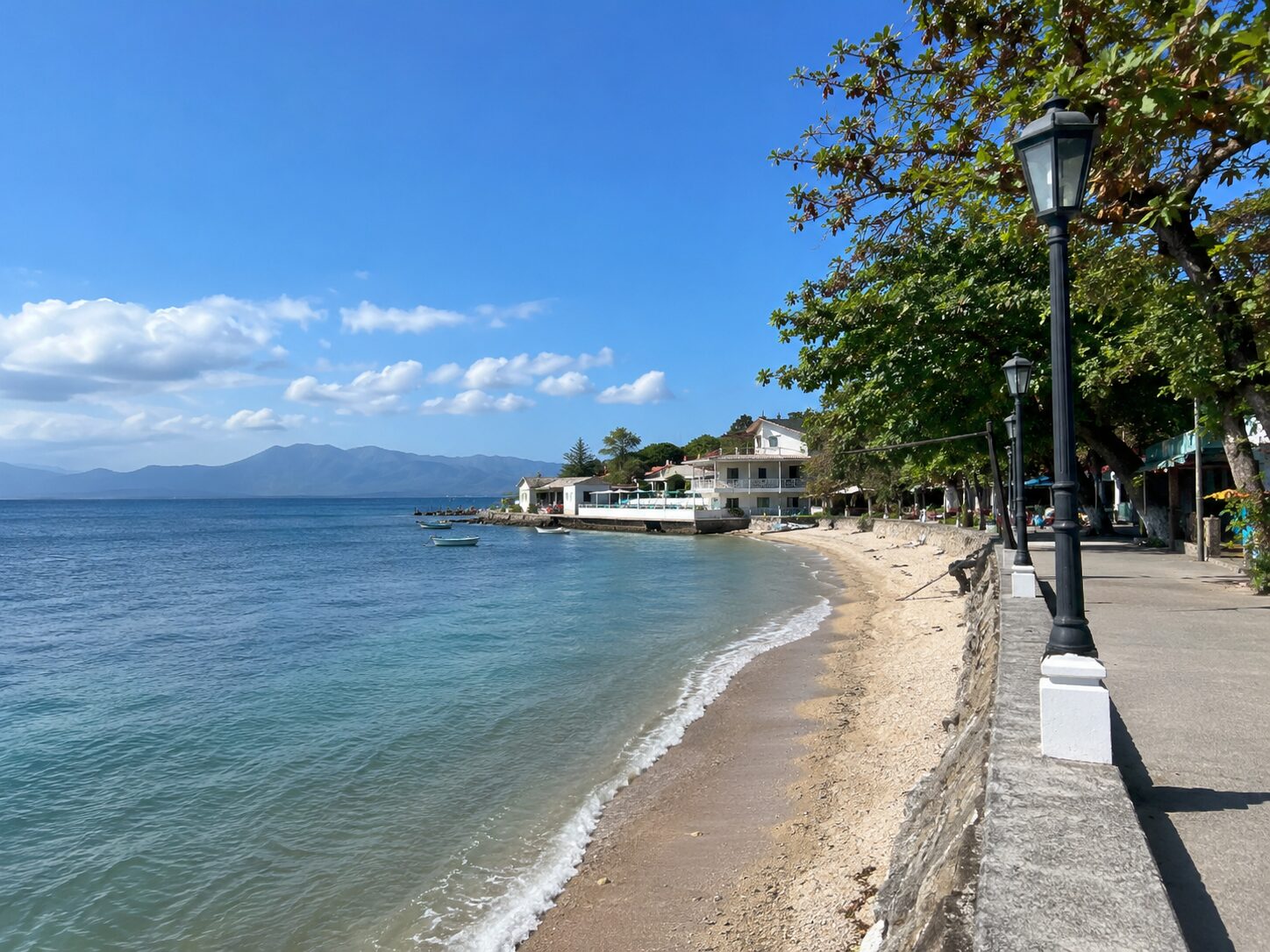
If you want to enjoy the sea at its best, aim for the dry season
If you'd like to enjoy island-hopping around the Hundred Islands or simply spend time on the beach, the dry season is your best option.
Rainfall is especially low from around January to April, and on sunny days the sea takes on a more beautiful colour. On days with strong sunshine, the water sparkles brightly — perfect for photos too.
That said, March–May brings stronger heat, so for outdoor activities, regular breaks and plenty of water are essential. Making good use of the morning and evening hours will help you stay more comfortable.
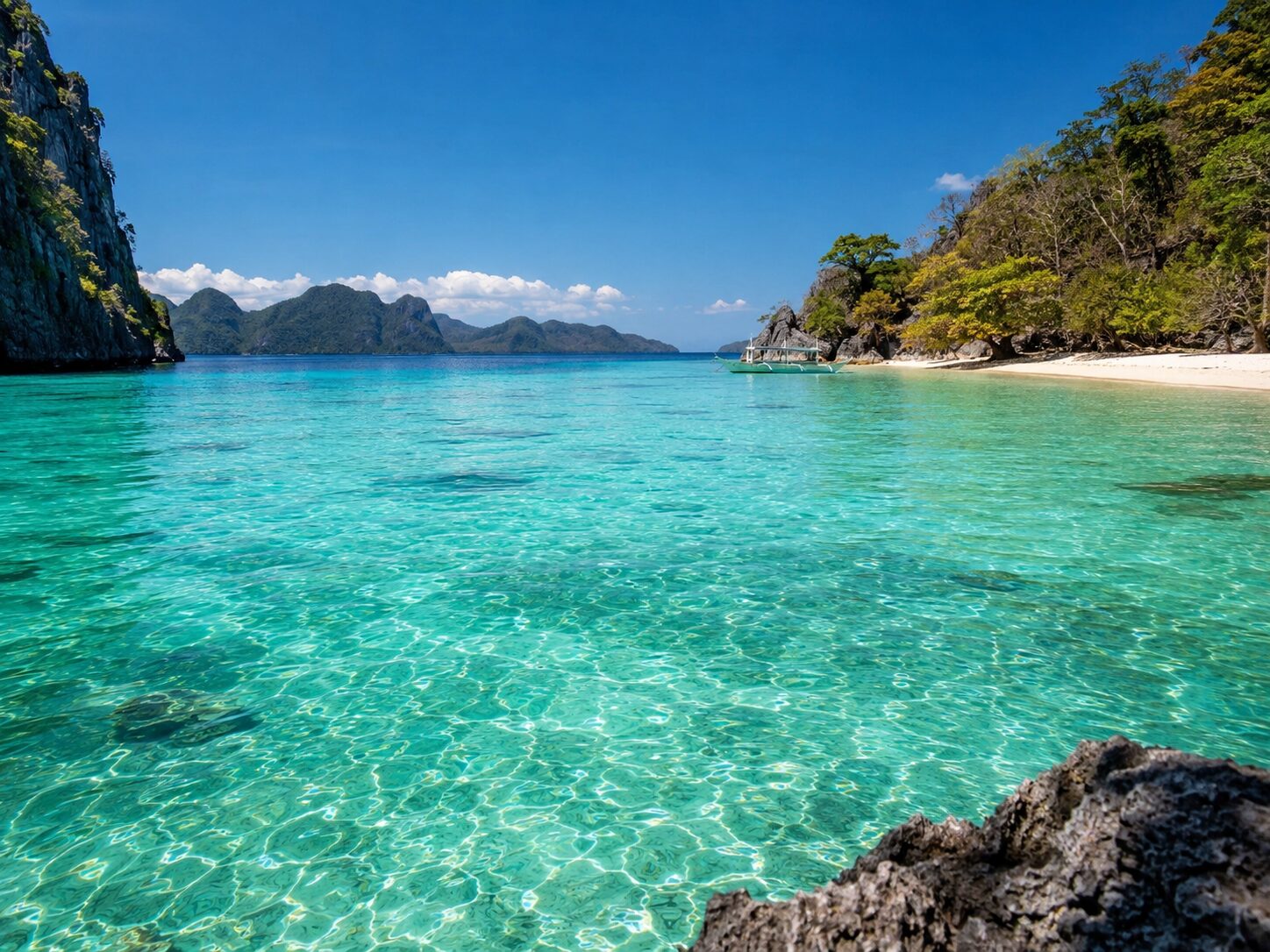
Summer holidays fall in the rainy season — but that doesn't mean you can't go
Japan's summer holiday period, July and August, falls within the Philippine rainy season.
Looking at average figures for Dagupan — a reference point near Lingayen — July and August are the months with the most rainfall. That means outdoor activities can be affected by the weather.
That said, the rainy season here isn't like Japan's tsuyu, with a steady drizzle all day long. Rain often falls hard and fast, like a squall, and then clears up again afterwards.
Summer holidays are also a season when it's easier for students and parent-and-child study trips to join. If you go in with a clear understanding that the weather may not always cooperate, and combine indoor lessons with activities close to home, it's a season you can enjoy just as much.
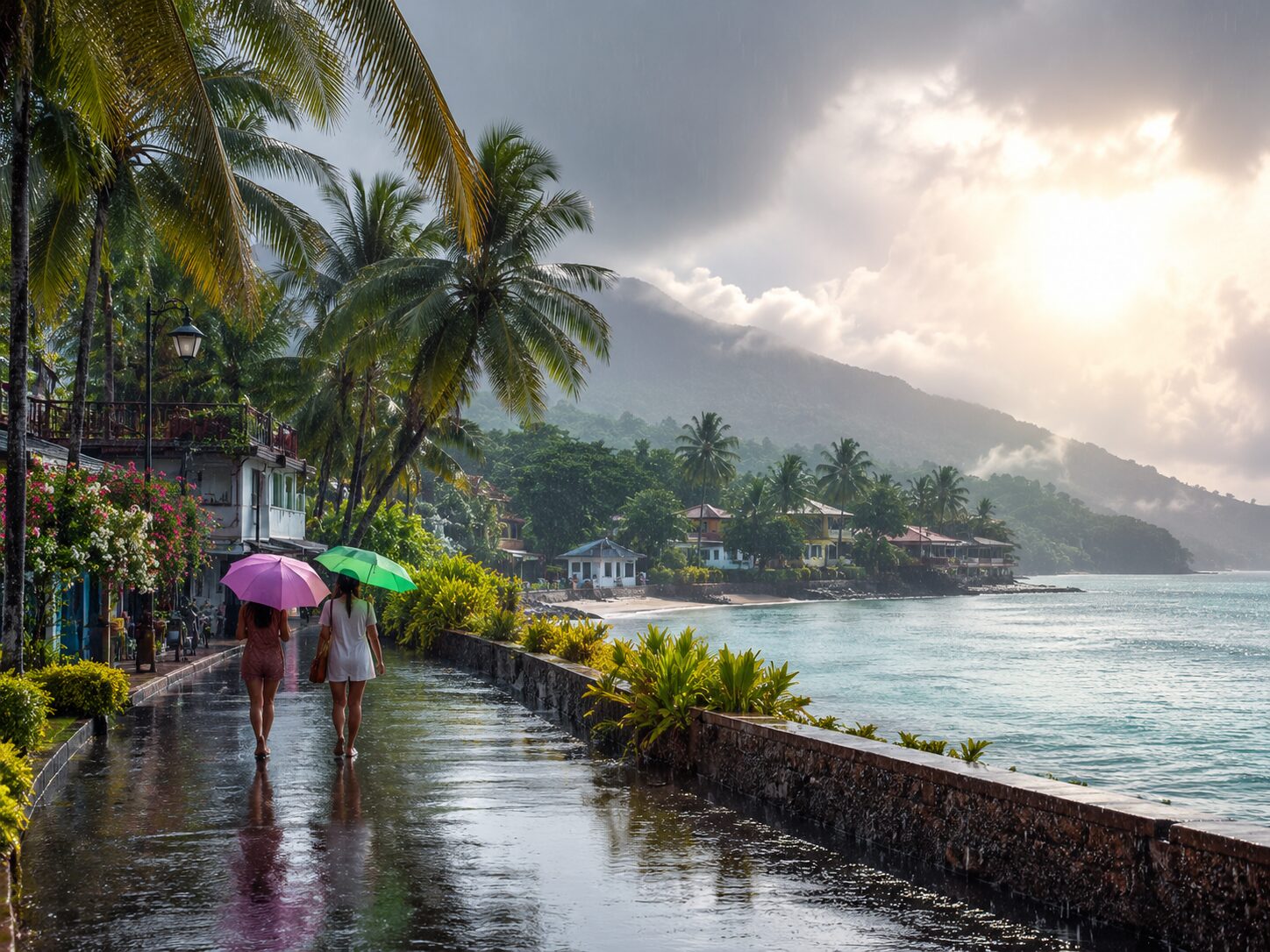
If you want to keep travel costs down, shifting your dates slightly can help
Airfares and hotel rates tend to rise during holiday seasons and long weekends.
So if you'd like to keep costs down, it's worth considering dates that fall just outside the summer holidays, New Year, and major long weekends. Periods such as "mid-January onwards," "February," "just after the May holidays," or "September–November, keeping an eye on the weather," can all be relatively easy to plan around.
Of course, airfares vary year to year. Once you've settled on rough travel dates, we'd recommend getting in touch with us early.
Travelling from Hokkaido? Mind the gap in what you wear
If you're heading to the Philippines from Hokkaido, the temperature difference between departure and arrival can be huge.
You might need a thick coat at New Chitose Airport in winter, yet the moment you land in Manila, you're in tropical air. It helps to wear something you can easily layer on and off at the airport.
On the ground, breathable clothing, a hat, sandals, and sunscreen will serve you well. On the other hand, aircraft cabins and some indoor facilities can be strongly air-conditioned, so a light cover-up is worth packing too.
Our conclusion: the best approach is to choose based on your goal
The best season for a Philippines study trip really depends on what you're hoping to get out of it.
If comfort is your priority, go for December–February. If you want to enjoy beautiful seas, aim for the dry season. If you need to work around school holidays, summer or spring break are your windows. If you'd like to keep costs down, choose dates just outside the busy periods. Every season has something to offer.
Having visited in person ourselves, what struck us most is that the Philippines is the kind of country that makes you want to go back and experience a different season all over again. Choose the timing that suits you, and we hope you'll discover new learning and new experiences of your own.