


Hello, everyone. Welcome to Day 4 of Series II of our Site Visit Diary — field reports from our short-term language study programme in the Philippines.
This inspection has now reached its final day. To build a study-abroad plan I can recommend to people from Hokkaido with full confidence and pride, I'm determined to see, hear, and feel everything right through to the end.
To a Large, Nature-Rich Campus
The first school we visited that day left a strong impression with its vast campus, surrounded by nature.
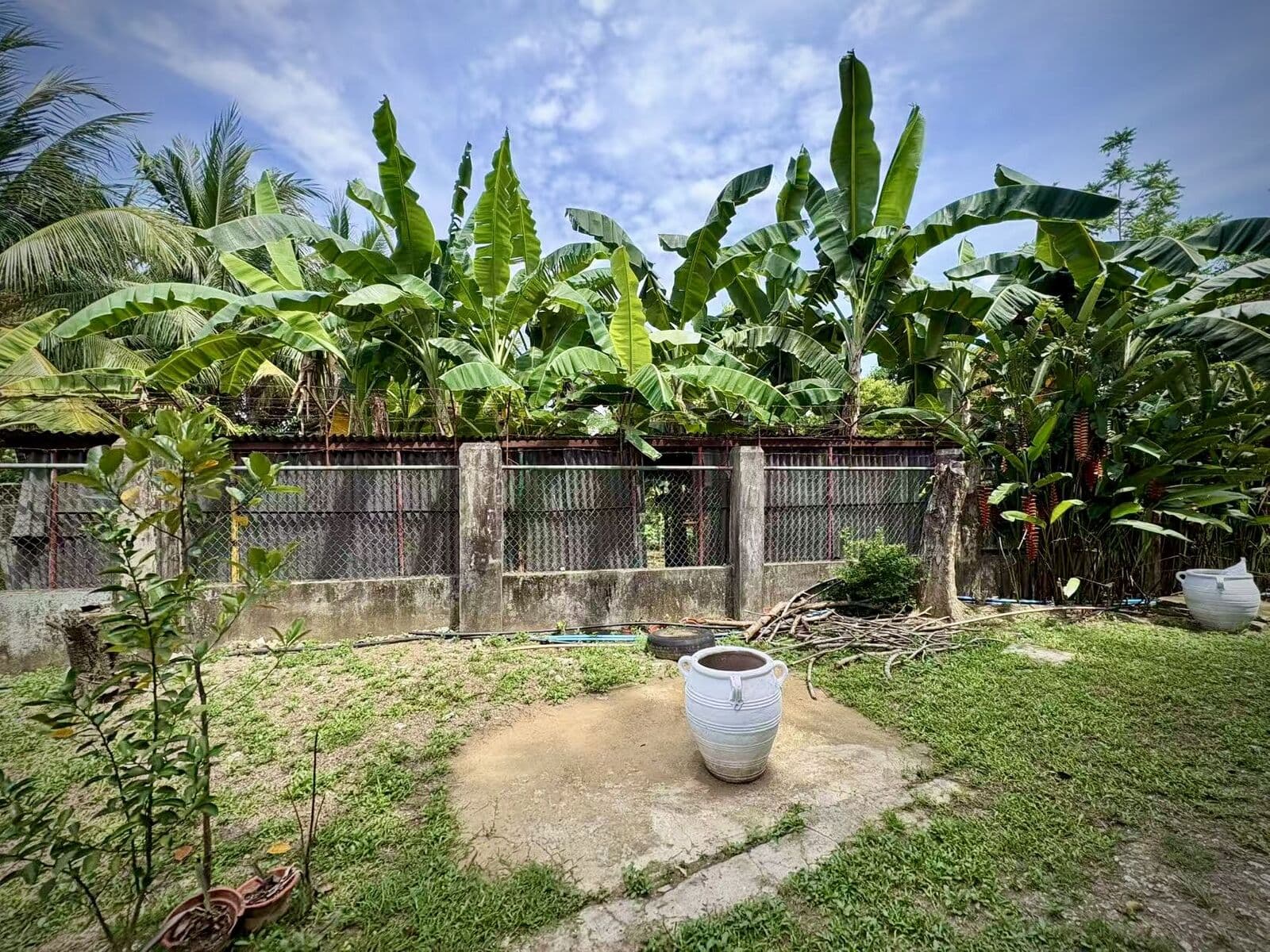
The grounds cover roughly 5.8 hectares (about 14 acres) — comparable to eight or nine football pitches. The campus is lush with greenery, with a real sense of space throughout.
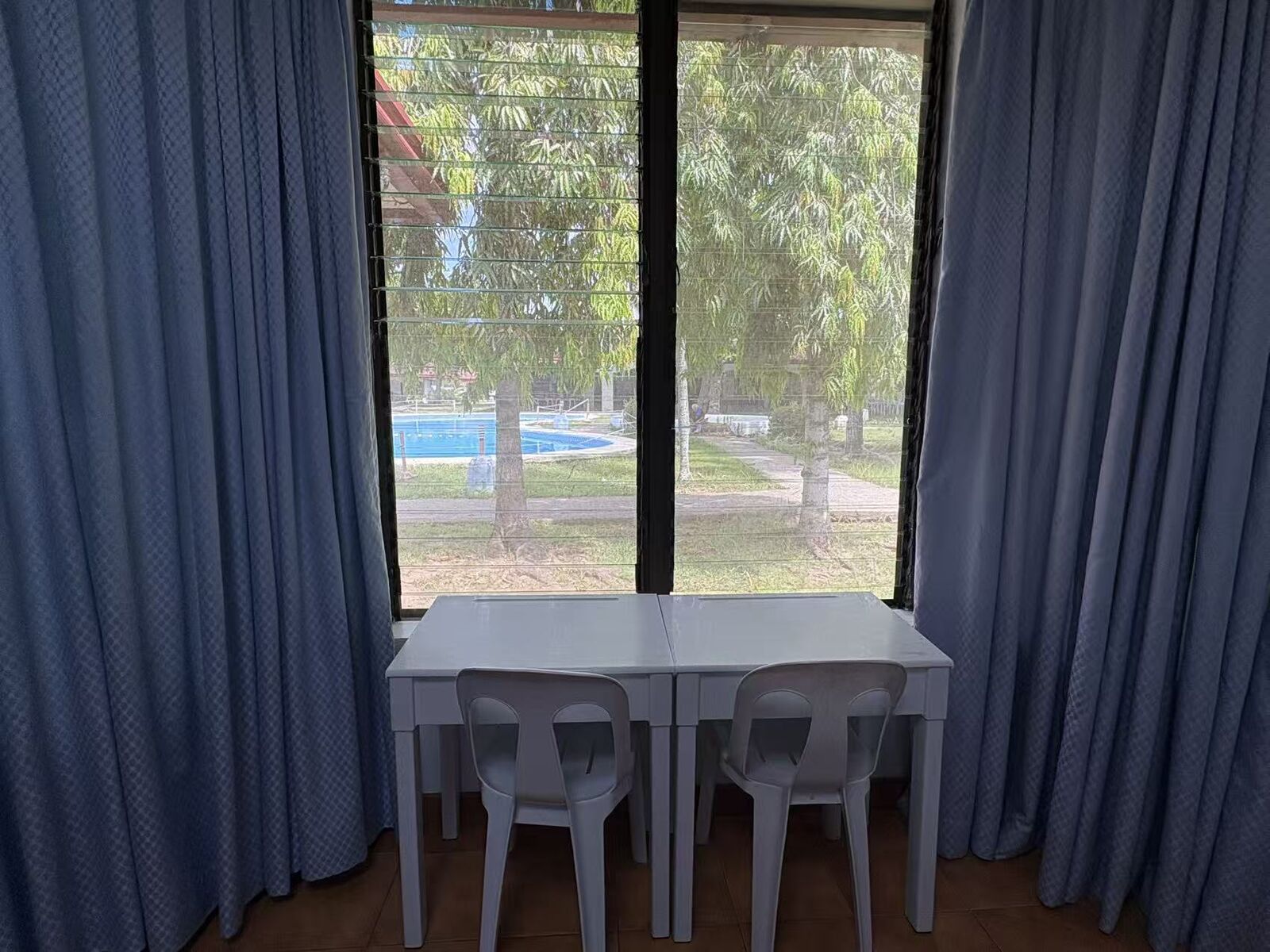
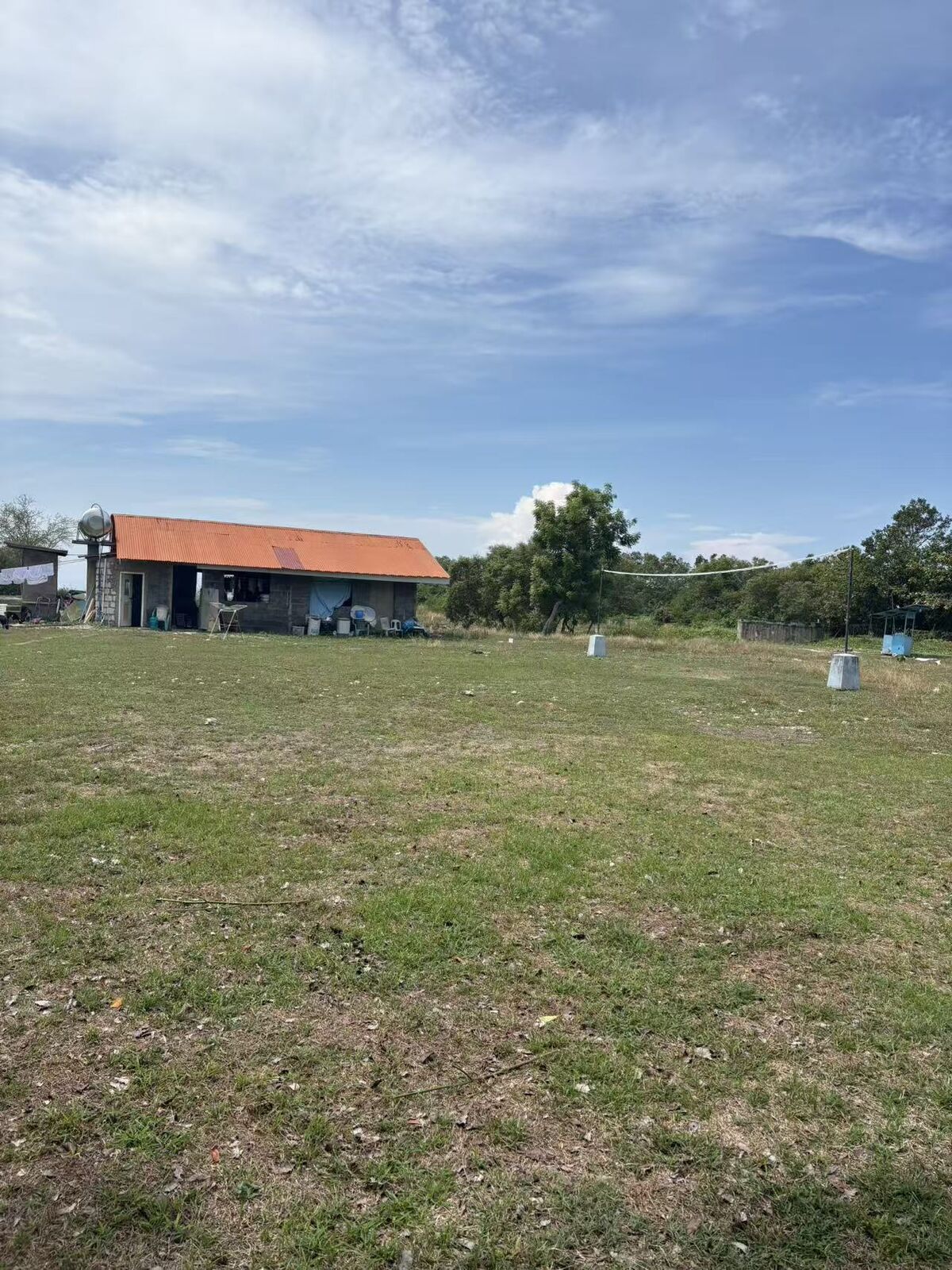
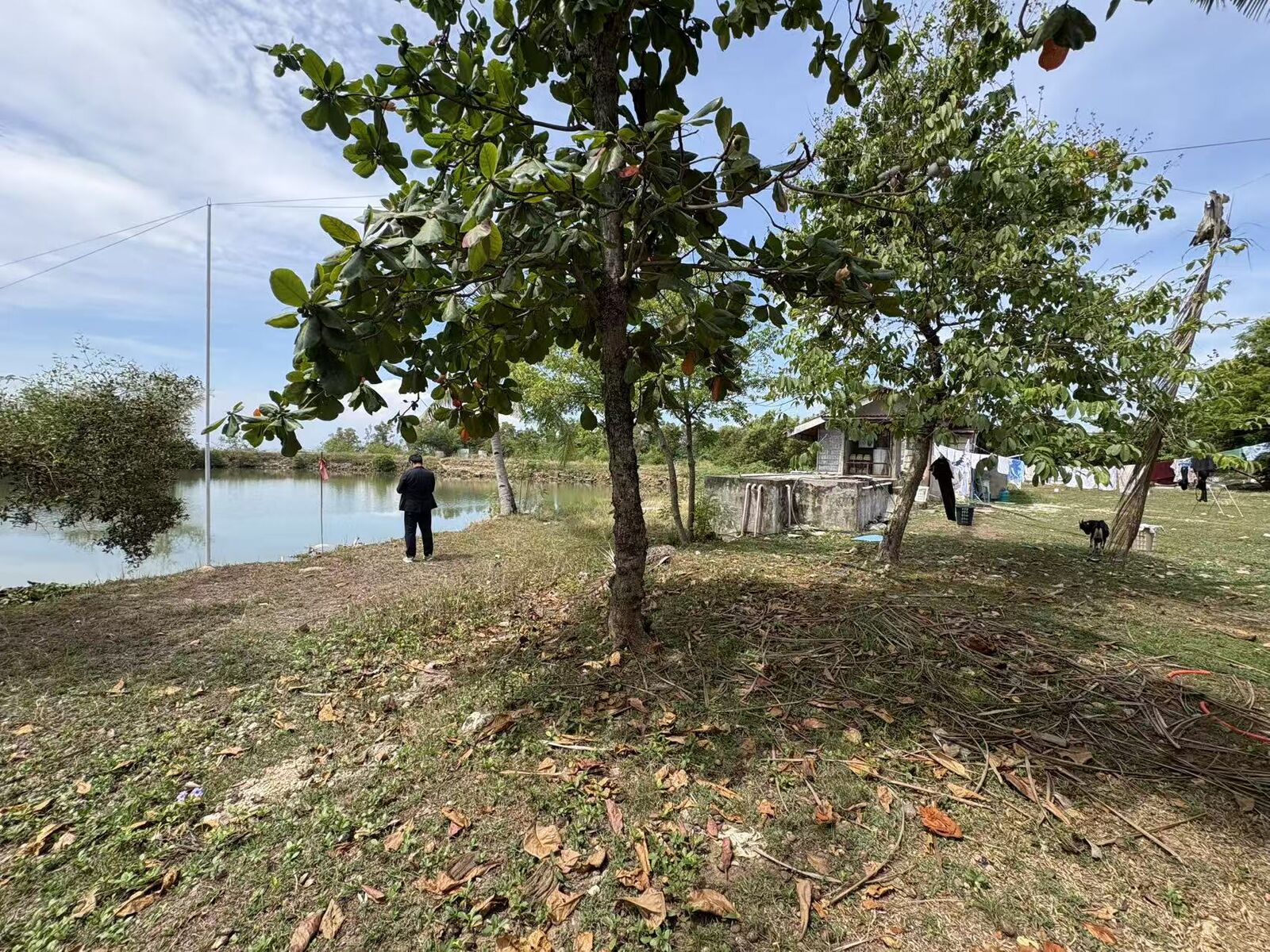
For adult visitors, there's even the option of golf lessons and rounds — thoughtful touches that let you enjoy the stay itself, not just the English lessons.
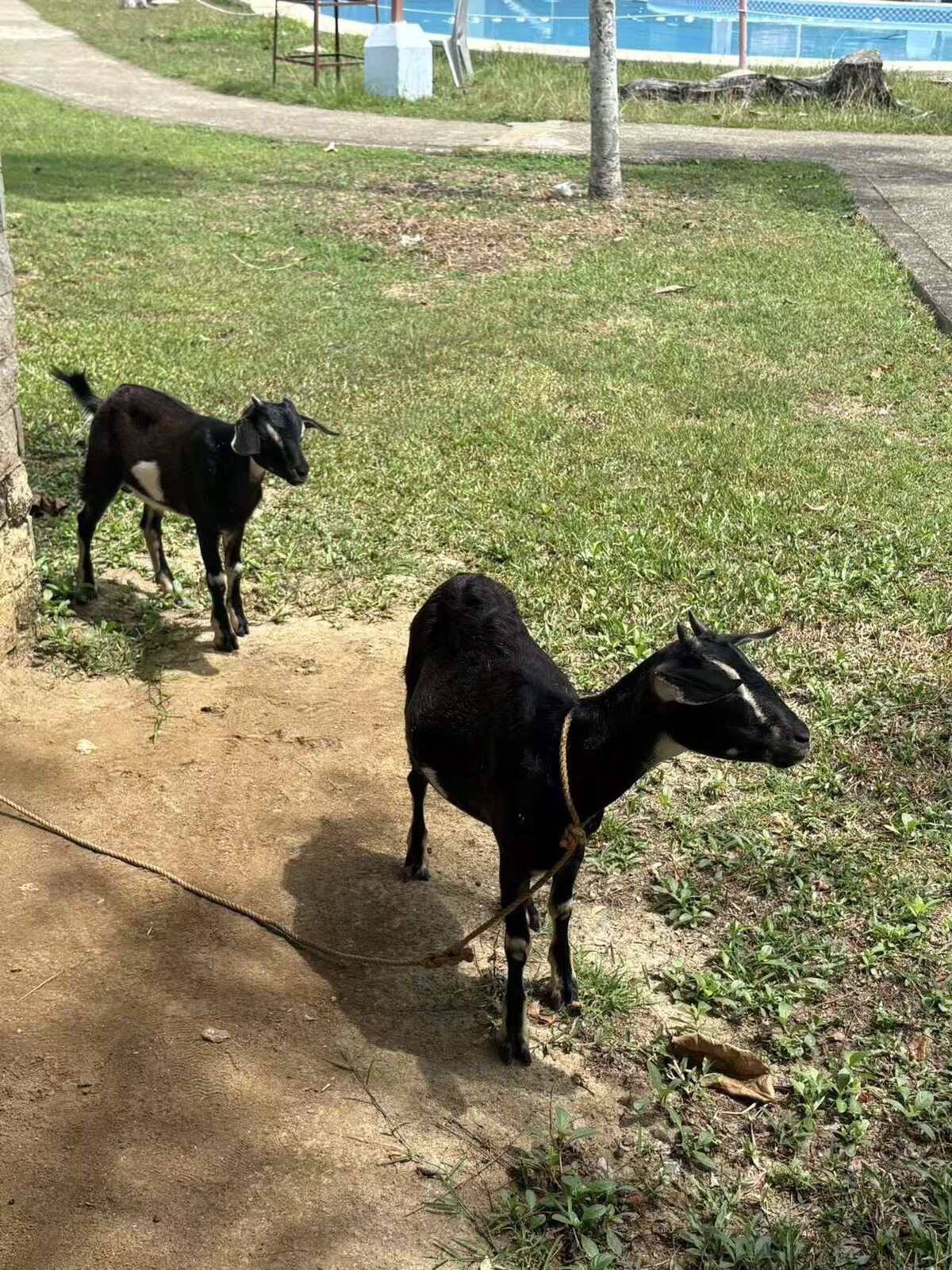
On top of that, students can spend time with animals such as dogs and goats. Amid the unfamiliarity of life abroad, having this kind of time with nature and animals is a real comfort — one of the campus's biggest charms.
There's even a beach within the campus, giving immediate access to the sea. With basketball and volleyball courts also on hand, I felt this would suit anyone who wants to stay active and keep healthy during their time here.
Learning English while also moving your body, connecting with nature, and looking after mind and body — this kind of study-abroad experience has real potential as an option we can offer people from Hokkaido going forward.
Cebu's Language Schools: Far More Comprehensive Than I Expected
Having inspected several schools on this trip, what struck me was how comprehensive the service is at every one of them.
Course content, tuition fees, meals, security, a resident Japanese staff member, the hospitality of the local team — on every count, the systems for welcoming international students were solidly in place.
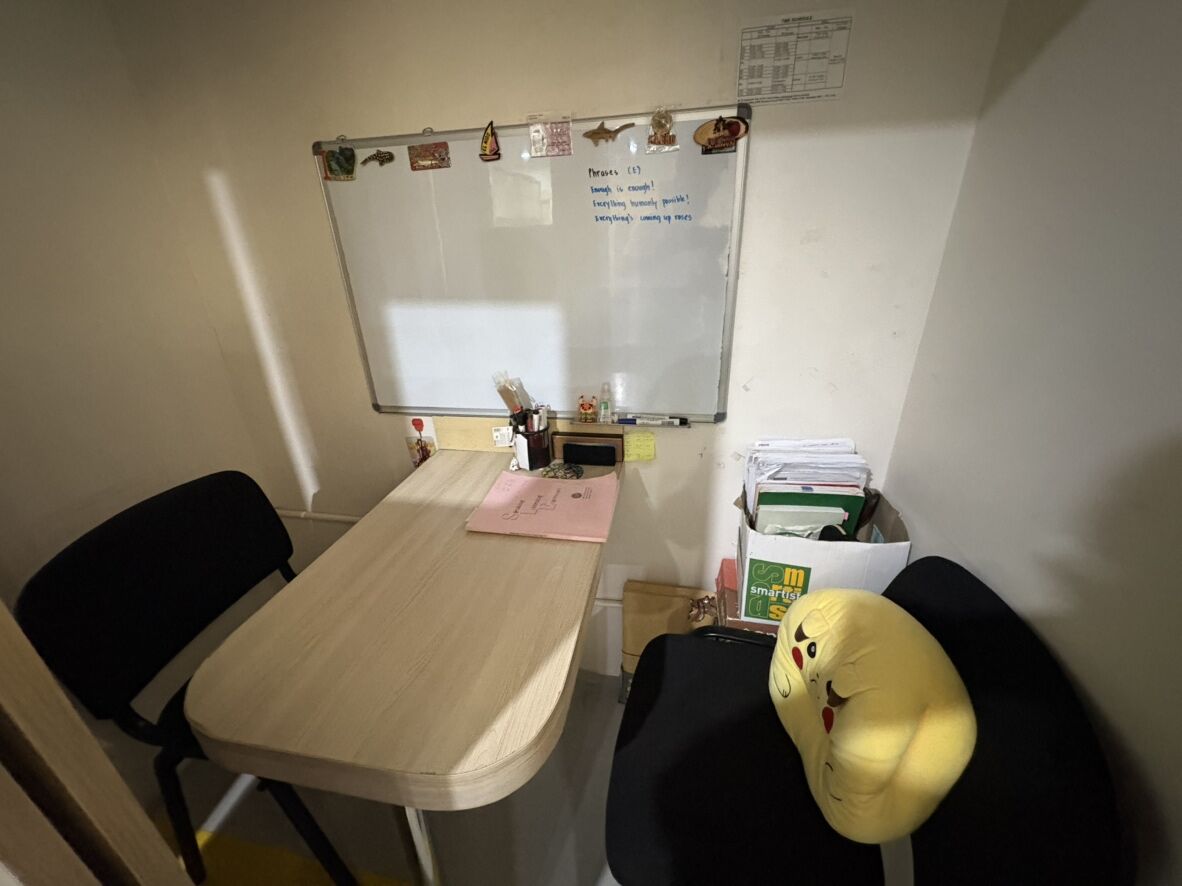
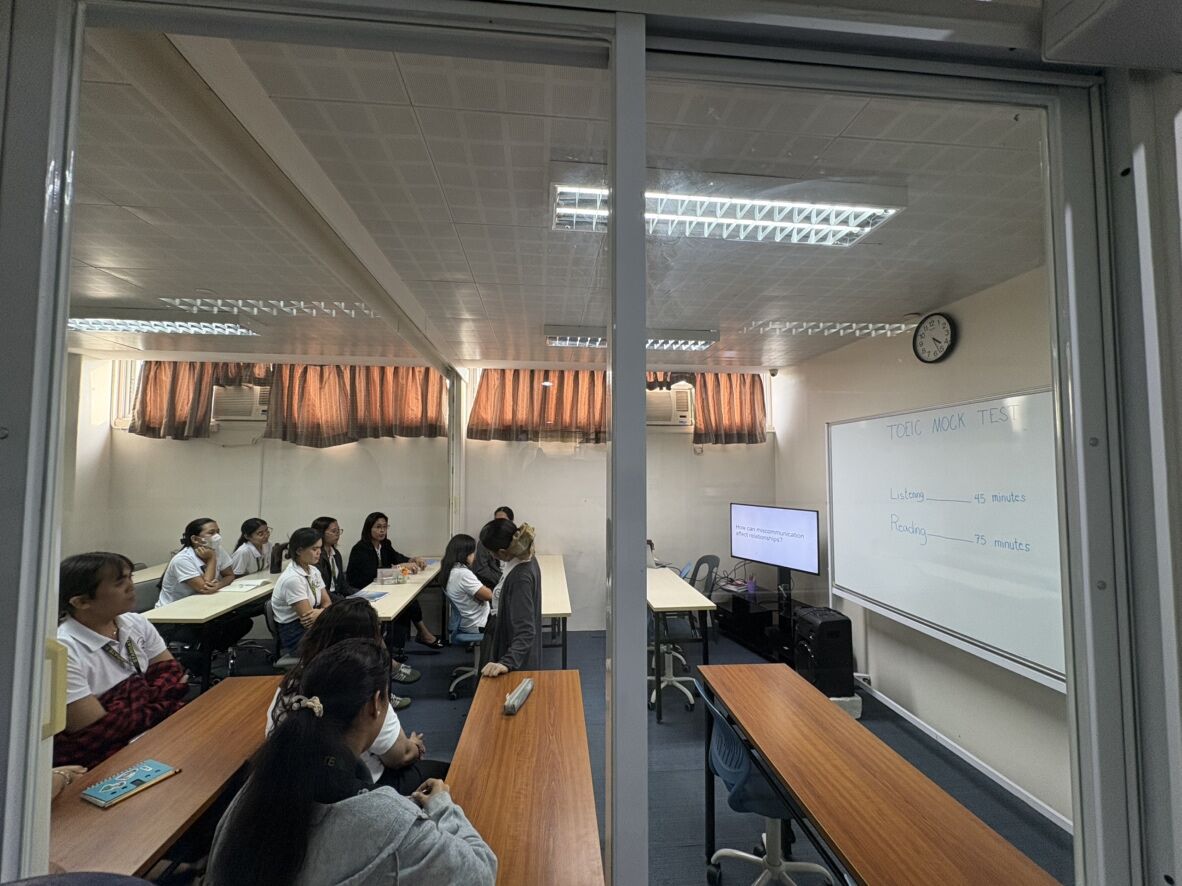
The medical provisions in particular left me with an impression of care that went beyond what I'd expected. Some schools have a resident doctor or nurse, so if a student's health takes a turn for the worse, there's someone on hand to consult.
I also felt that, compared with Manila, Cebu offers many more opportunities to use English out on the street — it's an environment where you naturally come into contact with the language throughout the city. Beyond the classroom, everyday life itself — shopping, eating out, getting around — becomes English practice.
That's a major advantage for short-term study abroad. Even within a limited period, the more chances you have to use English, the denser the learning becomes.
Not Just the Good Points — A Few Things Japanese Visitors Should Know
That said, only talking about the good points wouldn't be honest. Through this inspection, I also came across a few things I think Japanese visitors should know in advance.
The first is the toilet situation.
Setting aside the Japanese-affiliated university we visited yesterday, some of the toilets were the kind that take a Japanese visitor a little getting used to. In the Philippines — not everywhere, but in some places — the norm is not to flush toilet paper down the bowl, but to dispose of it in a bin placed beside it.
For anyone used to life in Japan, this can be a little disorienting at first.
The second is how downtime is spent in the room.
There isn't much of the kind of space you'd find in Japan — taking your shoes off, sitting or lying down on the floor, or gathering round a table with family over tea. The rooms are functional, but they don't always match the image of "relaxing" that Japanese visitors have in mind.
That said, for anyone who isn't too bothered by these two points, Cebu's language schools are highly appealing. Weighing up lessons, daily life, cost, and support, I felt the barrier to welcoming Japanese students here has come down considerably.
Going forward, I'd like to explore plan development from a slightly different angle too — off-season short-term study abroad, or partnerships with correspondence high schools, for example.
On the Final Night, Dinner with the Team from B'Ceb
On the last night of the inspection, we had dinner together with the team from B'Ceb.
Over Japanese food, we talked with the Korean president and a Japanese staff member about the possibilities for studying in Cebu.
The president turned out to be someone who genuinely loves Japanese people.
"I want more Japanese people to come to Cebu. I want to help them learn English here and step out into the world."
The passion with which he said this has stayed with me.
What surprised me even more was that the president himself had studied English here in Cebu for three months, and now has an English ability that lets him communicate with barely any difficulty.
It really does confirm the power of putting yourself in an environment where you're surrounded by English. English isn't something that's completed at a desk. I think it becomes truly your own gradually — by talking with people, getting things wrong, and feeling the joy of being understood.
Why not try learning here in Cebu yourself? We'll do everything we can to support that first step towards making your mark in the world.
Bonus Section: A Touch of Filipino Character, and Some Travel Precautions
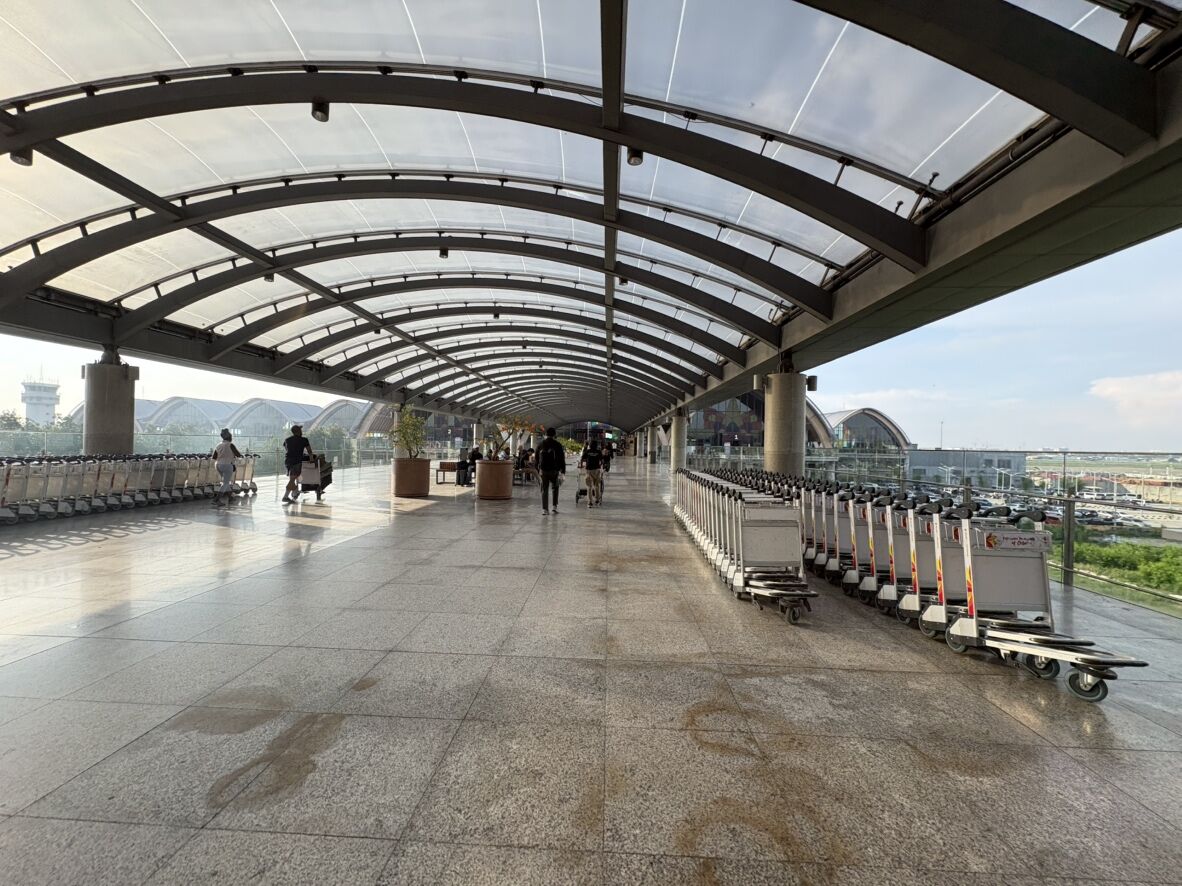
As a bit of a side note, this happened when we travelled from Clark to Cebu.
We reached the airport around 30 minutes before departure — by rights, check-in should already have closed by then.
Even so, once we explained the situation and asked, the staff managed to process our check-in after all.
This kind of flexibility is one of the appealing sides of the Philippines, but also a point that calls for a little caution. Attitudes to time here are more relaxed than the Japanese sense of it.
That said, I wouldn't recommend cutting things this fine yourself when travelling or studying abroad. It's important to arrive at the airport with time to spare, and to build slack into your travel schedule generally.
The other thing to watch out for is the heat. The Philippines really is hot. Remember to stay hydrated, and avoid drinking untreated tap water. Looking after your health as you go is the foundation of an enjoyable study-abroad experience.
Reflecting on Day 4
Day 4 was the day that brought our plan development in Cebu to its final stage.
A large, nature-rich campus. Hotel-like comfort in the facilities. A city environment where English is easy to use. Thorough medical provisions. And the local team's genuine passion for supporting Japanese people stepping out into the world.
Through this inspection, I came away strongly convinced that Cebu holds a diverse range of possibilities for study abroad.
At the same time, there are things — such as the toilets, or how downtime is spent in the room — that Japanese visitors are better off knowing in advance. I want to be upfront about both the appealing and the less familiar sides, and use that honesty to build a study-abroad plan that truly suits people from Hokkaido.
From Hokkaido to the world. Learning English isn't simply about memorising words. It's about going somewhere new, meeting new people, and expanding what you're capable of.
There's a great deal of work waiting for me once I'm back in Japan. I'll take everything I've seen, heard, and felt on this trip, and turn it, piece by piece, into a plan that's genuinely of value to you.
We will do everything we can to support your new step forward.
The Diary So Far (Days 1–3)
This Day 4 entry brings Series II to a close. Do take a look back over the earlier records too, tracing the journey from Lingayen to Cebu.