


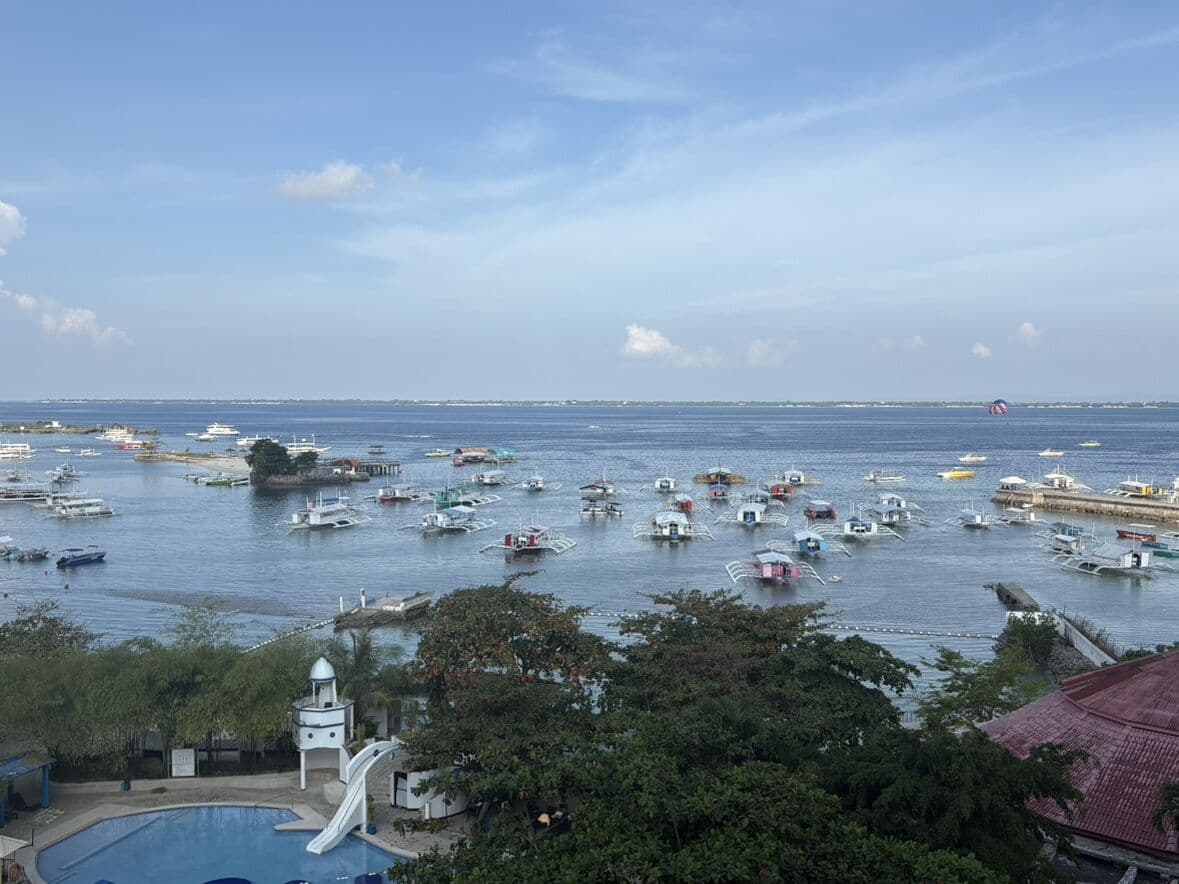
Hello, everyone. Welcome to Day 3 of Series II of our Site Visit Diary — field reports from our short-term language study programme in the Philippines.
On the previous day, in Lingayen, we visited the language school Parrots-kun, as well as a clinic, a student dormitory, the city hall, and the provincial government — all to confirm that the study-abroad environment there is one we can recommend to people from Hokkaido with full confidence.
And from Day 3, the stage shifts to Cebu.
The purpose of this leg of the visit is twofold: to deepen our ties with Lingayen, and — alongside that — to explore the possibilities for a new short-term study-abroad plan that people from Hokkaido can join with ease.
Cebu Has Many Language Schools — Which Is Precisely Why Choosing Carefully Matters
Cebu has a great many language schools, concentrated in and around the city centre and the Mactan area. When you count them large and small together, there are said to be around 100 schools in all.
That said, not all of them operate to the same standard. Solid management, a living environment you can trust, the quality of teaching, the level of support for students — assessing each of these carefully is an important part of our role.
There are things that brochures and websites simply cannot tell you. That is why I go in person — to see, to hear, and to feel for myself. This Cebu inspection is a vital step towards building a plan we can genuinely recommend to people from Hokkaido.
First Stop: Inspecting a Japanese-Affiliated University in the Mactan Area
The first place we visited that day was a Japanese-affiliated university in the Mactan area.
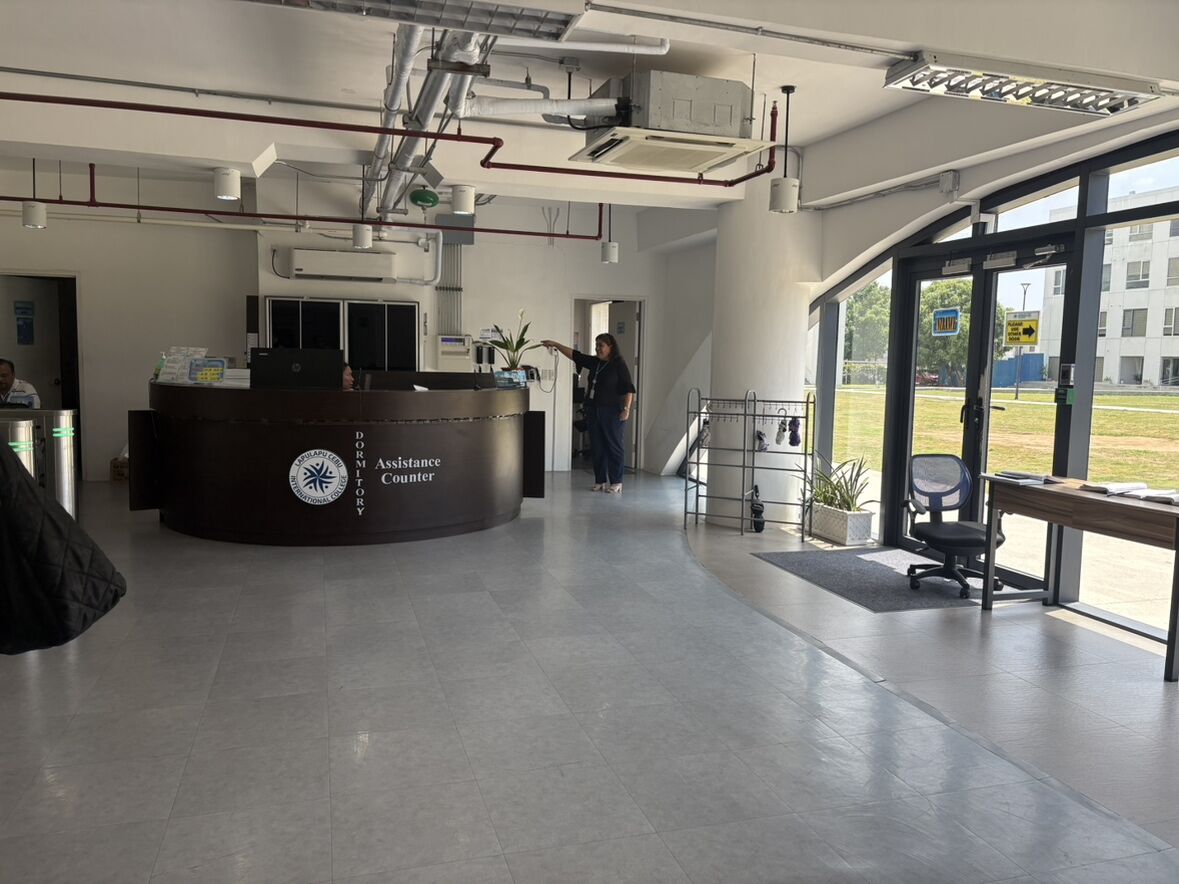
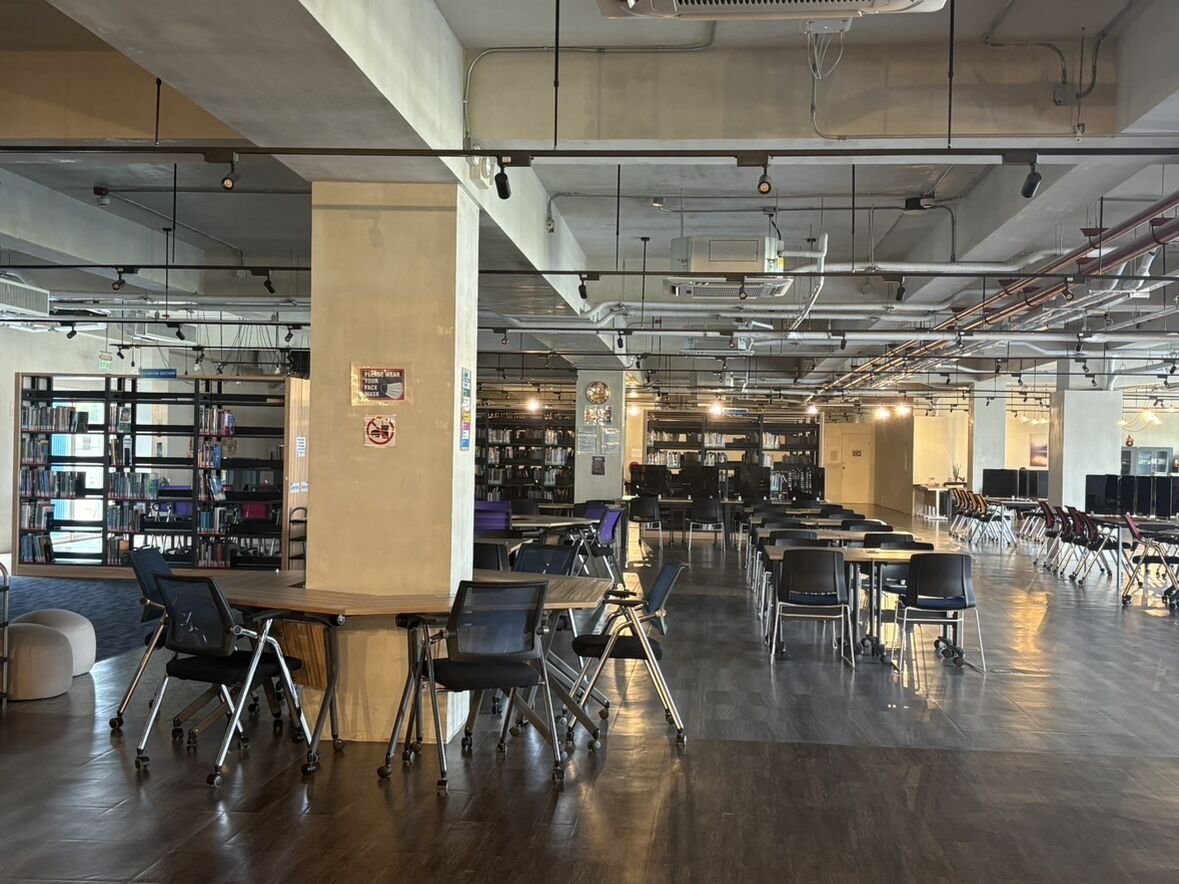
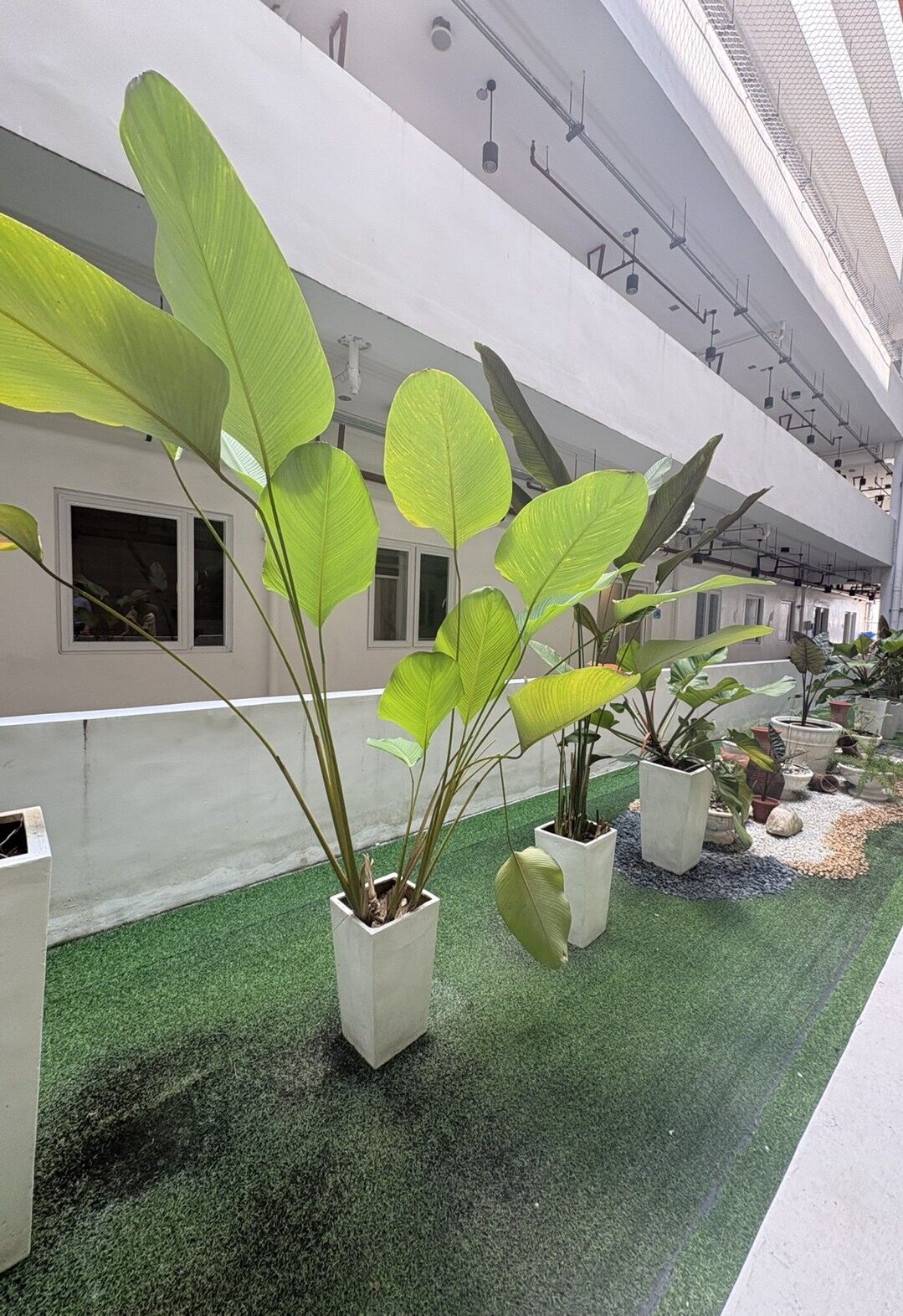
This university runs both a regular degree programme for local Filipino students and a short-term study-abroad programme for international students.
What struck me most was the arrangement — underpinned by agreements with Japanese universities — whereby credits earned during the study-abroad period can be recognised upon returning to Japan. The experience of studying overseas need not end as a mere memory; it can feed directly into a student's career or further education after they come home. For Japanese students who feel uncertain about their post-study path or future plans, I found this a genuinely reassuring feature.
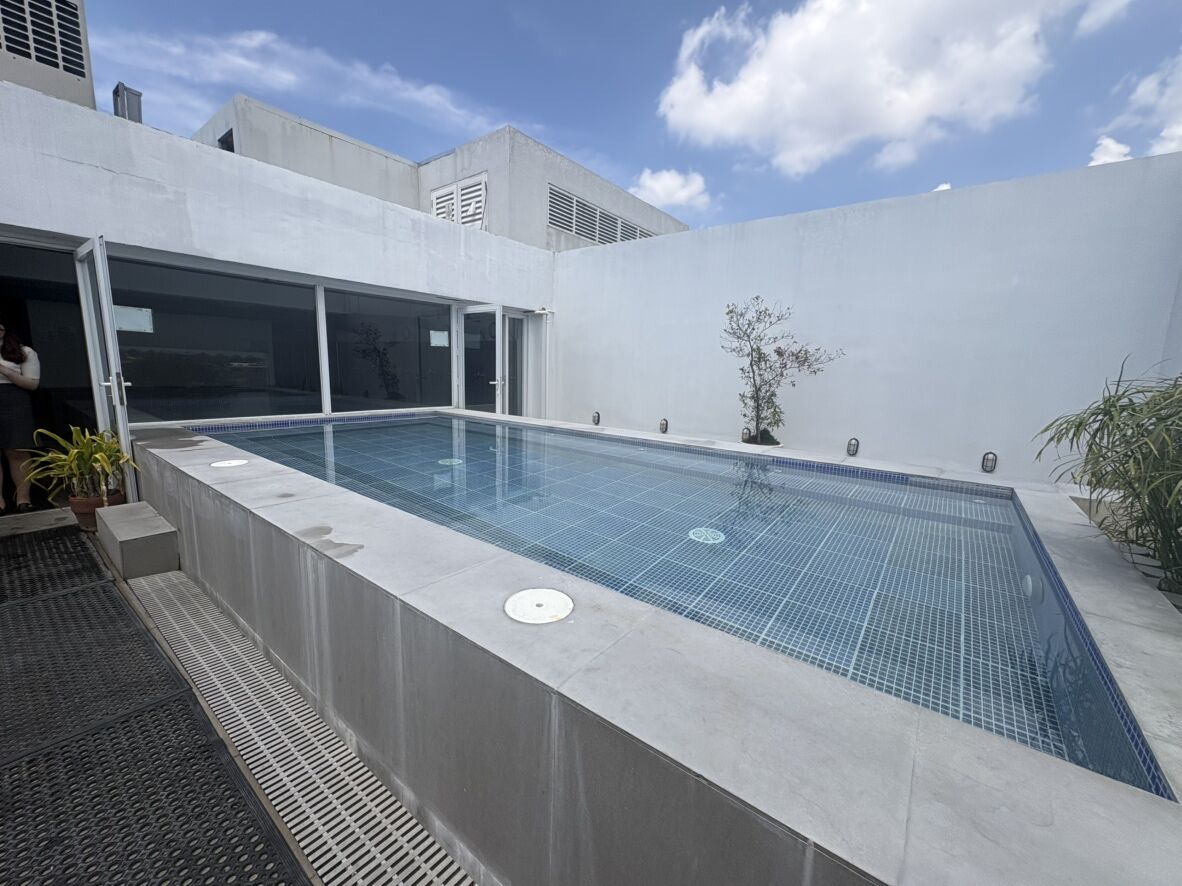
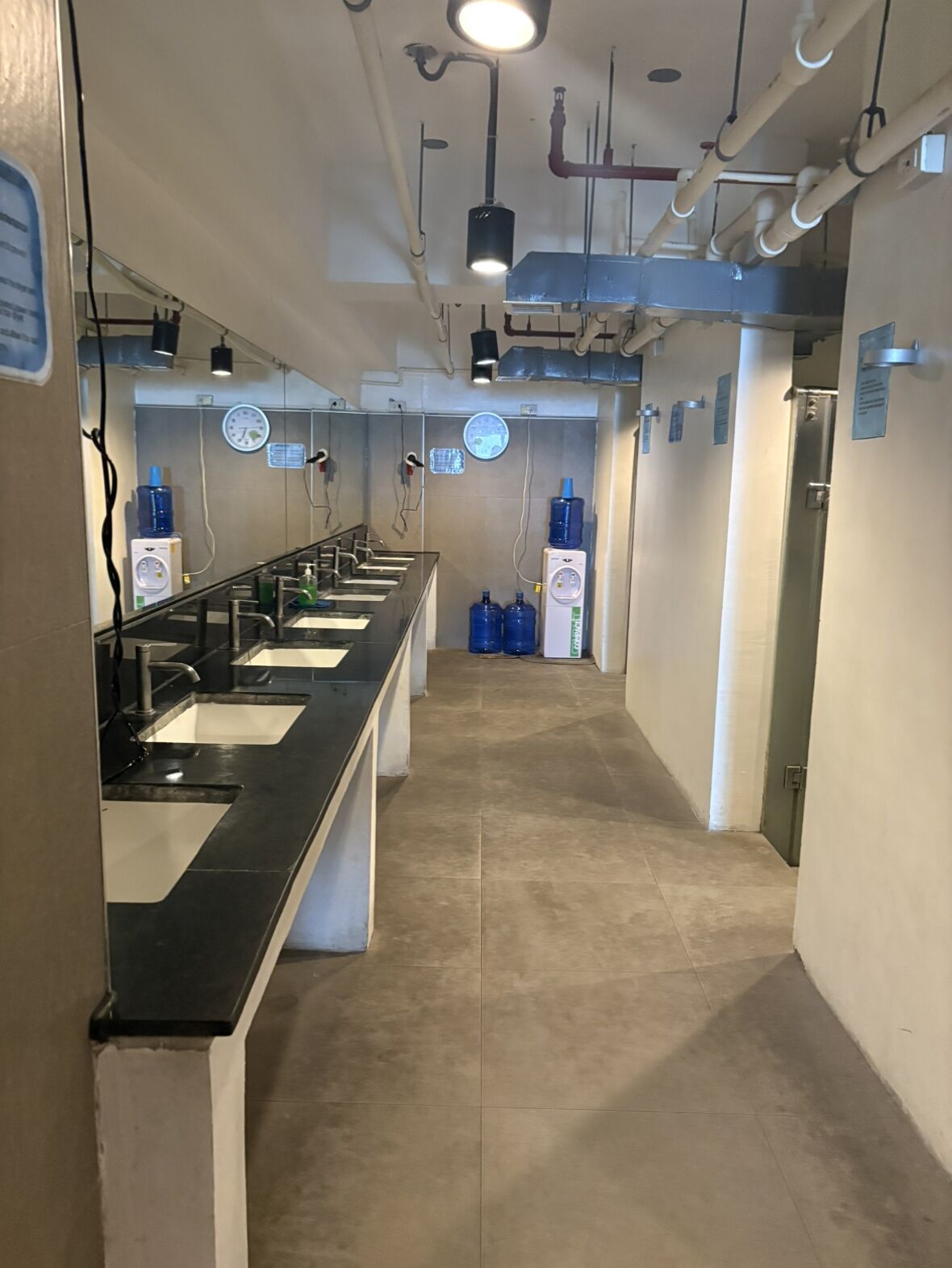
One thing that matters greatly to Japanese visitors is hygiene. The cleanliness of the toilets, in particular, has a significant bearing on comfort during a stay — even a short one.
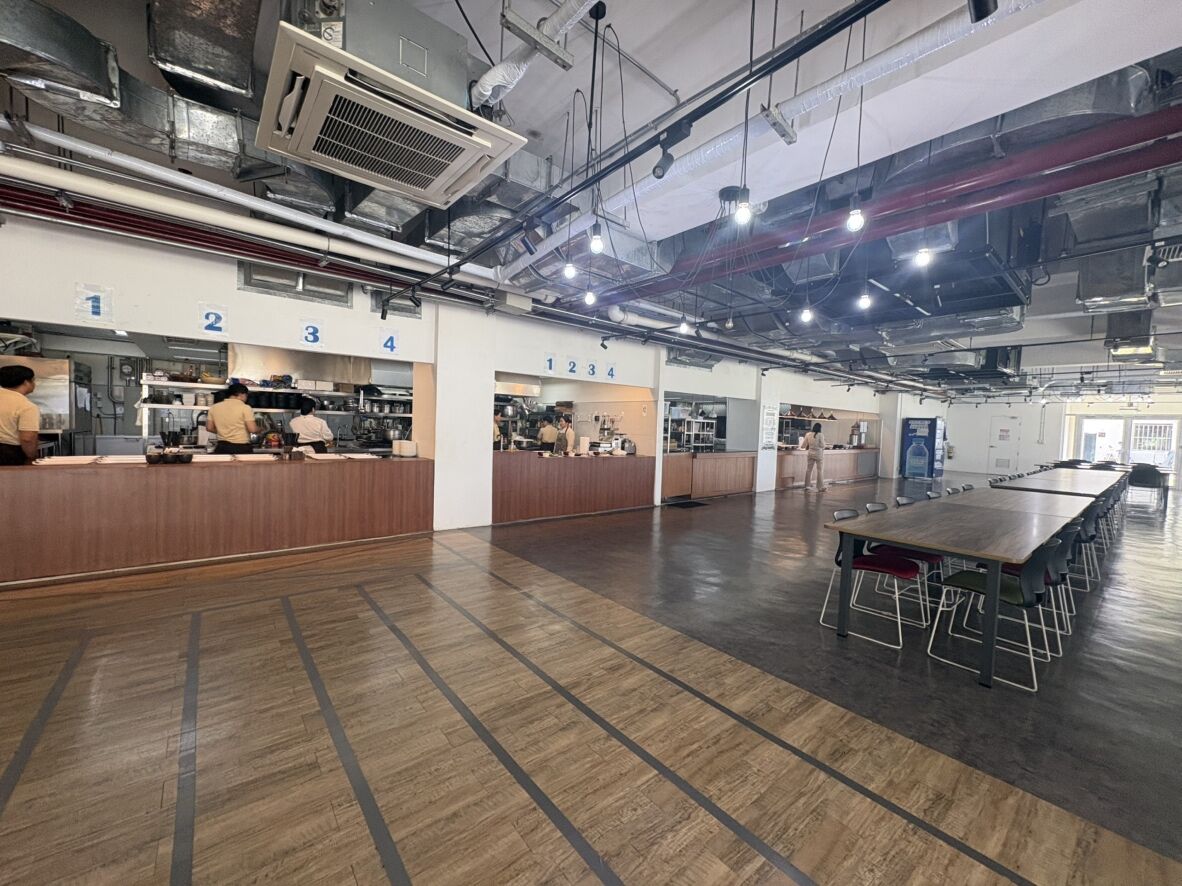
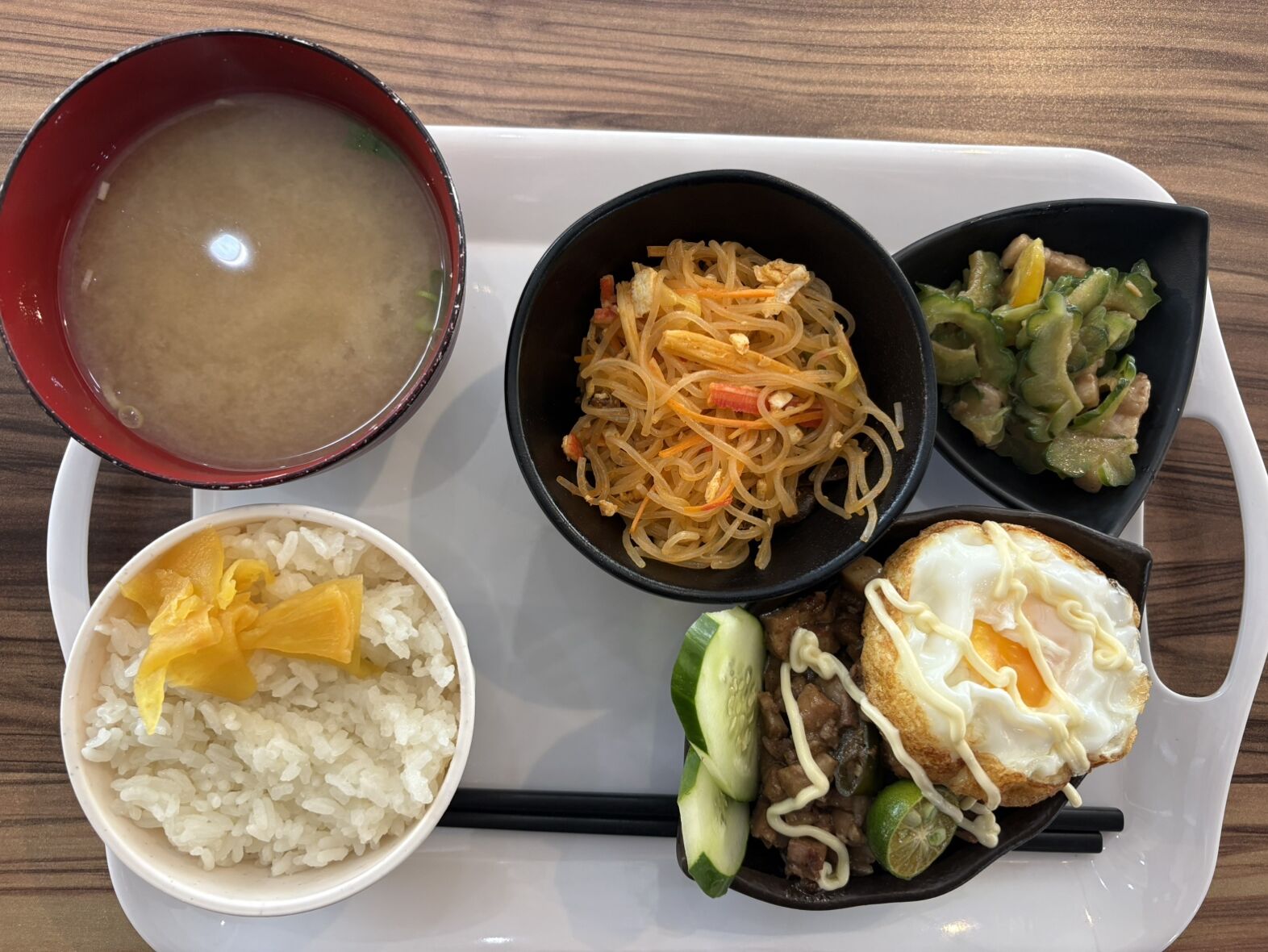
The facilities I inspected were clean, and there were thoughtful touches in the sanitary equipment that Japanese visitors would feel at home with.
Visiting Three Large-Scale Korean-Run Language Schools
Next, we inspected three of the major Korean-run language schools.
The Korean-run schools left me with the overall impression of something closer to a hotel-style complex than a language school in the conventional sense. Classes, meals, accommodation, rest areas, exercise facilities, and daily life support are all designed to be handled entirely within the one site.
There is also a convenience to them — something like having a shopping mall and a language school rolled into one — which makes them reassuring for anyone stepping overseas for the first time.
The curricula were extremely rich. Some schools place a strong emphasis on speaking; others operate on a rigorous, disciplined schedule; others specialise in exam preparation. Each has its own distinct character.
Some schools also cap the proportion of Japanese students in the overall intake, in order to create a genuinely multinational learning environment — one where English is used naturally rather than being bypassed by clustering with fellow Japanese speakers. This point strikes me as particularly important when it comes to raising the density of English exposure, even over a short period.
Pools, Ocean Views, Medical Care — Overwhelmed by the Range of Options
Among the schools we inspected, some had dormitories with direct access to an on-site pool, and others offered hotel rooms with ocean views as student accommodation.
A learning environment where you can sense the sea. Facilities to refresh yourself between study sessions. Design that prioritises comfort in daily life.
It came through clearly that each school has put considerable thought into enhancing its facilities and amenities.
What surprised me most, however, was the level of medical support. Some schools have a resident doctor or nurse on site, with an arrangement whereby students can consult someone about their health without leaving the campus. One school even offered something along the lines of acupuncture therapy — and I found myself quite overwhelmed by the breadth of options on offer.
When presenting a plan to people from Hokkaido, the balance of learning environment, daily life, health, and peace of mind is enormously important. I came away feeling that Cebu has a diverse range of schools that can meet precisely those needs.
An Exchange of Views with a Cebu-Based Agent
On this day, I also had the opportunity to speak with a well-known study-abroad agent based in Cebu.
One thing they said stayed with me.
"It would be a shame to stop at one-to-one lessons with a teacher. Isn't the real meaning of studying overseas to grow as a person — to feel a culture in your body through actual experience, using English as you live it?"
I found myself thinking: yes, exactly.
English is not something you acquire solely within the classroom. Shopping. Ordering at a restaurant. Striking up a conversation with a local. Getting from one place to another. Encountering a culture. Trying to explain something slightly difficult in your own words.
Each of those experiences, one by one, transforms English from something you know into something you can actually use.
Beyond Language — What Do You Want to Prioritise?
Cebu offers a wealth of choices. And precisely because of that, simply picking a well-known school is not enough.
What do you value, beyond language study?
Do you want to push your speaking ability in a short time? Do you want a safe, comfortable experience for a parent and child travelling together? Do you want the stimulation of a multinational environment? Do you prefer the comfort of hotel-style living? Do you want to focus on cultural experiences and connection with people?
The right school and the right plan will differ depending on those goals.
Start with just one week — take the challenge of learning overseas. Even that alone might change the way you approach English, and the way you see the world.
Stepping out from Hokkaido and going abroad may not be a simple decision to make. But that is precisely why we want to create a plan that allows people from Hokkaido to take that first step with confidence and peace of mind.
Reflecting on Day 3
Day 3 was the day that new study-abroad plan development in Cebu began in earnest.
Each school has its own appeal, and each suits a different kind of student.
What we are aiming for is not simply to introduce "affordable study abroad" or "famous schools." What does meaningful study abroad truly look like for people from Hokkaido? What kind of plan allows someone to learn, to experience, and to return home having grown a little as a person?
This visit exists to find that answer.
For the internationalisation of people from Hokkaido, and for nurturing the human talent of the future — we will continue our inspections in Cebu tomorrow.