


Hello, everyone. Welcome to Day 2 of Series II of our Site Visit Diary — field reports from our short-term language study programme in the Philippines.
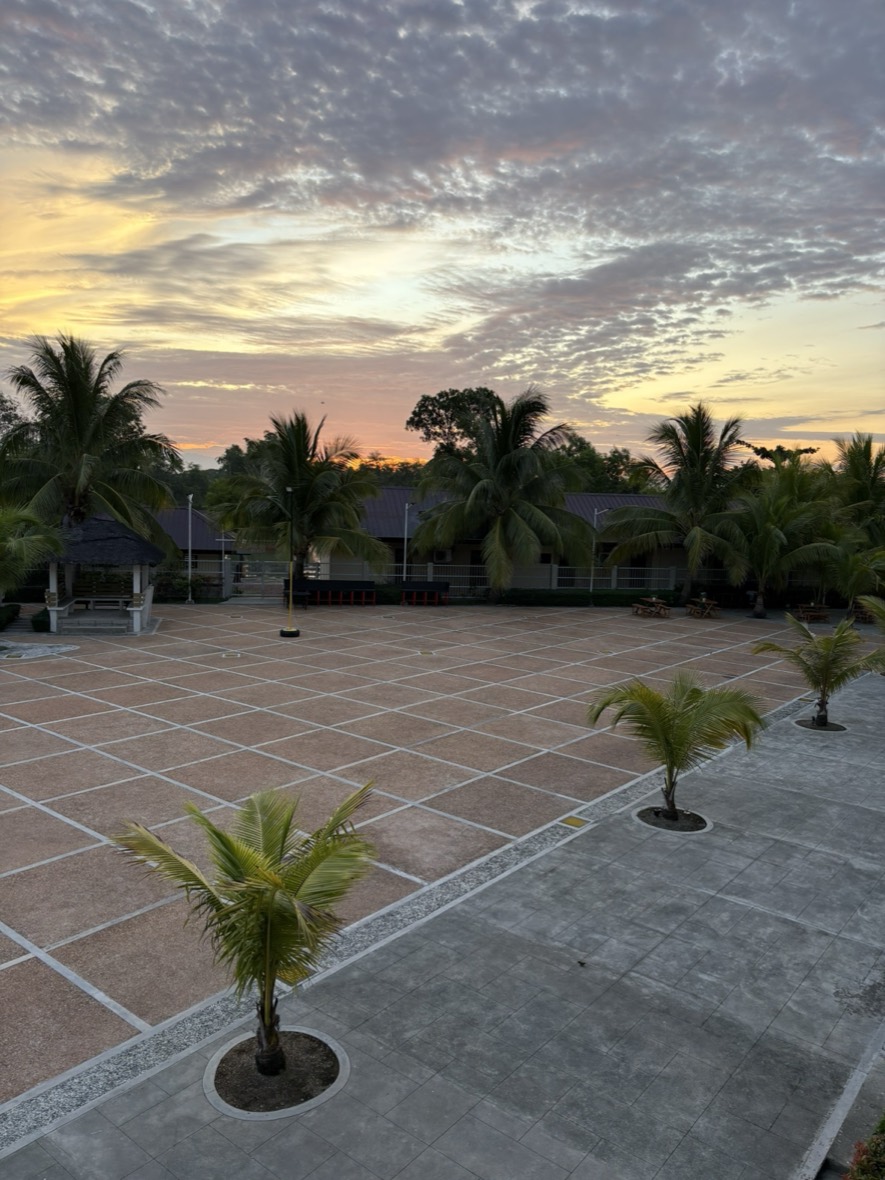
5 a.m. at the River Palm Hotel — a breathtaking morning glow
There is a Japanese singer I am particularly fond of, named Keizo Nakanishi. He is a self-styled "sunrise hunter" — someone who makes a habit of rising early to capture the morning glow in photographs.
This was my second day in the Philippines. We had arrived late the previous evening, but — perhaps it is simply a sign of age — I found myself wide awake at five in the morning without any help from an alarm.
The time difference with Japan is just one hour. That small gap makes the adjustment remarkably gentle, and I find it genuinely easy to settle into the rhythm of the place without the usual fatigue of long-haul travel.
The River Palm Hotel is apparently well known for its beautiful sunsets, but I can tell you that the morning glow is just as magnificent. I stood quietly watching the light spread gradually across the still sky, and felt a calm sense of readiness settle over me — just the right frame of mind for a full day of inspections ahead.
Breakfast at the hotel, and a cheerful blue sky in the midst of the rainy season
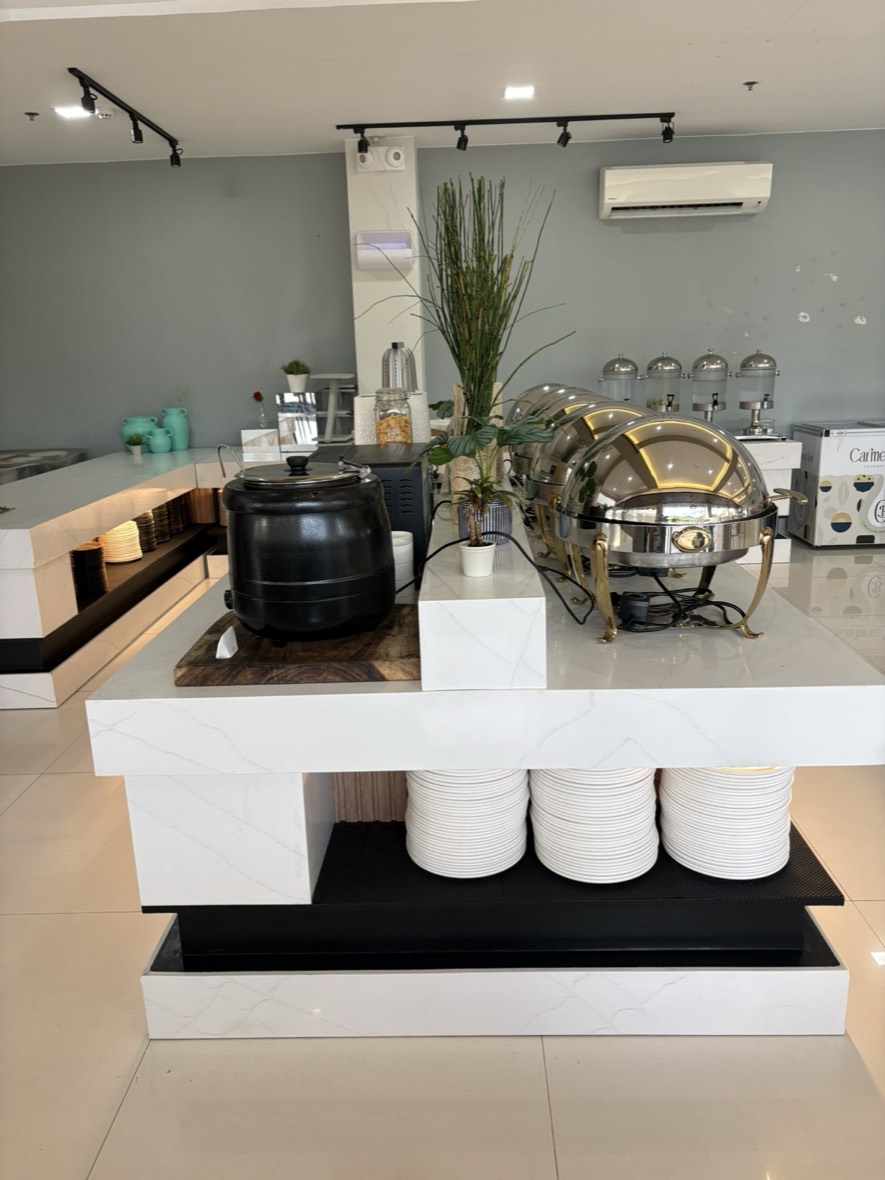
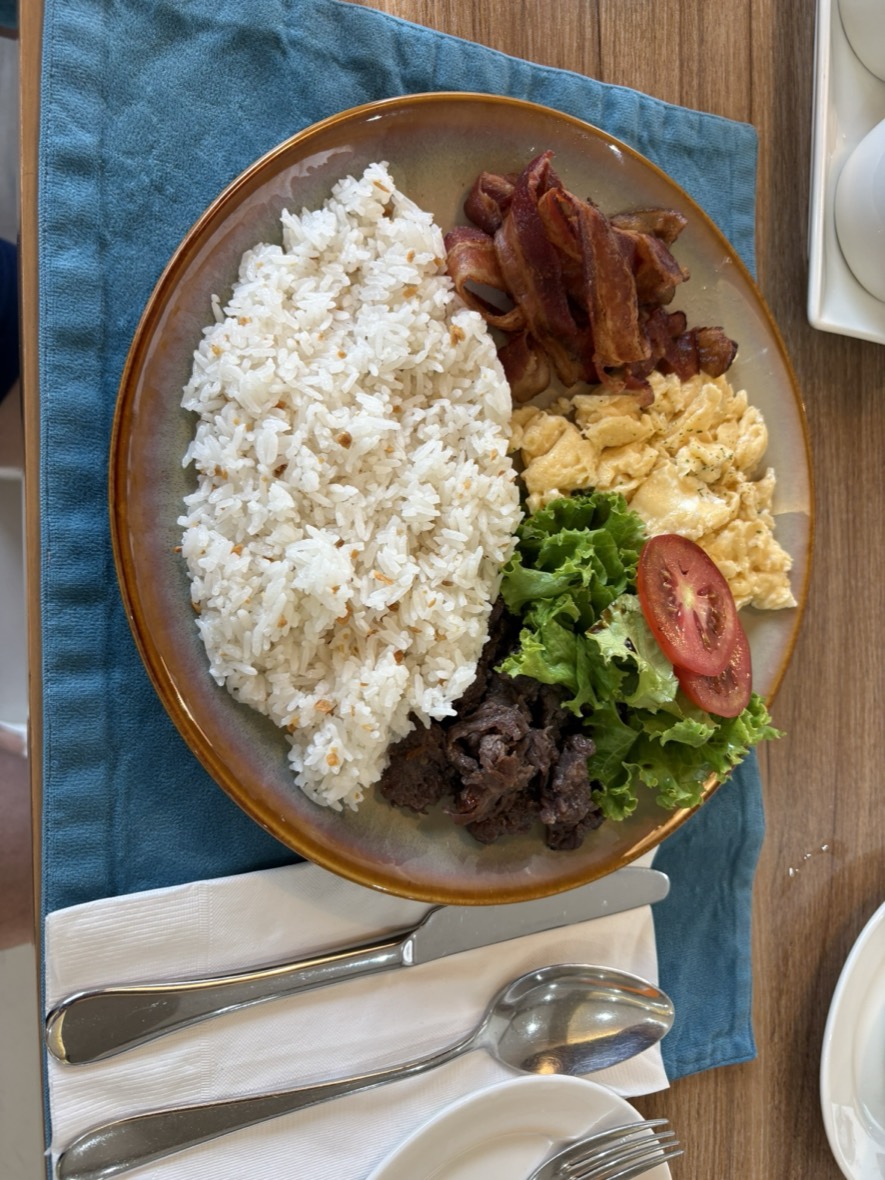
Breakfast was the hotel's morning buffet.
Seasonal fruits and Western-style dishes were laid out generously — a proper start to fuel a busy day. The Philippines had just entered the rainy season, and I had been quietly anxious about the weather throughout the stay, but on this particular morning the sky opened up in the most pleasing way.
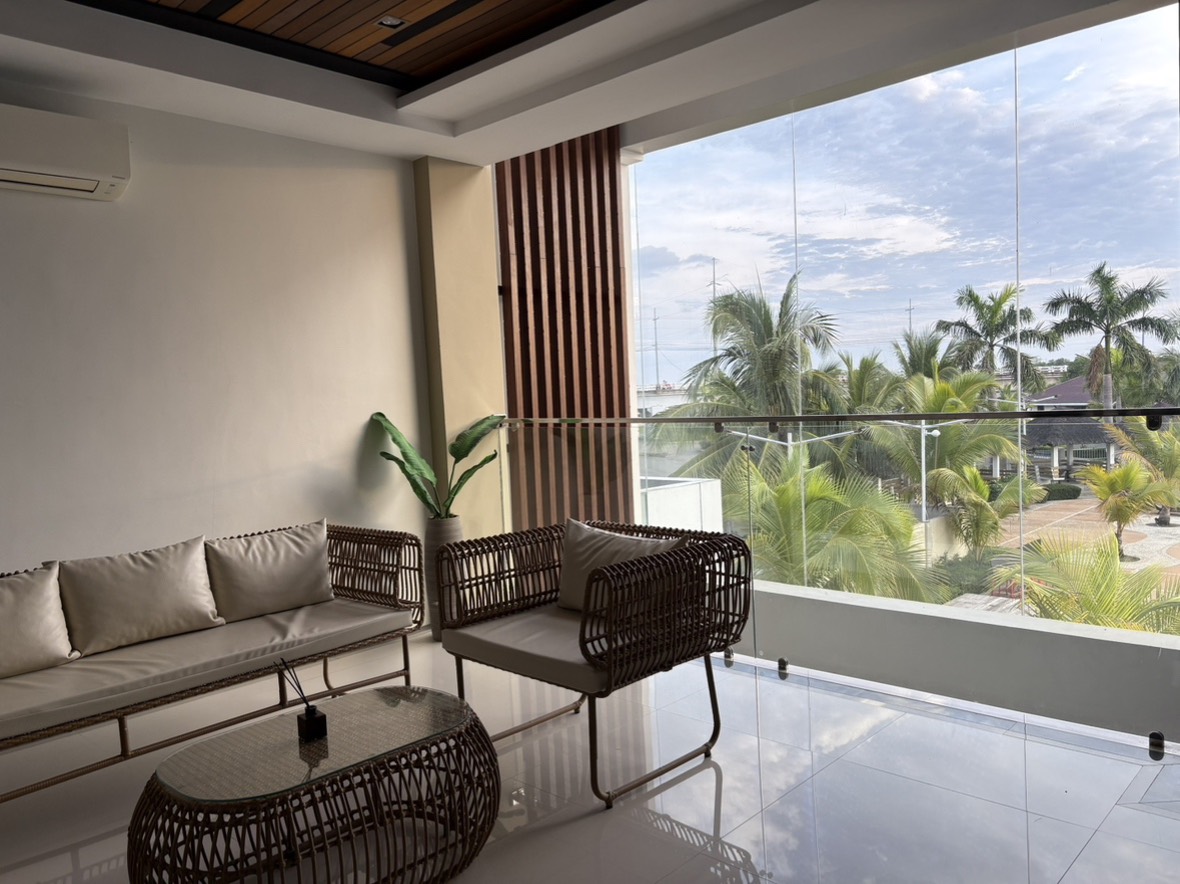
Even in the rainy season, the moment a patch of blue appears, the whole town seems to come alive.
Stepping into Lingayen's history at the Banáan Museum
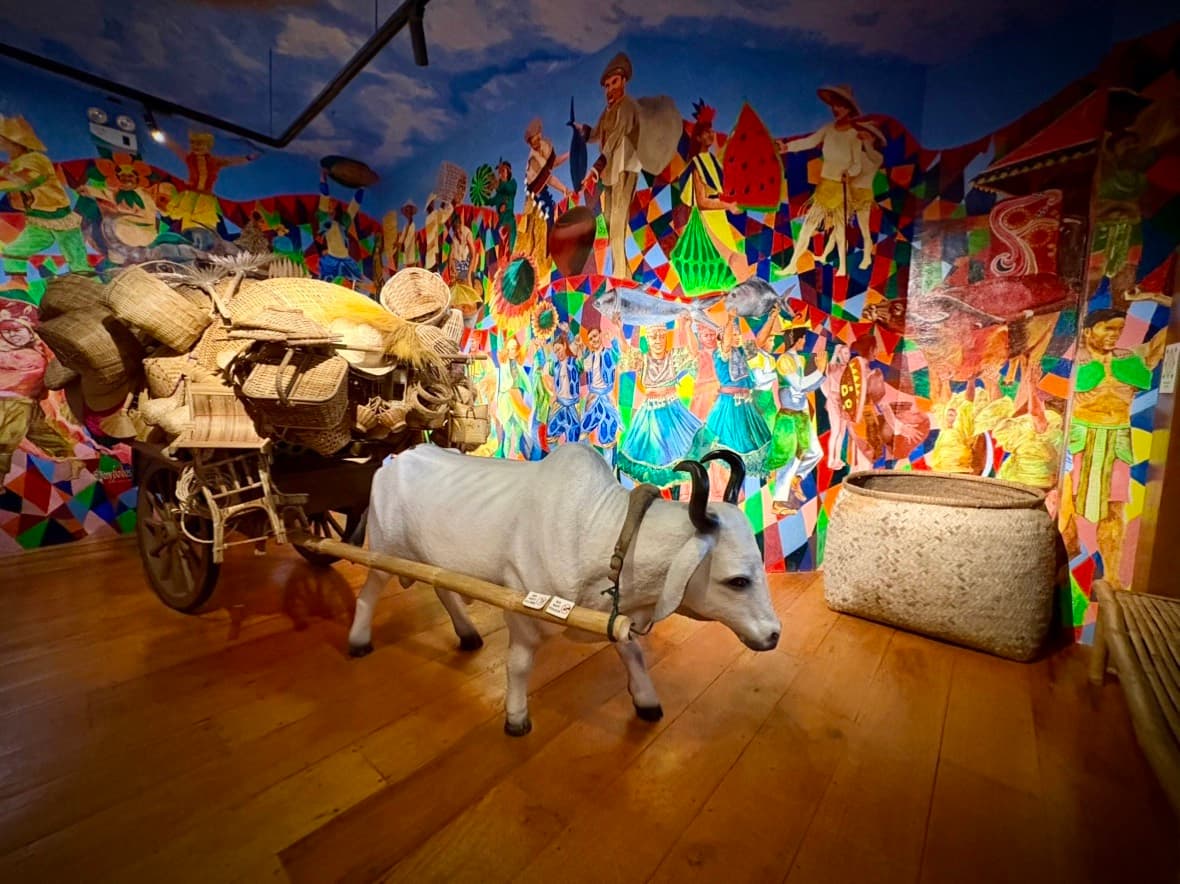
We met up with the staff from Parrots-kun and headed first to the Banáan Museum.
Here you can learn about the history and culture of the Lingayen region, as well as the shape of the town as it stands today.
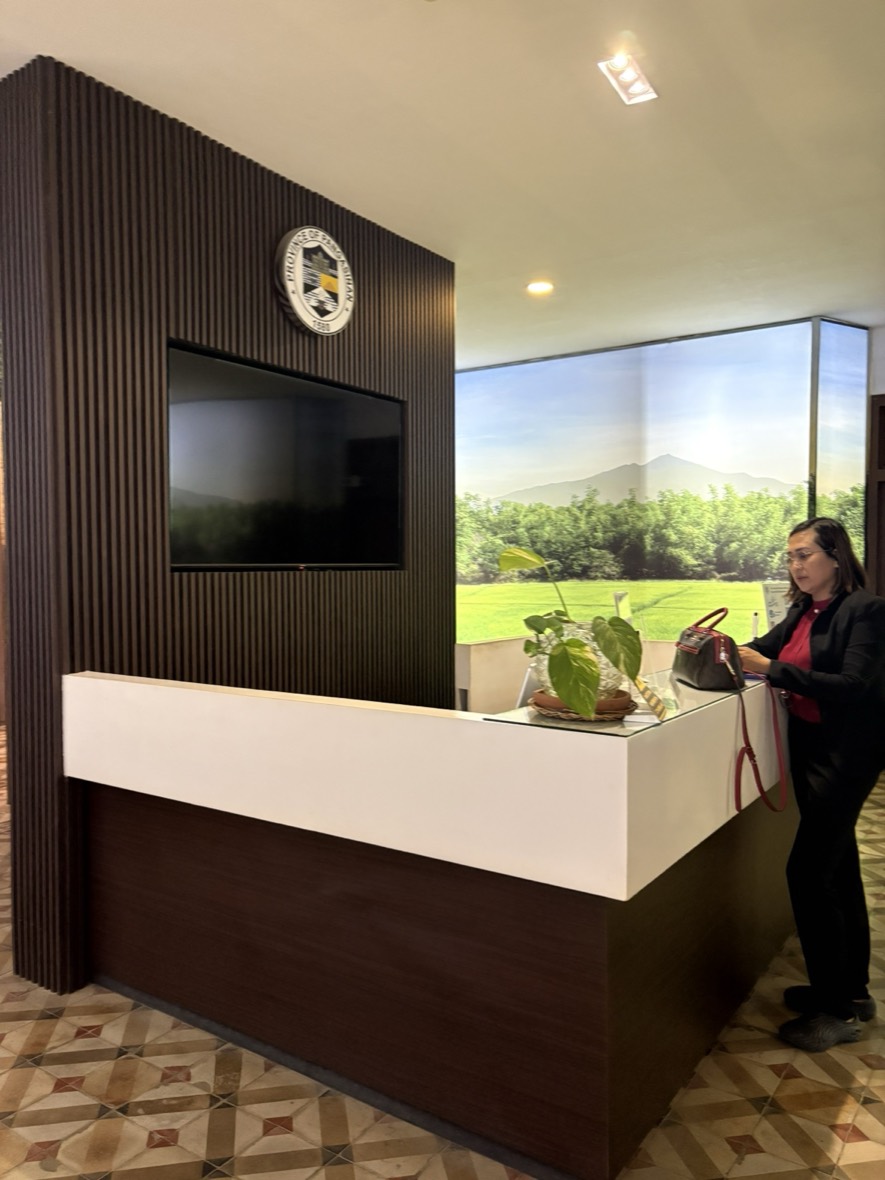
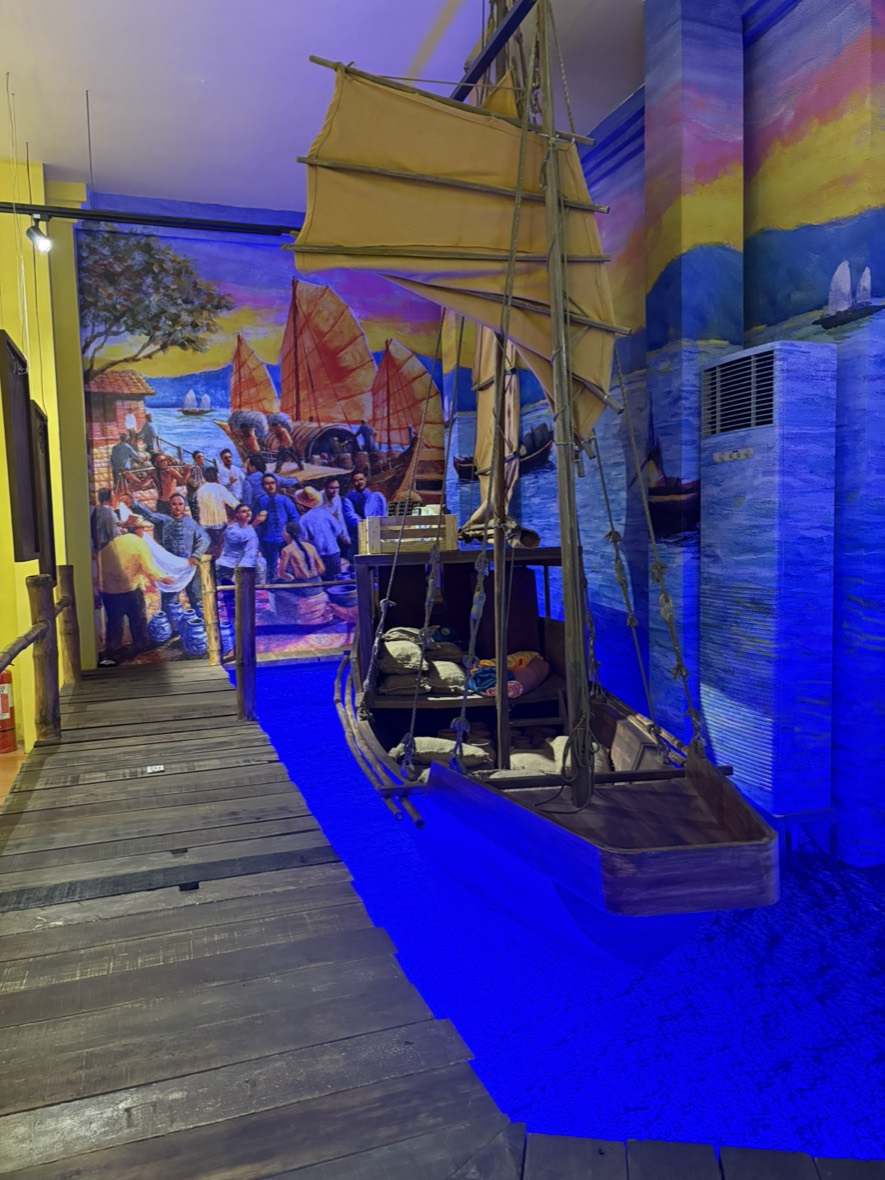
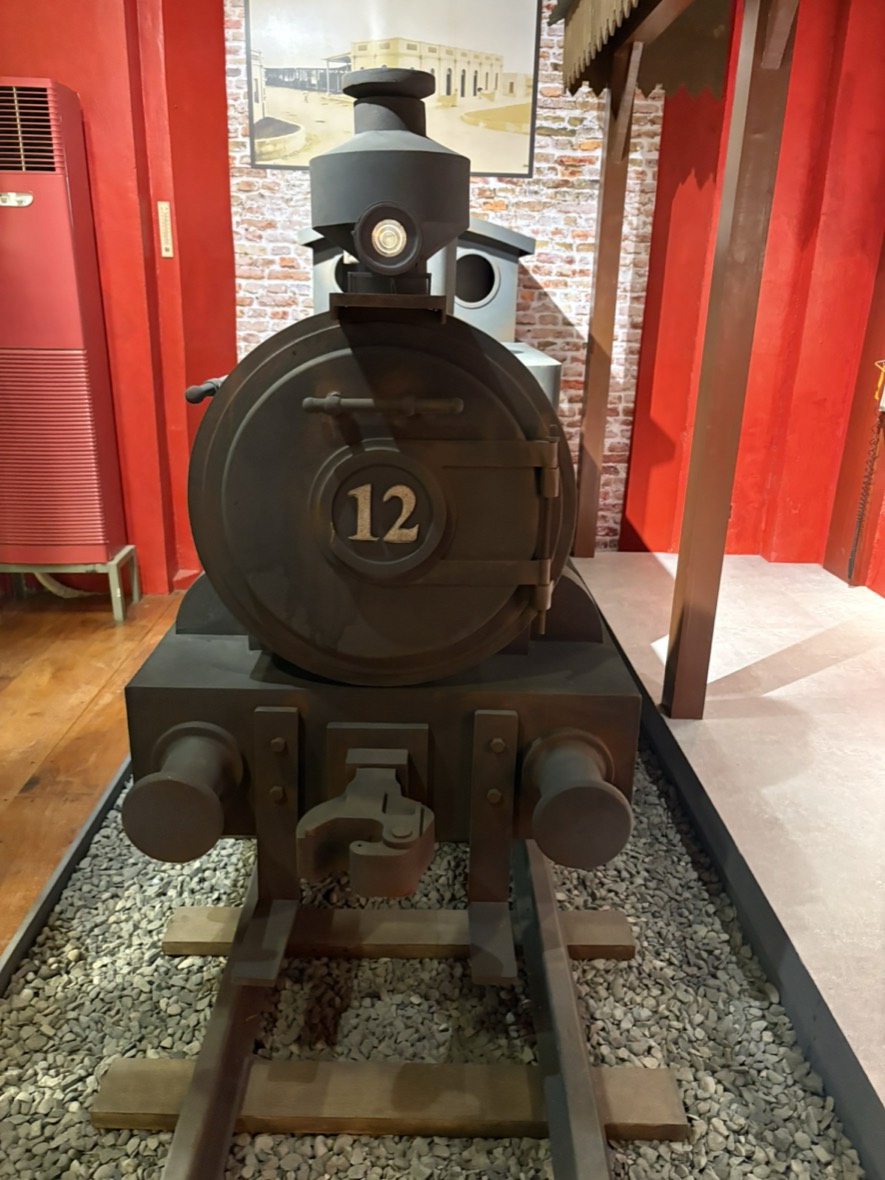
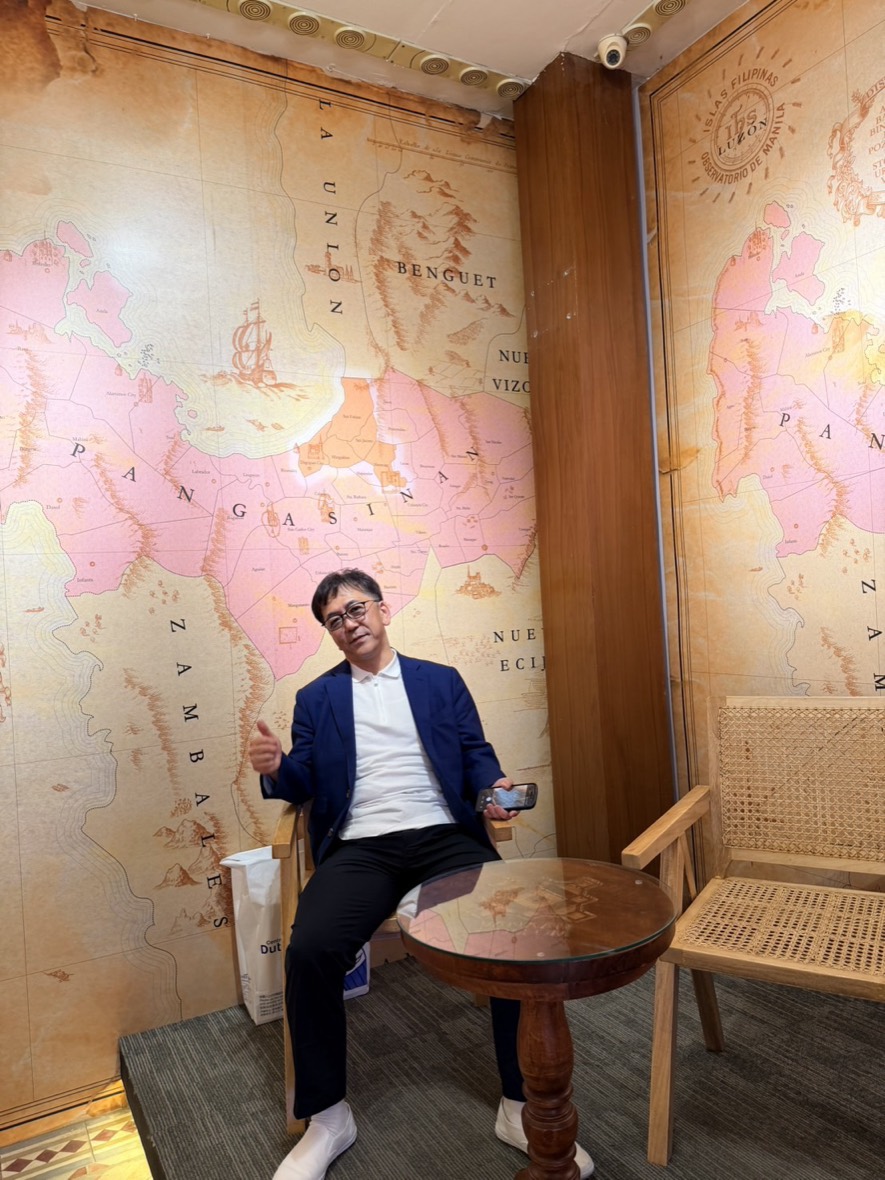
When choosing a study-abroad destination, the curriculum and accommodation are of course important. But I also believe that understanding the history of a place — knowing what kind of town it is and who lives there — is an equally vital part of the overseas learning experience.
Lingayen is not merely a place to study English. It is a place where you can encounter the everyday life and living history of a community.
Inspecting the clinic and student dormitory — checking that students can feel safe
Next, we visited the clinic and accommodation facilities available to students during their stay.
Above all else, what matters most during a study-abroad programme is peace of mind. Is there a medical facility where students can seek help if they fall ill? Is the accommodation clean and settled — a place where they can genuinely rest? Can it support longer stays? These are the questions I went to answer in person.
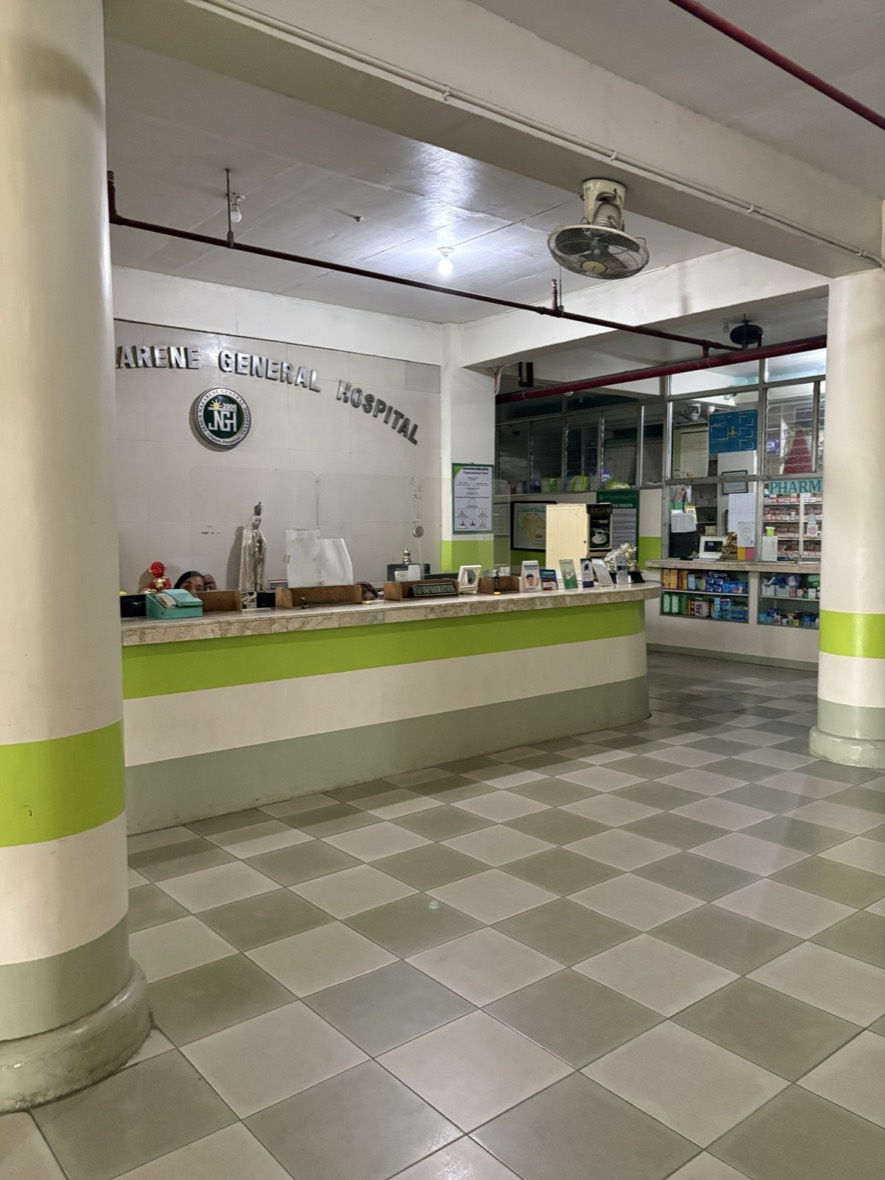
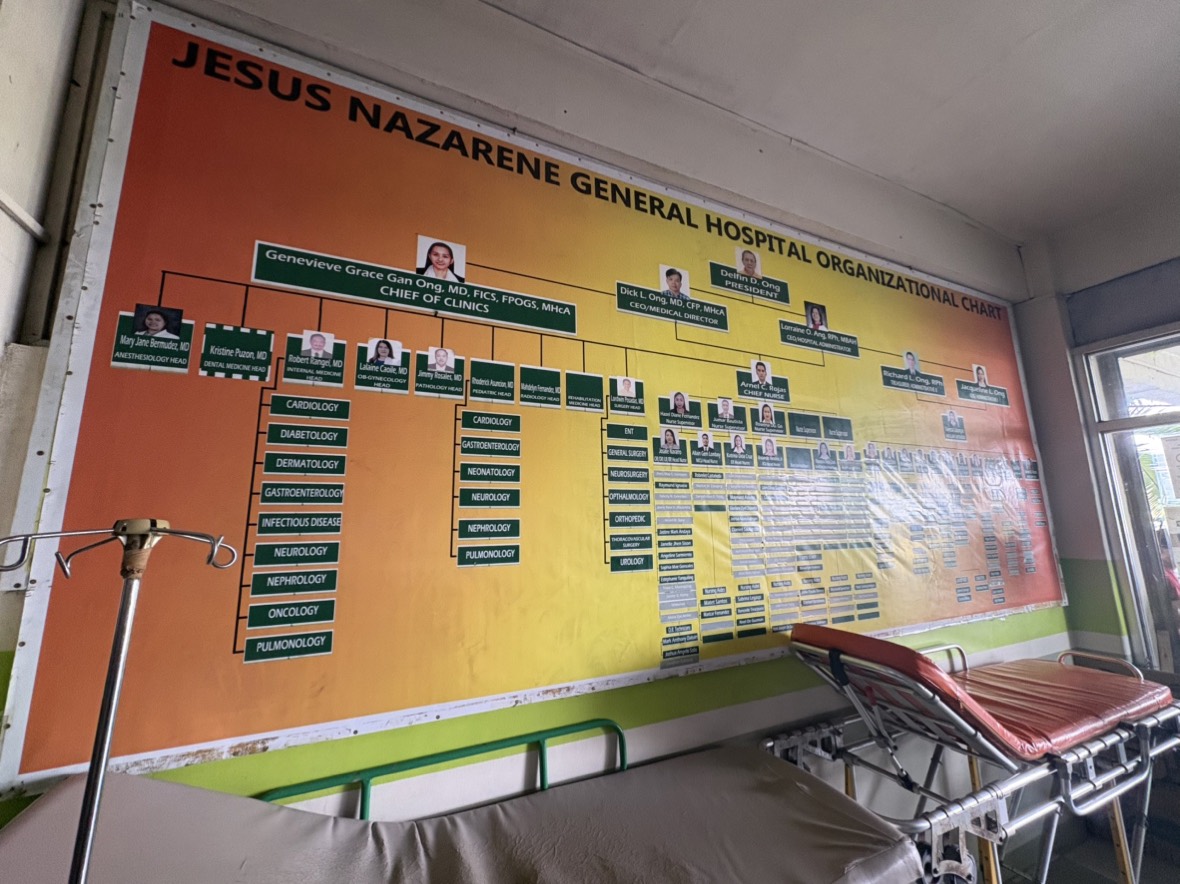
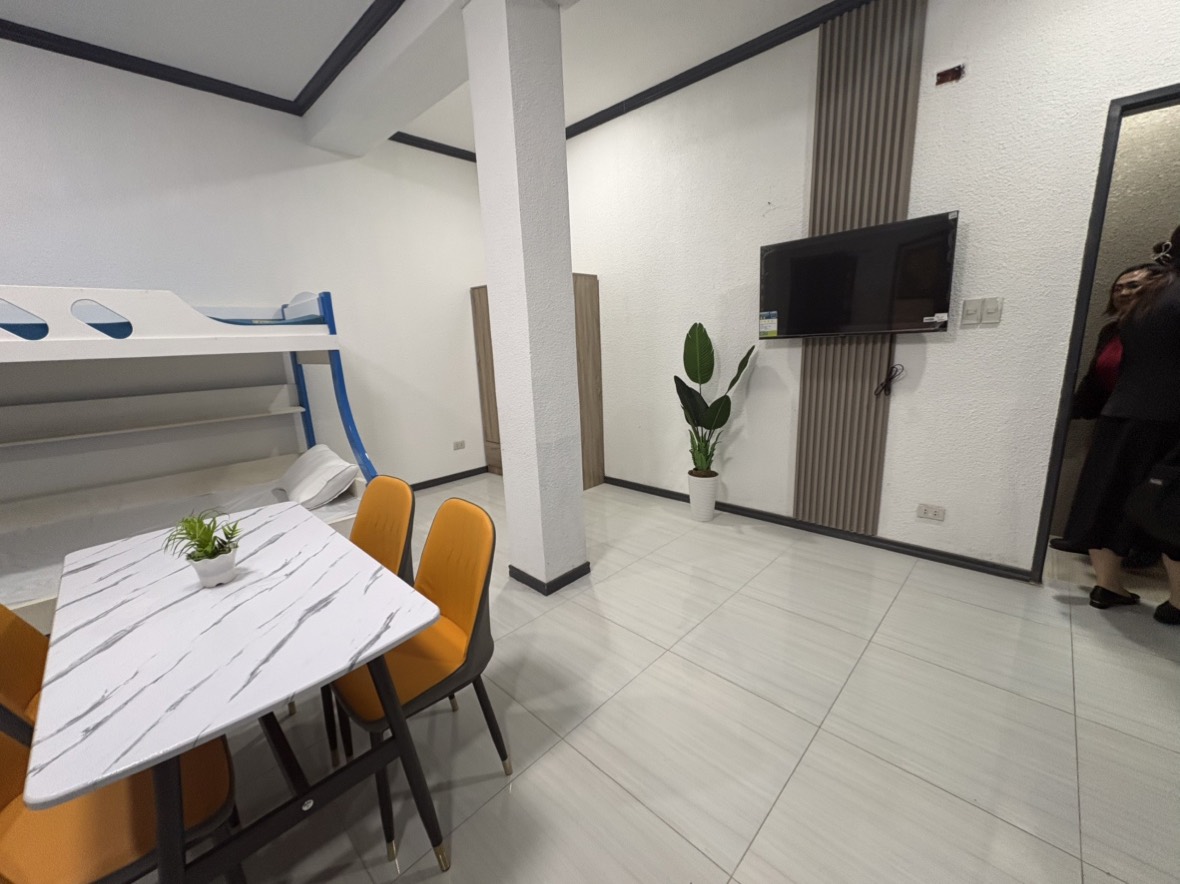
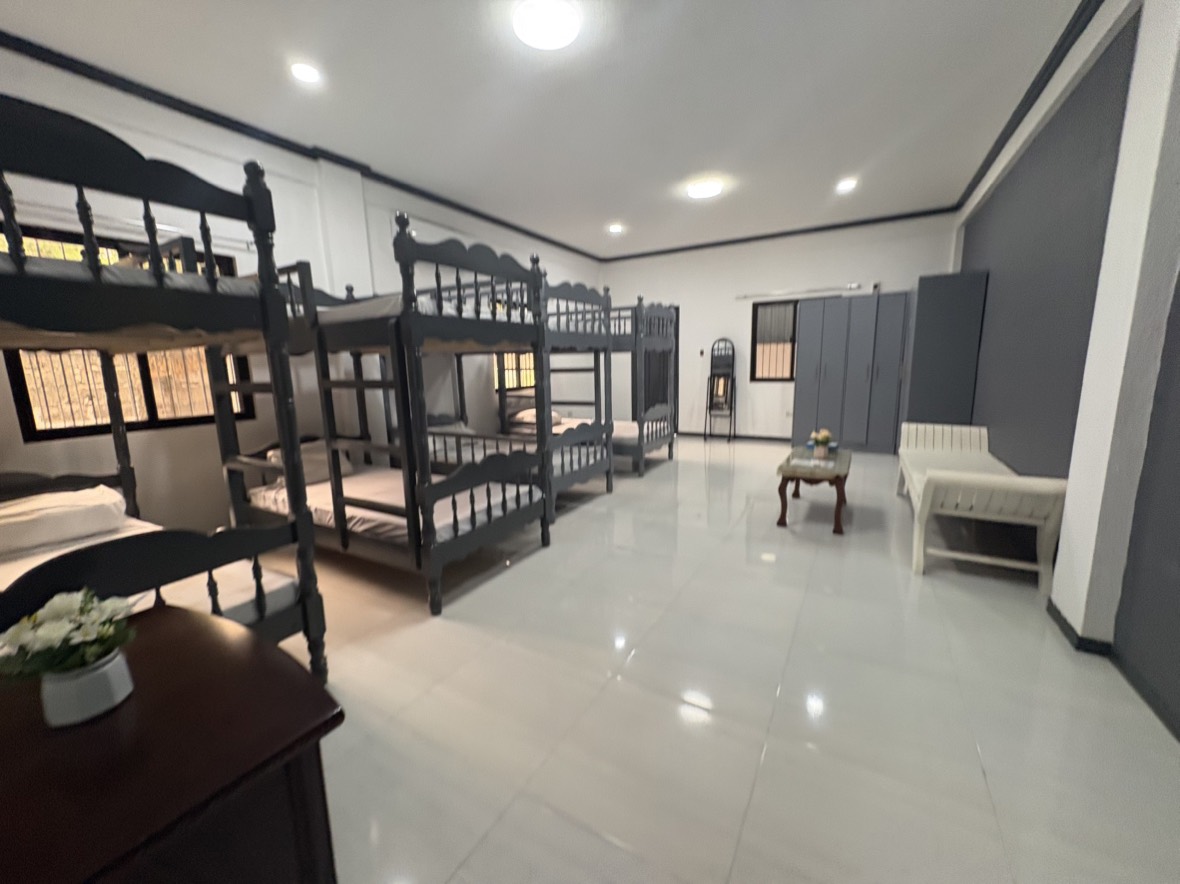
When we recommend a study-abroad programme to our students, we have a responsibility to verify not only the exciting elements but also the practical realities of daily life and safety. This is especially true when we consider participants joining as parent-and-child pairs, or students from older generations.
A quiet church — a glimpse into everyday life in the Philippines
On the way between visits, we stopped in at a church that stood along the road.
The church in the early morning was profoundly quiet — the sort of space that genuinely stills the mind.
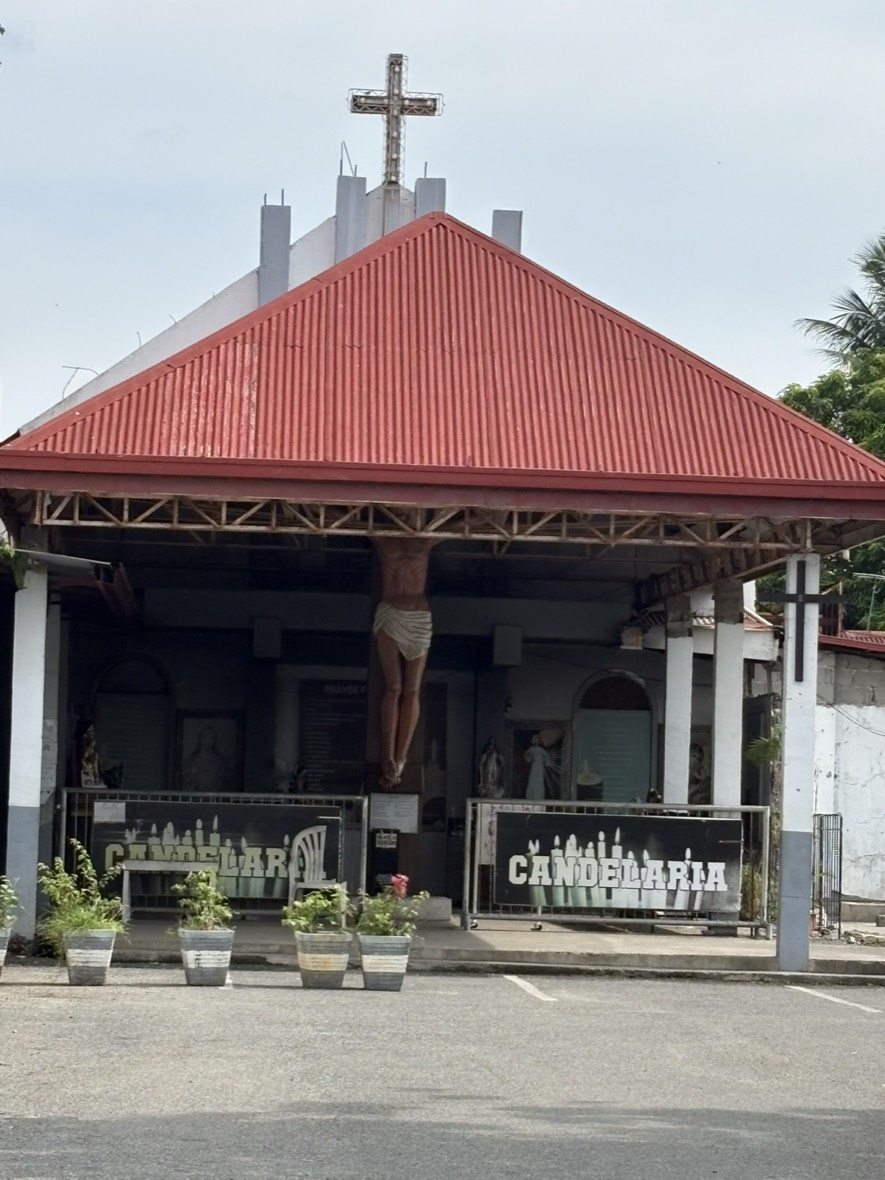
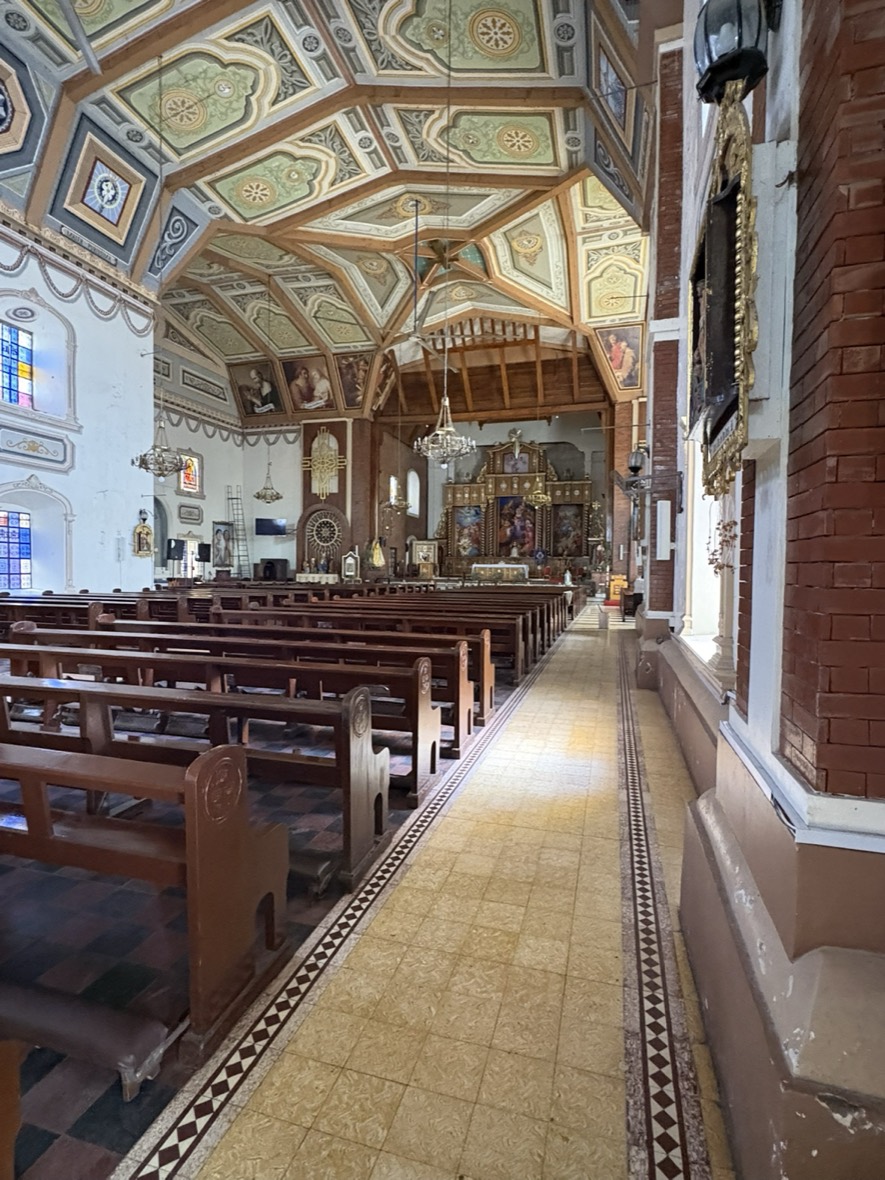
Churches appear frequently as you walk through Philippine towns. The deep roots of Christianity in people's daily lives come through clearly in the very atmosphere of the streets.
Rather than simply viewing these places as sights, I think there is real value in understanding what a community holds dear — what shapes the lives of the people who actually live here. That kind of understanding is something you can only gain by being present in a place.
Lingayen City Hall and the Provincial Government — meetings that point towards the future
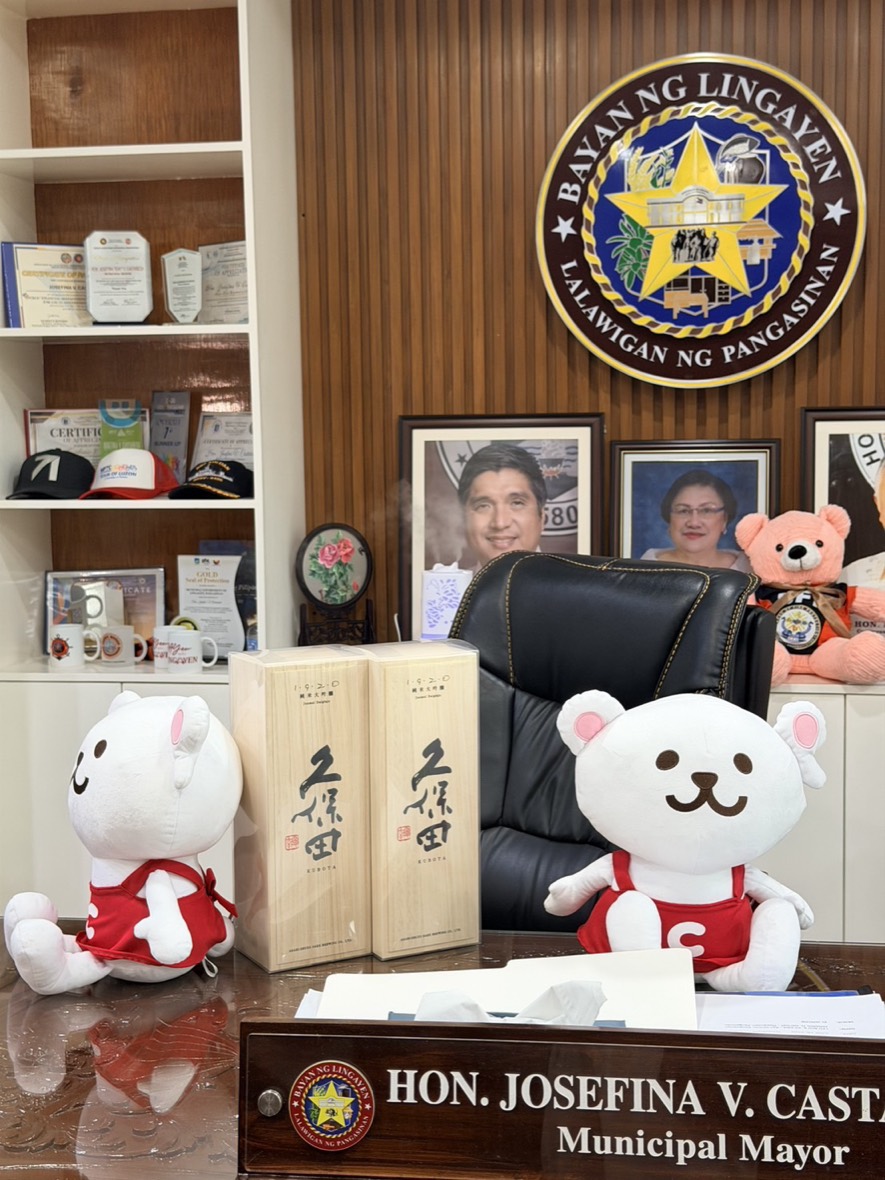
On this day, we met with the Mayor and the Vice Mayor at Lingayen City Hall, and signed a friendship-partnership agreement.
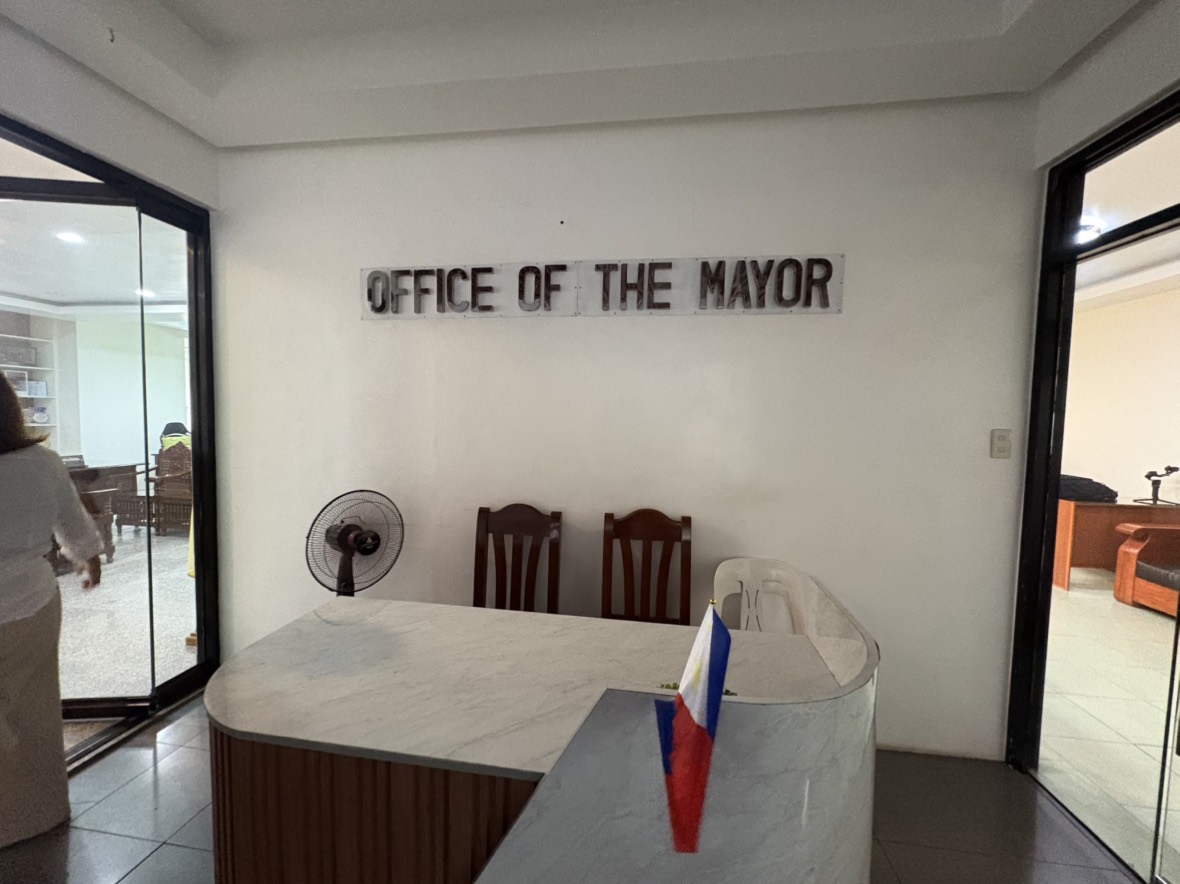
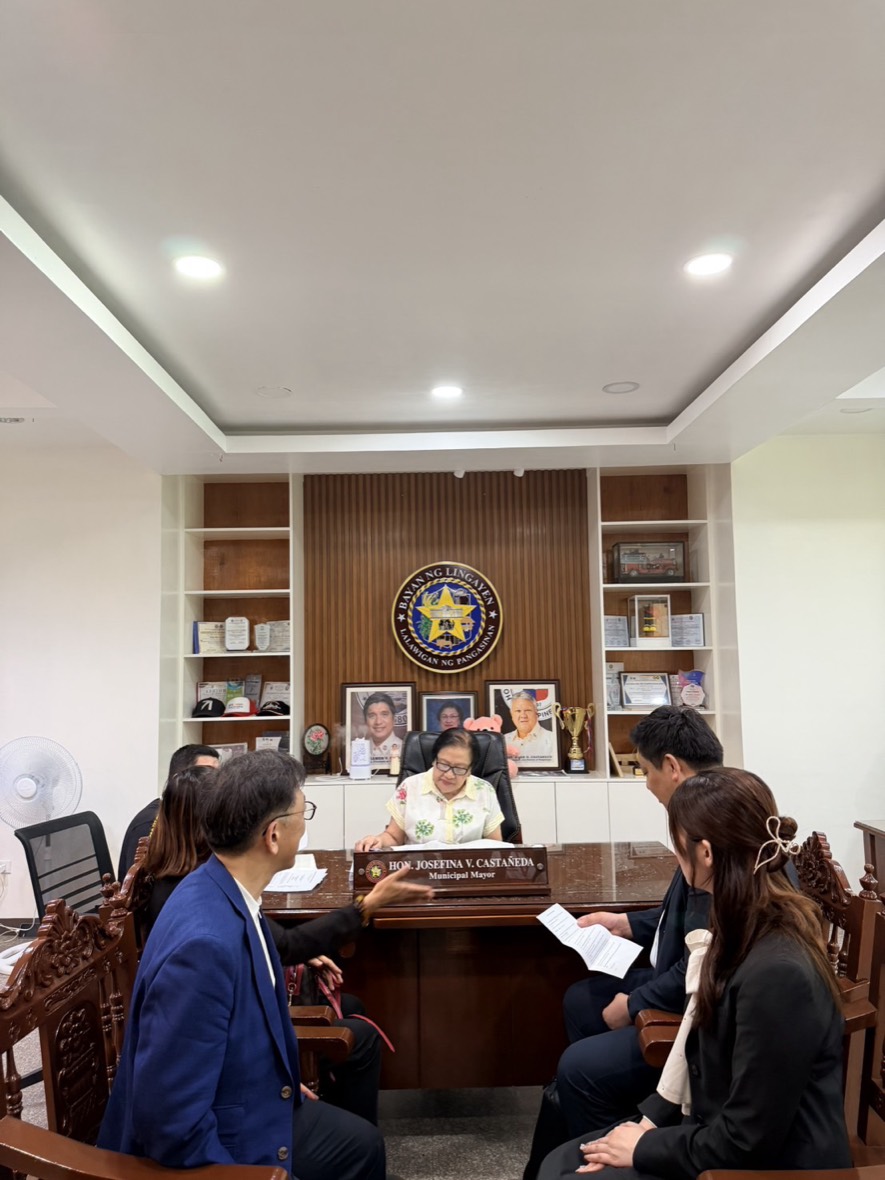
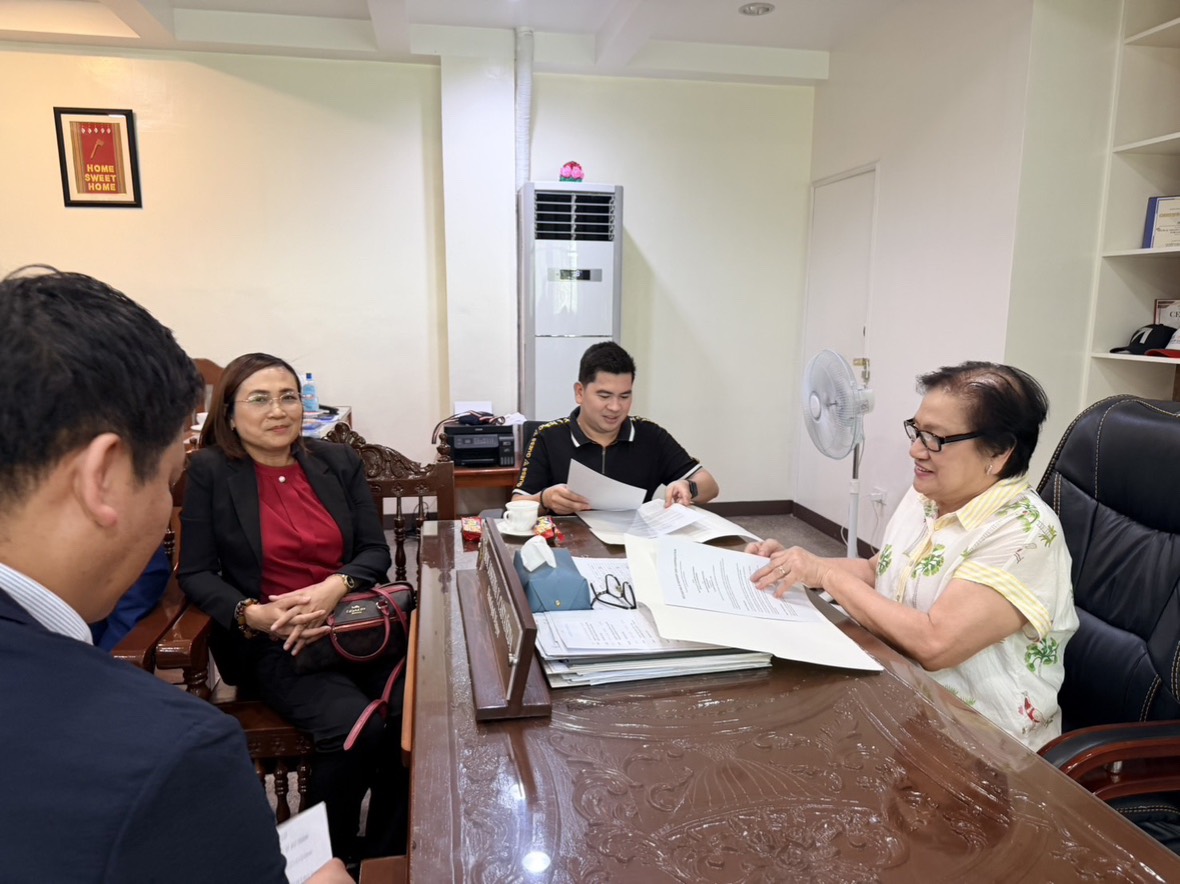
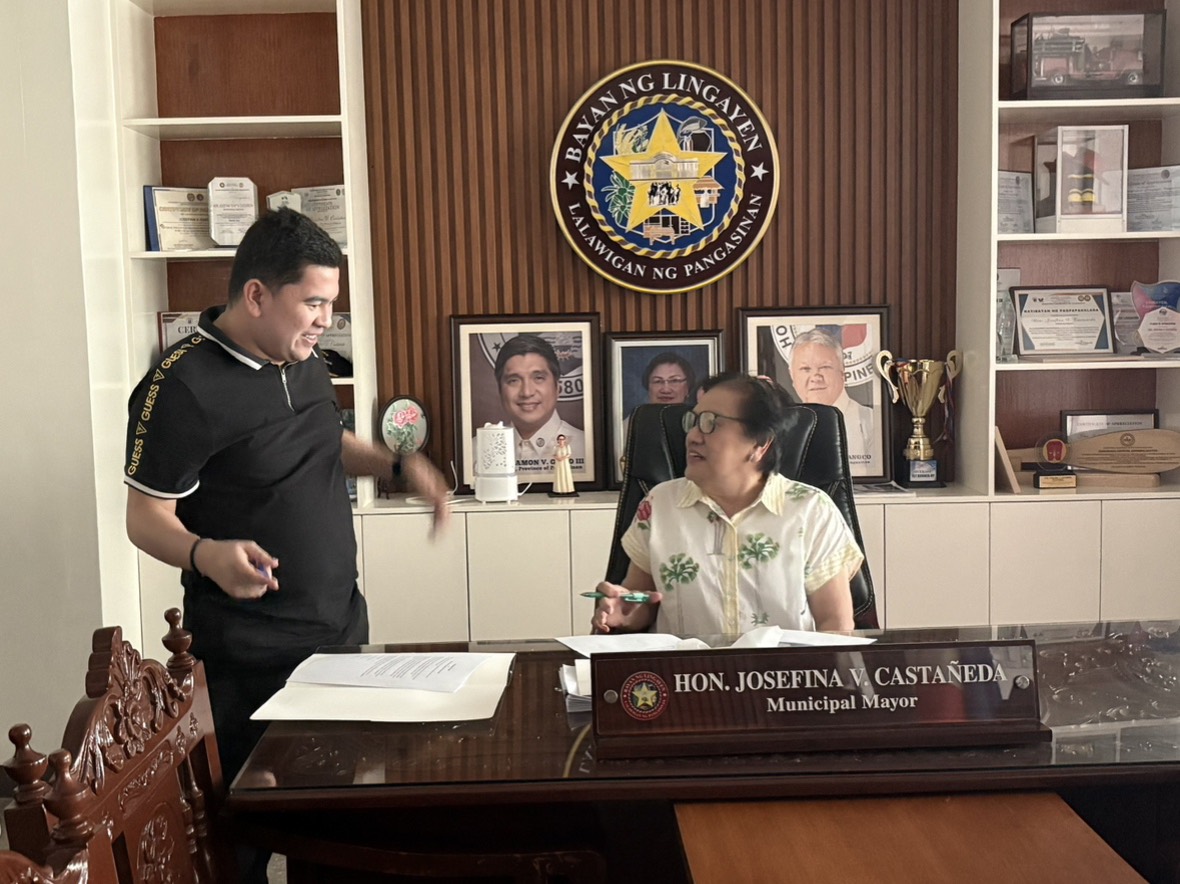
We then moved on to the Pangasinan Provincial Government, where we met with the Governor to exchange views on the future of people-to-people exchanges between Hokkaido and the Philippines.
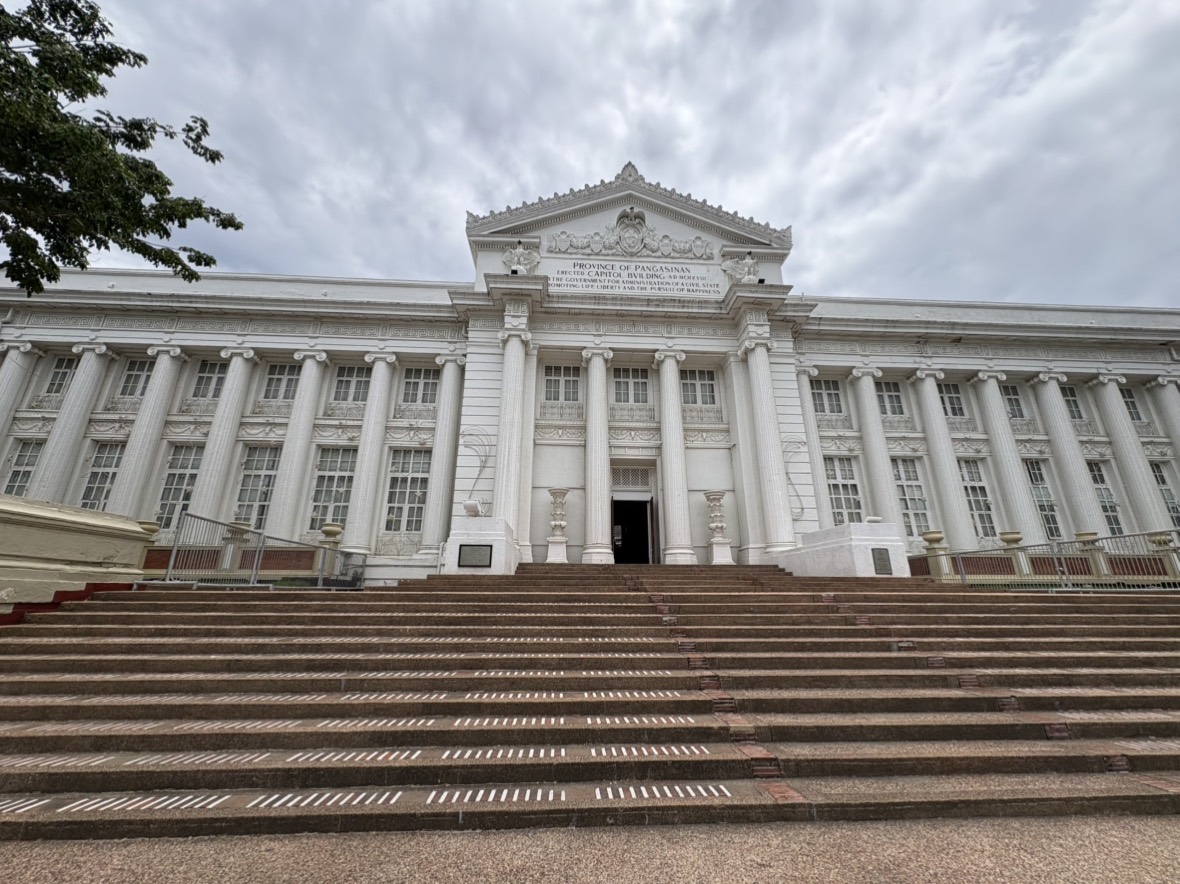
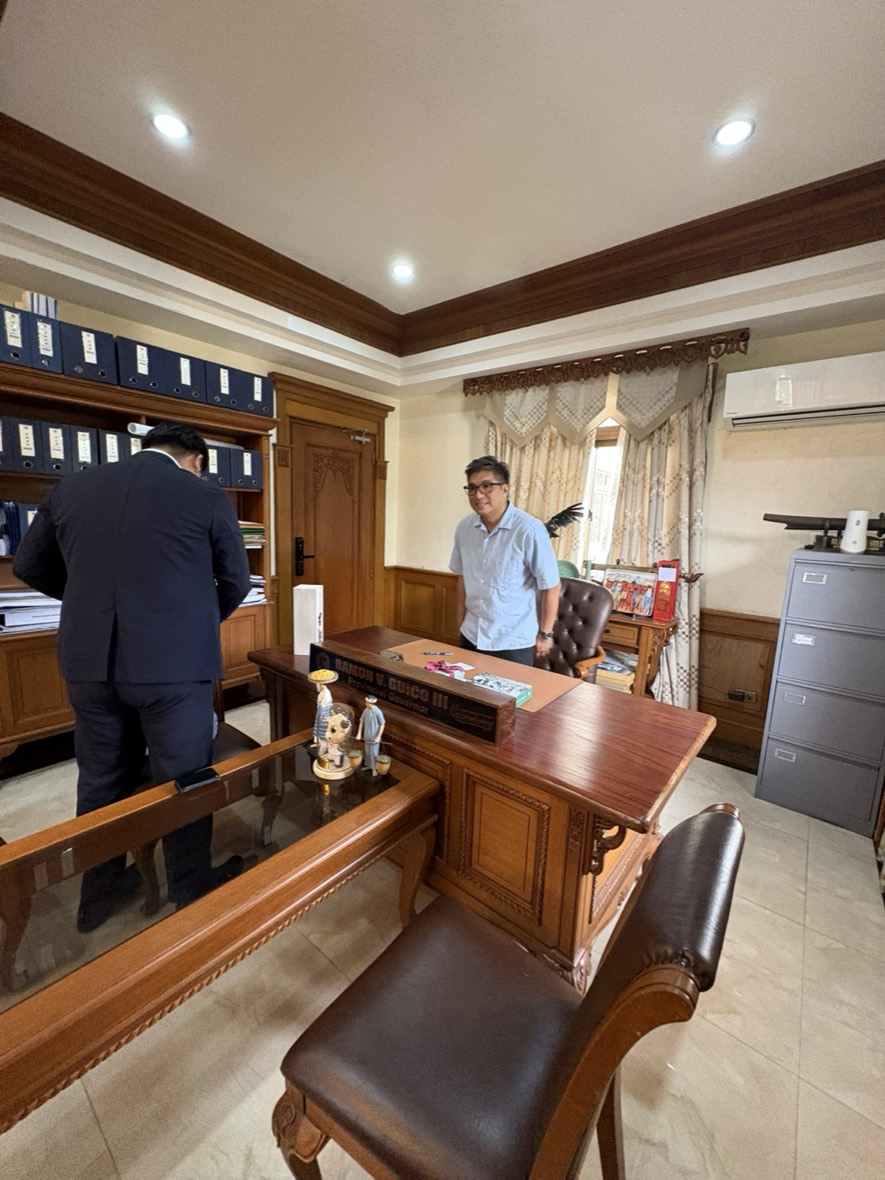
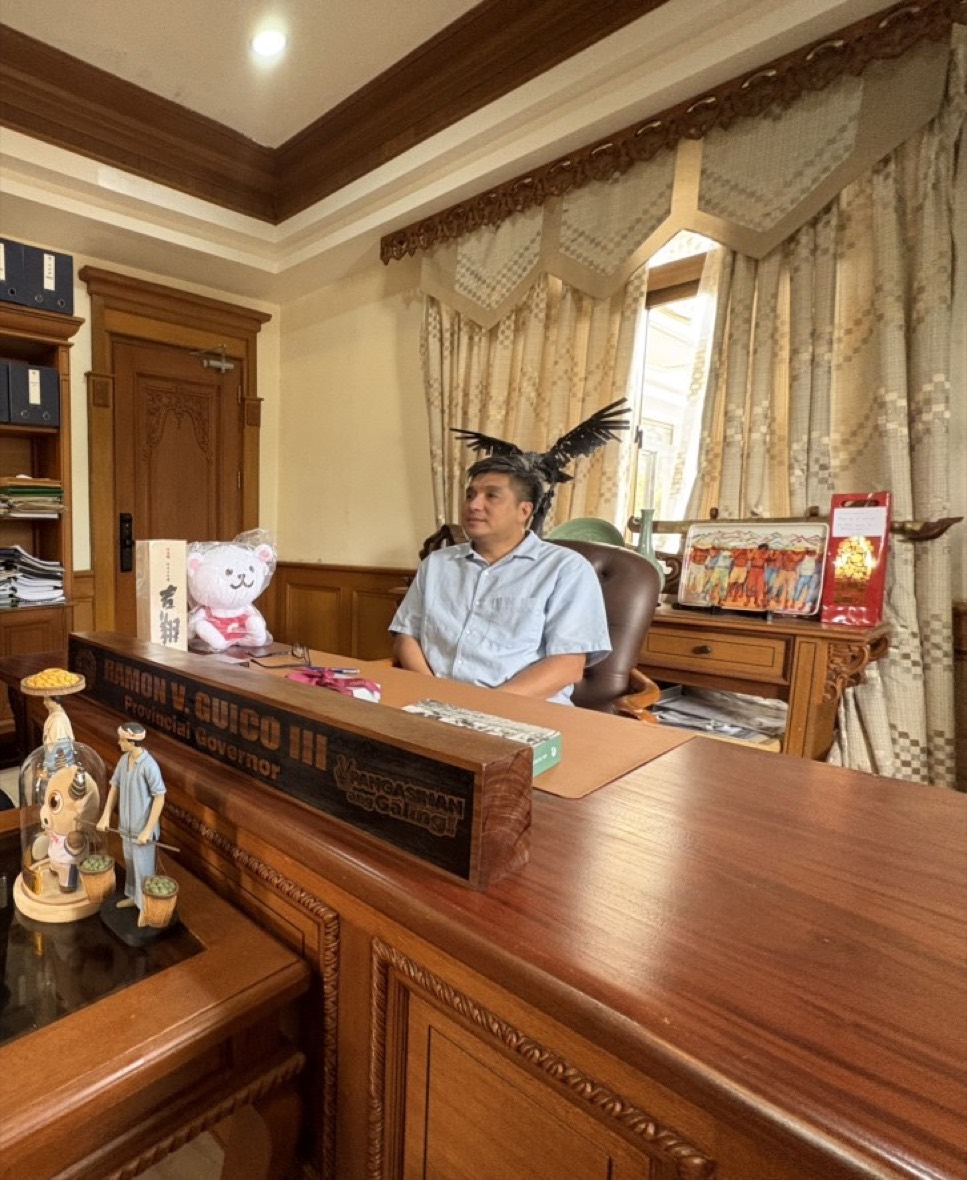
Everyone welcomed us with warm, generous smiles. But the moment the conversation turned to regional development and the future of human exchange, there was no mistaking the seriousness in their eyes.
What can we do together for the people of our respective communities? How might Hokkaido, Lingayen, and Pangasinan Province come to be connected in a meaningful way?
The conviction in their expressions as they spoke felt even hotter than the summer temperature outside.
Inspecting Parrots-kun — and the dedication of its young teachers
We then visited the facilities of the language school, Parrots-kun.
A group of young teachers — deeply committed to English education — gave us a warm welcome. As they showed us around the school, I took note of the classroom environment, the teaching materials, and the general atmosphere.
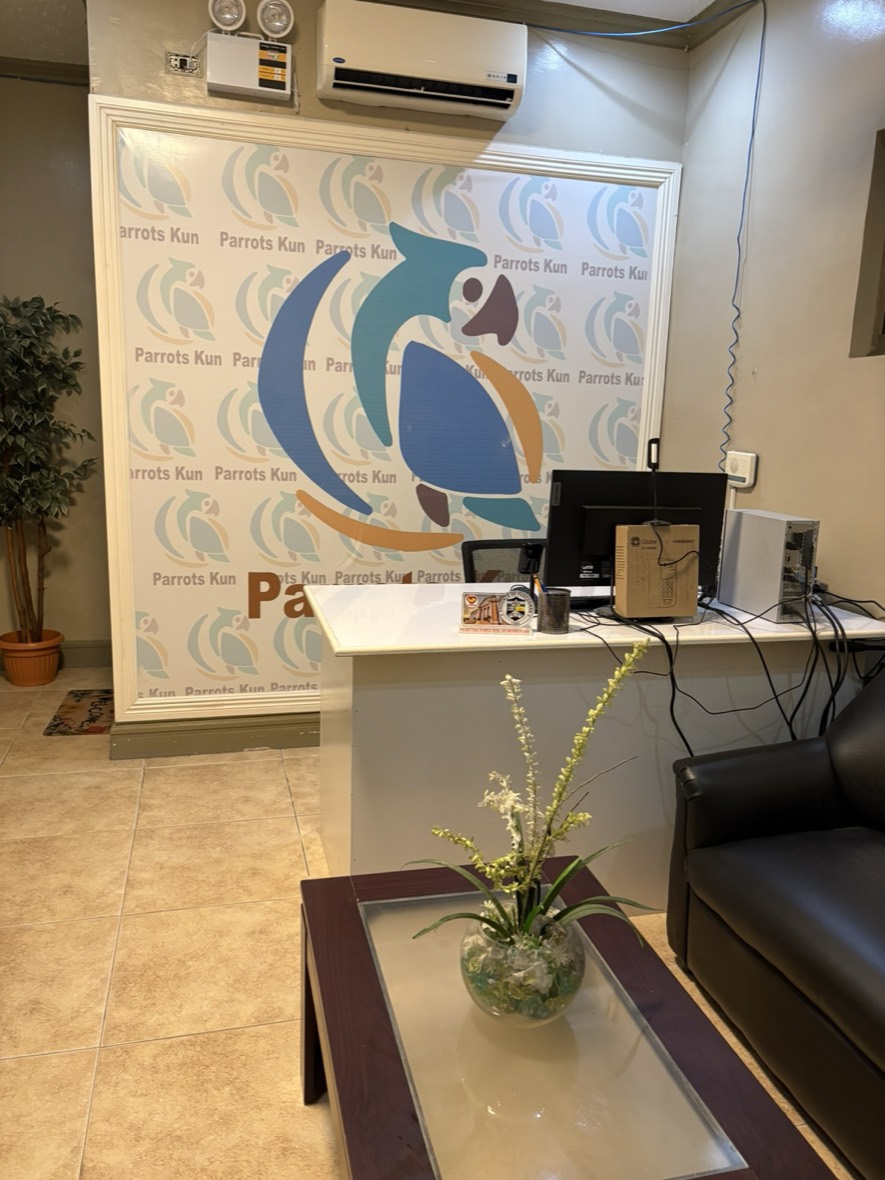
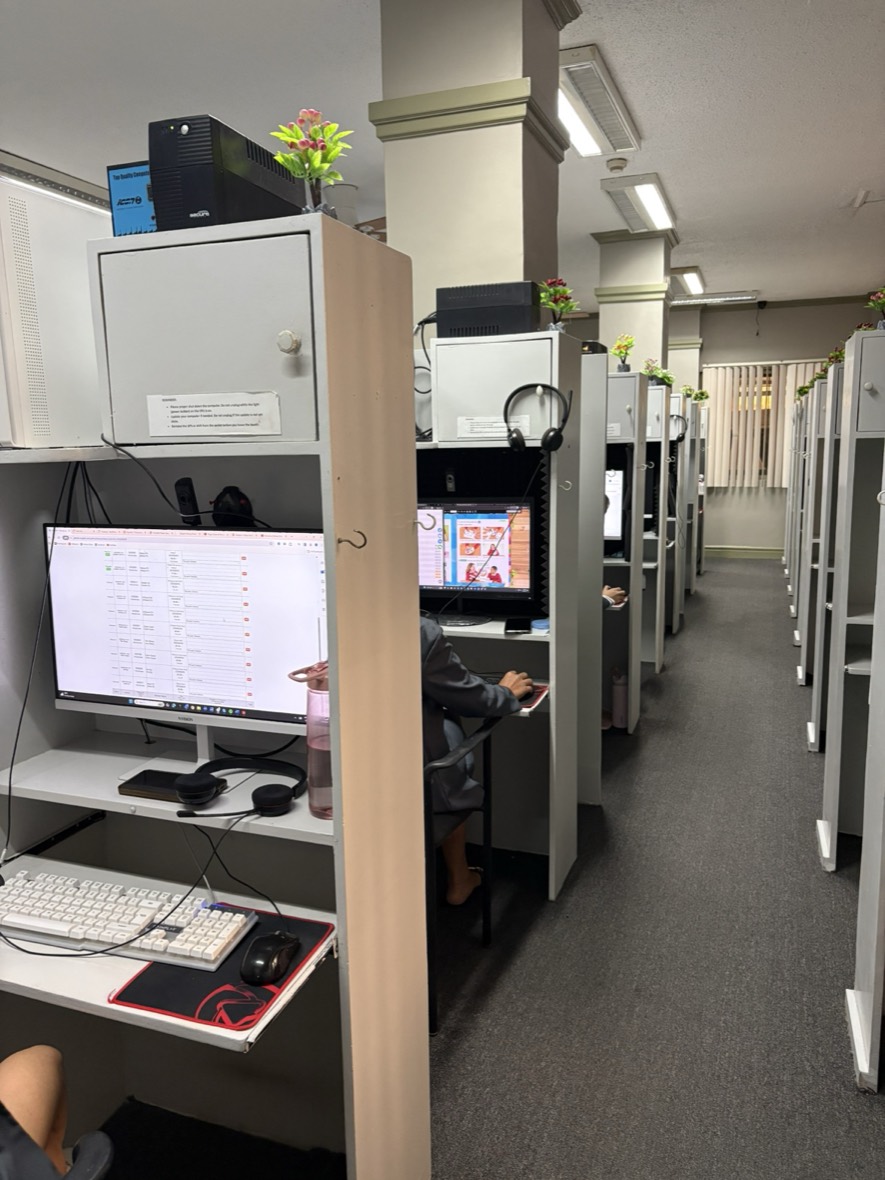
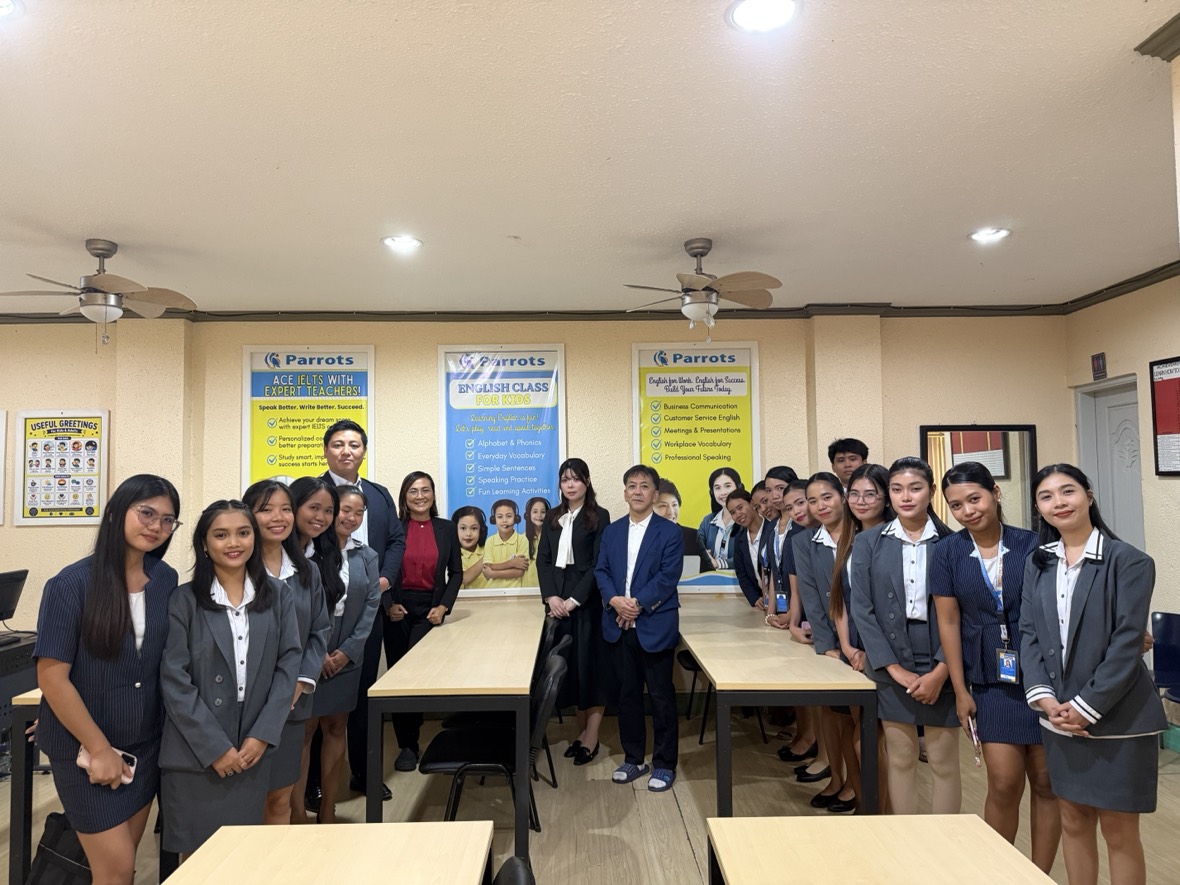
Unlike larger schools, the closeness between teachers and students here is one of the school's great strengths. There is an atmosphere in which it is perfectly fine to make mistakes or struggle to find the right words — you will always be met with a smile.
Language learning flourishes when the environment feels safe. Parrots-kun offers exactly that kind of reassurance.
Filipino home cooking from the house mother — and an ice-cold coconut juice
For lunch, we were treated to Filipino home cooking prepared by the dormitory's house mother, served in the student dormitory dining room.
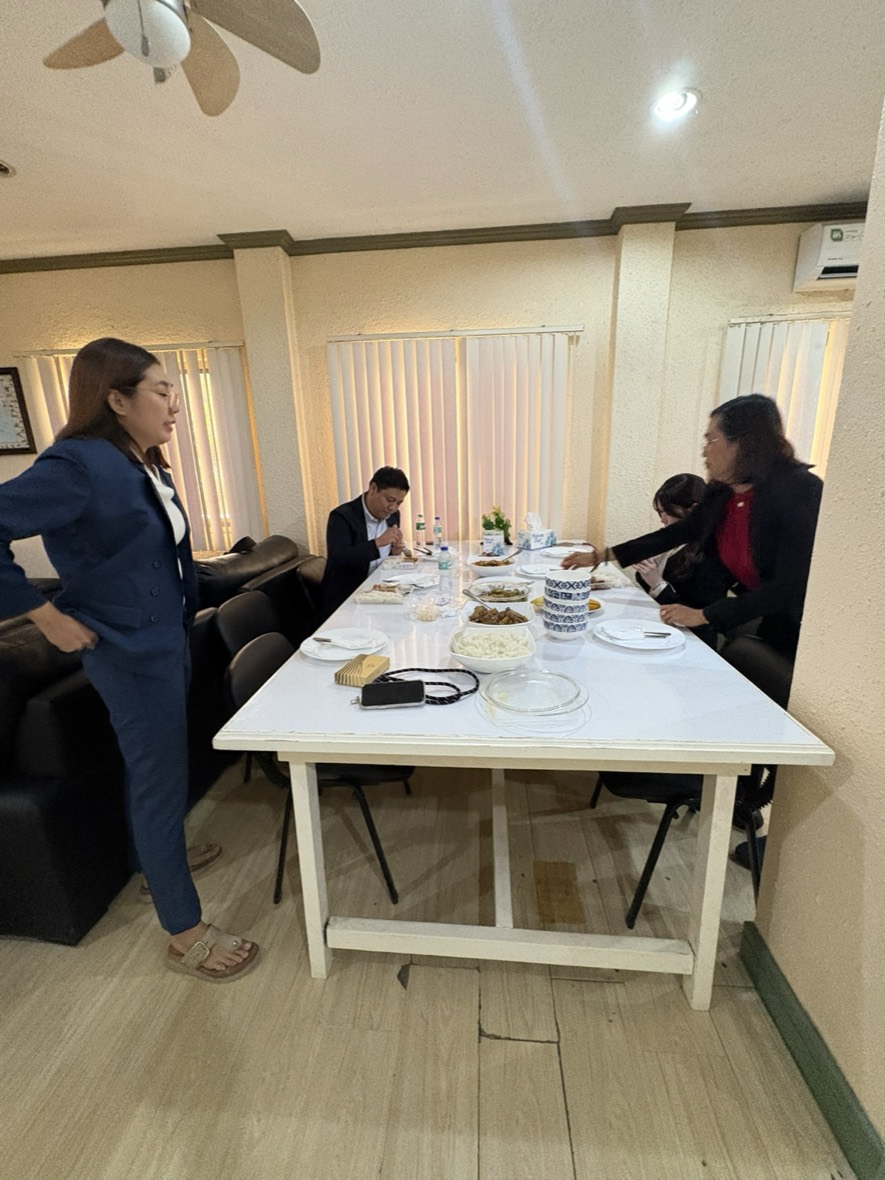
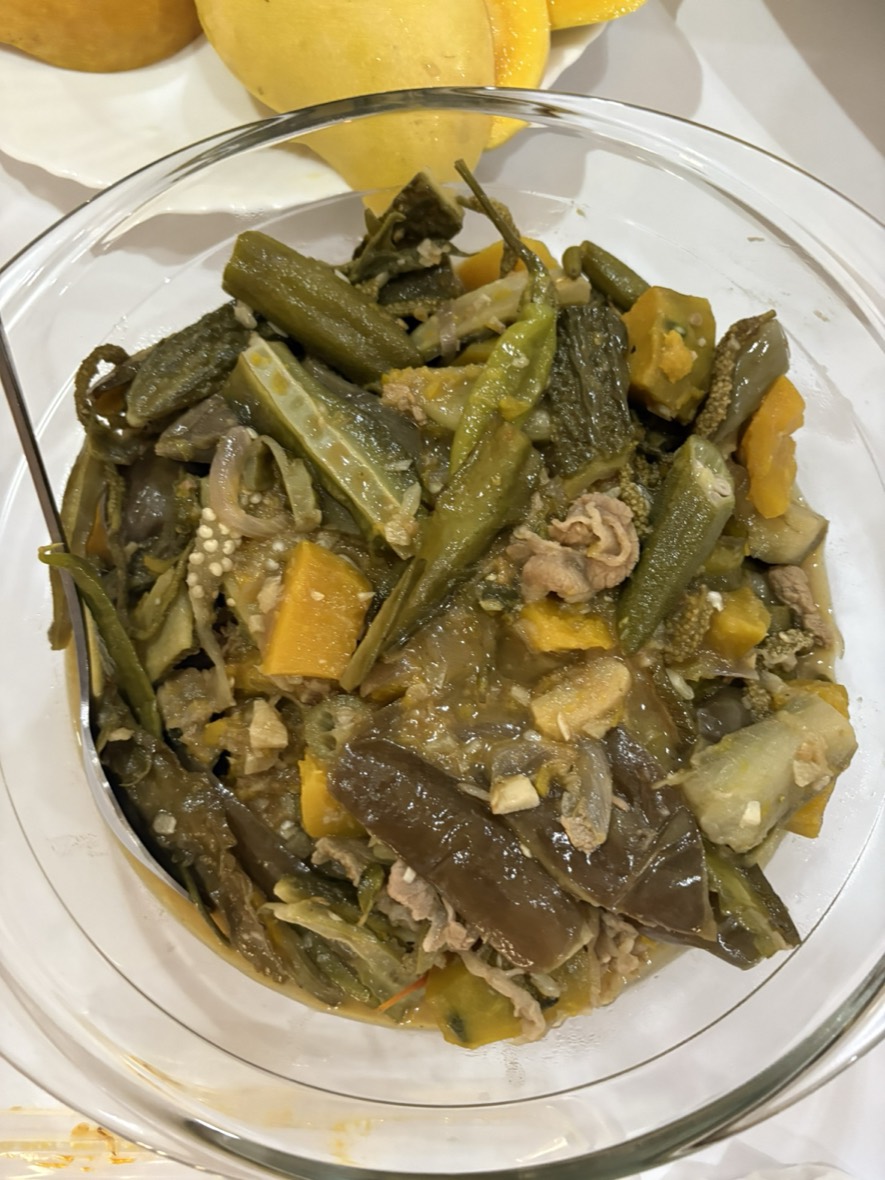
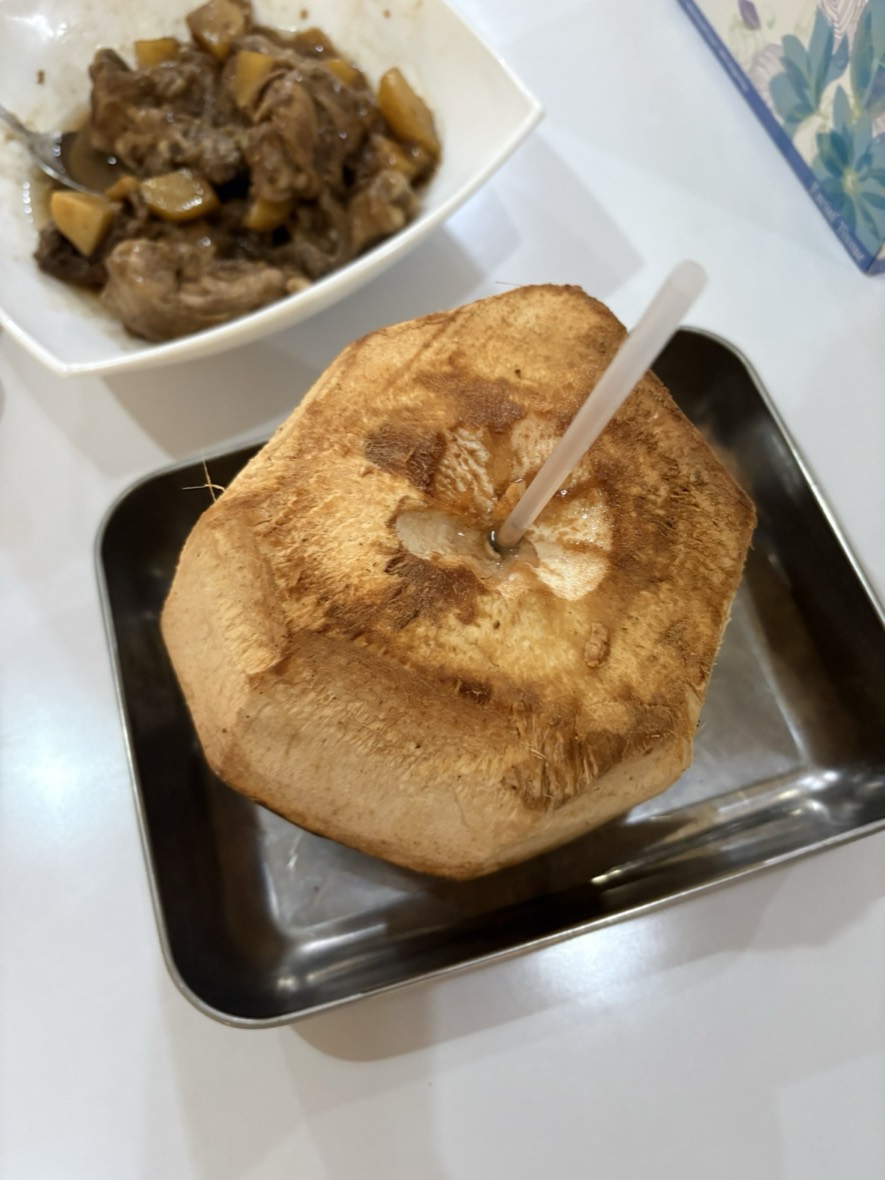
Amid a day packed with appointments, it was a genuinely comforting meal — the kind of food that makes you feel at home.
And then came an impressively large, thoroughly ice-cold coconut juice.
In other parts of Asia I have sometimes been handed coconut juice sold on the street — pleasant enough, but slightly warm. The coconut juice at Parrots-kun was properly chilled, and it went down beautifully on a hot afternoon, cool and refreshing right to the core.
It is these small, thoughtful touches that build a sense of security during a stay abroad.
From Lingayen to Clark — and onwards to Cebu
After a day packed to the brim, we made our way to Clark International Airport.
The drive from Lingayen to Clark takes roughly three hours. We said our farewells to the Parrots-kun staff who had kindly seen us off, then boarded a flight of around an hour and a half to Cebu.
We arrived that evening at the Mercure Mactan Cebu hotel.
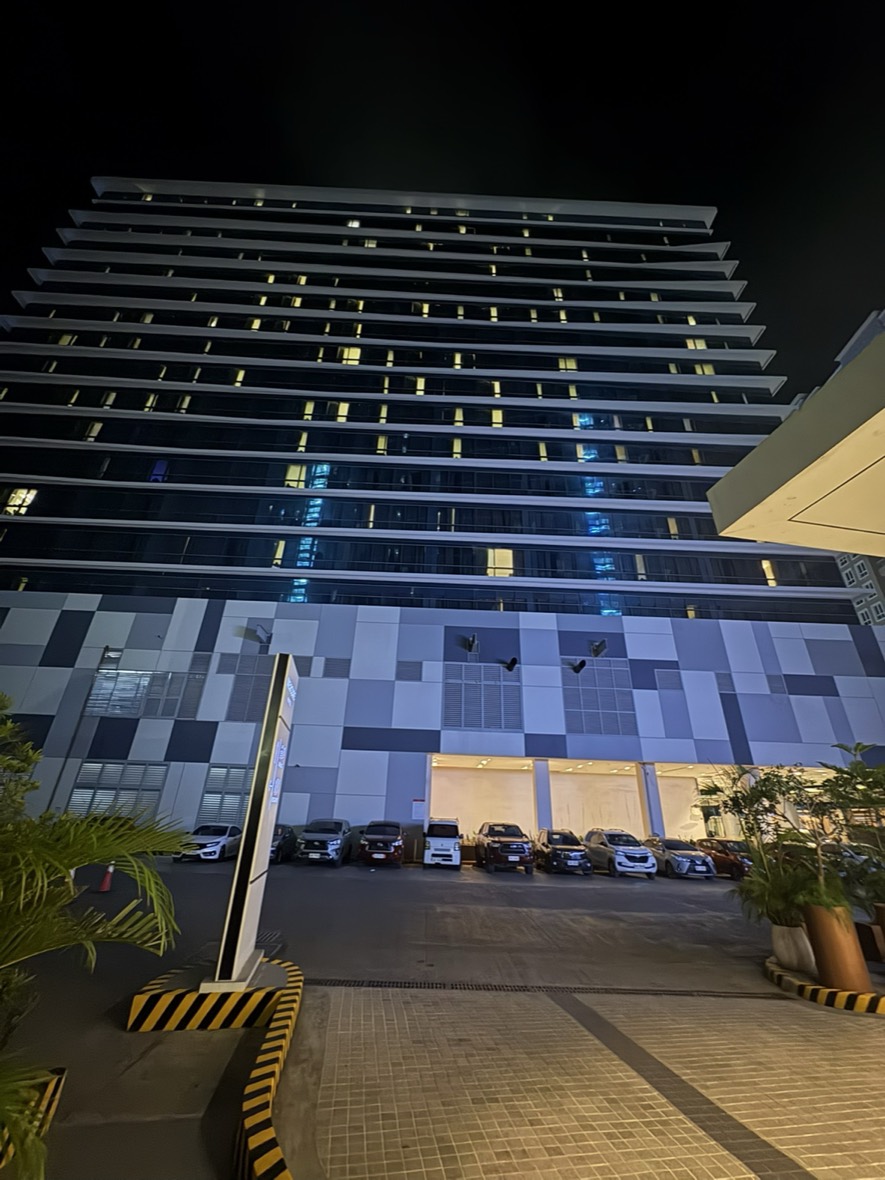
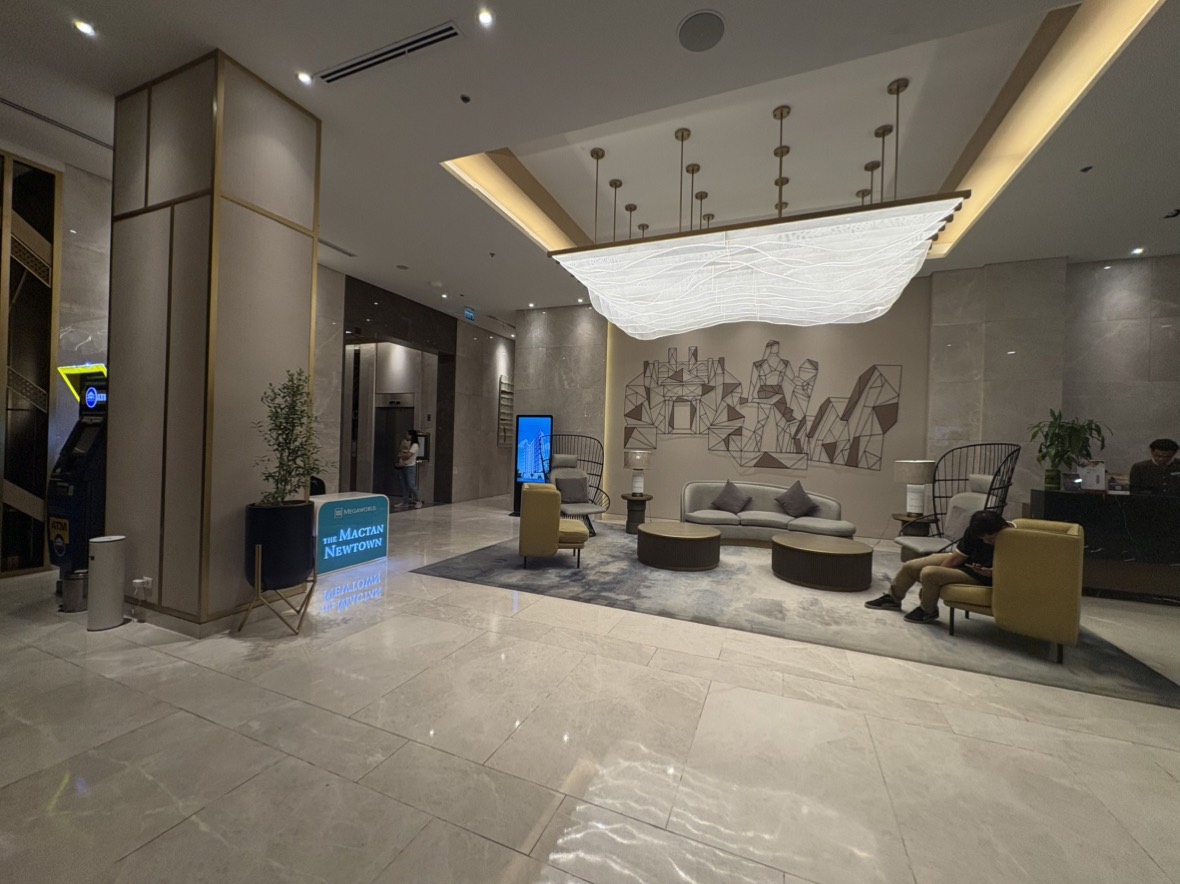
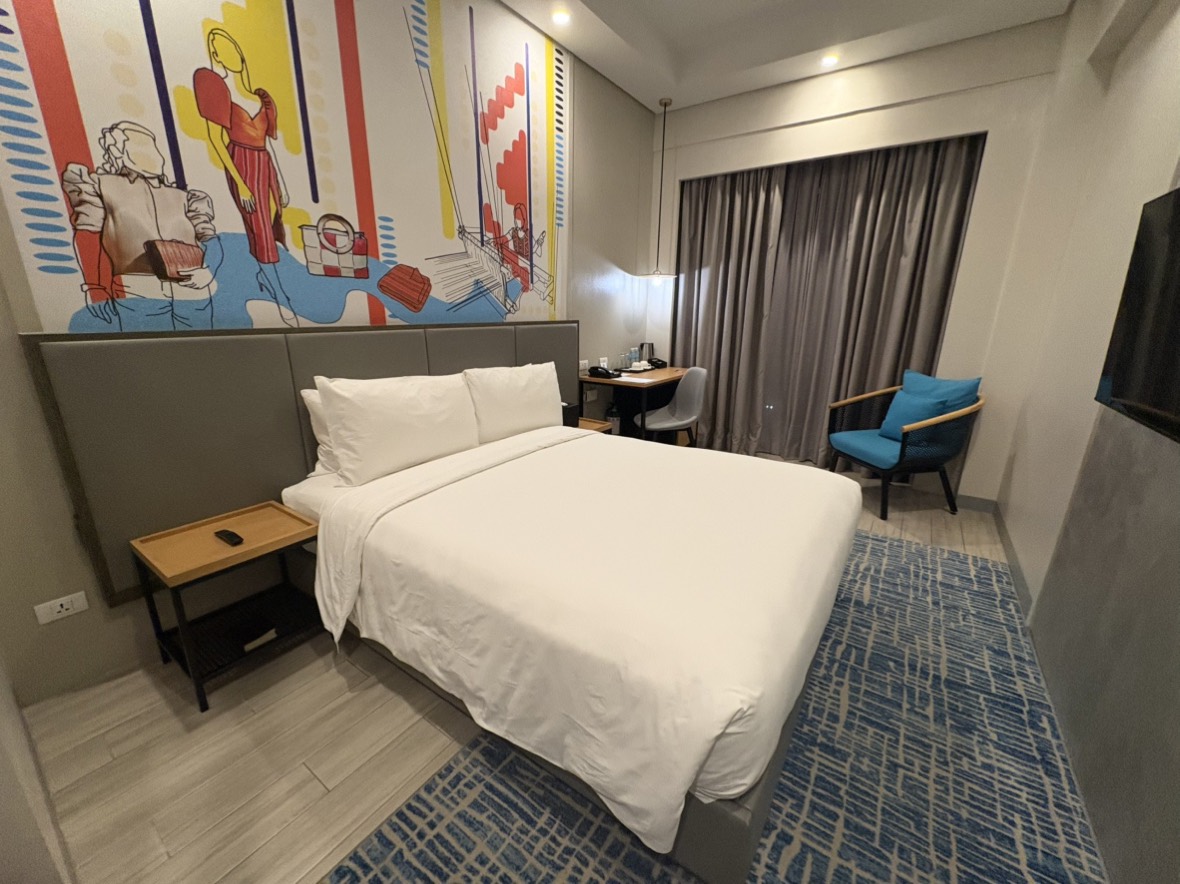
From tomorrow, the inspections for developing a new study-abroad plan in Cebu will begin in earnest. Tonight, a good rest — and then on to the next day.
The practical English environment I found in Lingayen
Revisiting Lingayen on this trip, something struck me with renewed force.
English is woven into the fabric of everyday life here to an even greater degree than I had imagined. The environment is calmer and more contained than Manila, yet English appears naturally and frequently — and for anyone looking to learn, it is a remarkably practical setting.
Of course, you do occasionally notice individual accents and inflections that vary from speaker to speaker. But that, I would argue, is precisely the value of learning in the field.
Rather than hearing only the polished audio of textbooks, you encounter English as real people speak it. You try to express what you mean in your own words. You take in facial expressions and gestures alongside the spoken language, and the conversation flows from there.
As an entry point into American English, Lingayen strikes me as an exceptionally good fit.
The cost of living is lower than in Japan, and the town itself — not just the school — becomes a place of learning. The relative lack of evening entertainment might seem like a limitation, but for anyone seriously focused on language study, it is arguably a distinct advantage.
To step beyond Hokkaido and spend time living while learning English — as a first destination for that kind of experience, Lingayen feels like a genuinely excellent choice.
What stayed with me most at the end of this day was the warmth of Lingayen as a place, and the energy it carries towards the future.
The teachers, the school staff, the local officials, the people of the community — each of them takes pride in their town and opens their arms to visitors from outside.
I believe that warmth is something our students will feel for themselves, from the very first day of their programme.
Day 3 will take us into the inspections for our new study-abroad plan in Cebu — please look forward to it.