


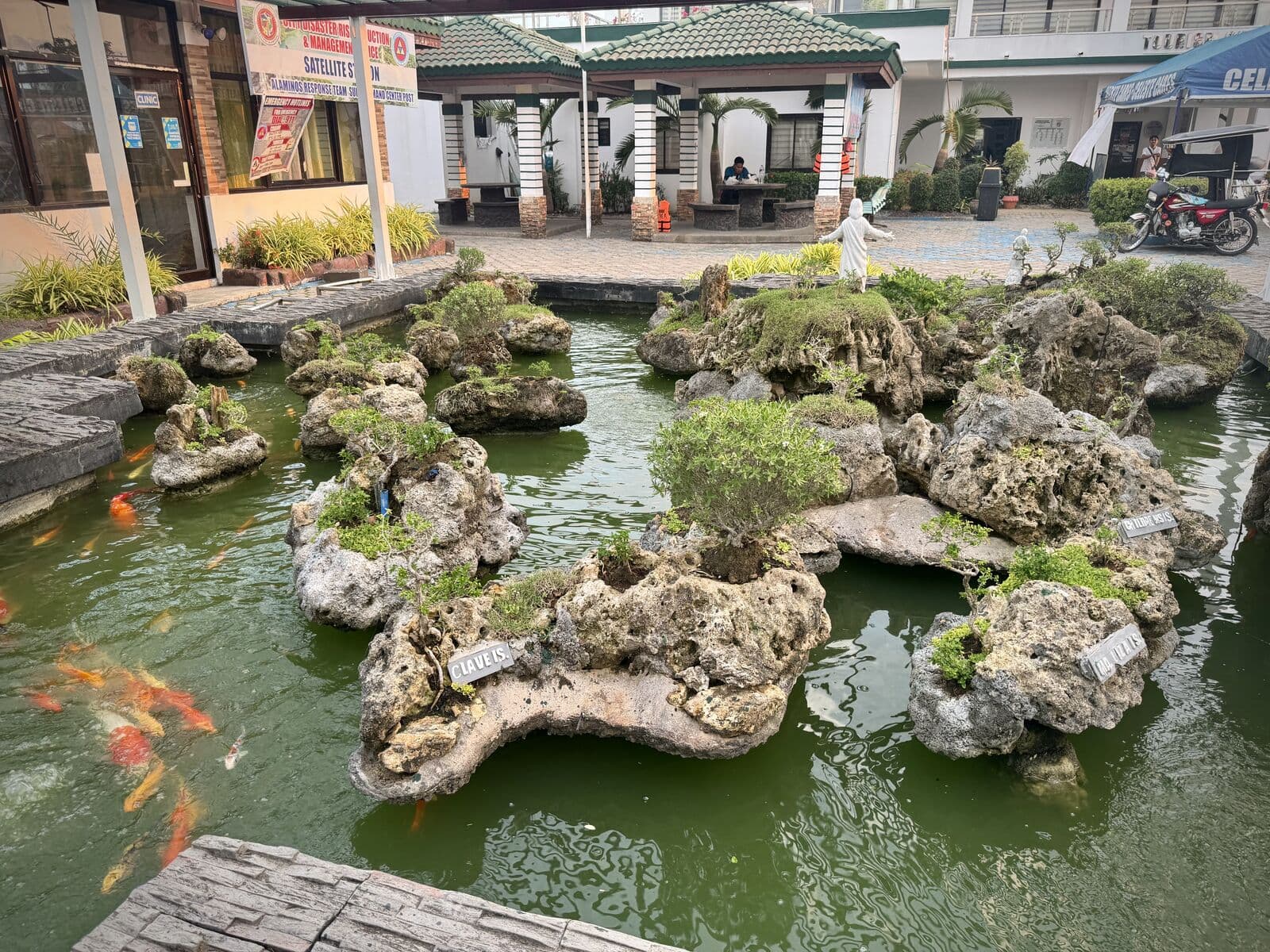
Hello, everyone. Welcome back to our Site Visit Diary, following our team's visit to short-term language schools in the Philippines. This is Day 5.
Setting off at nine — with the teachers, bound for Hundred Islands
Day 5 began at nine in the morning. We climbed into a van together with the teachers from Parrots-kun Language School and headed for Hundred Islands. About an hour and a half of driving later, we arrived at the pier where the island-hopping boats depart.
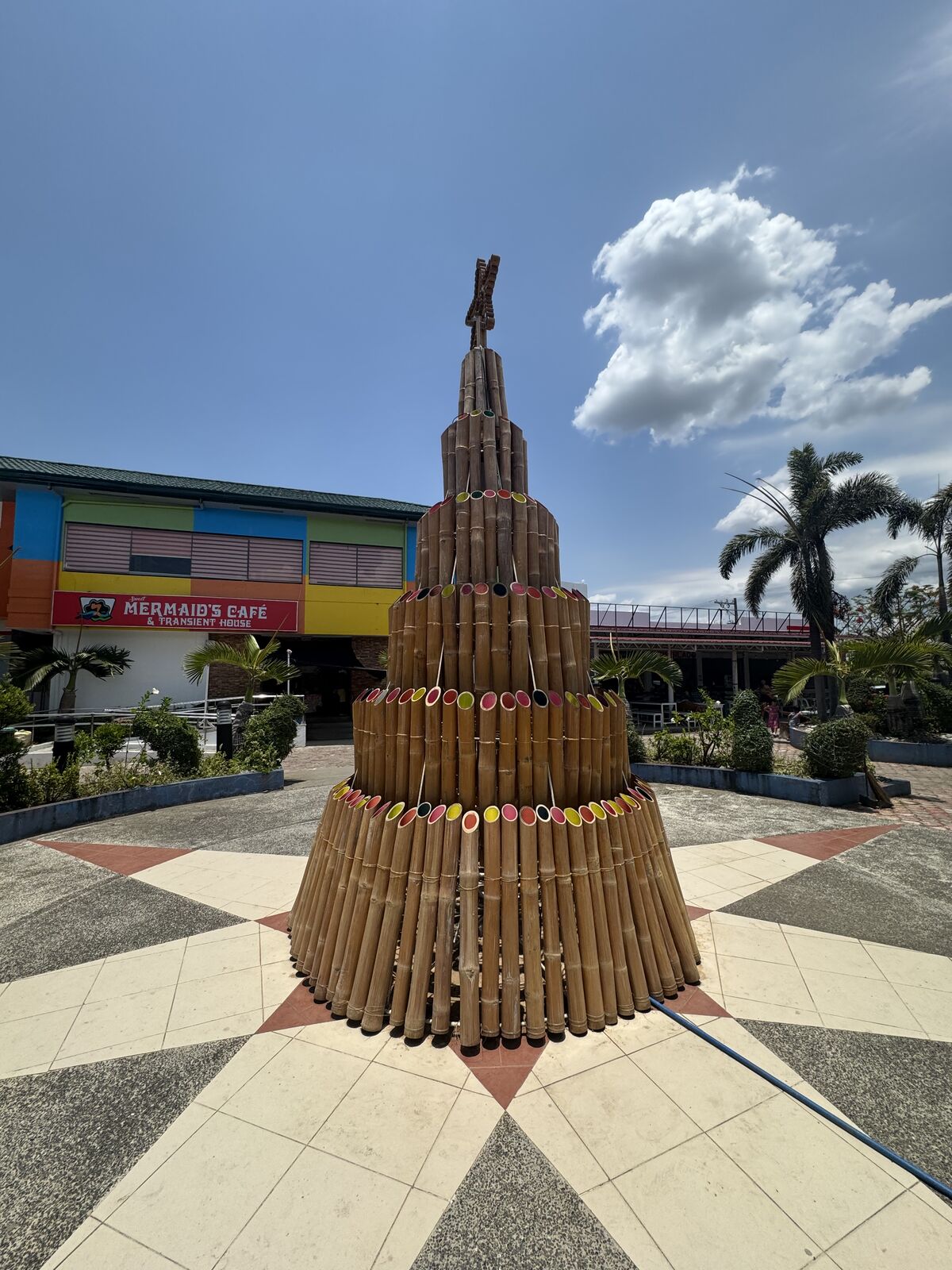
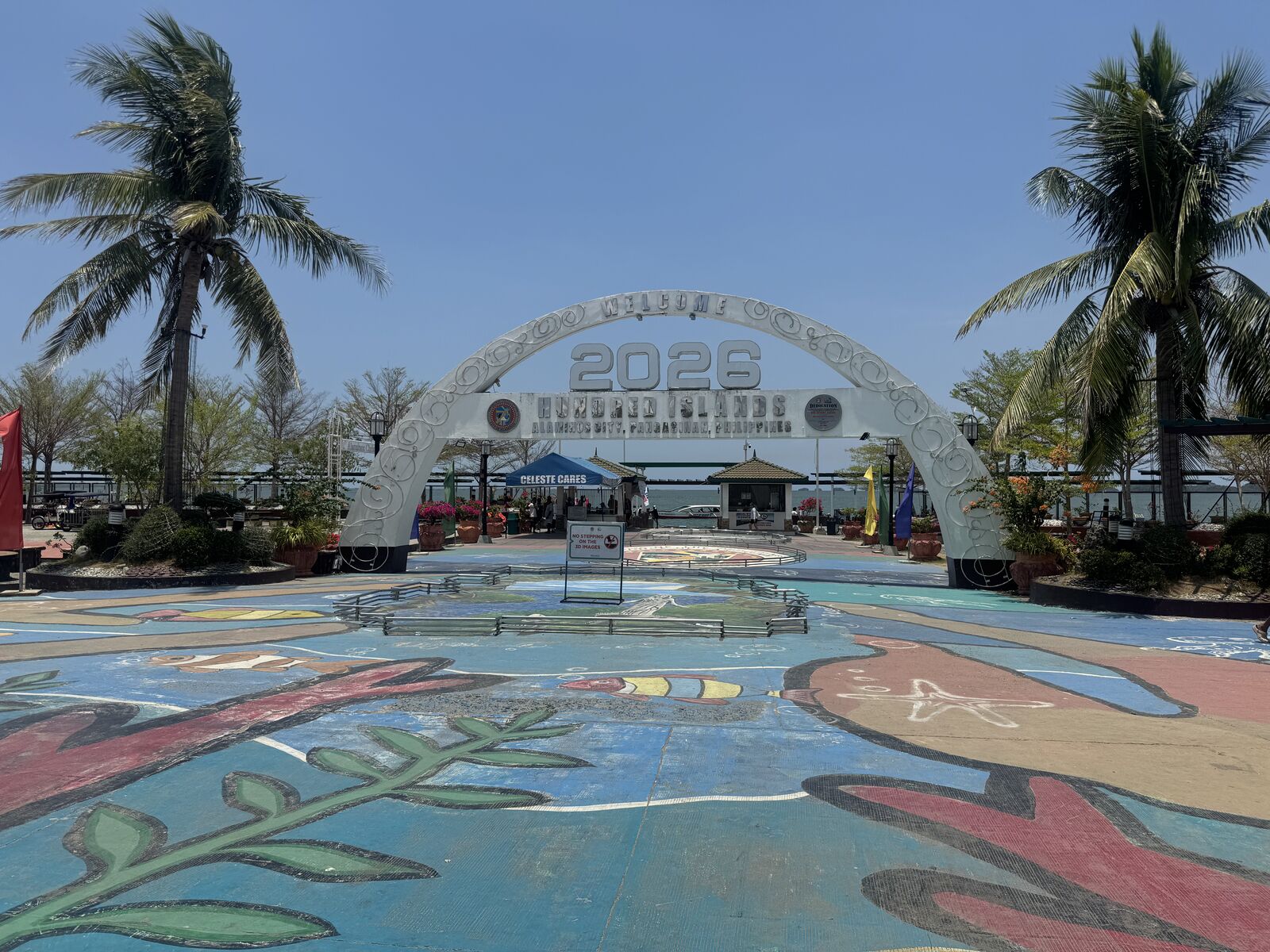
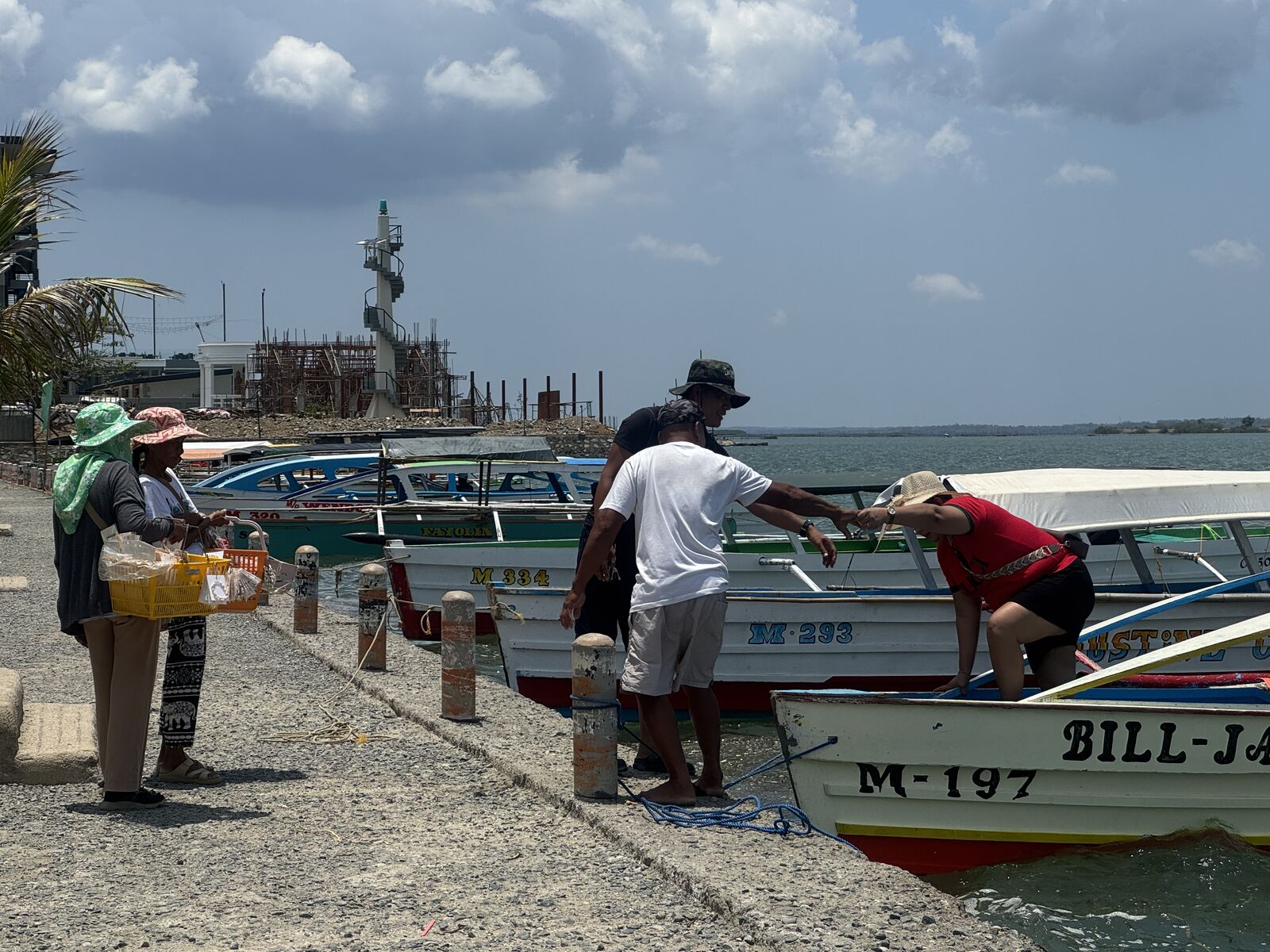
Just the fact of heading out somewhere together with the teachers gives the whole thing a slight feel of a school trip. Seeing them relaxed and at ease — so different from how they are in the classroom — is one of the things that makes these shared activities worth having.
Watching the same scenery, sharing the same meal, out in the open with the teacher who has been teaching you English. Something about that loosens the anxiety around speaking, and the distance between you quietly closes.
Aboard the boat — island hopping begins at last
Two crew members guided the boat through the islands, one at each end. Life jackets on and fastened, we were ready to go.
Hundred Islands takes its name from what was once said to be a hundred islands in the area. We were told that the number has decreased slightly over time, and there are now thought to be around ninety-seven.
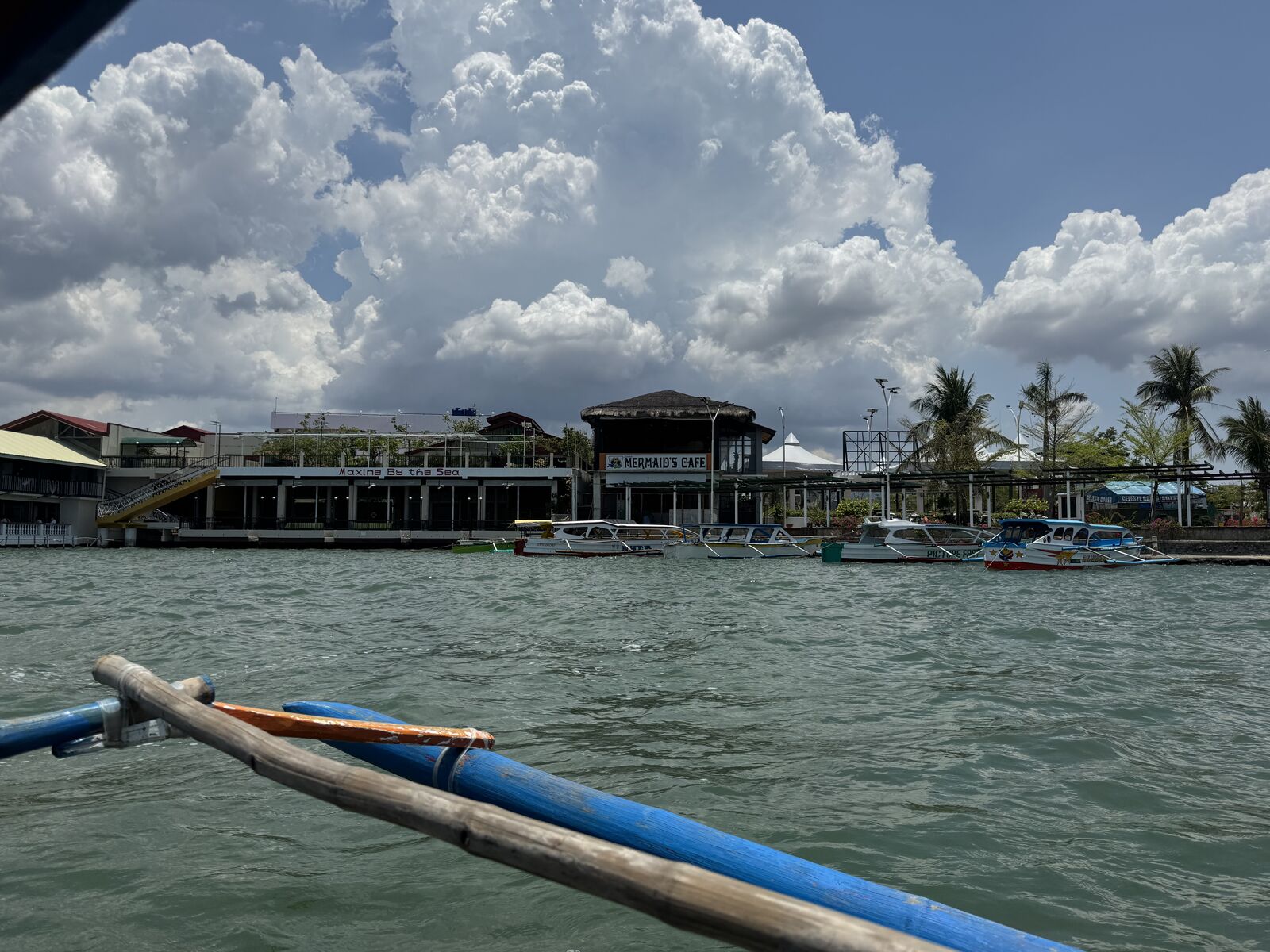
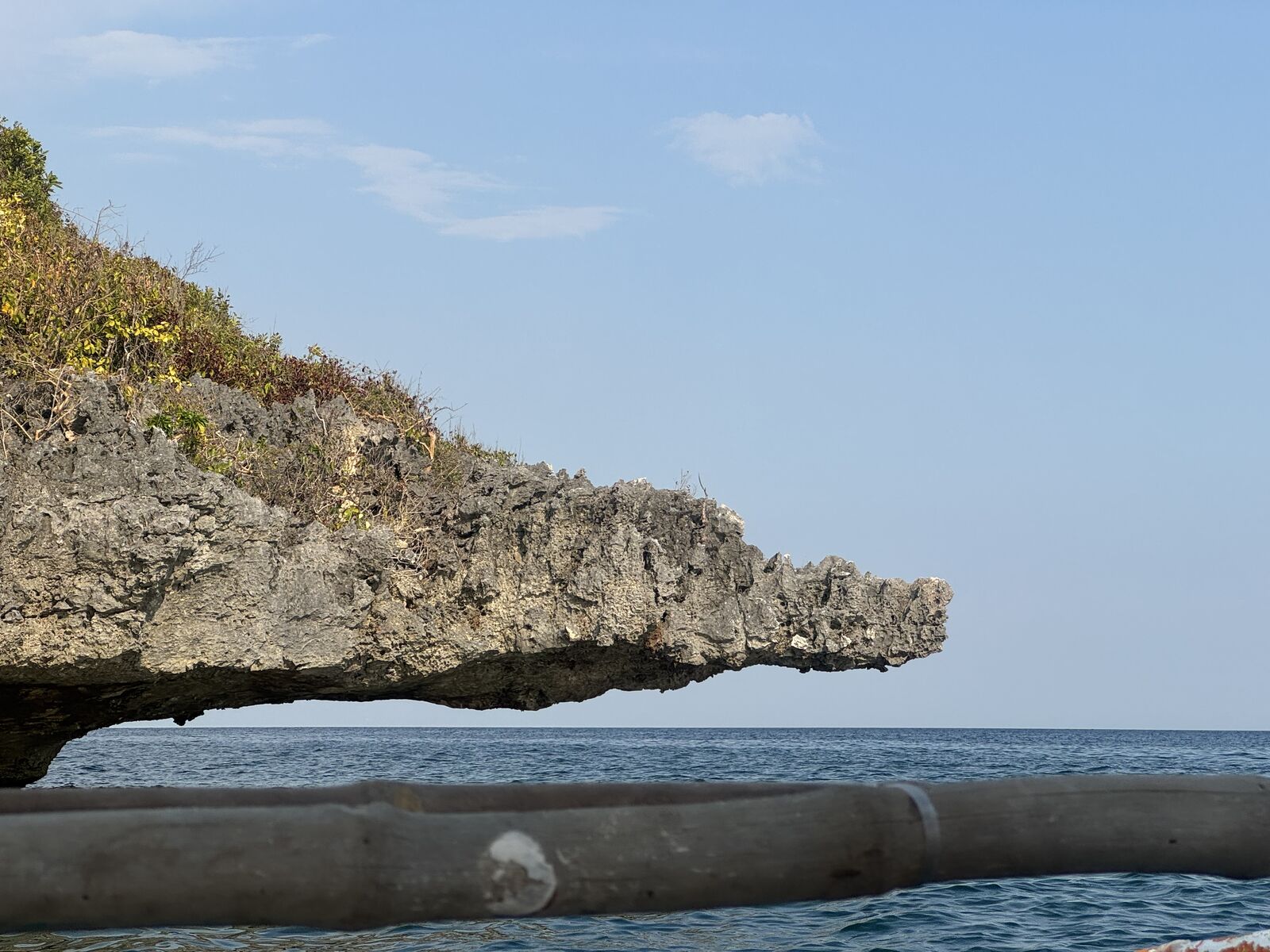
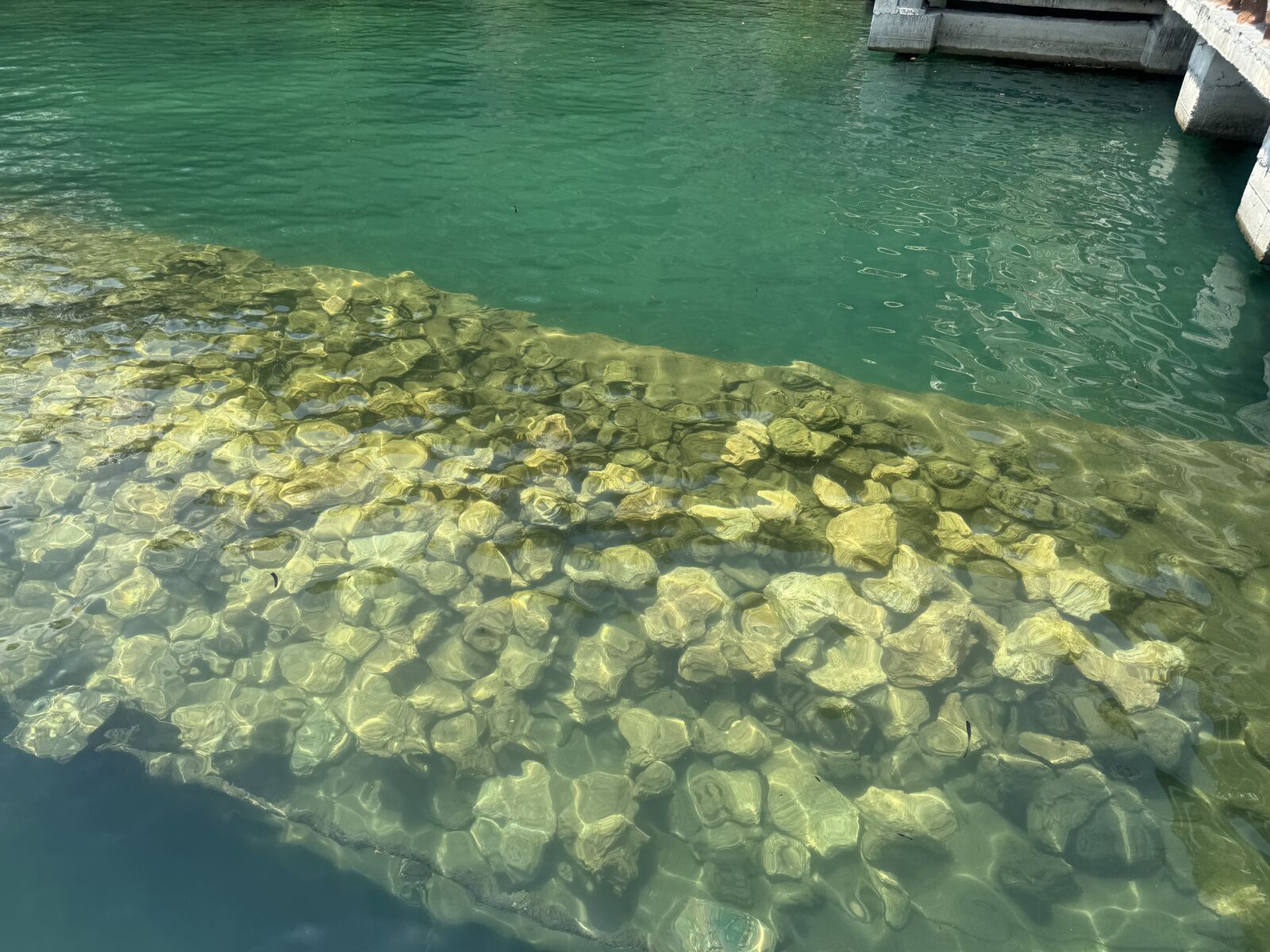
The trip takes you to a handful of those islands, weaving in and out — time for lunch, a swim, and the views along the way.
The boat moved at a comfortable pace, and felt steadier than we had expected. Anyone who is normally wary of seasickness might be pleasantly surprised.
Leaning out over the side, you could occasionally catch sight of something moving in the water beneath you. The sea here is bright and clear in a way that Hokkaido's sea is not — and simply being on the water is already a special thing.
The first island — a viewpoint that stops you in your tracks
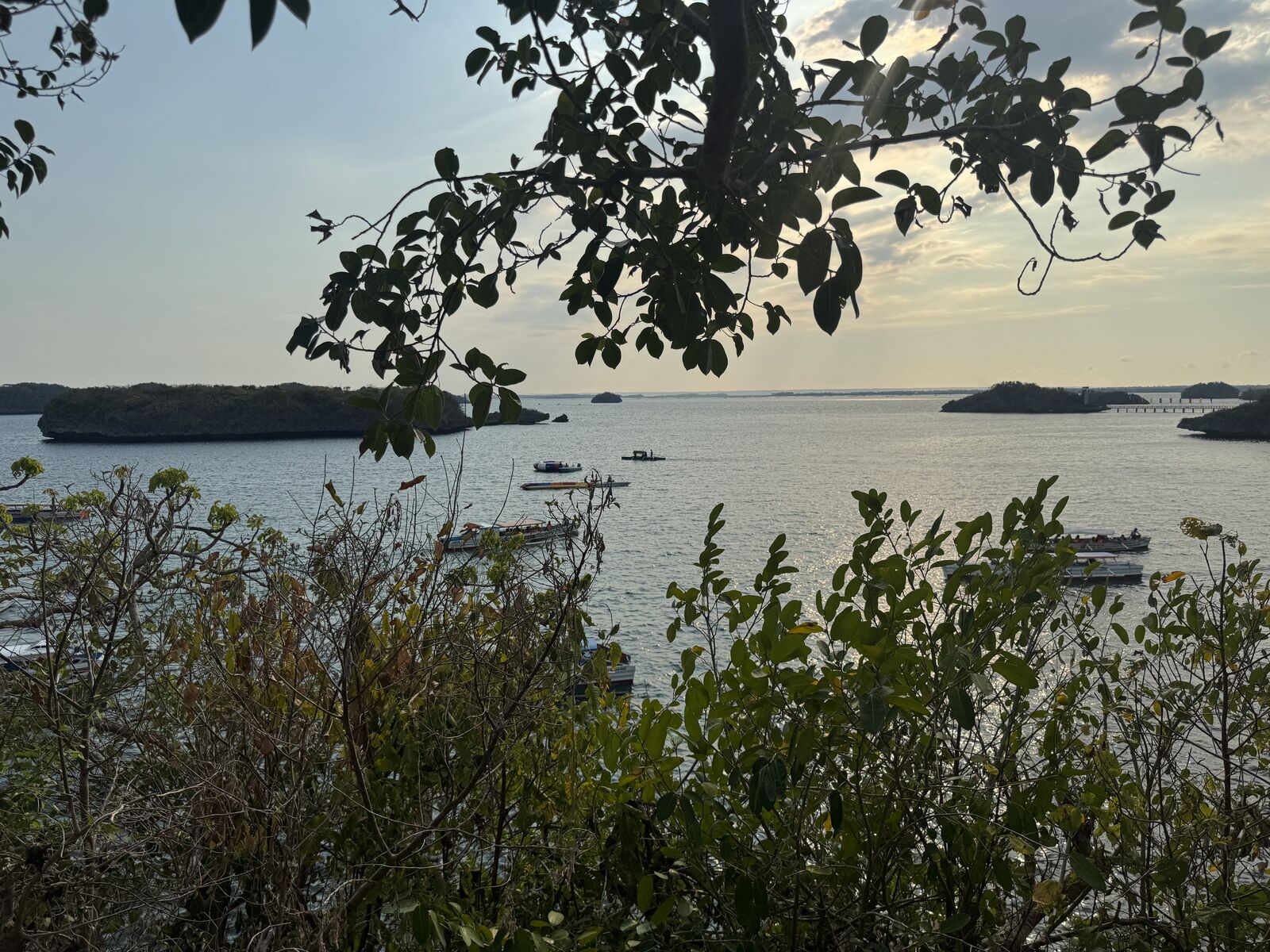
The first island we landed on had two viewpoints to climb to.
From the higher ground, you can look out across the sea dotted with islands in every direction. Blue water below, small green islands scattered across it — a scene that is unmistakably the Philippines, unmistakably the tropics.
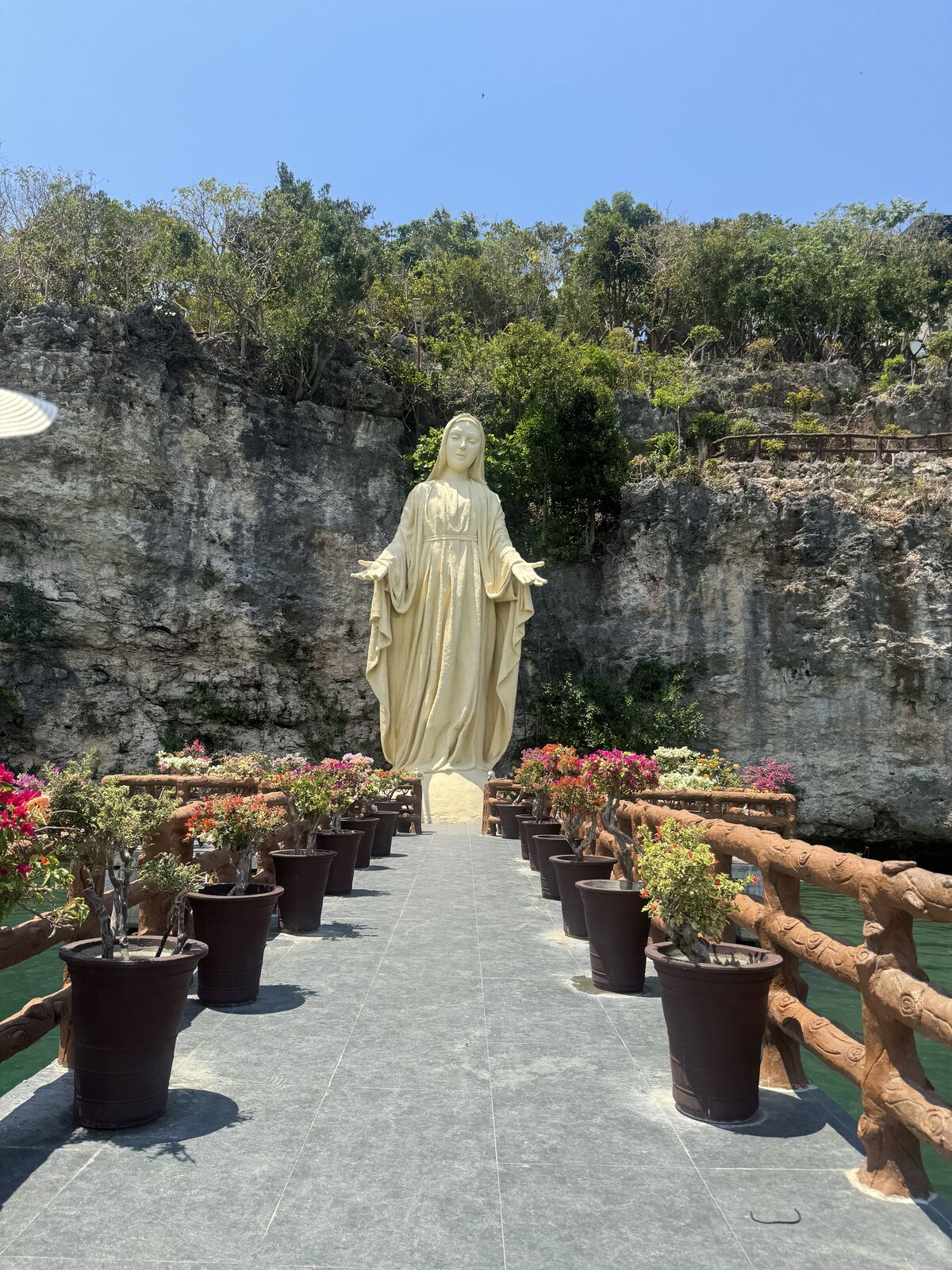
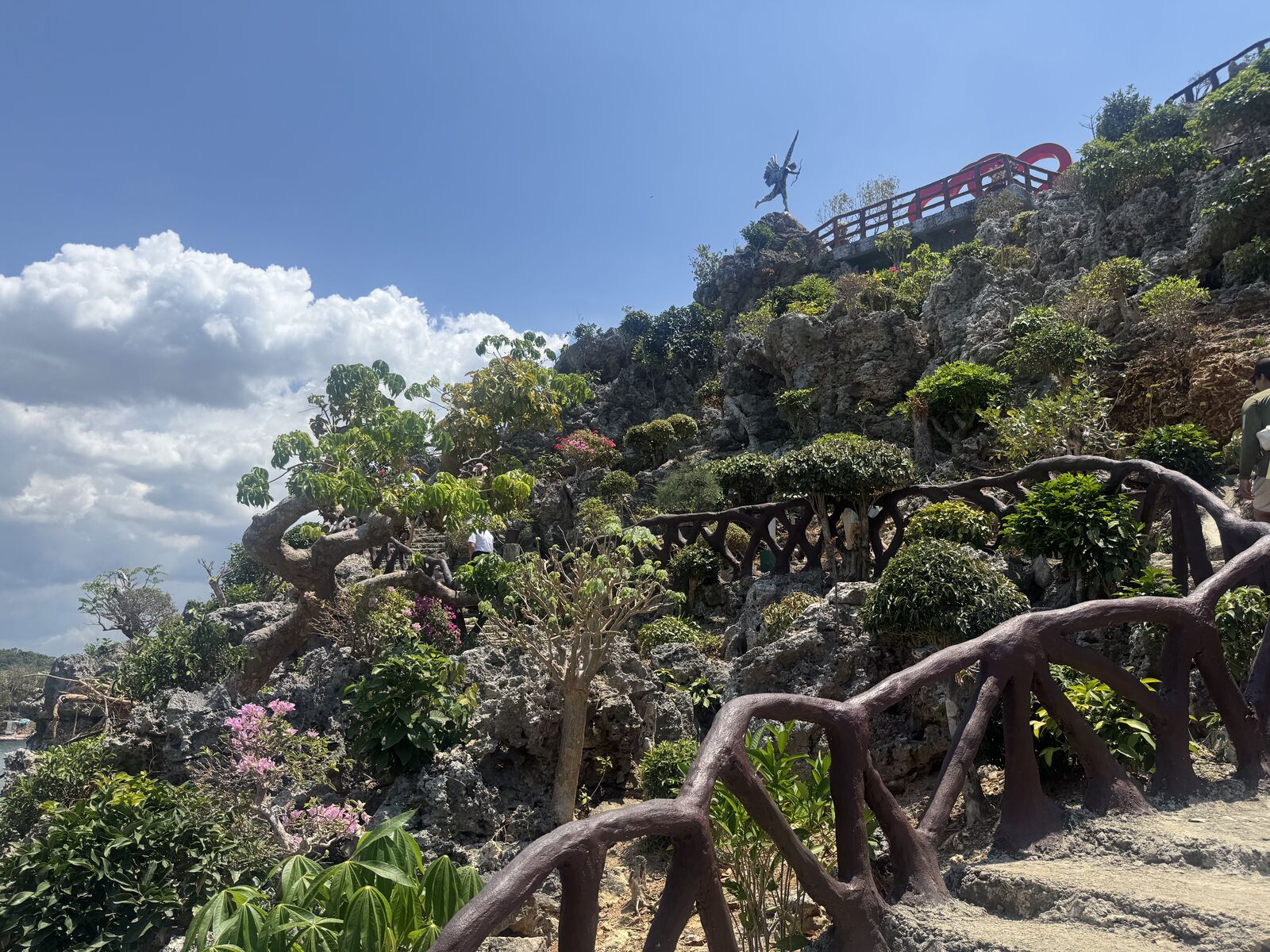
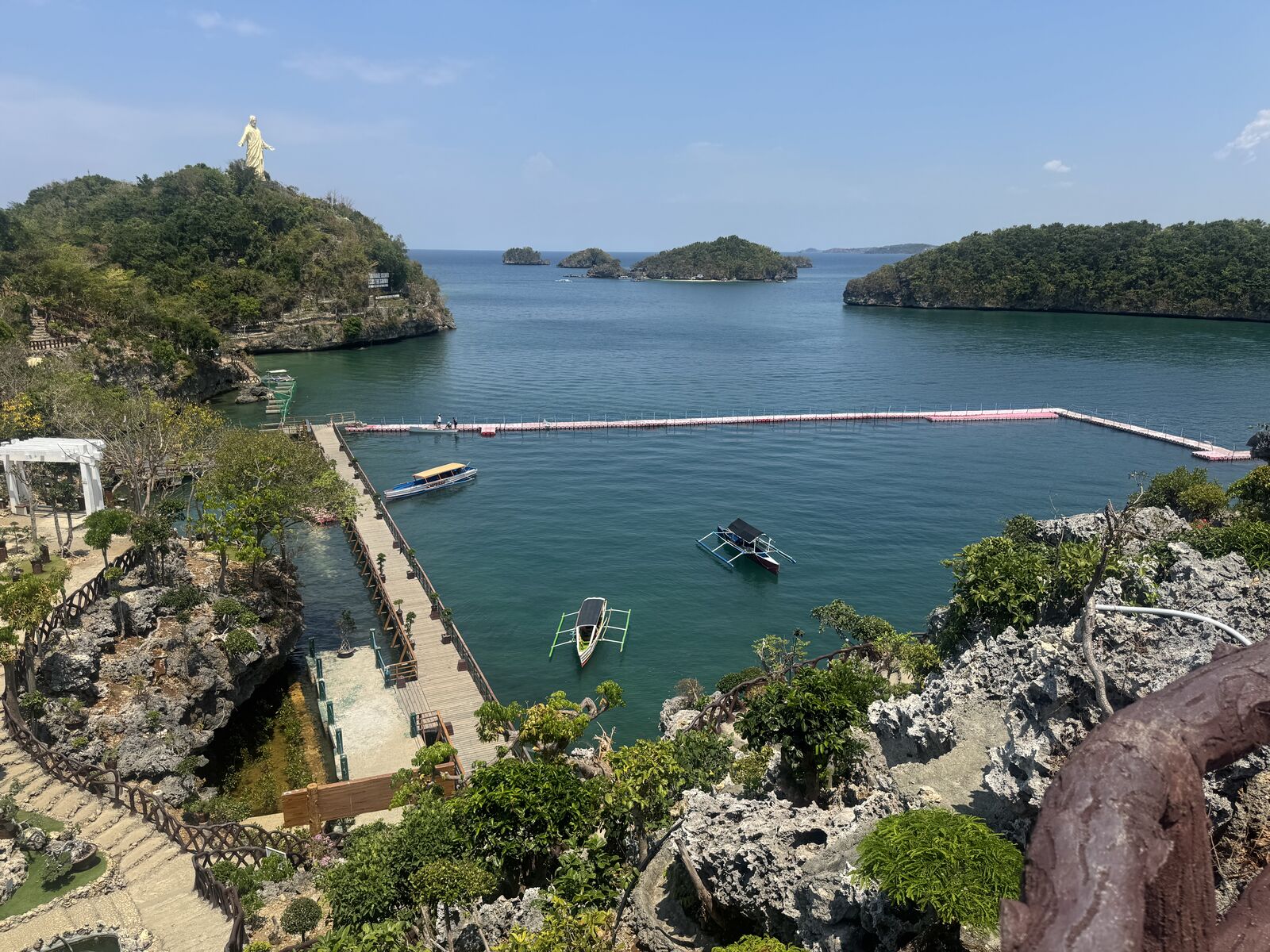
Photographs capture some of it — but standing there in person, you feel the wind, the light, the colour of the water. For those of us who had come from Hokkaido, this was genuinely unlike anything in our everyday lives.
Freshly caught oysters, eaten right there on the water
On this island, a boat came alongside selling oysters.
A boat selling oysters out on the water — the scene itself is something you would never encounter at home, and we found ourselves drawn over almost without thinking. The oysters had been caught moments before, and we ate them on the spot.
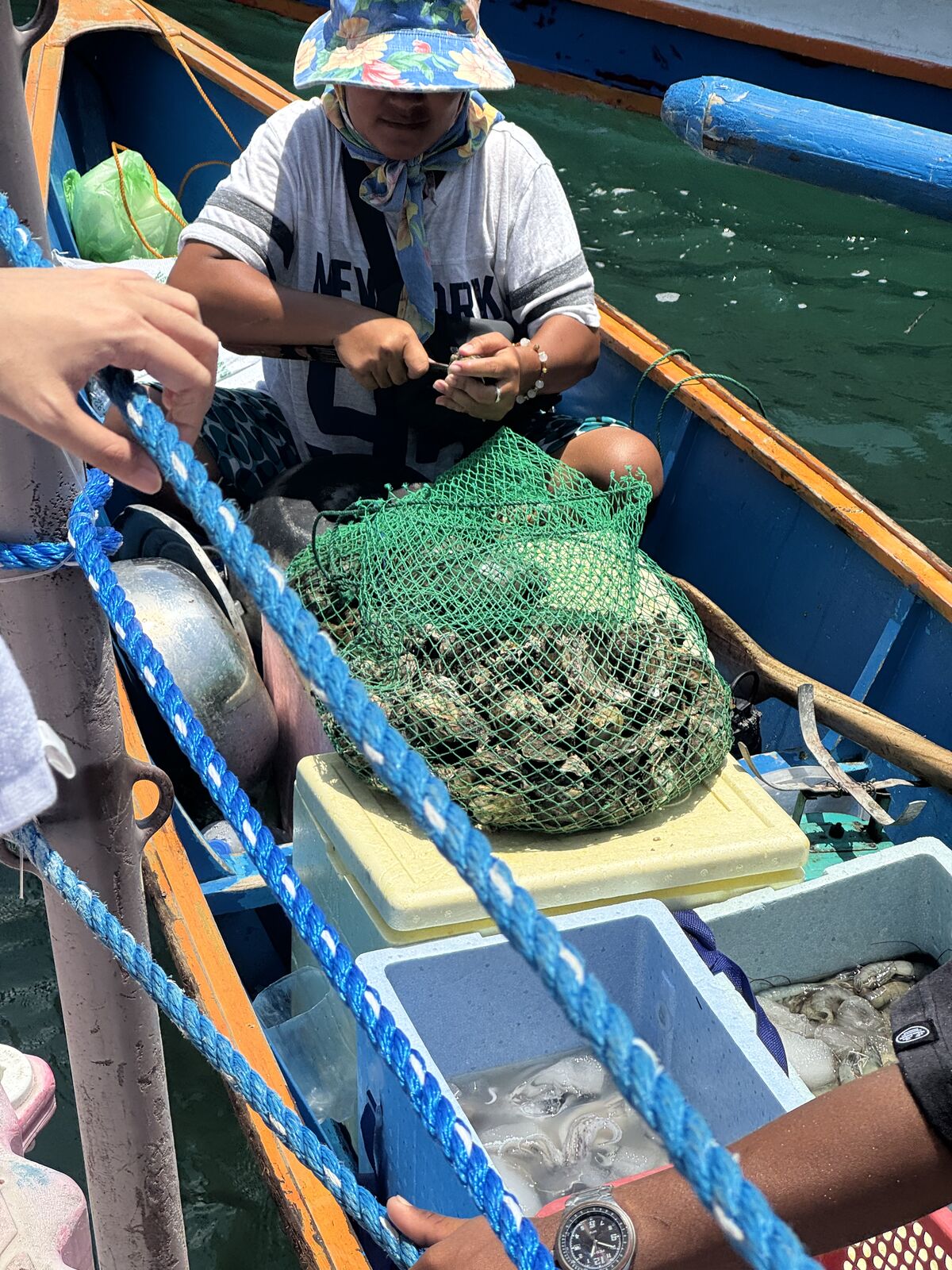
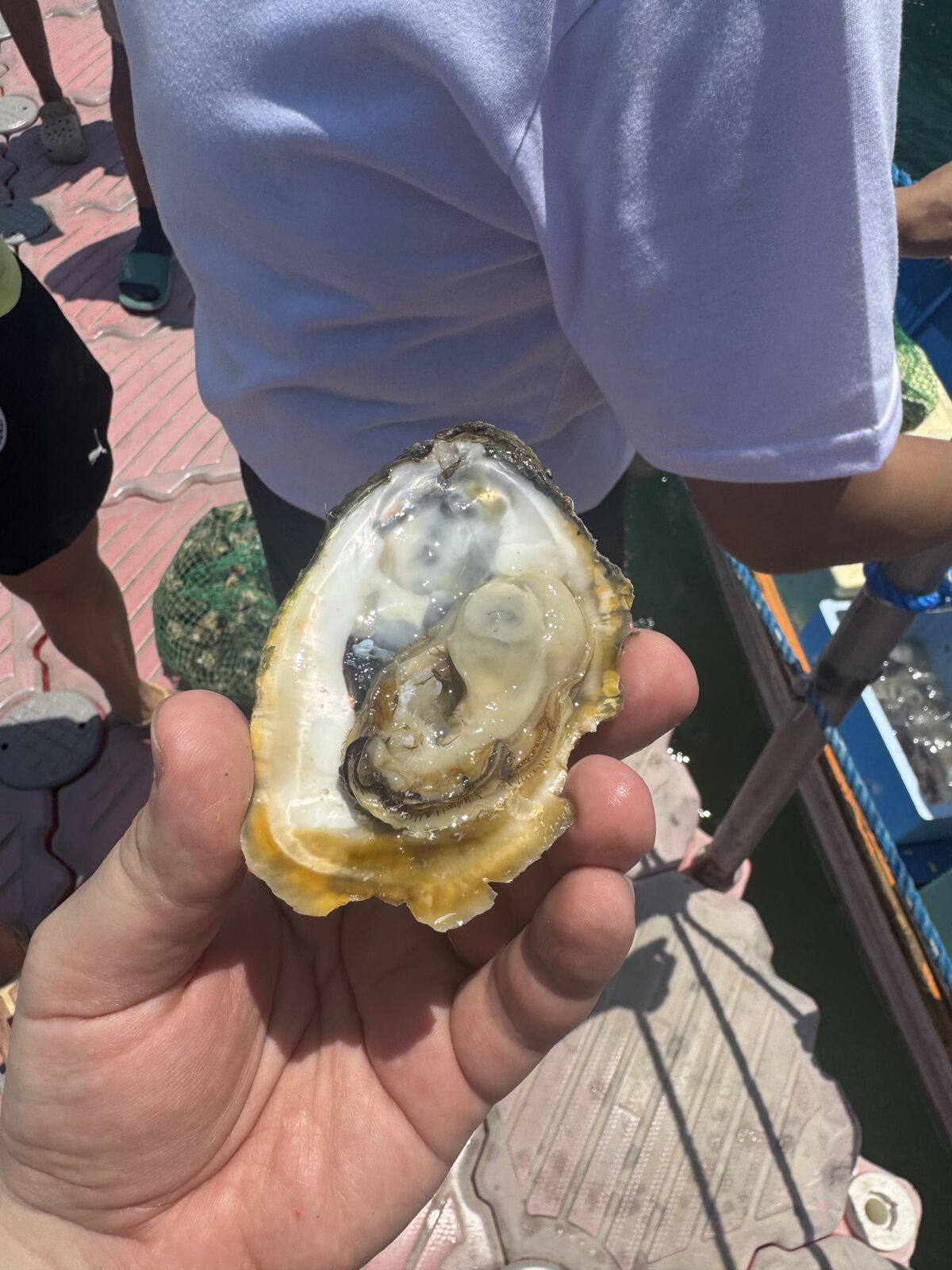
Chance encounters like that are among the things that stay with you most from a trip.
Beyond the planned activities, the people you happen to meet, the food you happen to try, the views you happen to stumble across — all of it becomes part of what you carry back. Having the teachers and local staff alongside means you can lean into those moments with confidence, rather than hesitation.
On to the next island — a BBQ lunch by the shore
At the next island, we sat down to lunch first. We had a barbecue close to the rocks — grilled seafood and meat, plenty of both.
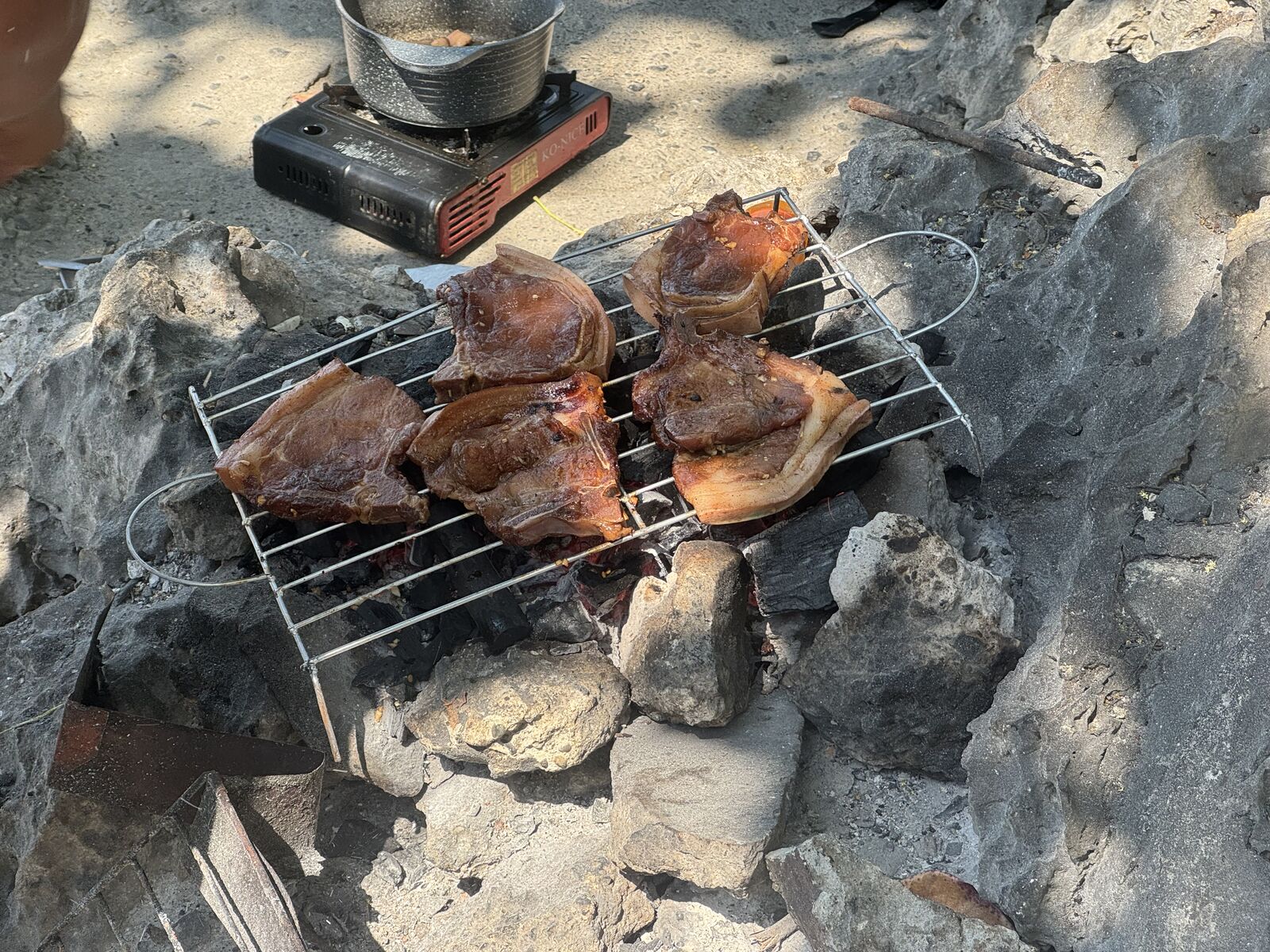
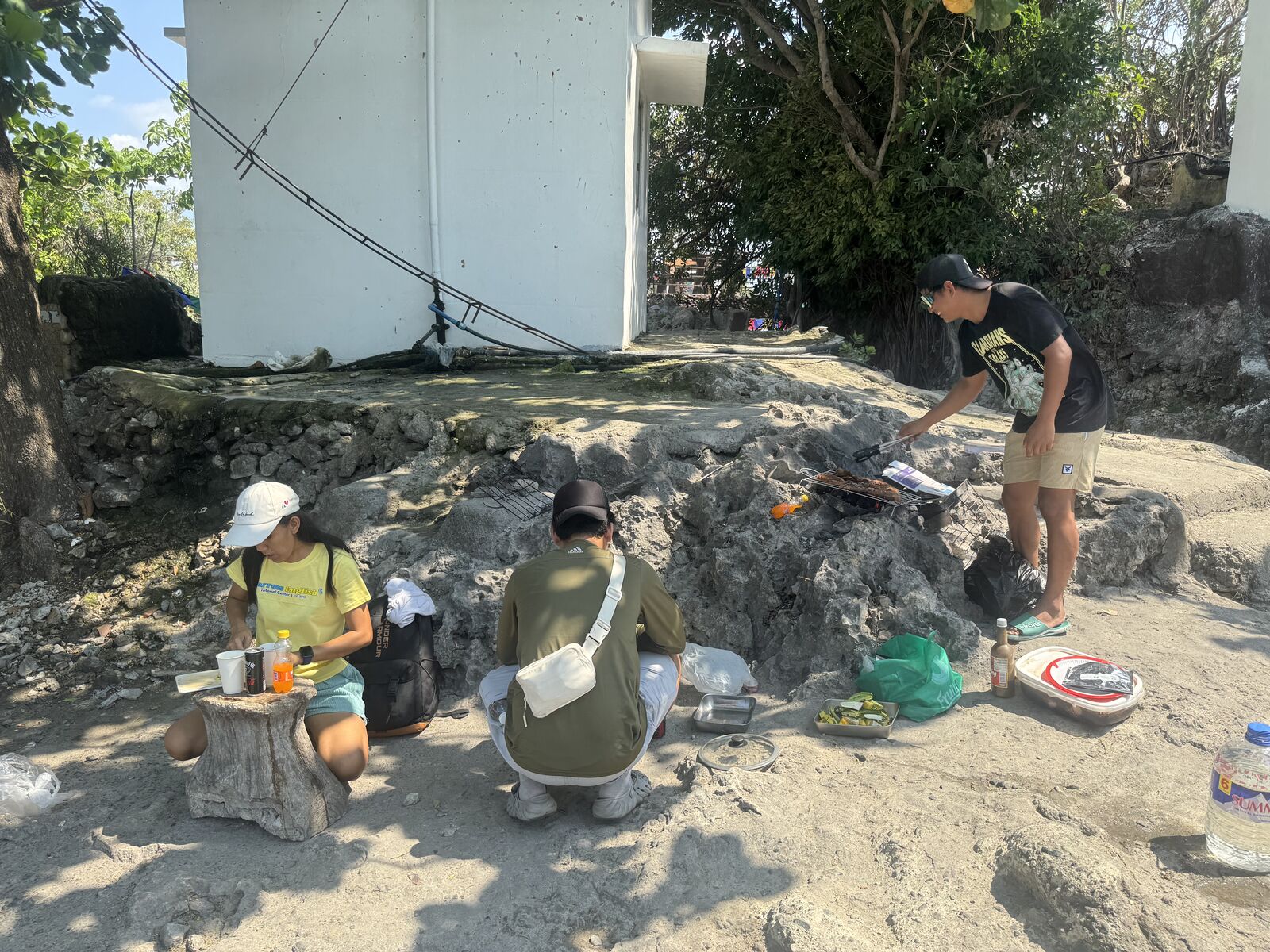
Eating a barbecue with the sea in front of you gives the meal a particular kind of pleasure all by itself. Sitting around the food together with the teachers and local staff, out in the open air — it was an easy, warm sort of time.
When people think of a language study-abroad experience, the image that comes to mind is usually a classroom and a desk. But moments like this one are also full of opportunities to use English.
"What's this dish called?" "Which one would you recommend?" "Do you come to this island often?"
Being able to encounter English through natural conversation — that, we felt, is one of the things that makes activities out in the field genuinely valuable.
Water activities for those who want them — exciting just to watch
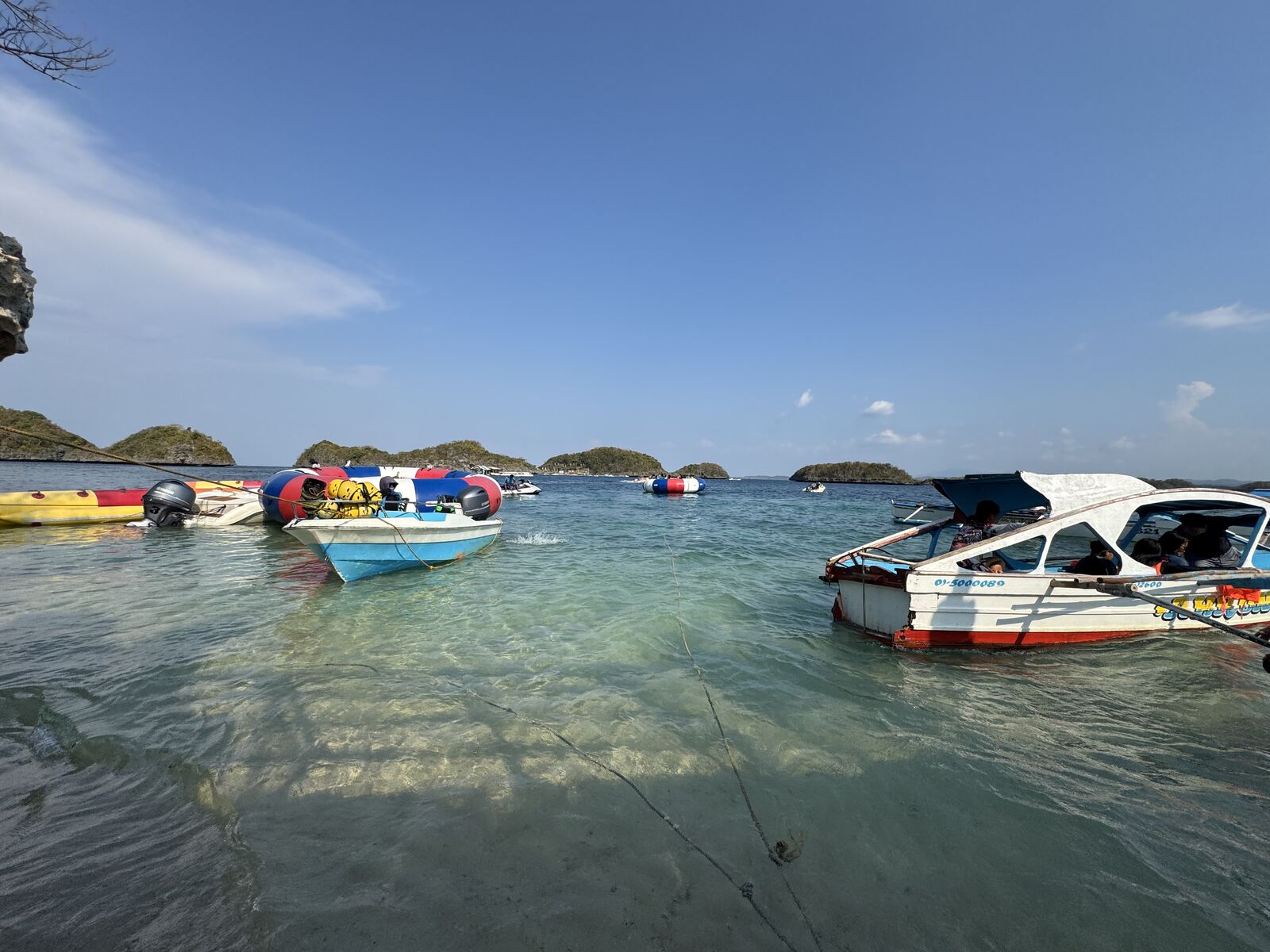
On this island, many of the visitors were enjoying water activities.
There was a zip line, a banana boat, and several other options you would expect at a tropical beach resort. The one that caught the eye most was the UFO Ride — a giant doughnut-shaped rubber tube towed behind a boat, spinning and skimming across the surface of the water.
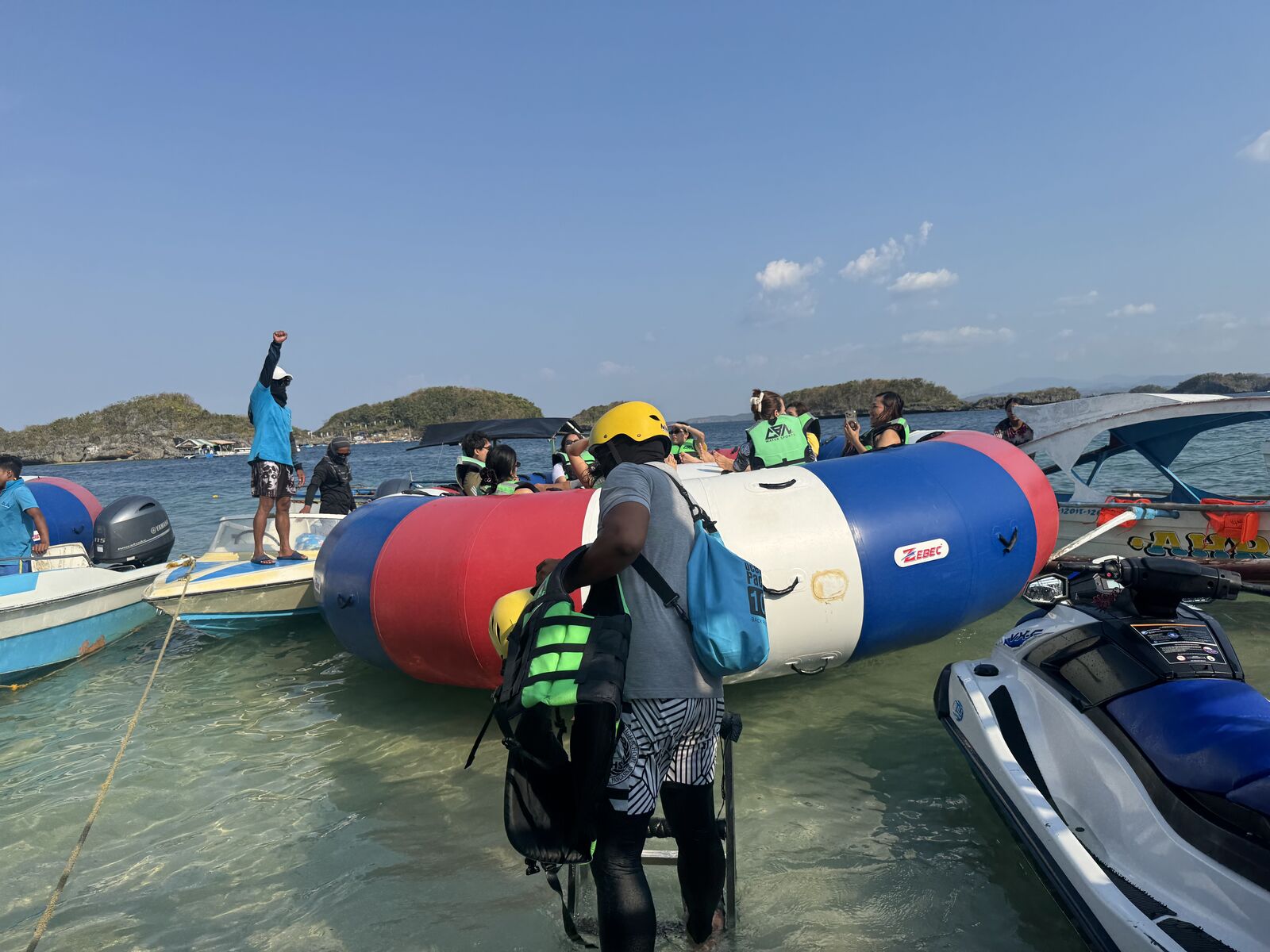
Pulled along by a speedboat and twisting across the waves, it looked like tremendous fun even from the shore.
Of course, throwing yourself into the activities is not the only way to spend the time. Simply sitting on the beach and taking it easy is a perfectly good option too.
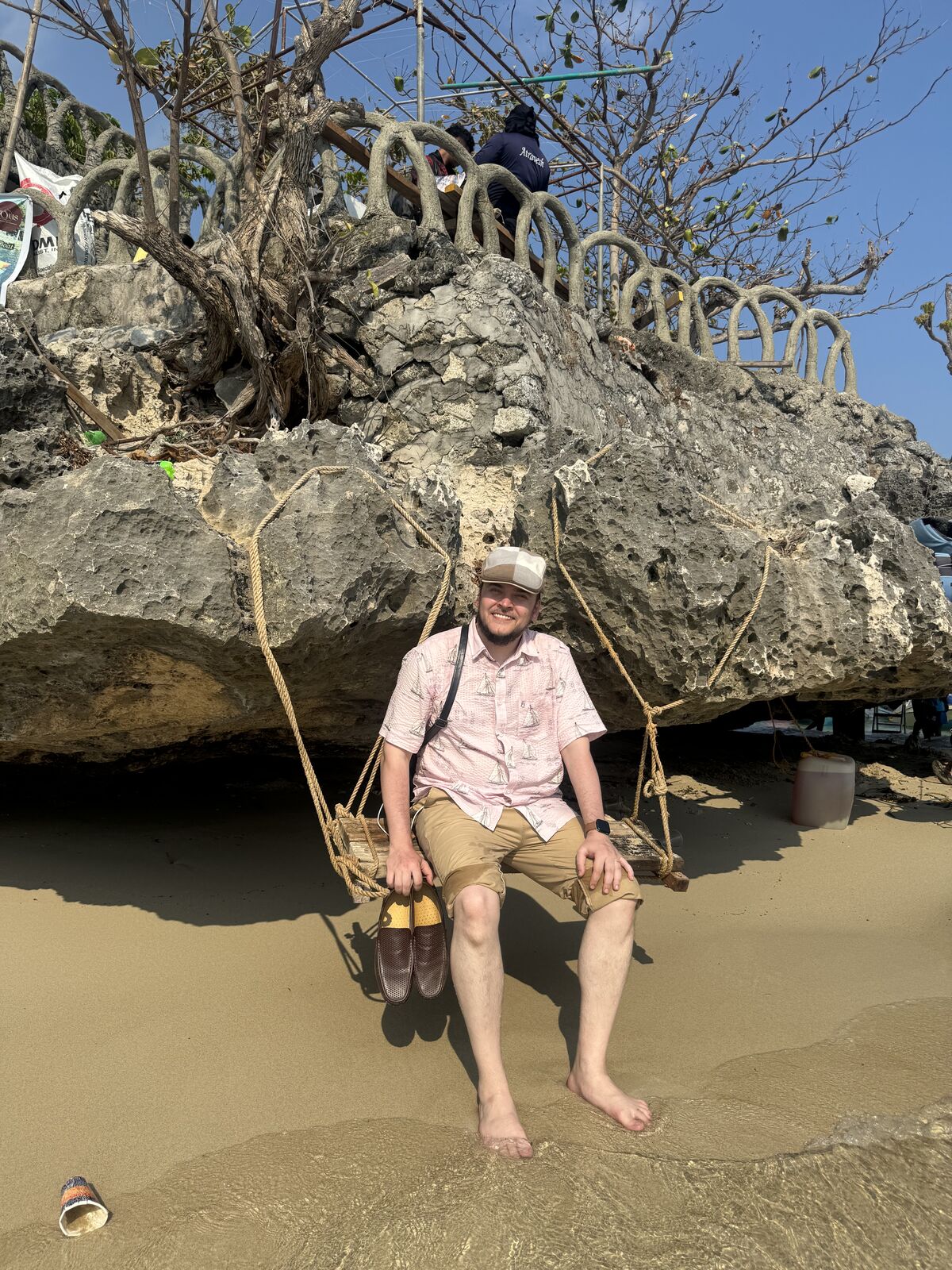
Sitting on the swing watching the sea, taking photographs, having a quiet rest. The beauty of this kind of activity is that you can find your own pace — whatever your energy levels or preferences happen to be.
Families, groups of friends, working adults in need of a reset, or those in their senior years after a quieter experience of the sea abroad — there is something here for all of them.
The final island — a cave, and dives from five metres up
The last island we visited had a cave to explore.
Here, the popular thing to do is dive into the sea from a ledge about five metres above the water. Plenty of people were lining up and taking the plunge, one after another — a test of nerve and a memory made at the same time.
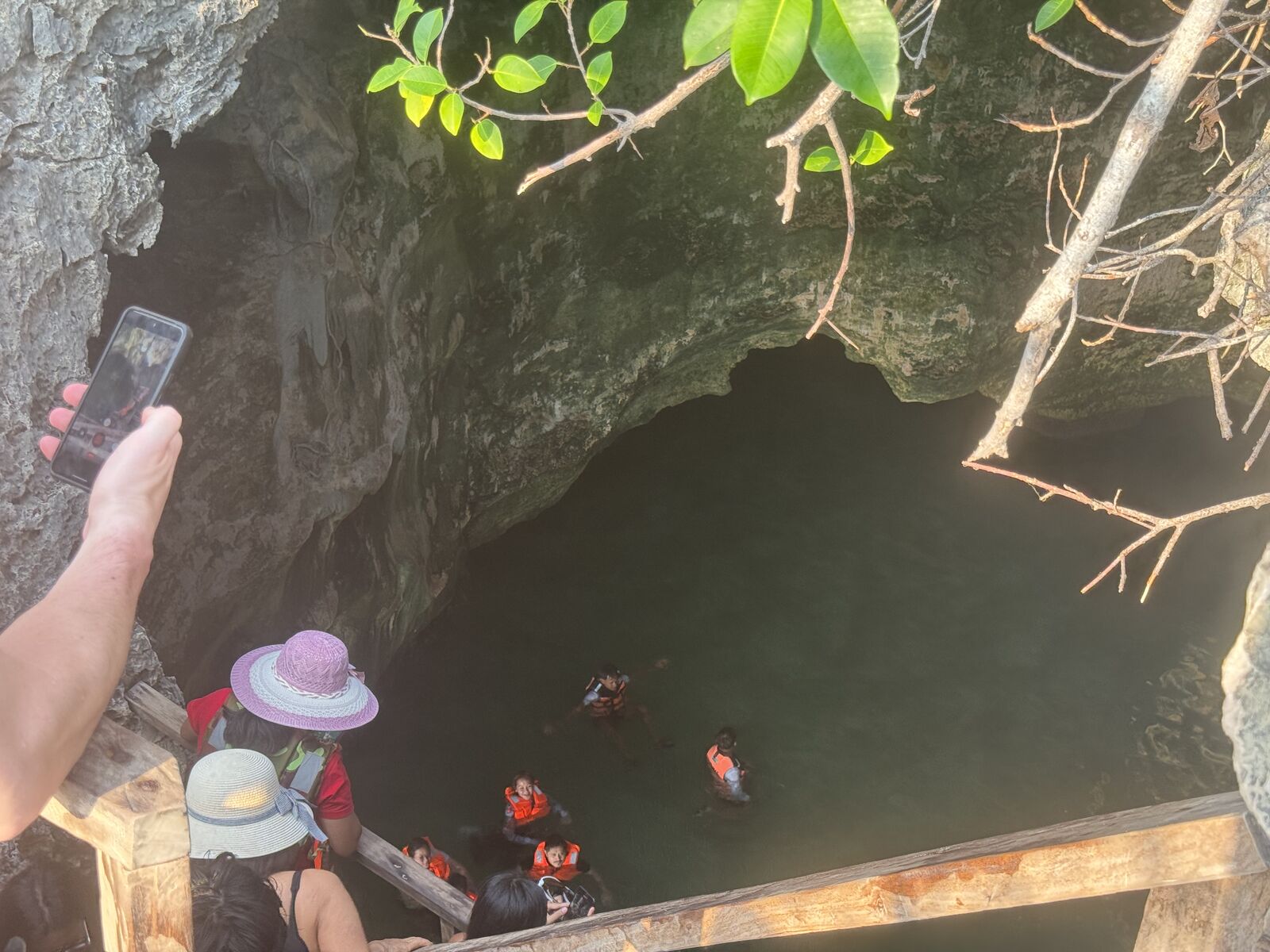
Of course, nobody is expected to jump. Watching from the side is enough — the atmosphere around it is electric, and that energy is contagious.
Being able to choose for yourself whether to participate is important. Those who are up for it can go for it with everything they have; those who would rather watch, swim, or simply enjoy the scenery can do exactly that. Being able to find your own way through an experience like this is a genuine comfort.
Swimming in the shallows as the sun went down
On this final island, the beach at dusk was something else entirely, and we spent some time wading in the shallows.
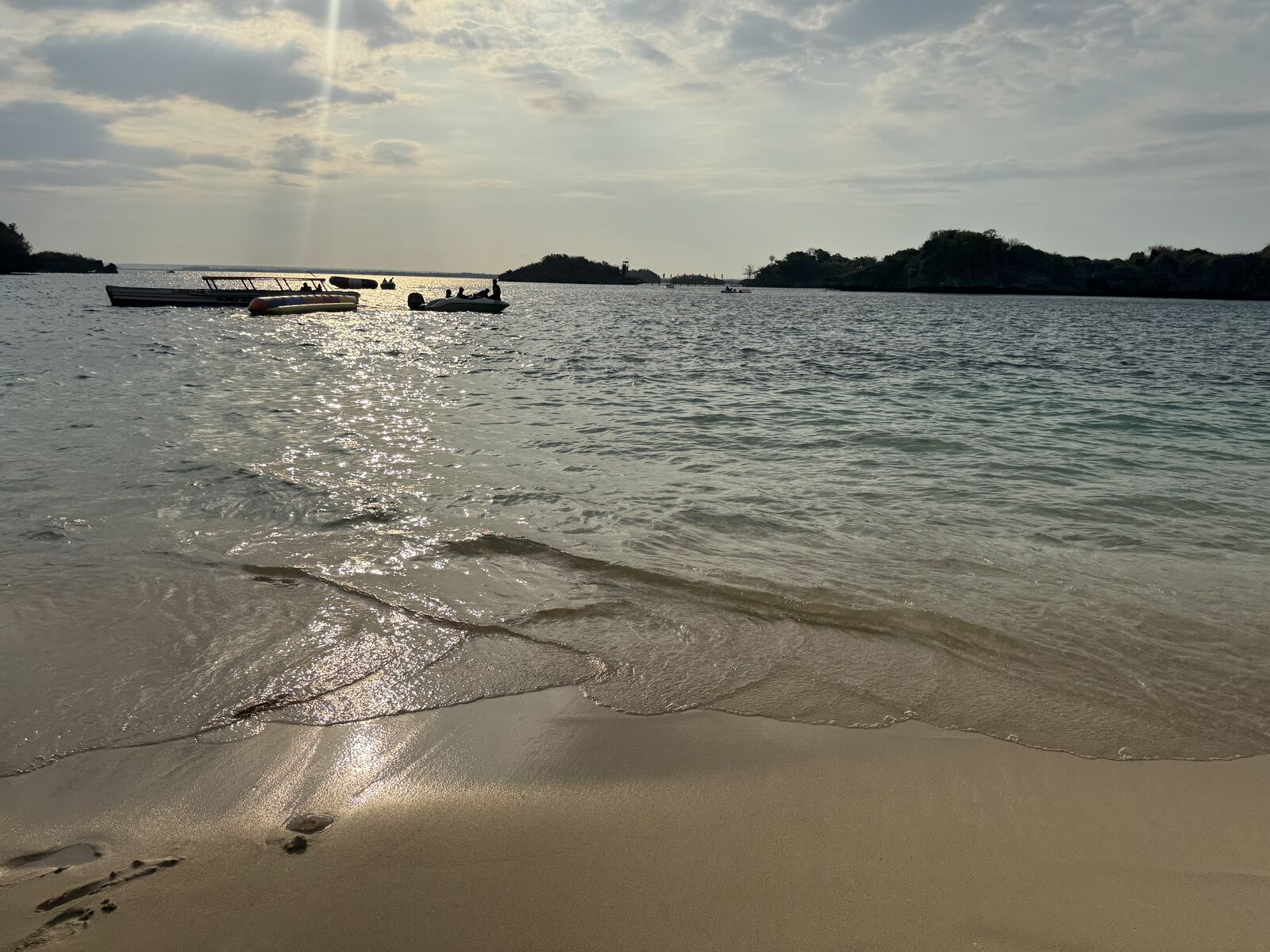
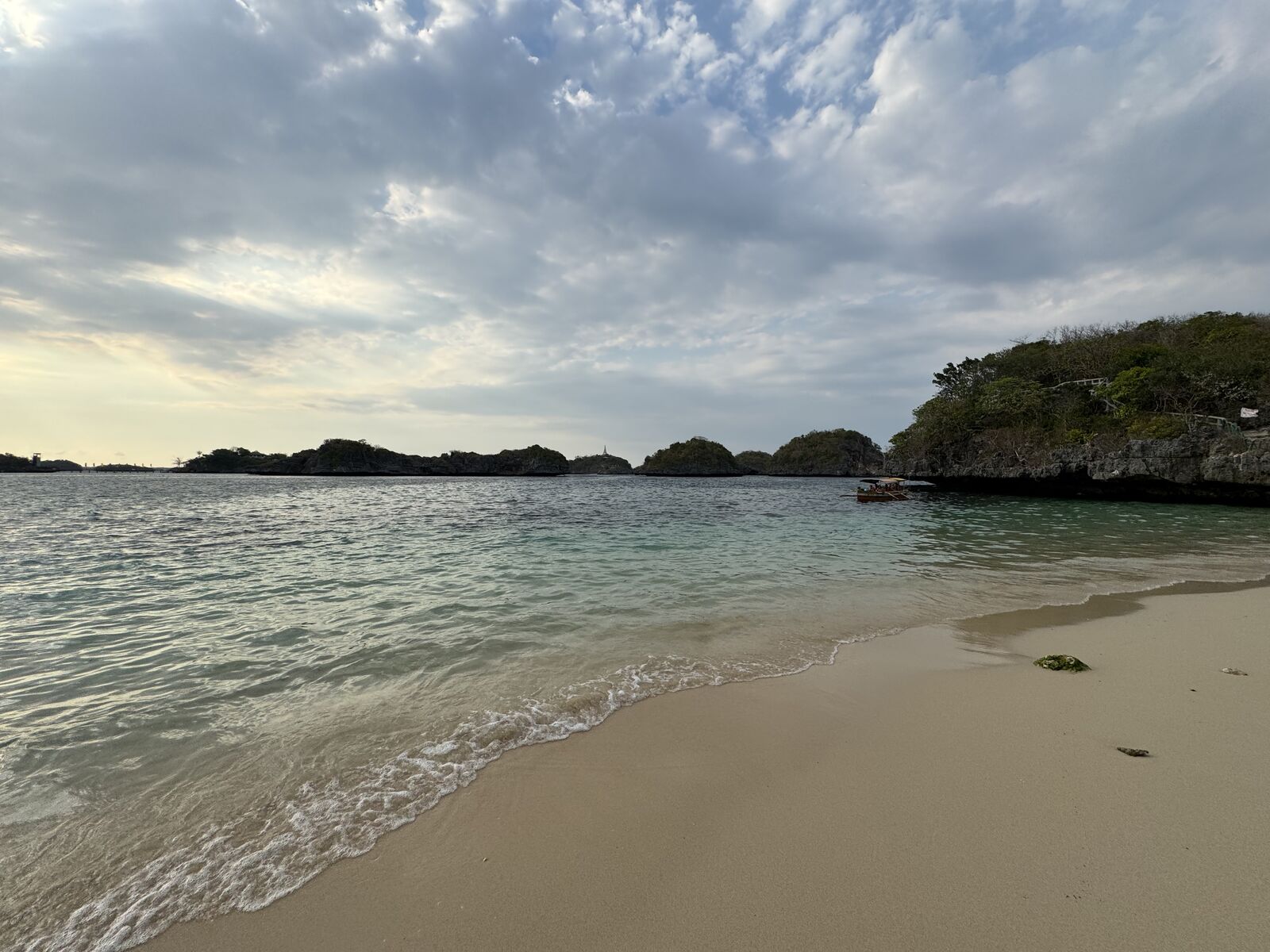
The bright midday sea has its own appeal — but the beach in the softer light of evening has a different beauty altogether.
After a full day of activity, standing in the water and cooling down for a few minutes. The islands in the distance, the sky slowly shifting colour above them. That is the kind of moment you do not forget, and we suspect anyone who joins the programme will feel the same.
The journey back — the day is not quite over yet
We climbed back into the boat and retraced the route to the pier.
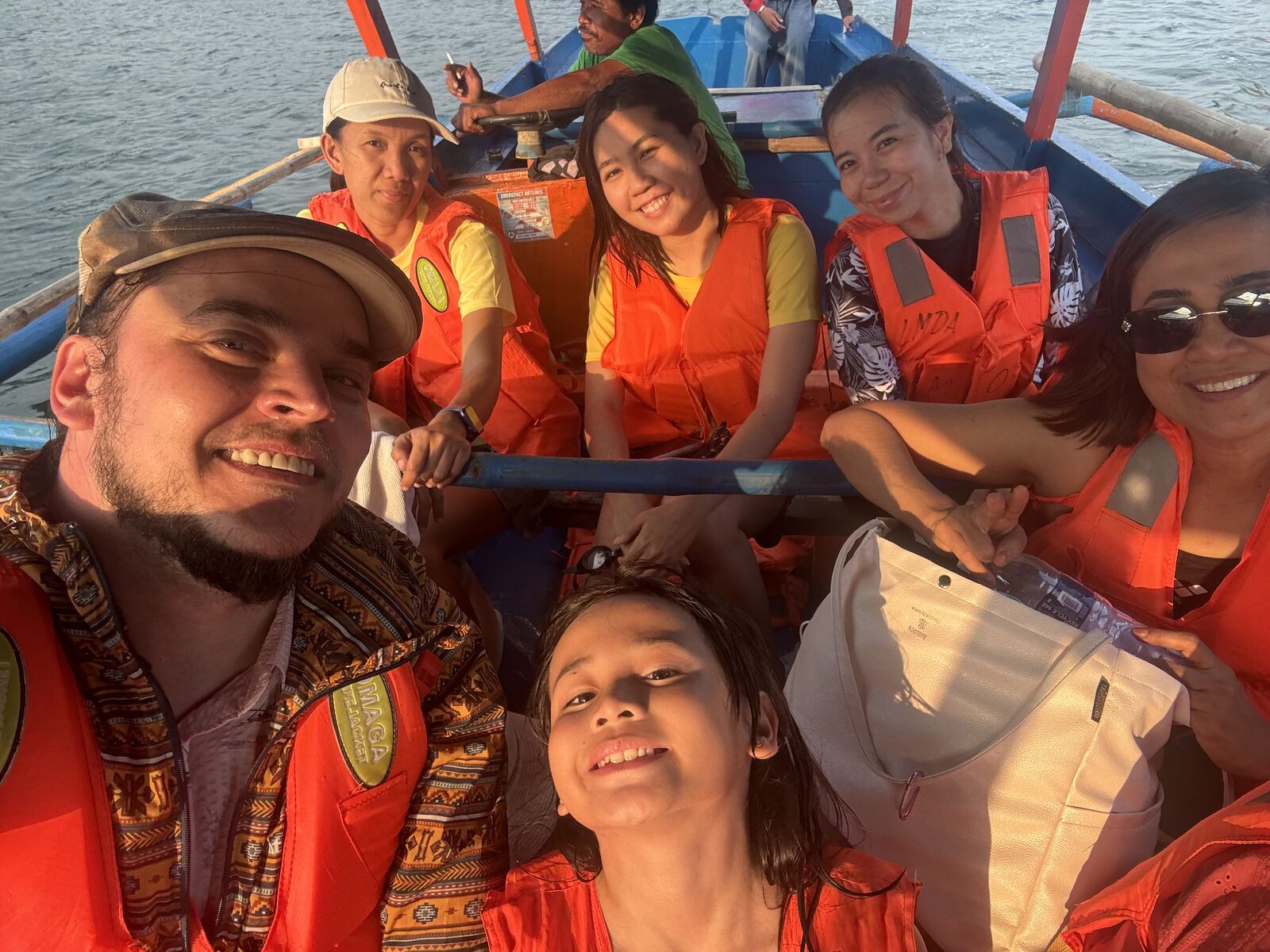
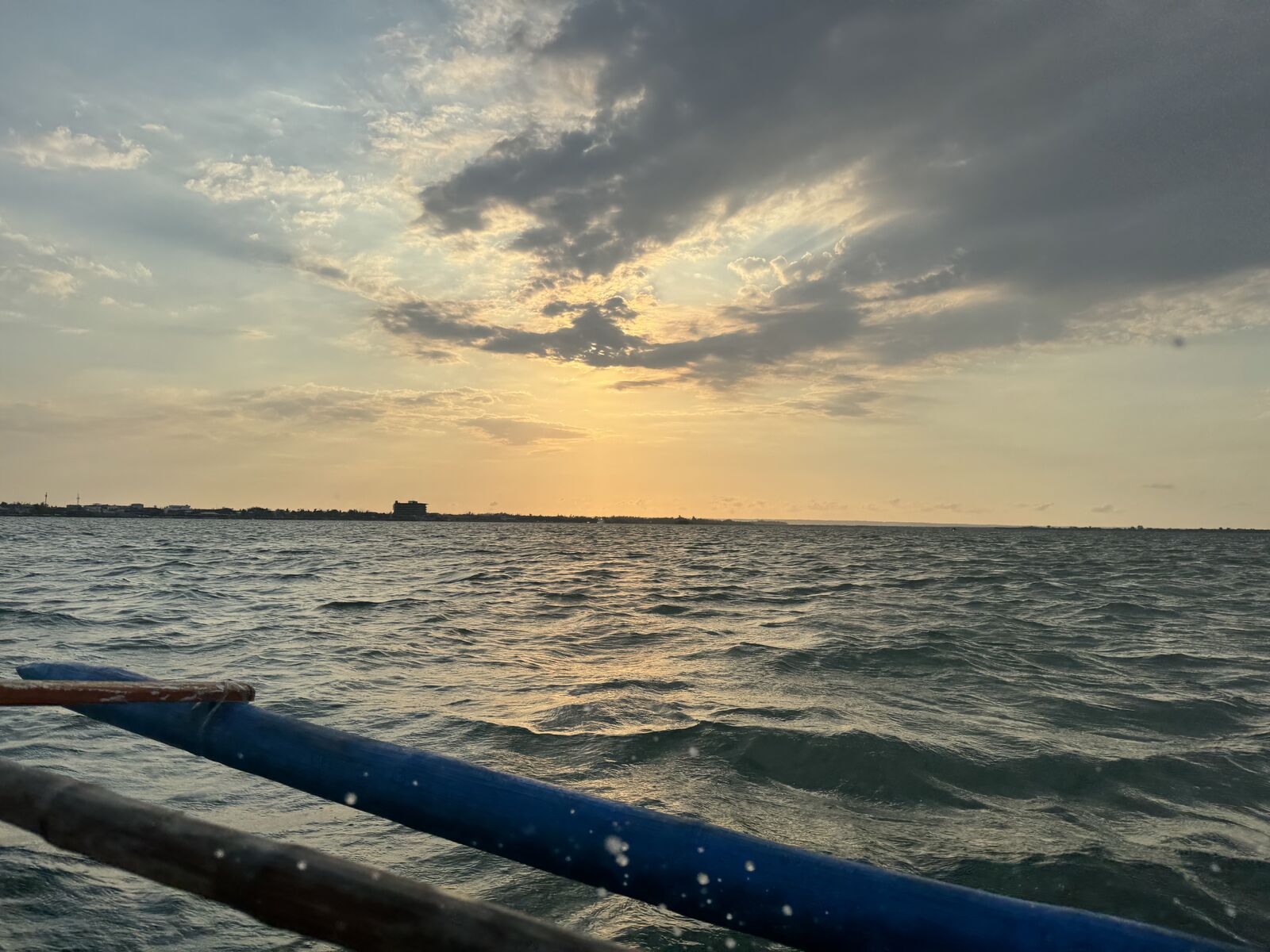
After a full day out on the water, there is a pleasant kind of tiredness that settles in. But having the teachers and local staff alongside throughout made the journey back feel easy and relaxed.
Activities are wonderful — but unfamiliar places can also carry a layer of anxiety. Having people nearby who know the area well is, we found, a much bigger support than you might expect.
Meeting taho — a Filipino street dessert, found at the pier
Back at the pier, the first thing we encountered was a man selling taho.
Taho is a warm Filipino sweet snack made from soft tofu with caramel syrup, served fresh on the spot by the vendor who makes it as you wait.
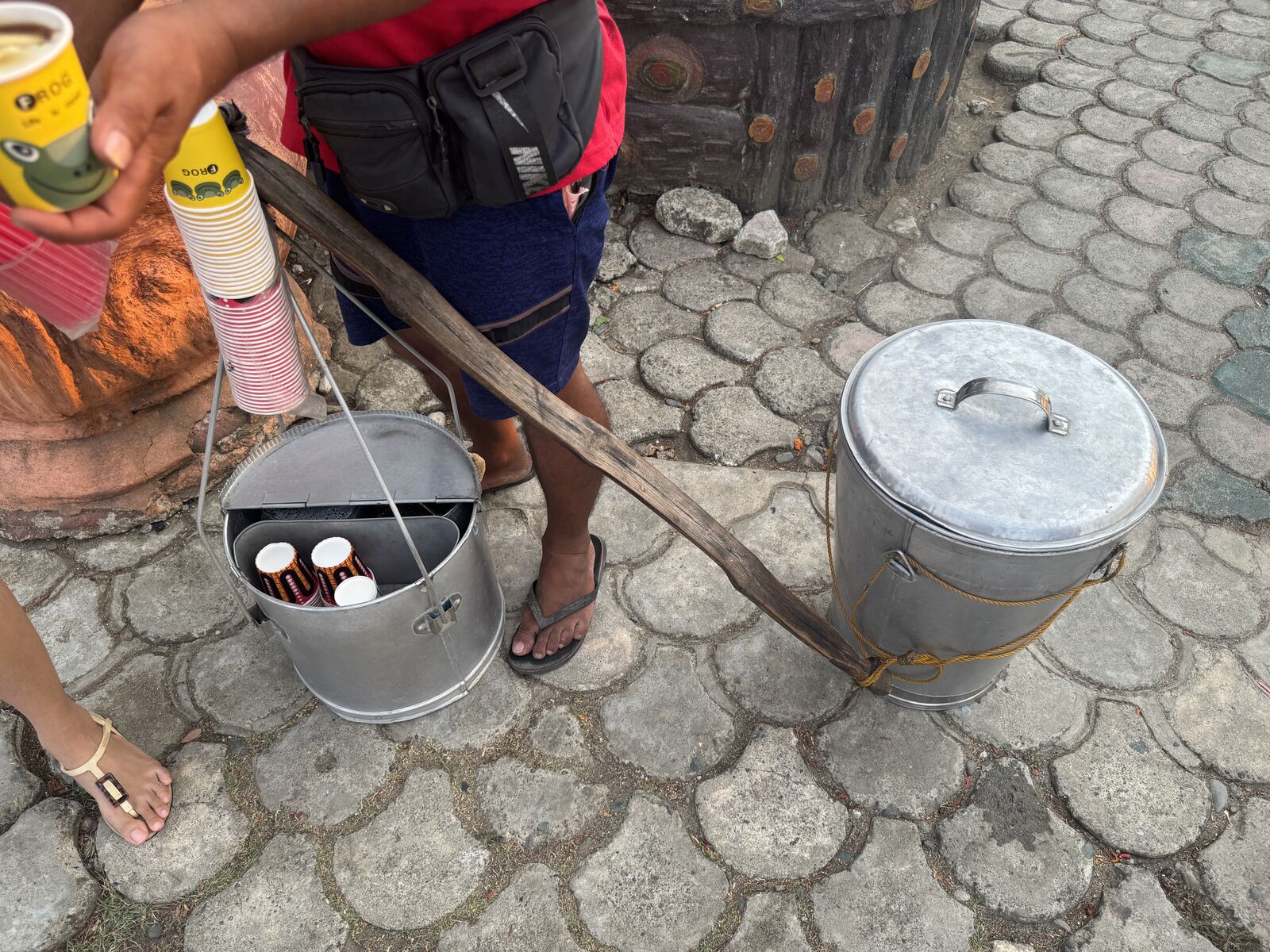
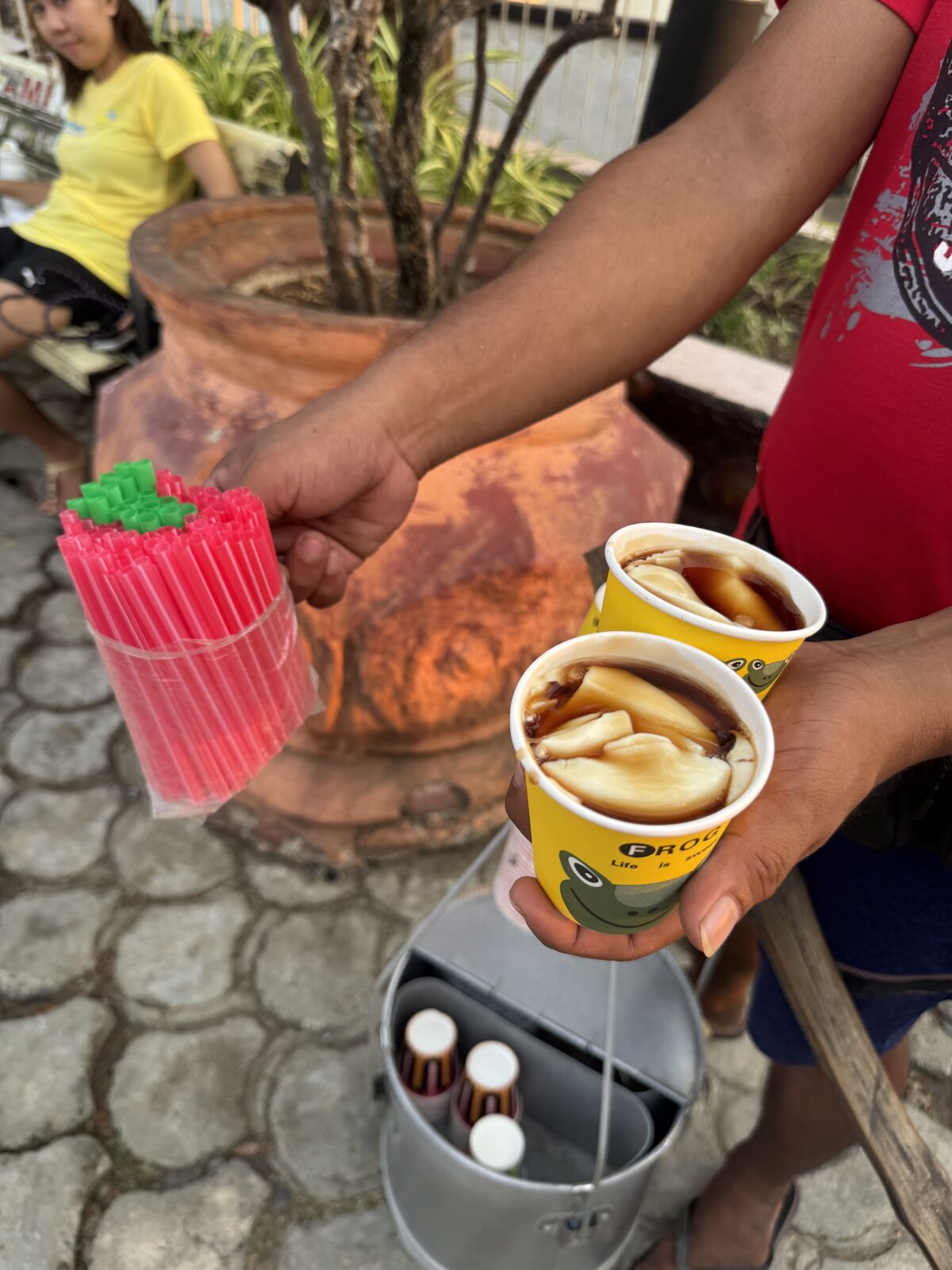
One taste and you get a gentle sweetness that spreads gradually. After a long day in the sea and sun, it was exactly the kind of comfort you did not know you needed.
We found ourselves wanting another cup immediately — and that, we think, is the best possible review. Finding local food like this along the way deepens the memory of a journey.
Filipino food culture is present not only in restaurants, but in the street vendors and travelling dessert sellers who are part of everyday life here. Encountering things you can only find on the spot adds something lasting to the experience of a trip.
Back in Lingayen — a room inspection at partner Hotel Bergamo
Back in Lingayen, we made our way to Hotel Bergamo — the school's partner hotel — to have a look at the rooms.
Hotel Bergamo is roughly a five-minute walk from Parrots-kun Language School. The location is genuinely convenient for anyone who would prefer a hotel stay during their time on the programme.
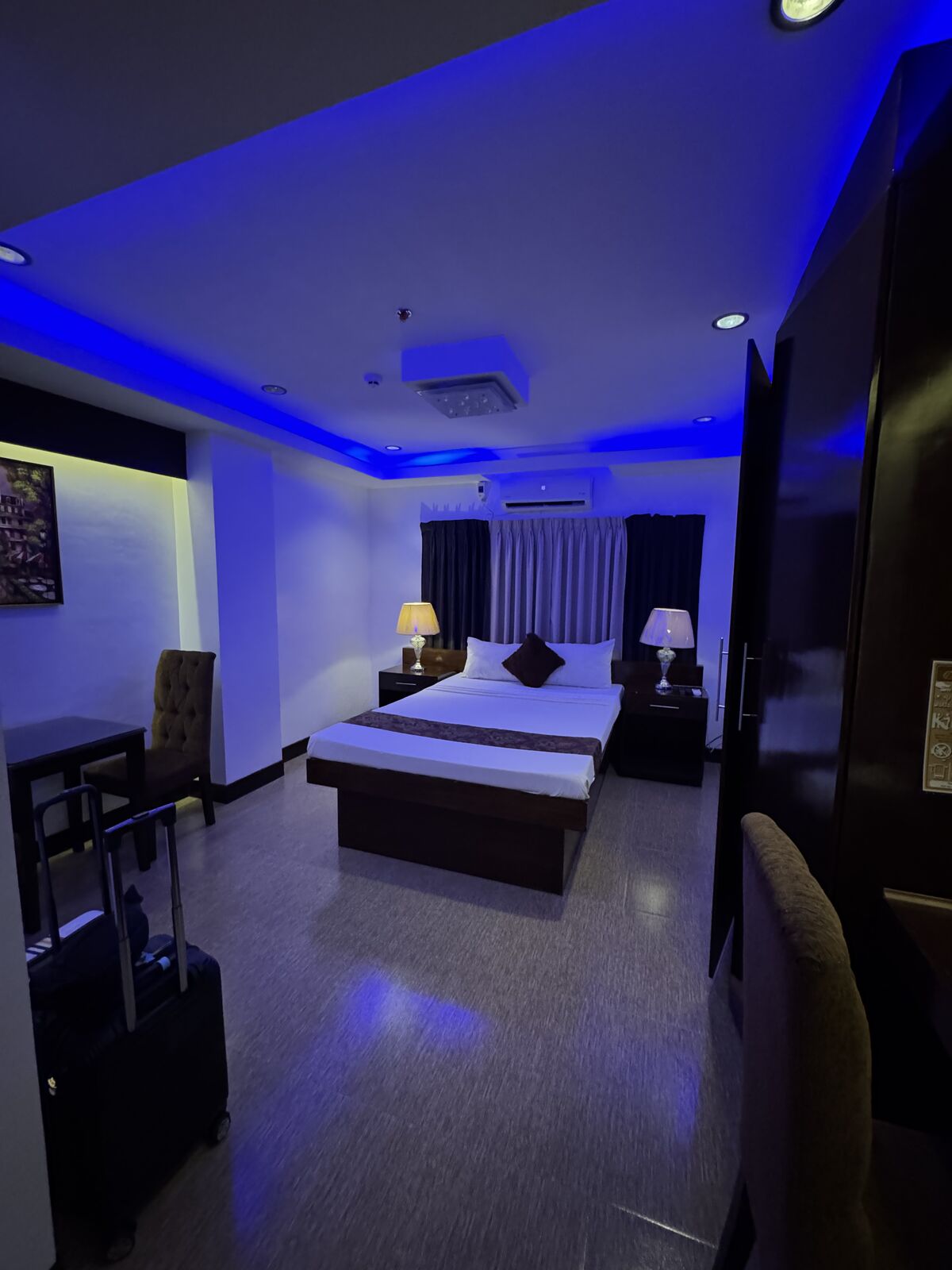
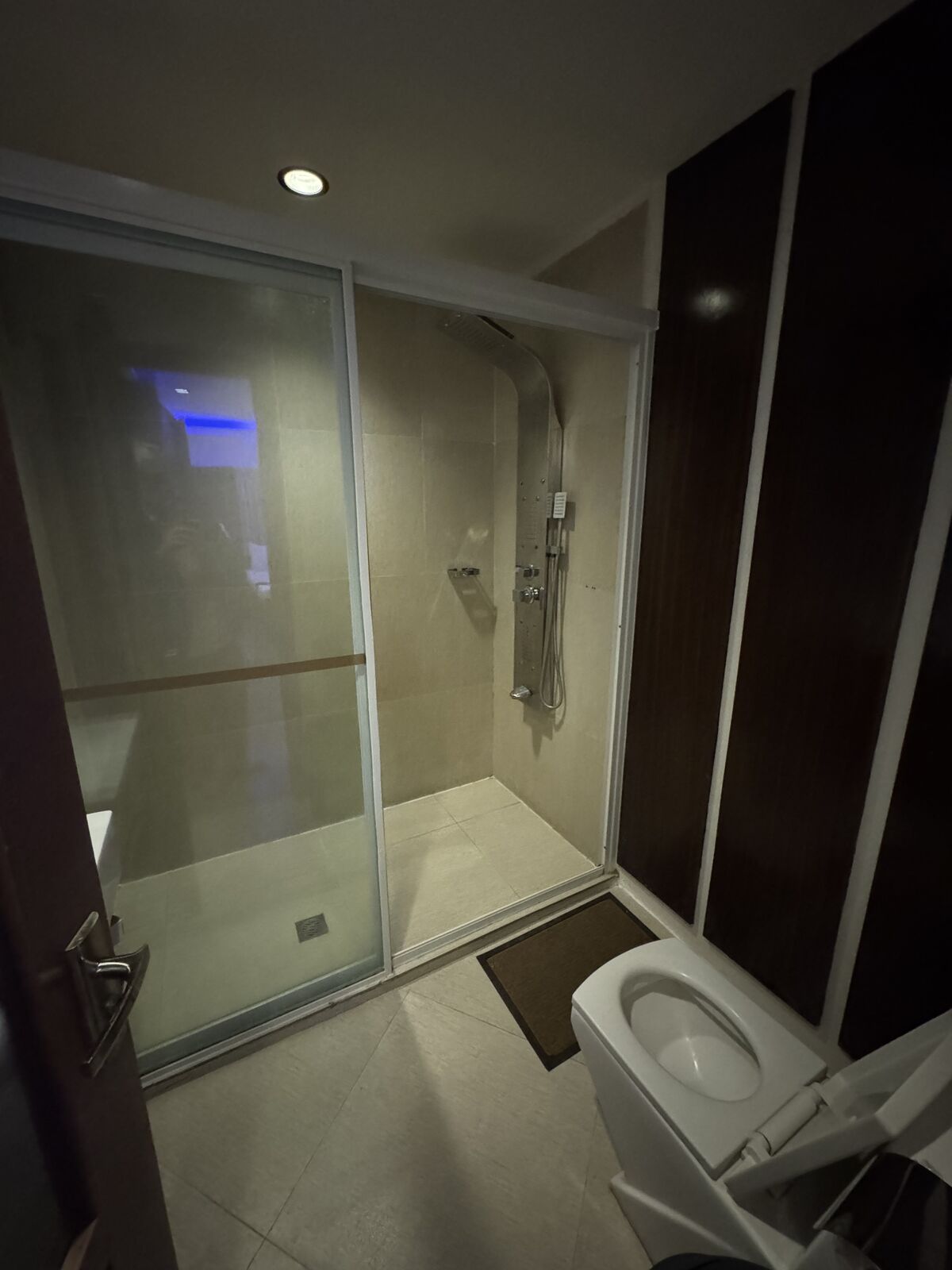
What left the strongest impression on us during the actual stay was the shower pressure. Water pressure in overseas accommodation can sometimes be a concern — but here, the hot water came through strong and steady, which after a day of island activities made for a genuinely restorative shower.
Being able to come back after a day in the sea, shower properly, and rest. That matters more than you might think until you are actually there.
Choosing a hotel stay opens up a different way of spending your time compared with the dormitory. For those joining as a family, as a couple, with friends, or simply for those who value having their own private space, the hotel option is one worth knowing about.
An evening at the night market — street food brought back to the hotel
That evening, we returned to the night market we had visited on Day 2.
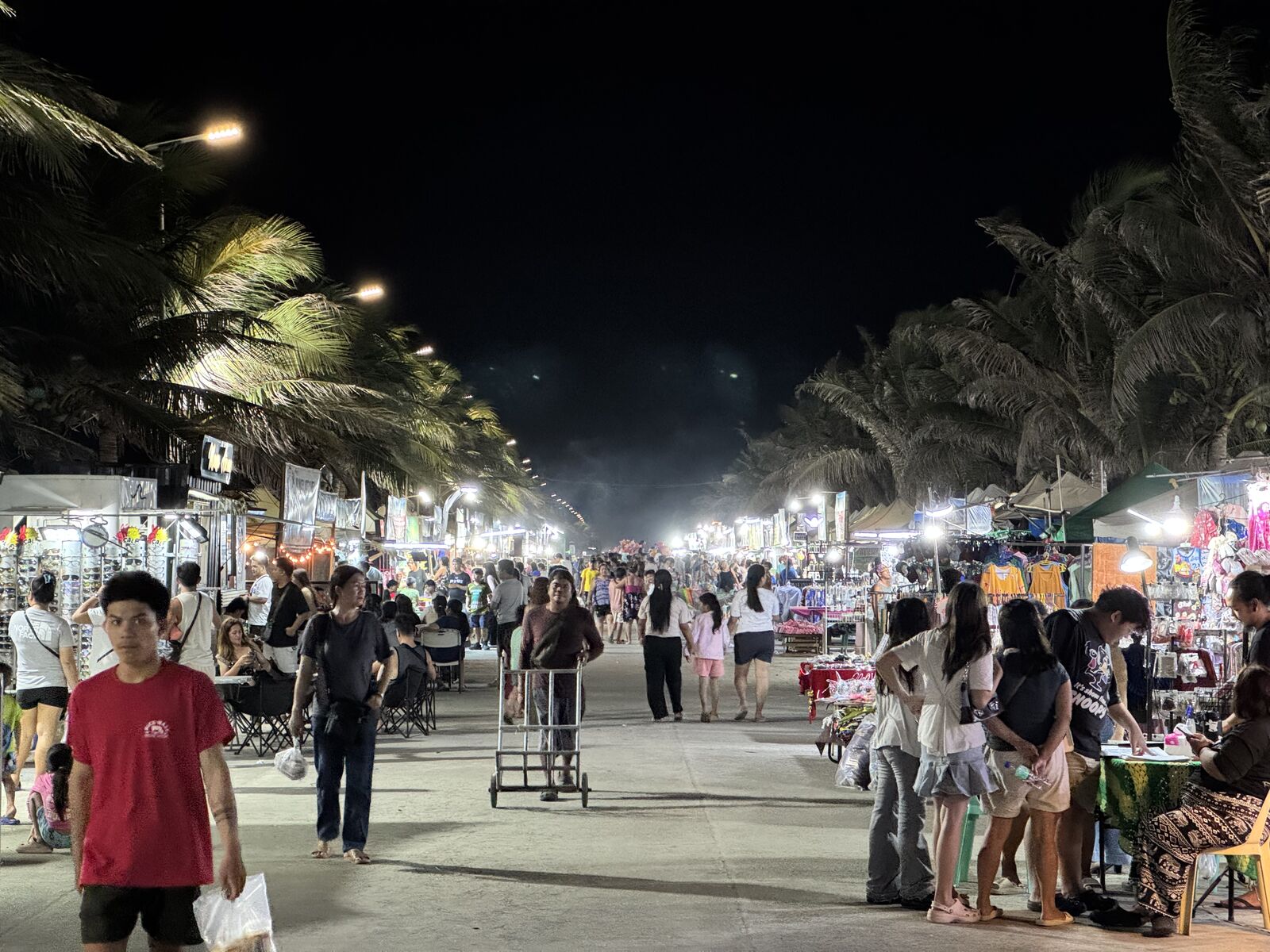
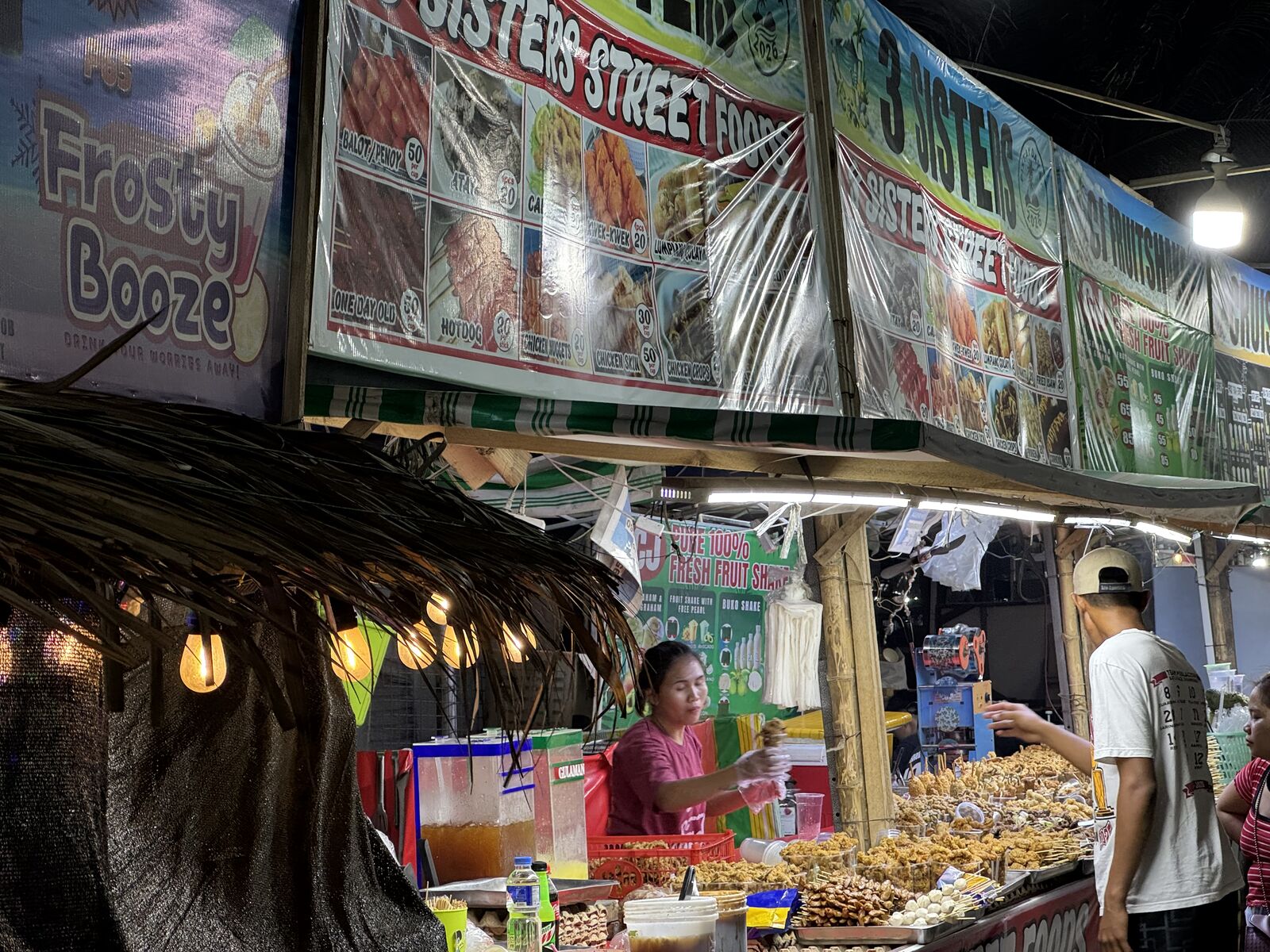
This time, we picked up dinner from the stalls and brought it back to eat at the hotel.
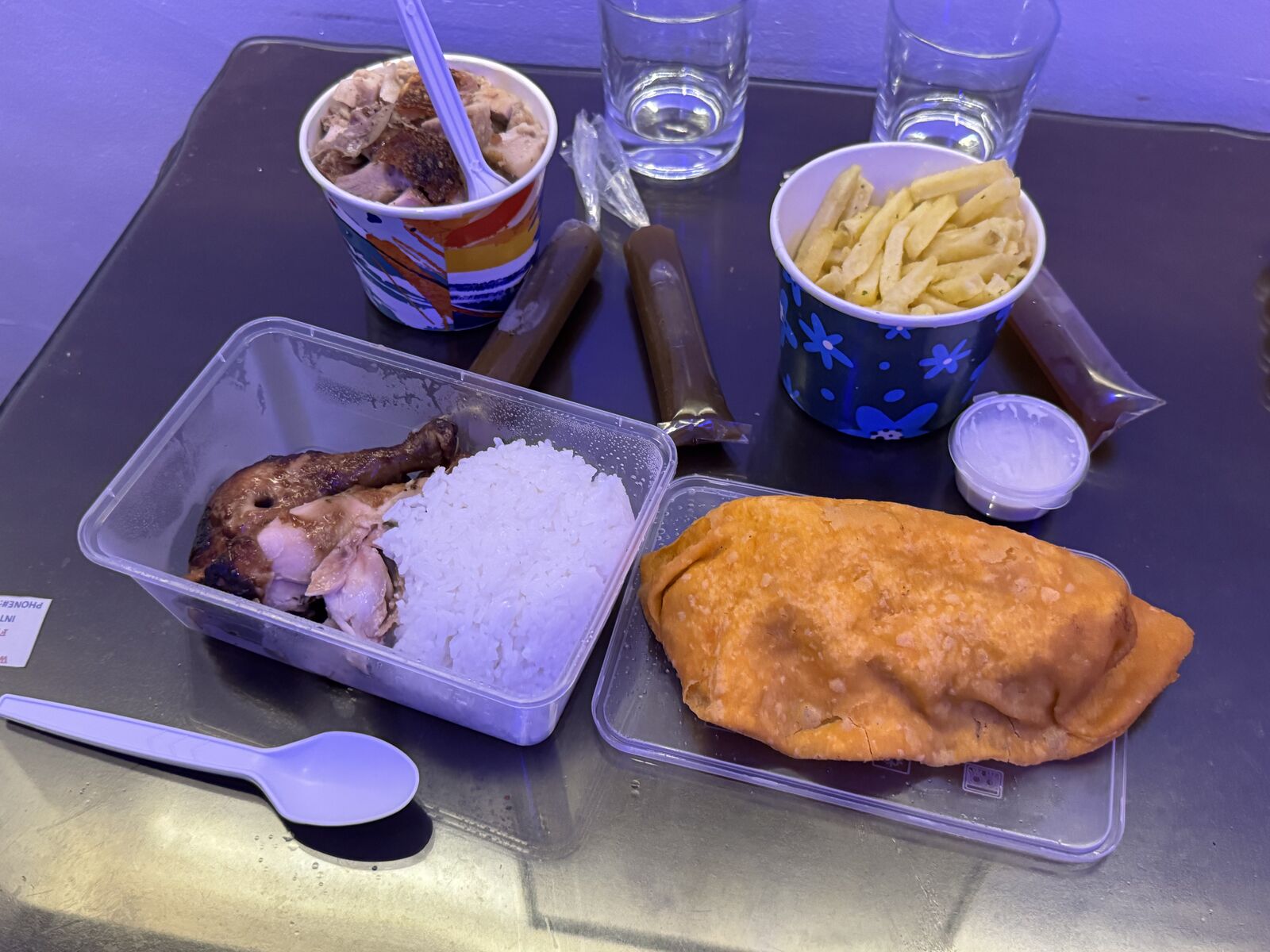
Two people's worth of dinner came to around ₱600 (≈US$10) in total. Unpretentious, satisfying Filipino street food — and well worth every penny.
The night market is a place where you feel the rhythm of local life and food culture. Even just wandering the stalls and deciding what to try is a small pleasure in itself, and a memory that becomes part of the trip.
Day 5 had taken us from the sea at dawn to island after island, through a local dessert, a hotel inspection, and a street-food dinner back at the room. It was a day that managed to pack an enormous amount of the Philippines into a single stretch of hours.
Reflections on Day 5
Day 5 was the day we spent taking part in the Hundred Islands island-hopping excursion — one of the optional activities that can be added to the programme.
Learning English is, of course, the central purpose of the study-abroad experience. But there is also something deeply worthwhile in the way your perspective shifts when you have an experience abroad that genuinely moves you.
Boarding a boat alongside the teachers, sharing a meal together, looking out at the same view, laughing at the same things — within that kind of time, the opportunities to hear English and to speak it arise naturally.
For those of you living in Hokkaido, a day spent on a tropical sea is likely to be a real jolt to the senses. A study-abroad trip that is about learning English — and at the same time a journey that lets you feel, in your body, just how wide the world is. That is what this Philippines short-term language programme offers, and it is what we came away believing in.
Editor's note
The moment that has stayed with us most from Day 5 is the beach at dusk.
The midday sea was bright and lively — full of the energy you would expect from a tropical activity day. The evening beach, by contrast, was quieter, and there was something beautiful about watching the colours shift gently in the sky and on the water as the light faded.
Having a day like that — something genuinely special — as part of a short study-abroad experience is something we believe will stay with participants for a long time.
In Day 6, we will share more of what we encountered — more learning, more daily life, and more of what makes the Philippines its own kind of place.
See you again in Day 6.