


Hello, everyone. Welcome back to our Site Visit Diary, following our team's visit to short-term language schools in the Philippines. This is Day 7.
We made the long journey from Lingayen to Manila by intercity bus, then spent the remaining daylight exploring Manila on foot — a side of the Philippines quite unlike anything we had seen so far.
One last tricycle ride to the bus terminal
That morning, we set off from the hotel towards the bus terminal.
The bus station is about a five-minute drive from the hotel. This leg of the trip turned out to be our final tricycle ride of the entire stay.
We had been wondering what would happen with the suitcases — and the answer, it turned out, was that they simply go on the roof. It came as a mild surprise at first, but this is apparently a perfectly ordinary sight in the local area.
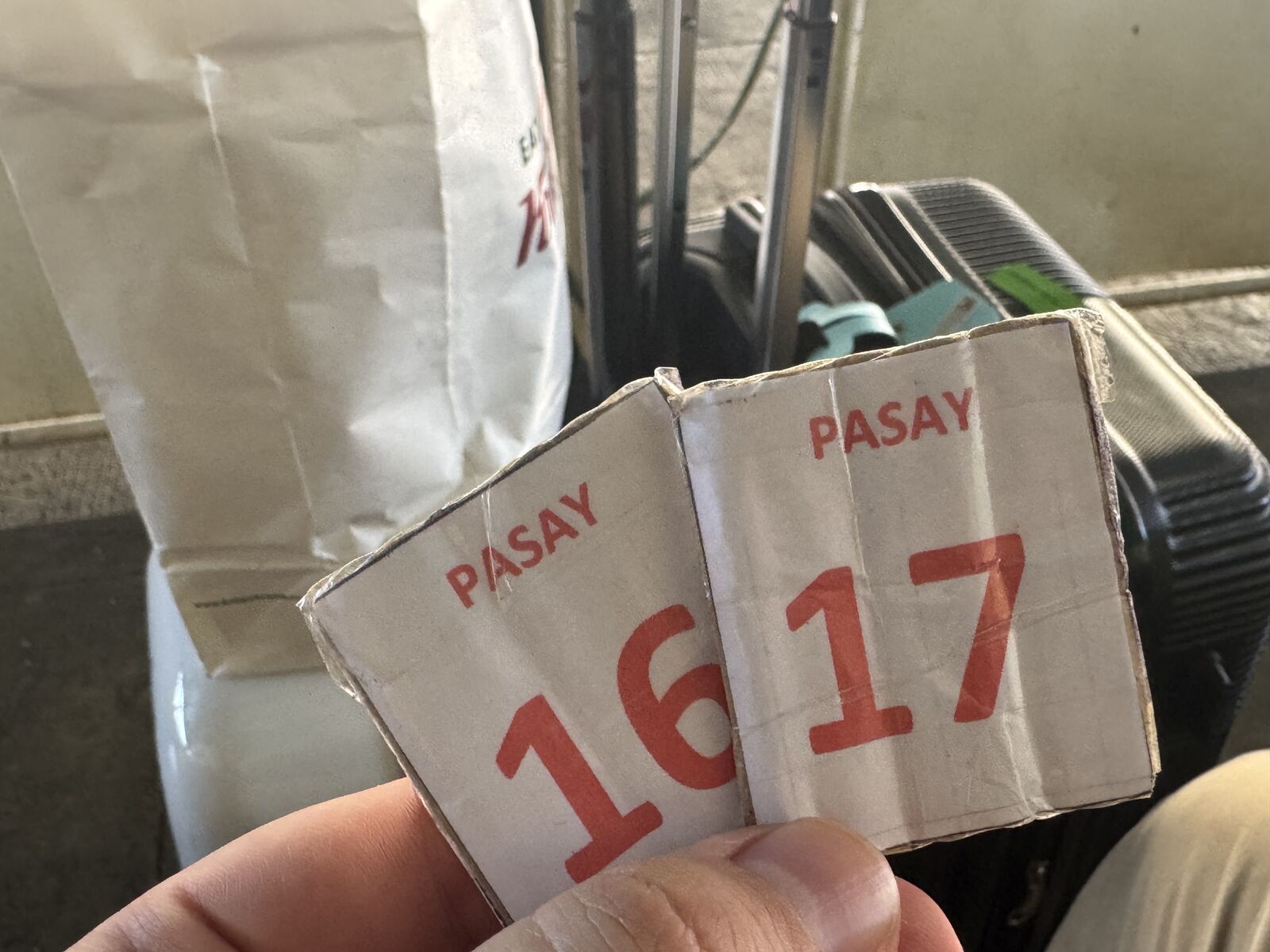
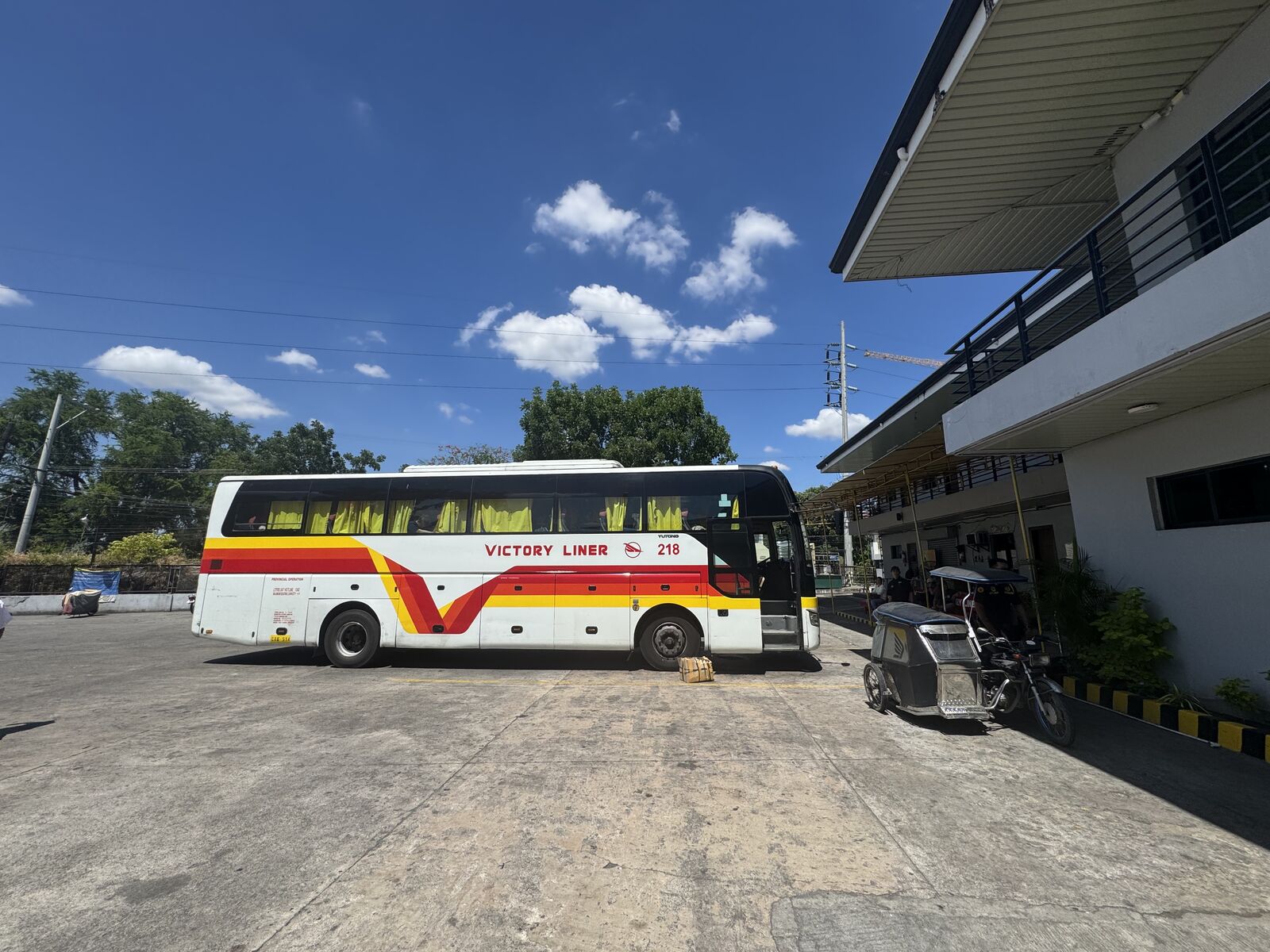
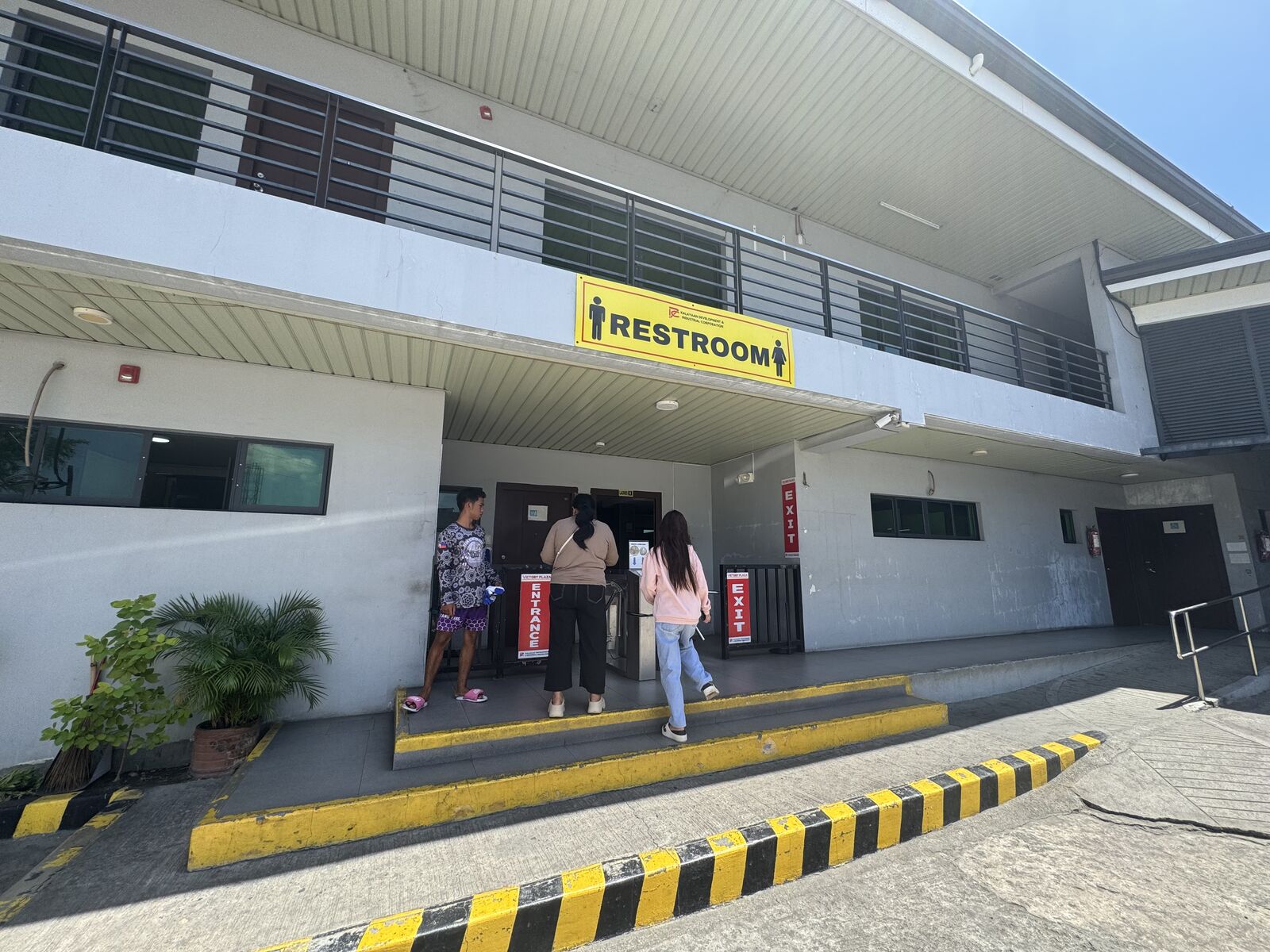
When we arrived at the bus terminal just after seven in the morning, a handful of passengers were already waiting in line. The service we needed was the bus bound for Pasay.
We collected a numbered ticket and waited around five minutes for the bus to arrive.
Actually using local transport gives you a feel for the rhythm of everyday life that sightseeing alone never can. That said, participants joining the study-abroad programme will have transfers included, so there is no need to worry about any of this on the day of departure.
Lingayen is the first stop — seats secured without any trouble
Because Lingayen is the origin station, we had no difficulty finding seats.
Once on board, the driver came round to clip our tickets, collecting the fare at the same time.
Payment was cash only, so if you ever find yourself taking a long-distance bus here, it is worth making sure you have notes on hand beforehand.
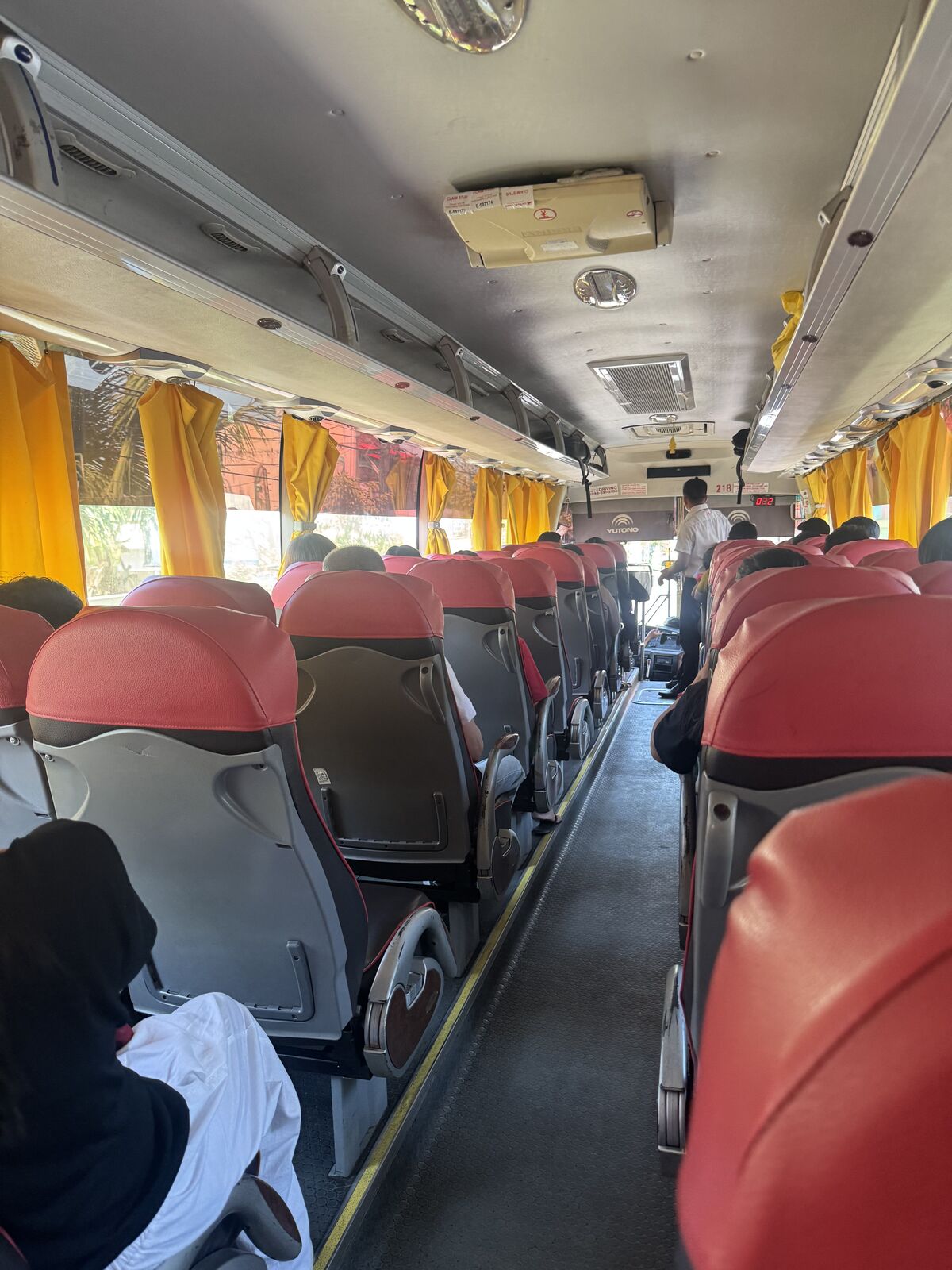
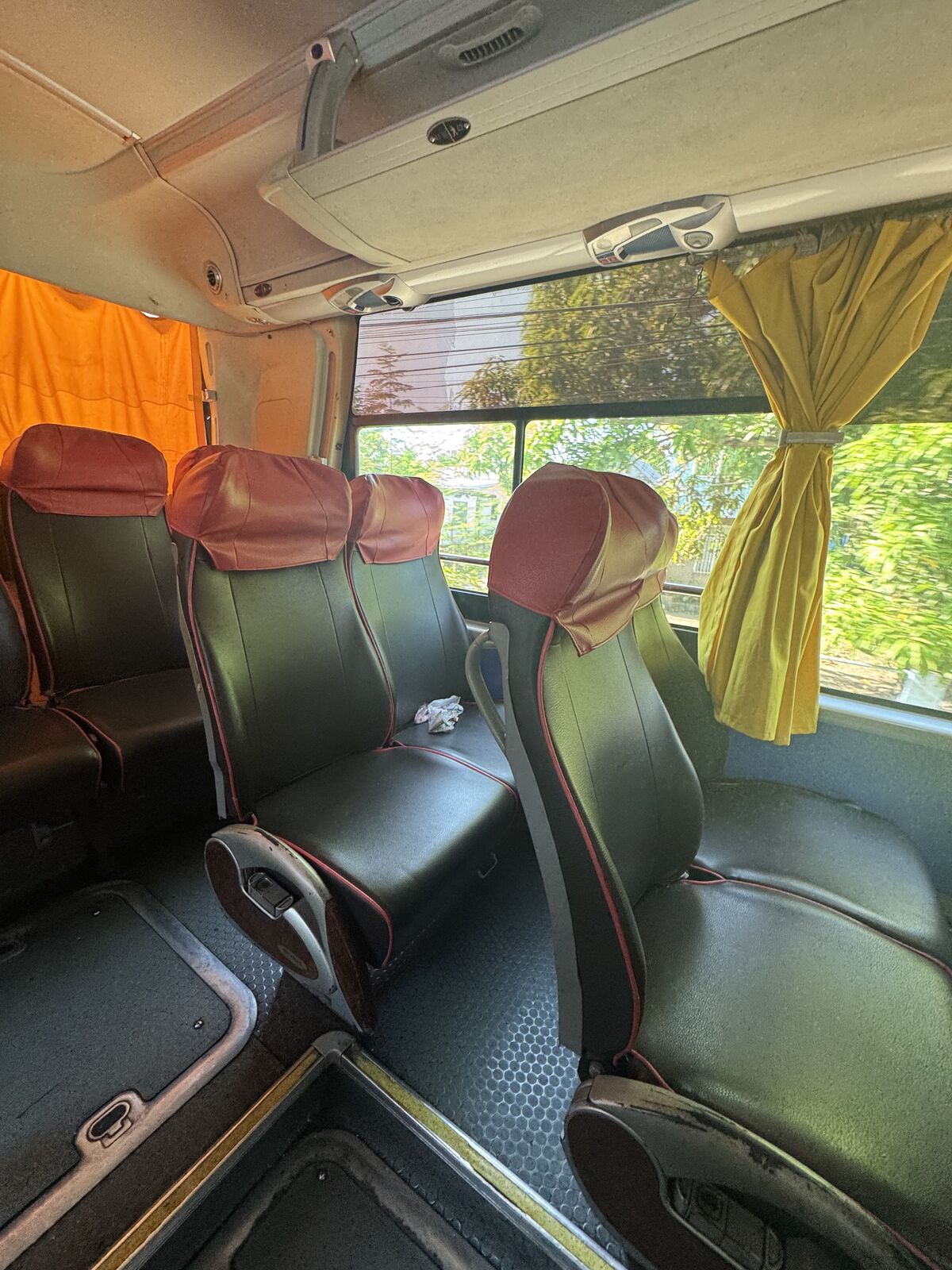
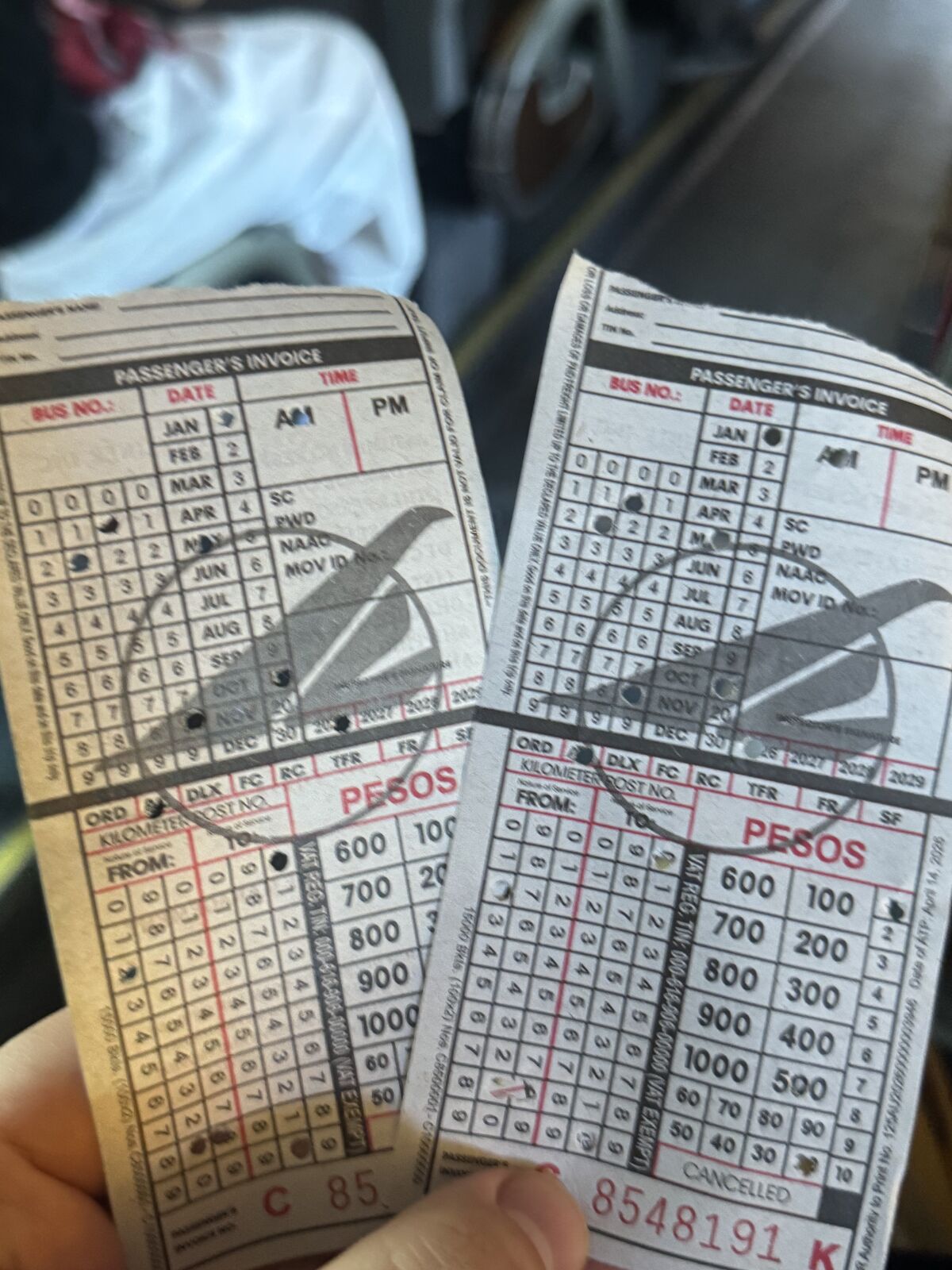
The interior was calmer than we had expected, and with seats to sit in, the first stretch of the journey was reasonably comfortable.
That said, setting off into the unknown on a long-distance bus with large bags in a foreign country is a fairly high bar for anyone who has not done it before. It was a reminder of just how reassuring it is for participants to have transfers arranged as part of the programme.
Five and a half hours on the bus — rest stops and on-board vendors, very much a local experience
The journey from Lingayen to Manila takes roughly five and a half hours.
Along the way, the bus pulled into rest stops twice.
What made a real impression was the steady stream of vendors who climbed on board every time the bus stopped. Snacks, fruit, drinks — all offered for sale right there in the aisle, and many passengers took them up on it.
It is not something you would ever see on an expressway bus in Japan, and we found it genuinely refreshing.
As Manila drew closer, the number of passengers grew. Before long, standing passengers began to appear, and at one point around twenty people were riding without seats.
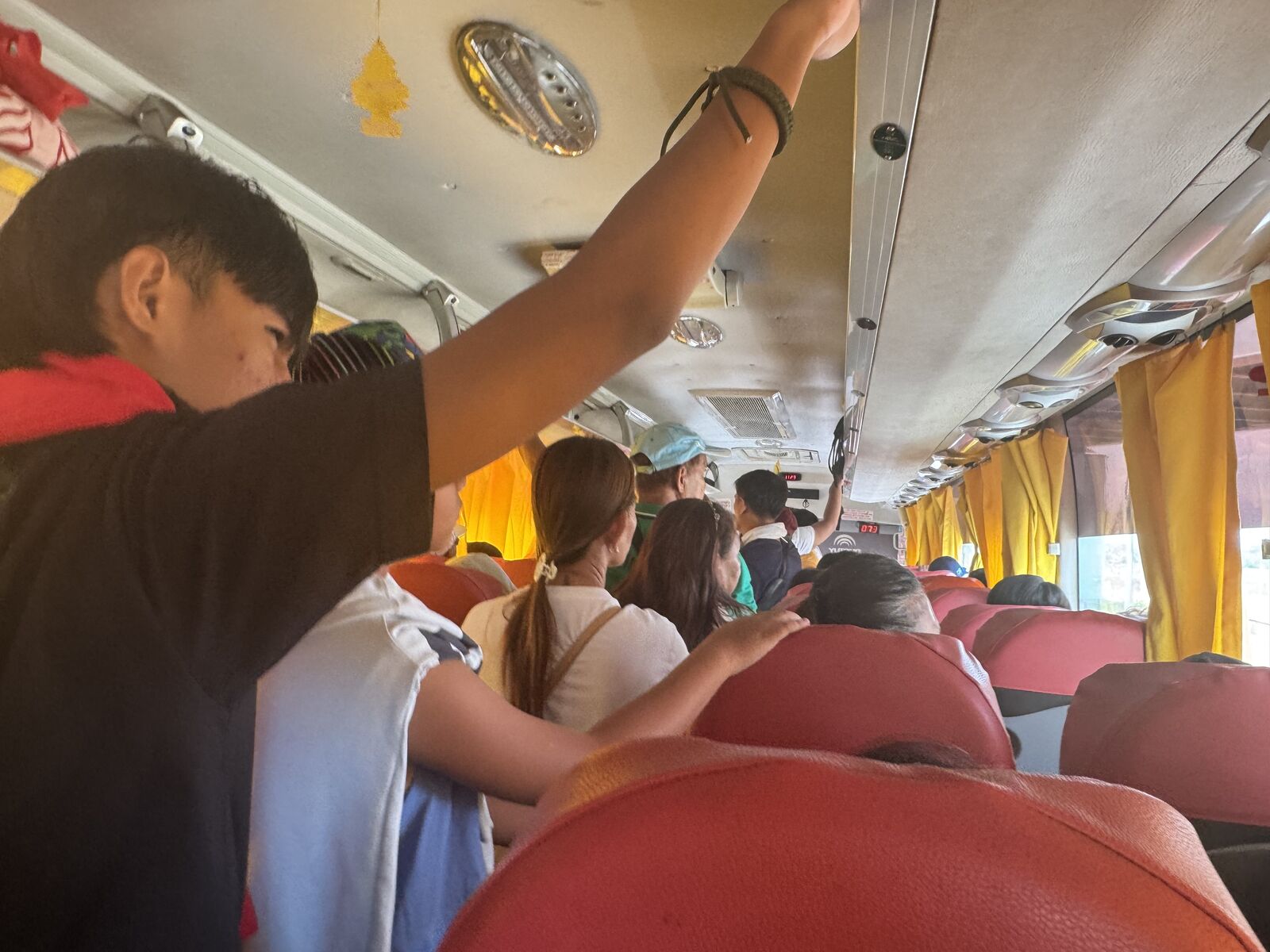
Experiencing a local mode of transport first-hand was valuable, but the long journey time, the crowds, and the need to keep a close eye on your belongings all reinforced our feeling that a transfer-included arrangement is the right choice for study-abroad participants.
This bus experience was, after all, part of a staff reconnaissance trip. For anyone joining the programme, we will do our best to make the journey as straightforward and low-stress as possible.
Arriving at Pasay bus terminal — on to the hotel by Grab
We pulled into the Pasay bus terminal at around half past one in the afternoon.
From there, we used the Grab ride-hailing app to call a car to our hotel. Throughout our time in Manila, Grab proved to be an exceptionally convenient way to get around.
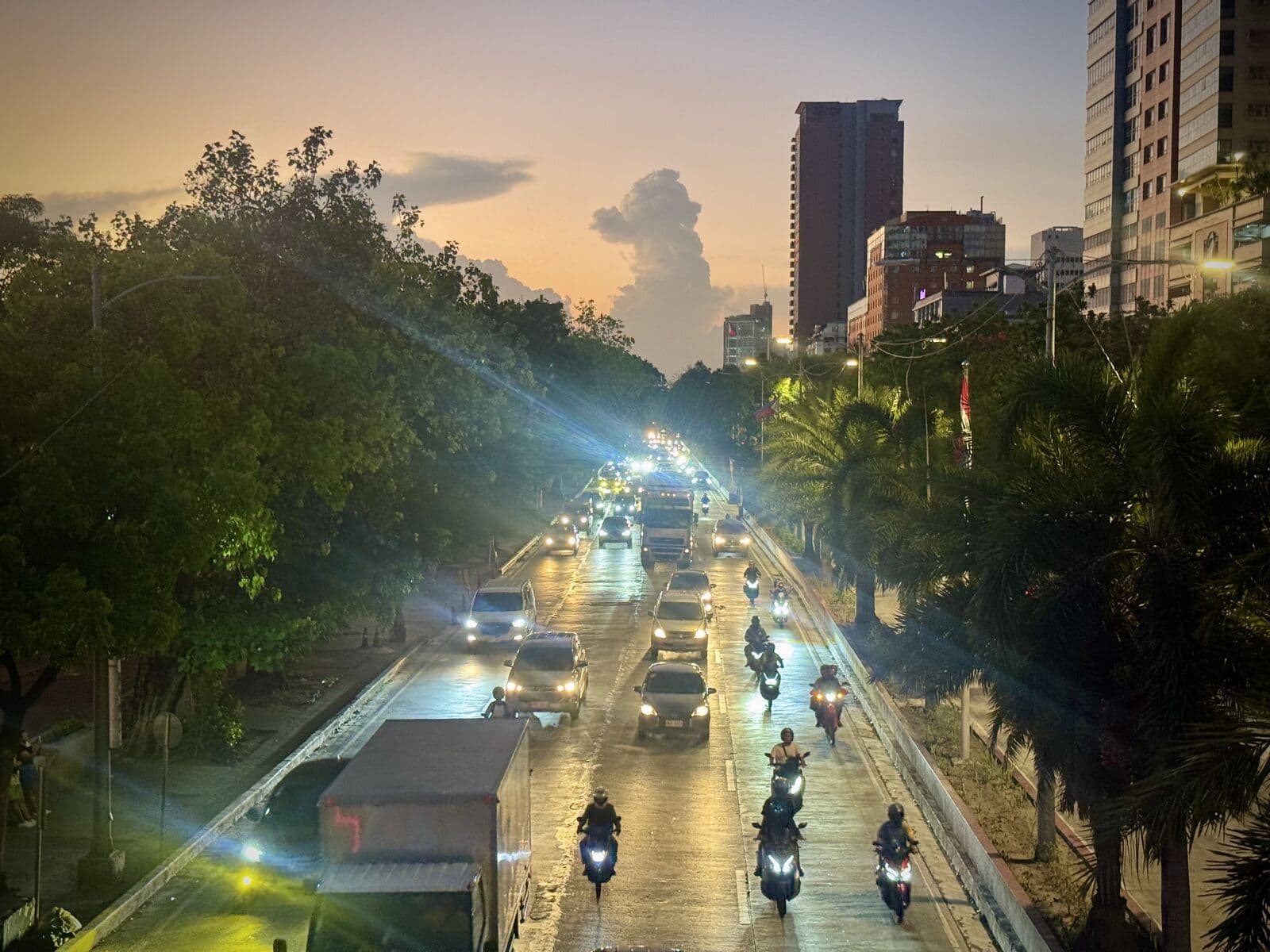
The Manila skyline visible from the car window was entirely unlike anything we had seen in Lingayen over the preceding days.
Skyscrapers, heavy traffic, a thoroughly urban landscape. After the unhurried warmth of Lingayen, the contrast of landing back in a major city was immediate and striking.
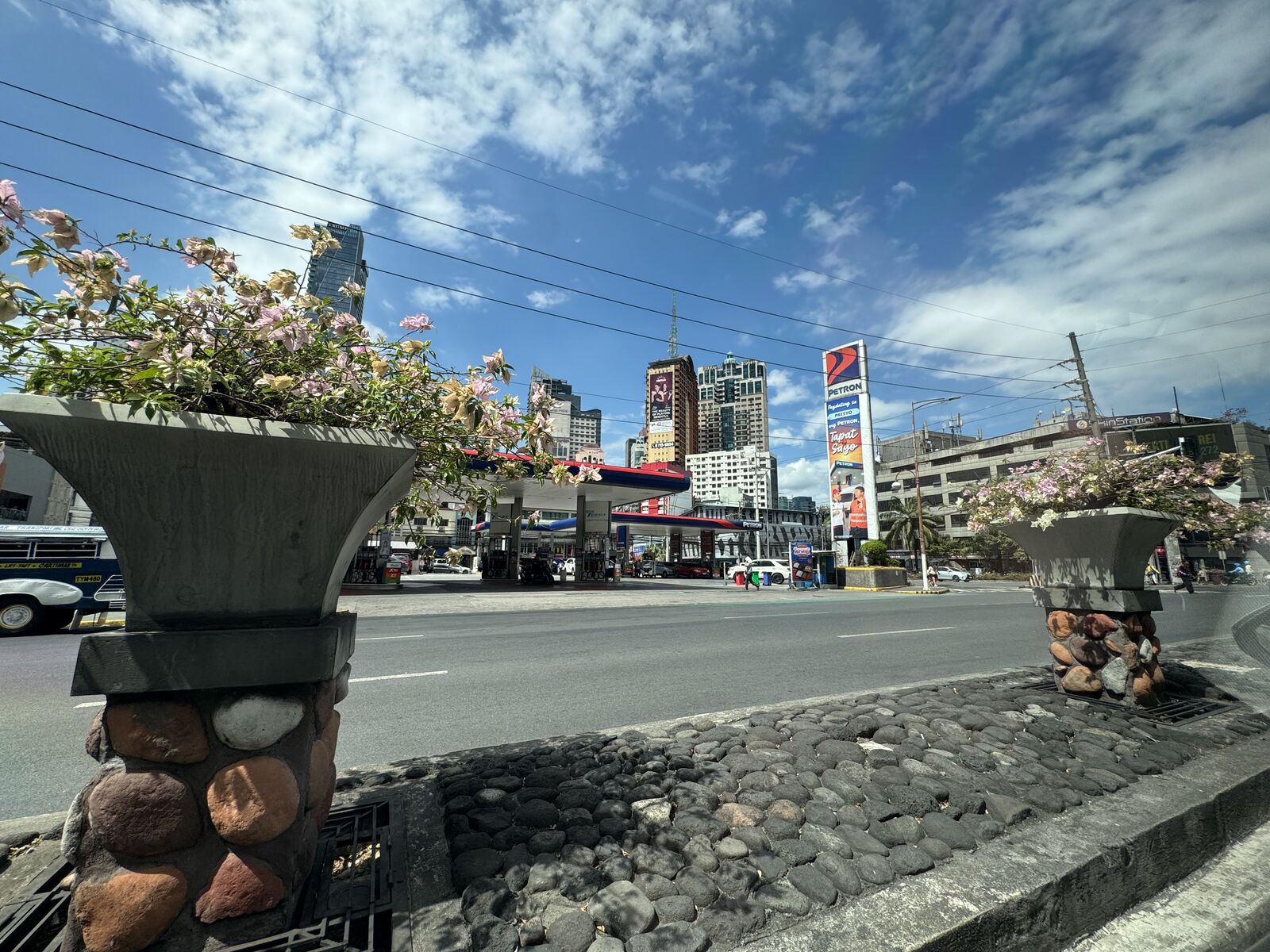
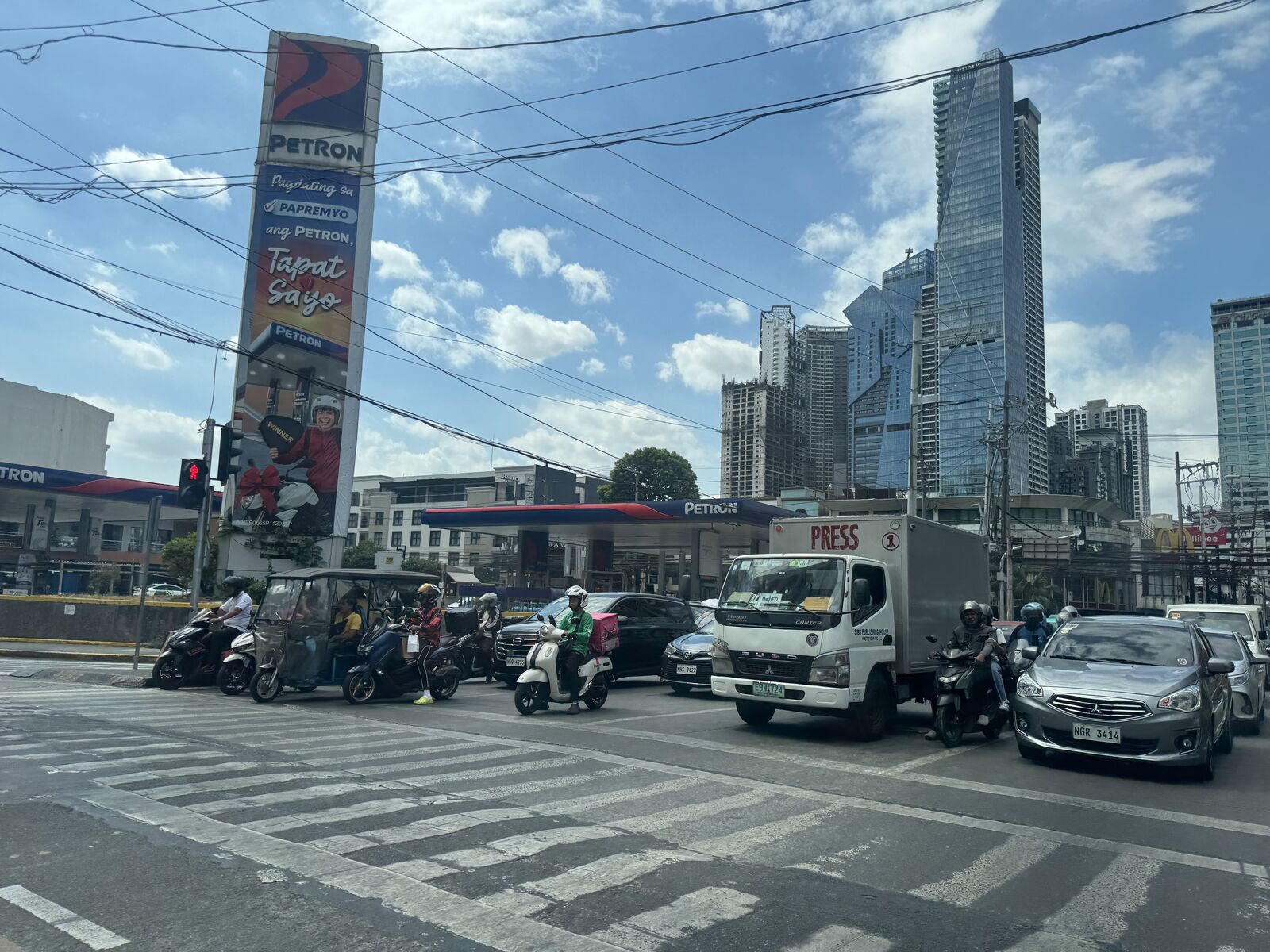
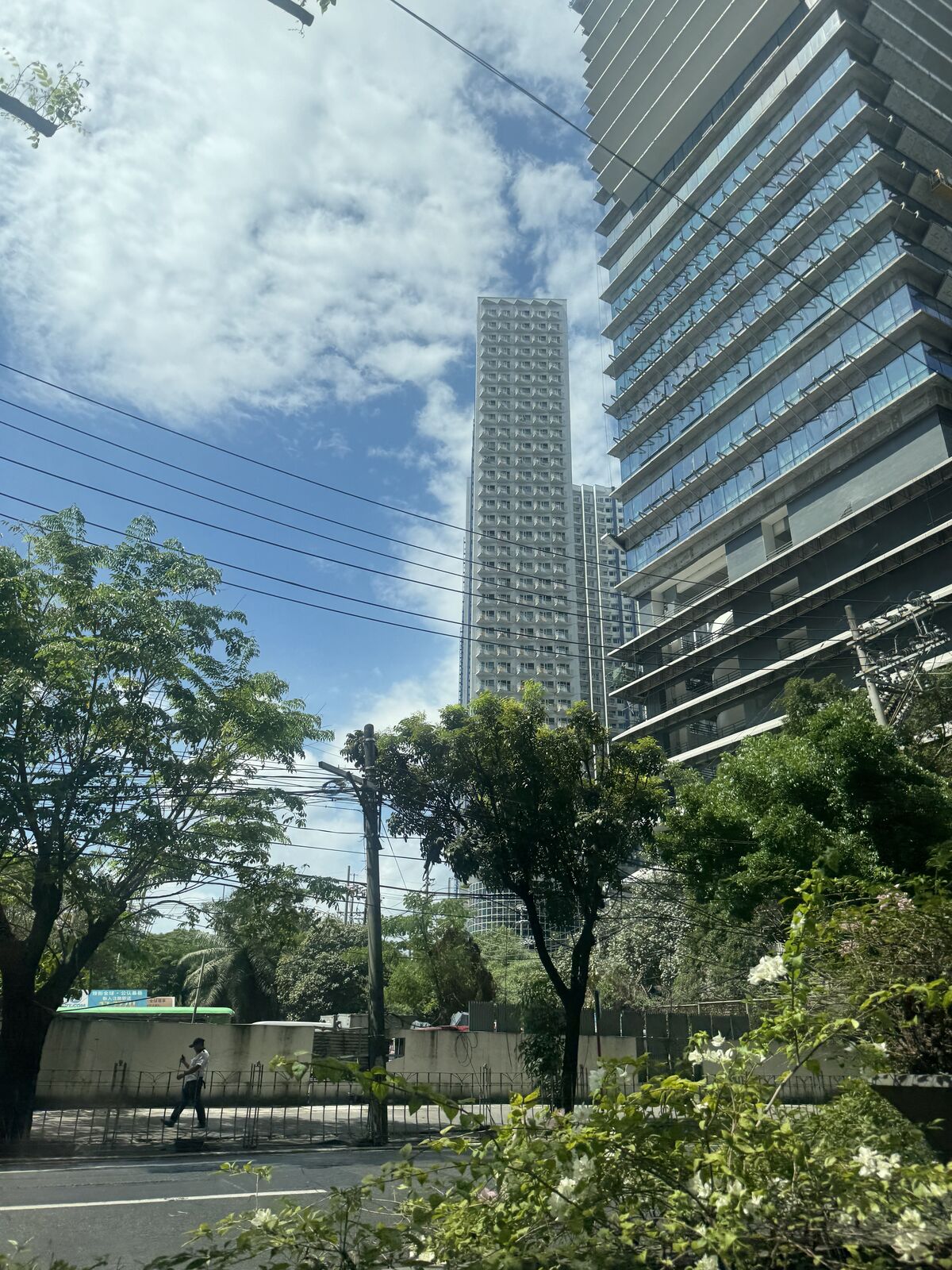
Even within the Philippines, the atmosphere shifts dramatically from one region to the next. Being able to experience that contrast in person was one of the real gains of this trip.
Tonight's accommodation: U Hotel Makati
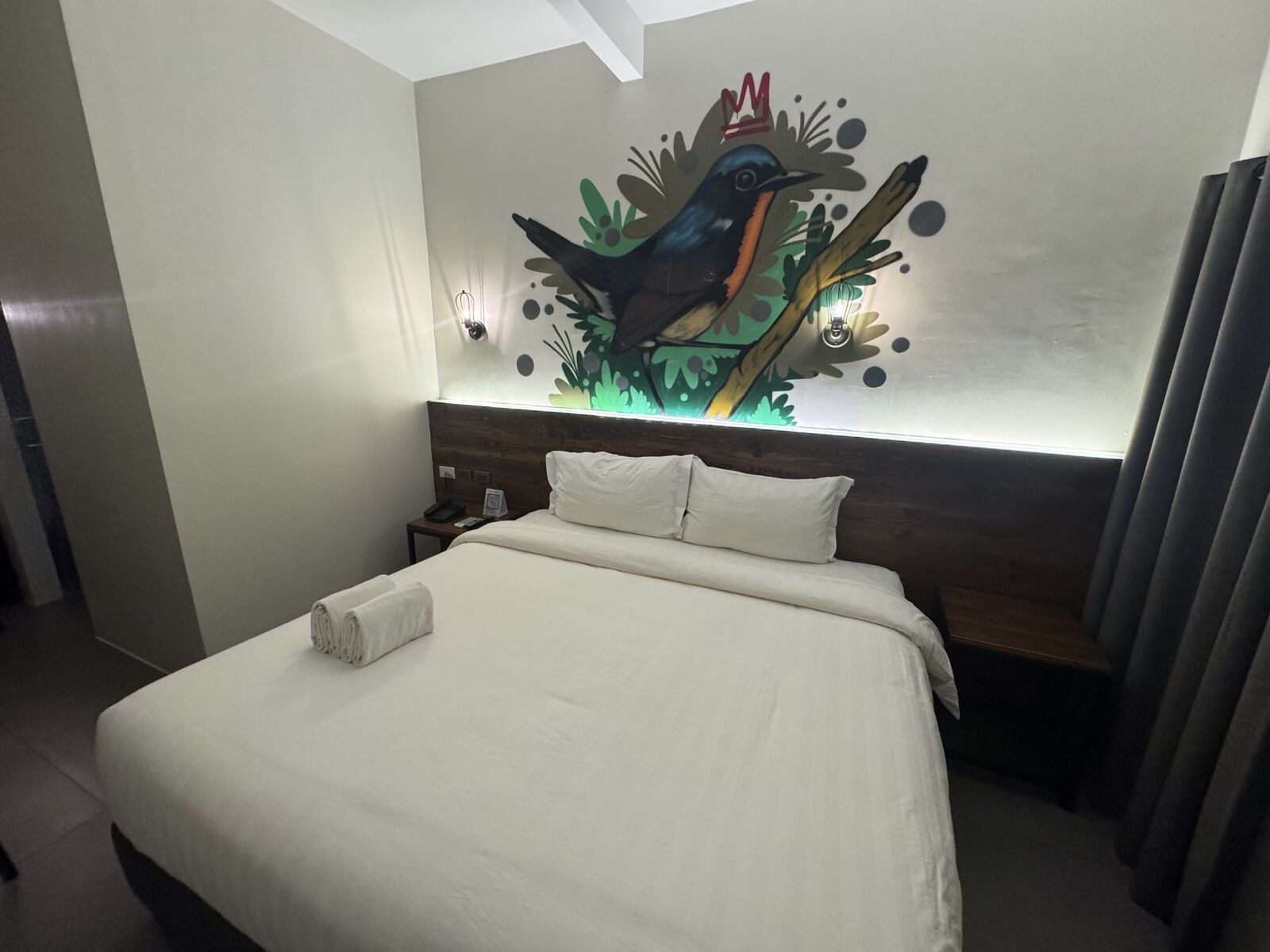
Our hotel for the night was U Hotel Makati.
It is a property with an artistic, modern feel — the interior design is genuinely stylish. For two people sharing, the rate comes to around ₱2,000 (≈US$33), which represents excellent value for a hotel in central Manila.
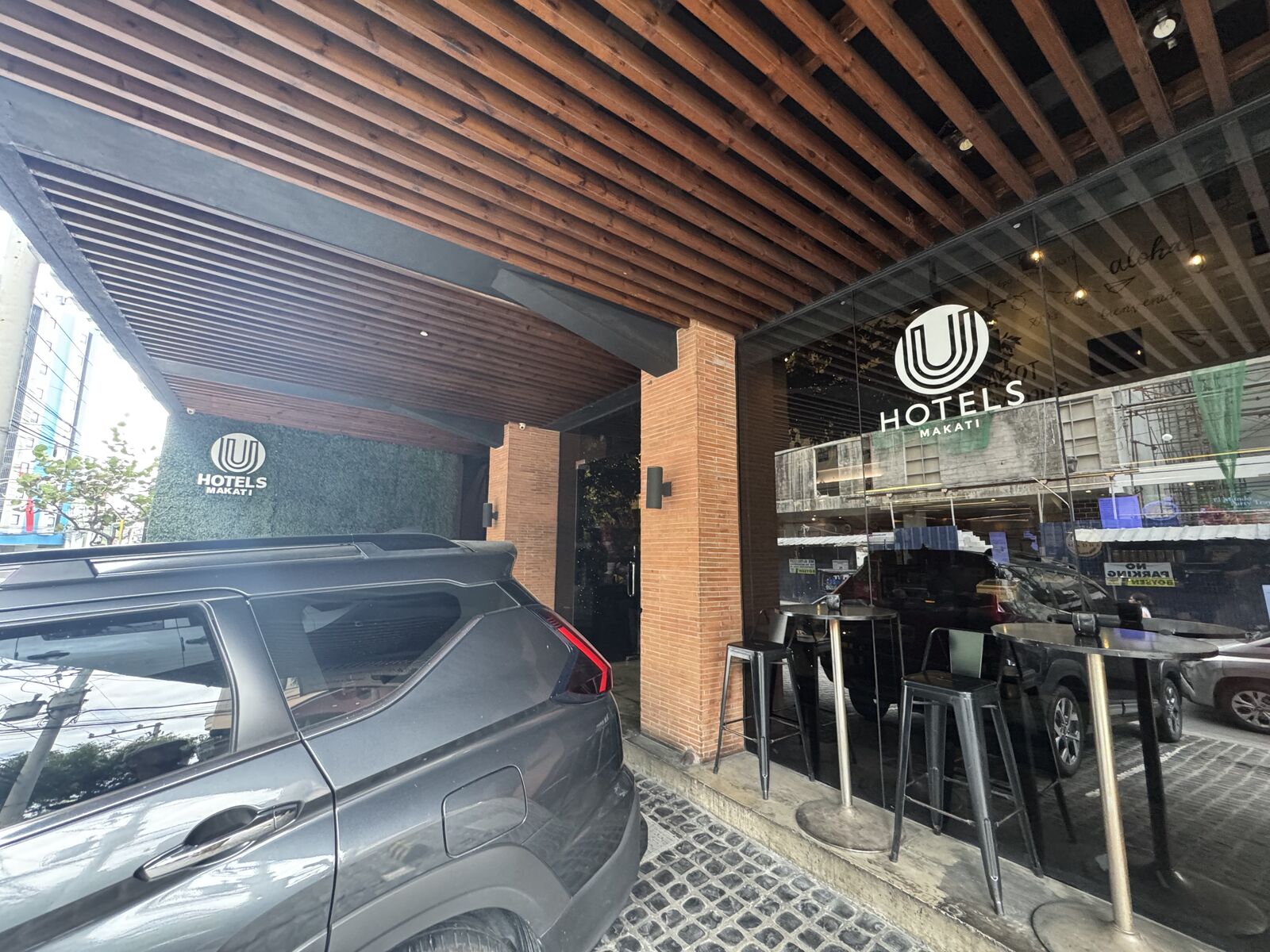
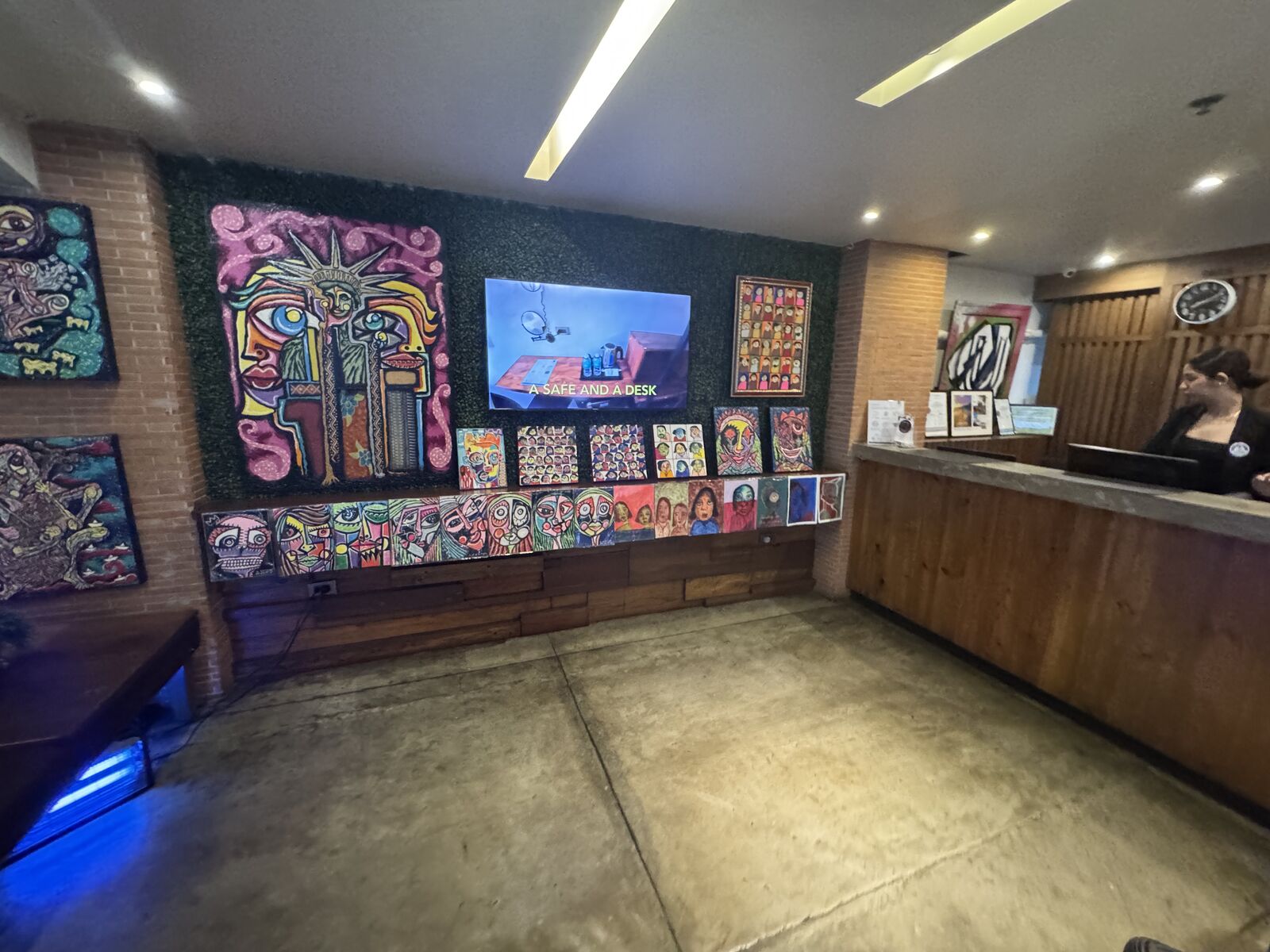
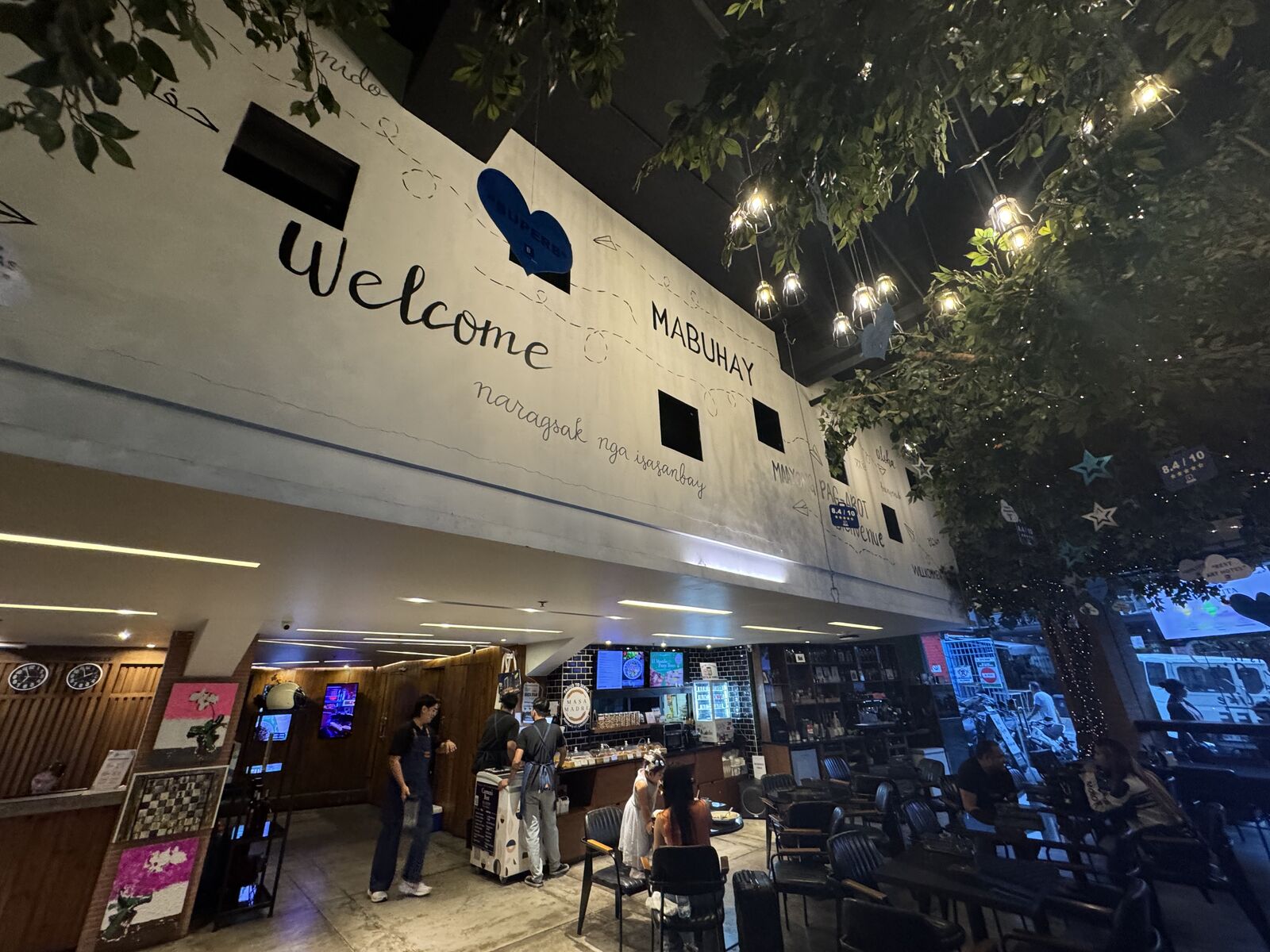
After the long journey on the bus, stepping through the hotel door brought an immediate sense of relief.
Knowing you have somewhere comfortable to rest after a day of travel is one of the things that matters most when you are staying abroad. A clean, settled hotel room has a way of taking the edge off tiredness.
Being able to encounter English naturally in everyday situations like checking in is another one of the quiet pleasures of being here.
A late lunch near the hotel — Manila's cosmopolitan atmosphere
Hungry after the journey, we stopped for lunch at a restaurant near the hotel.
The surrounding streets are lined with eateries from all over the world. Where Lingayen often felt locally rooted and warmly intimate, Manila reads as more international, more urban.
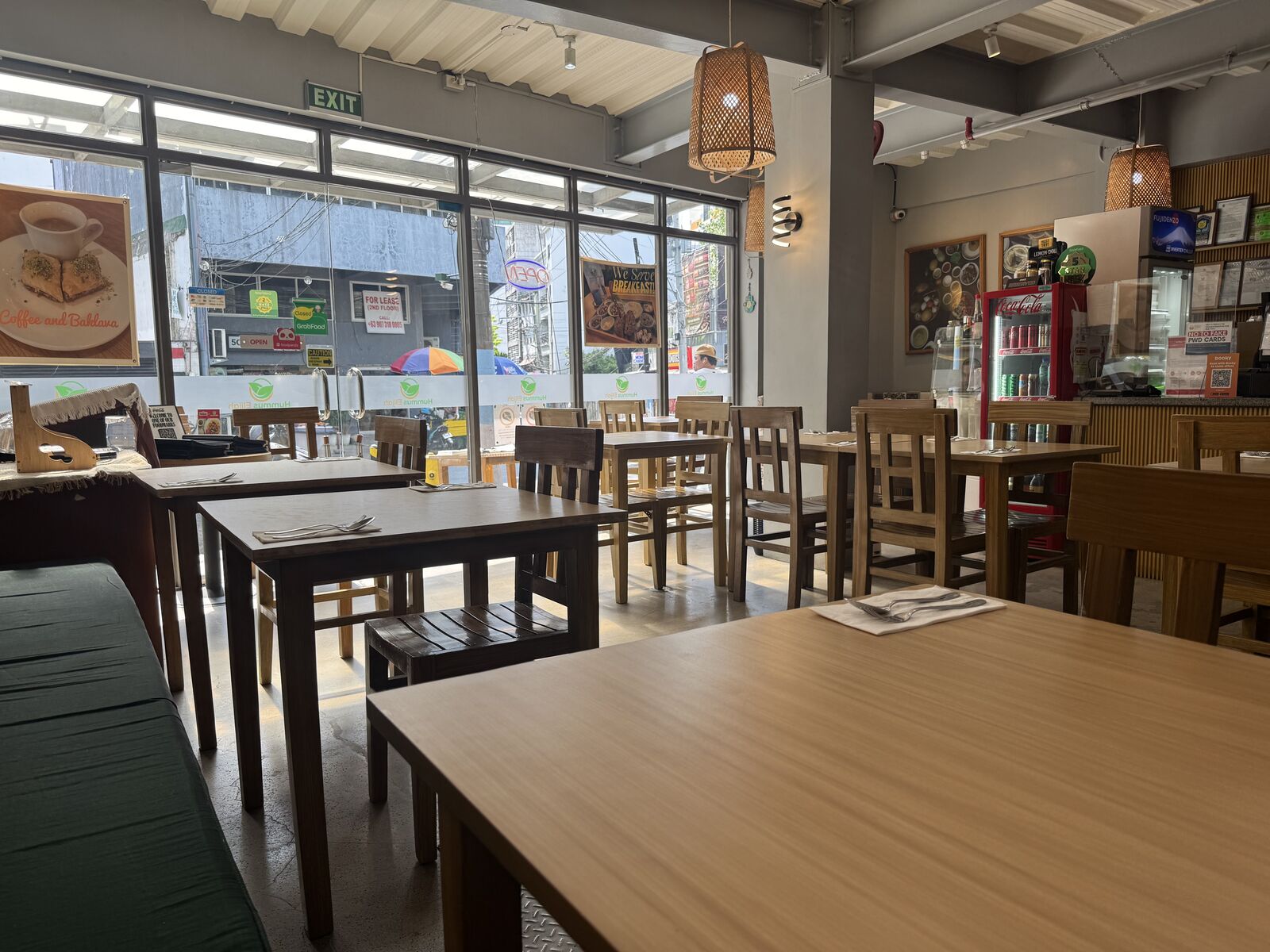
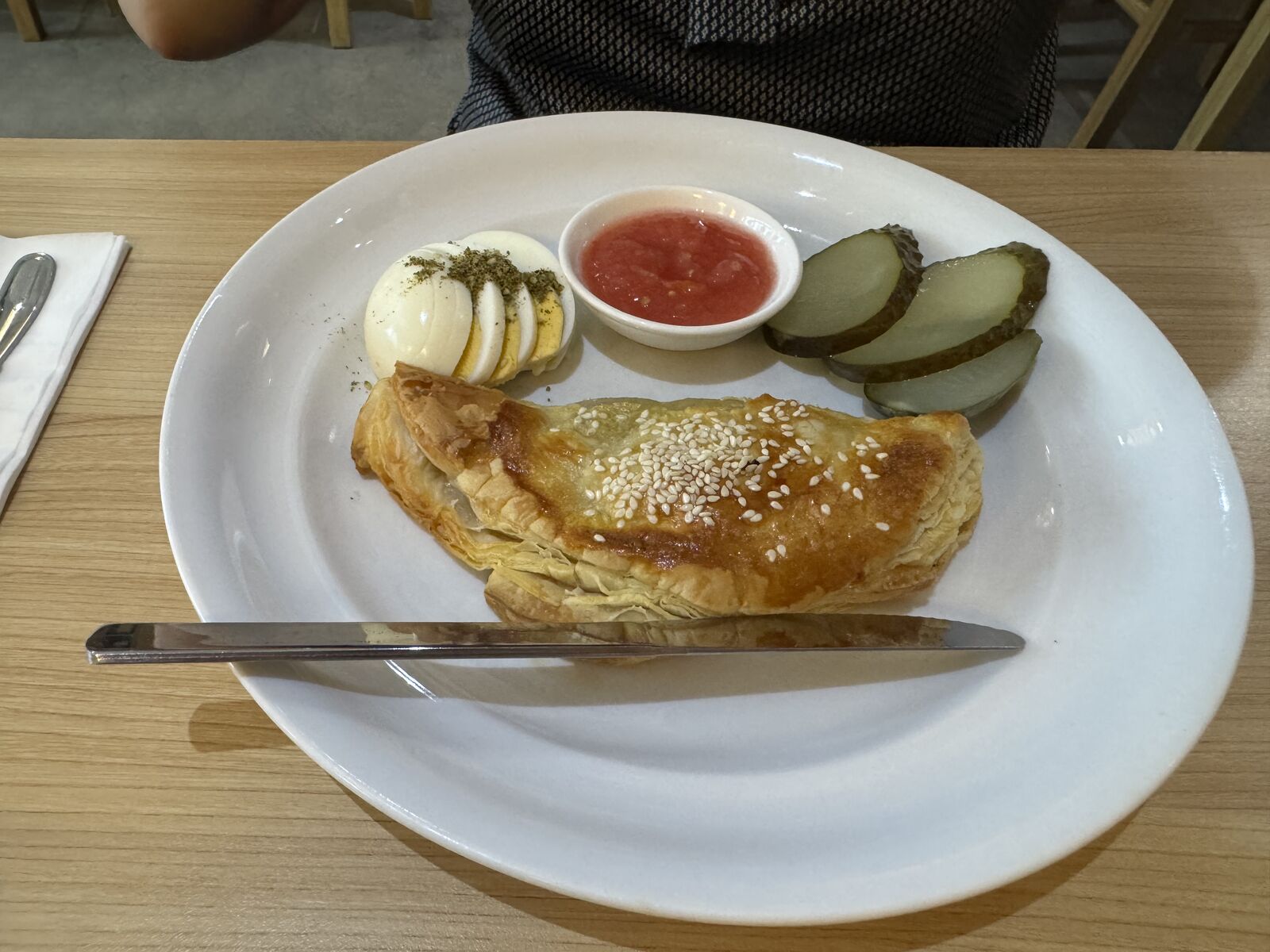
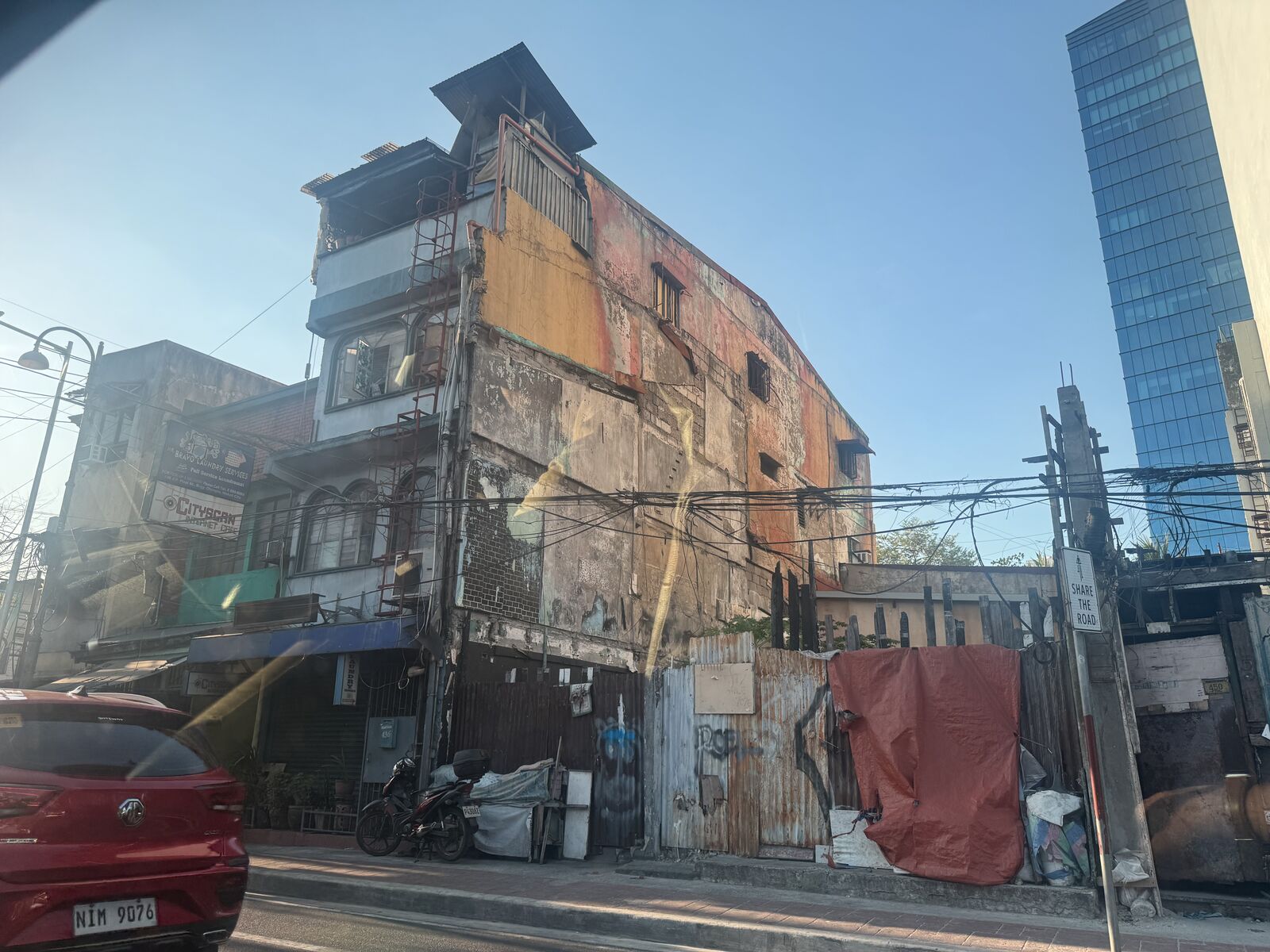
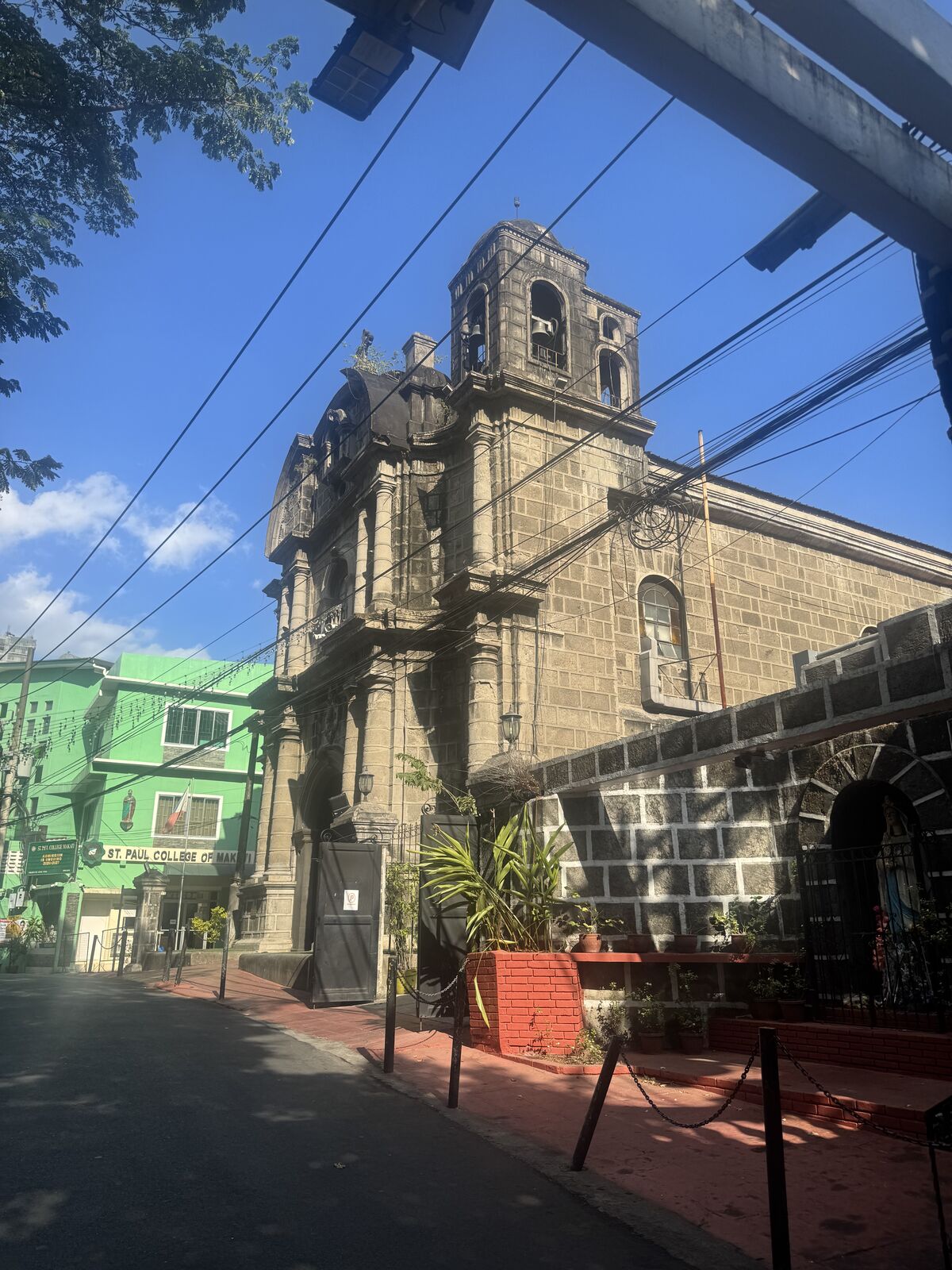
On pricing, though, Lingayen felt noticeably more affordable than Manila.
Including food and everyday shopping, Lingayen as a regional city makes it genuinely possible to keep living costs down while still being comfortable. Manila, on the other hand, offers the convenience and sheer range of options that only a major city can provide.
Both are compelling in their own ways, but as a place to settle in and focus on studying, the environment of Lingayen feels particularly precious.
Pushing through the tiredness — an evening walk through Manila
After the long journey, we will not pretend the thought of simply going to bed did not cross our minds.
But we had come all this way back to Manila, and it felt wrong not to take a little more in. So we headed out for a walk as evening began to fall.
Our destination was Rizal Park — one of the city's great public gathering spaces.
Stepping inside the park, we were immediately struck by a vast Philippine flag.
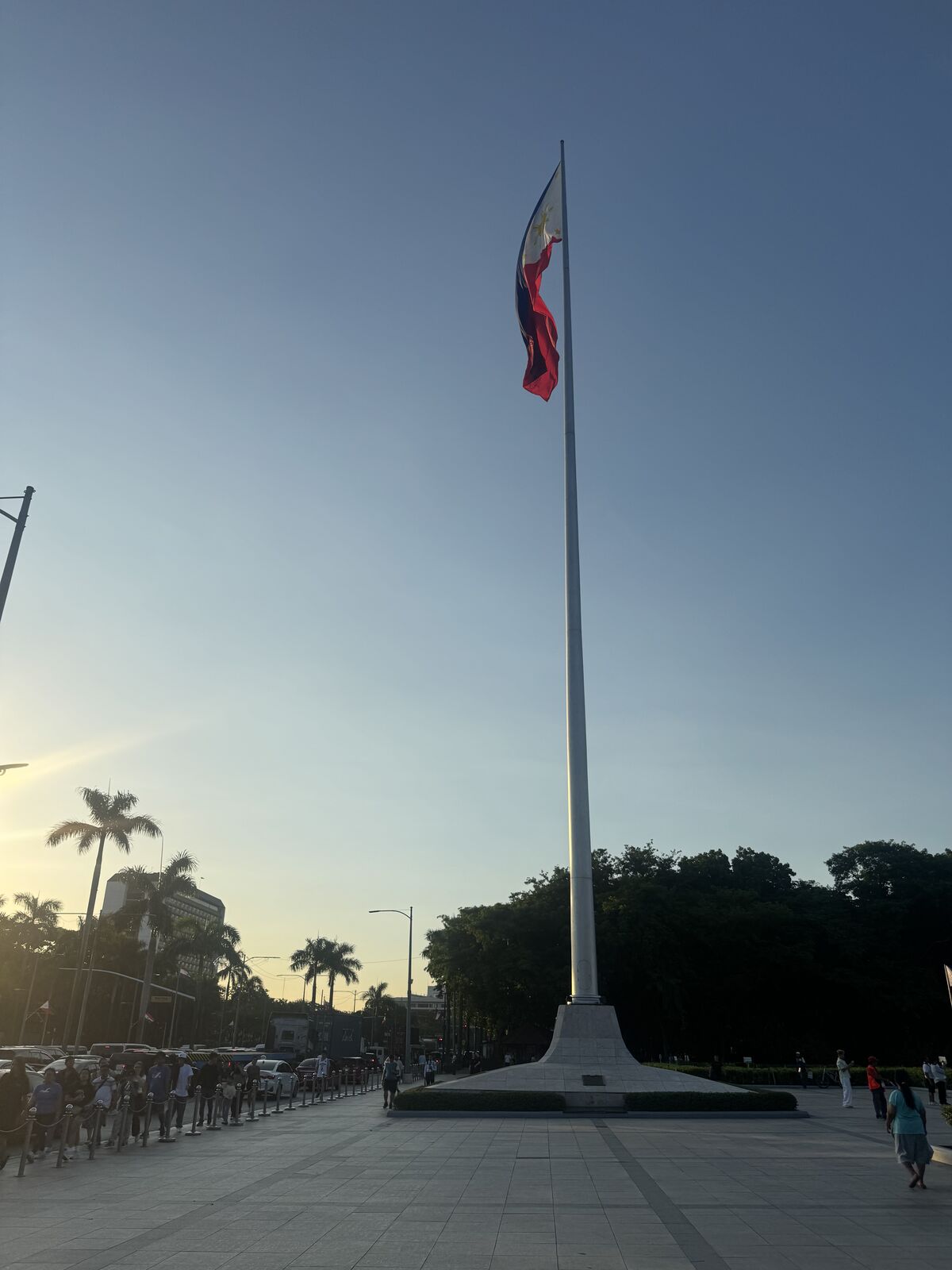
Across the wide expanse of the park, people were spending the evening hours in their own ways. Some were walking, others relaxing with their families, taking photographs, or resting on benches.
Here, in the middle of one of Asia's biggest cities, time somehow moved more slowly.
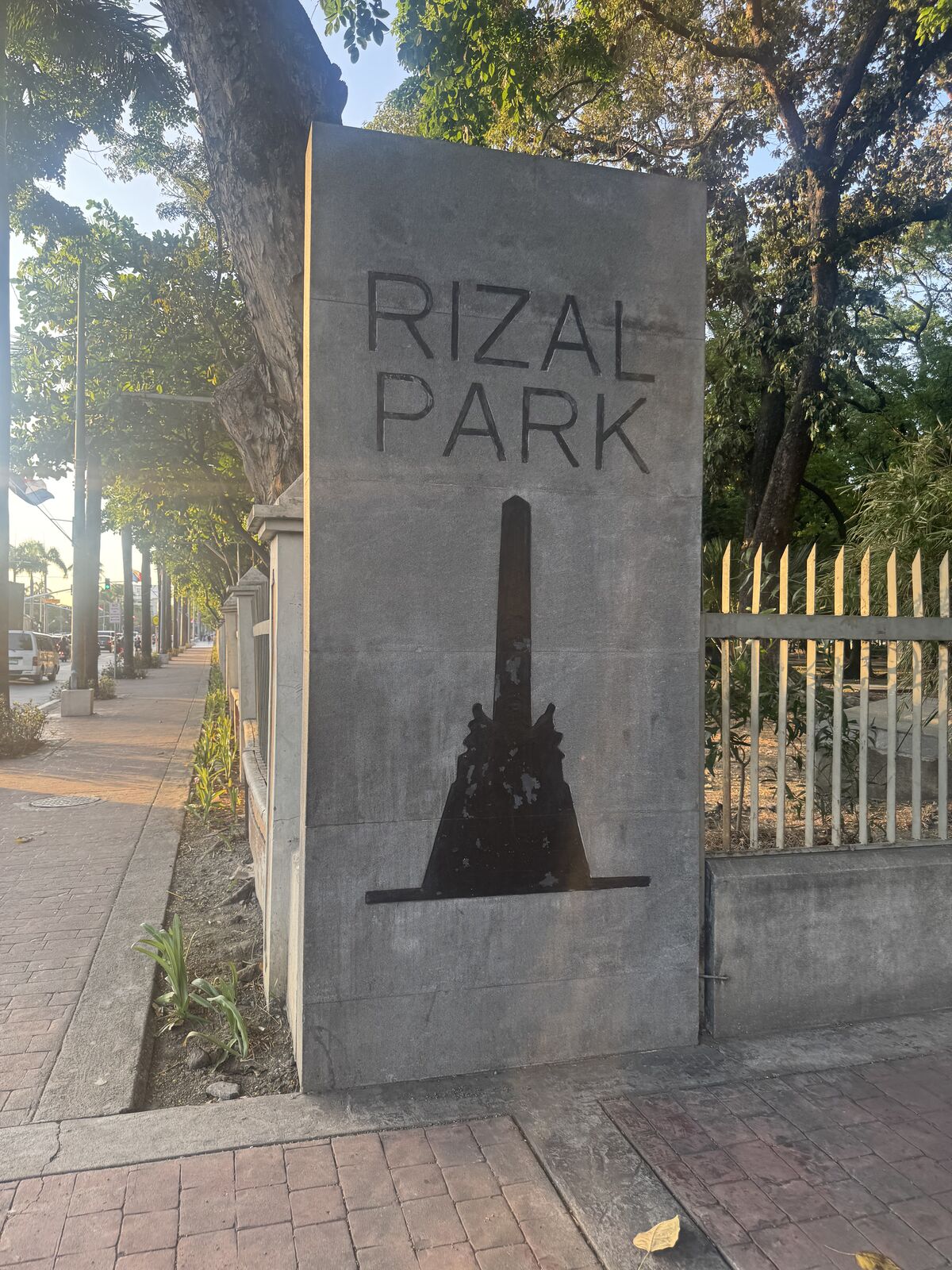
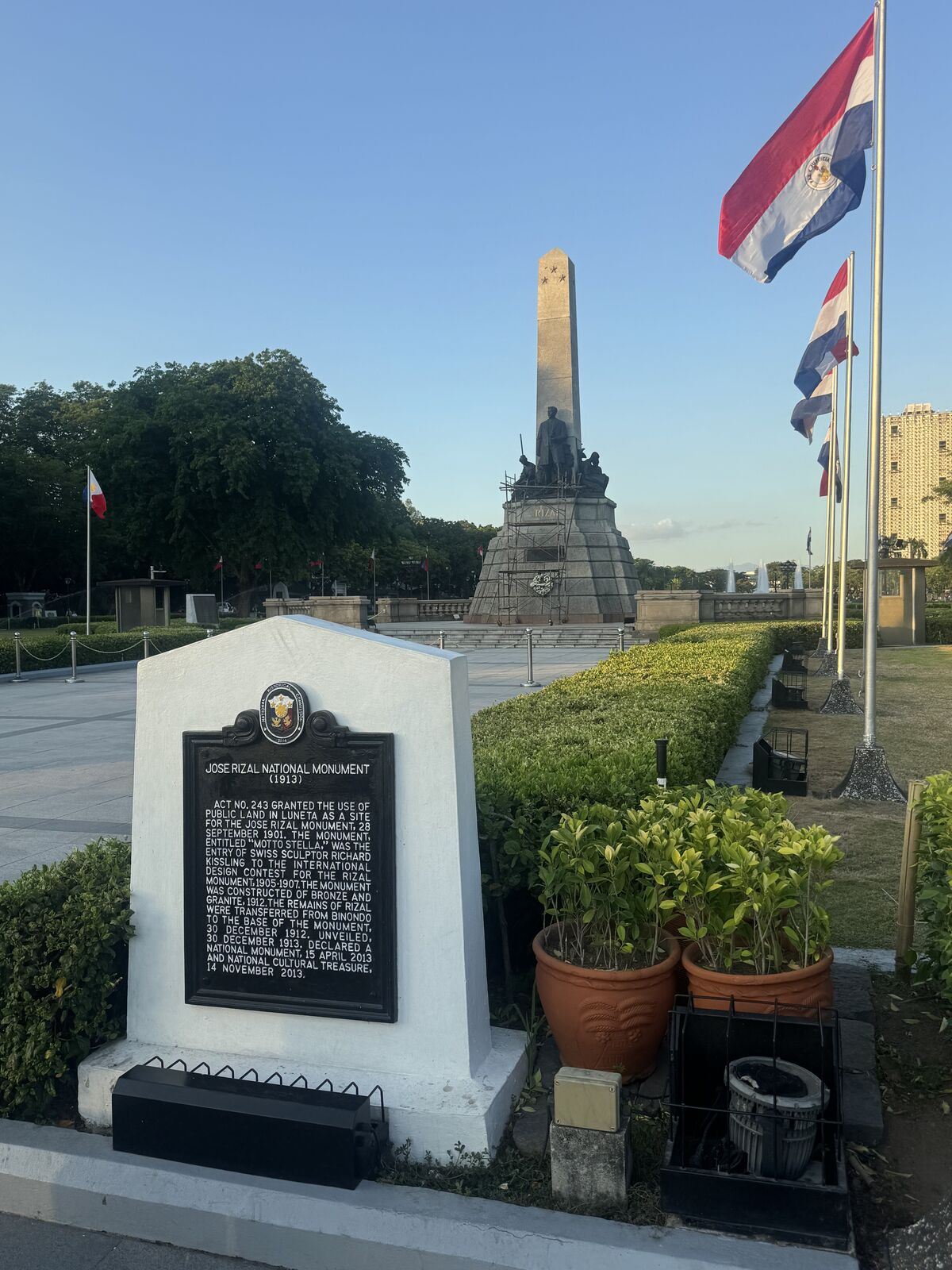

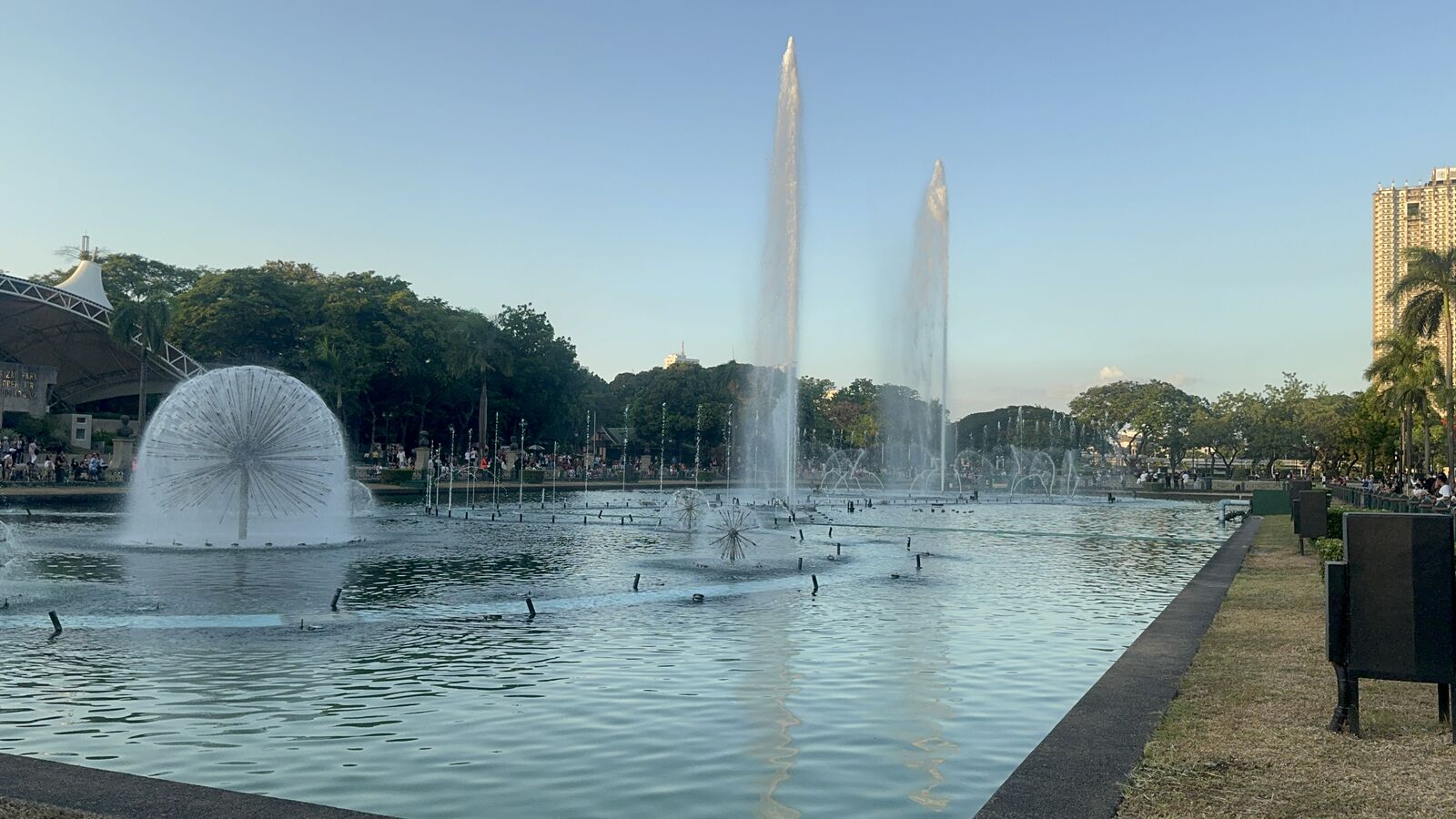
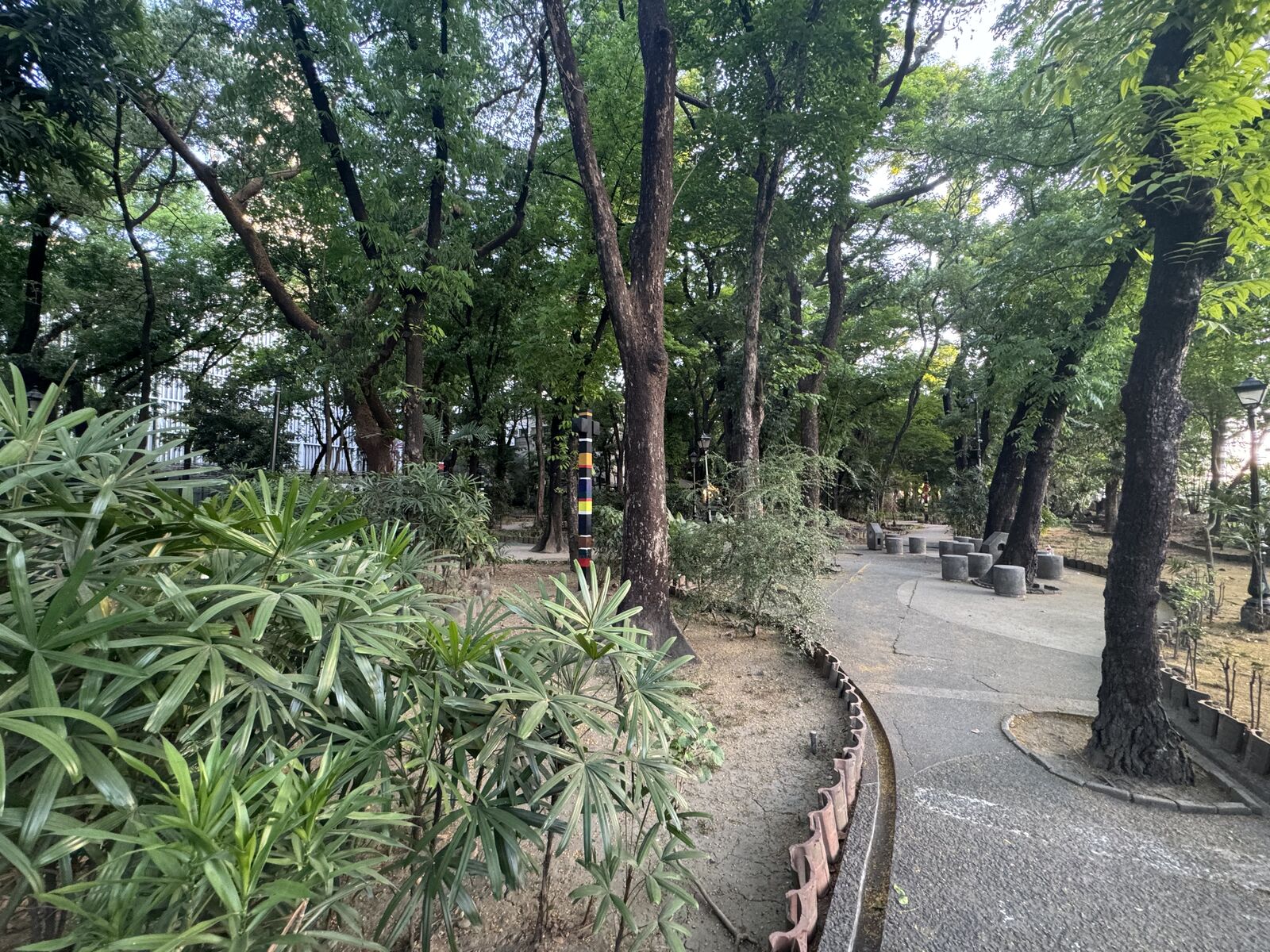
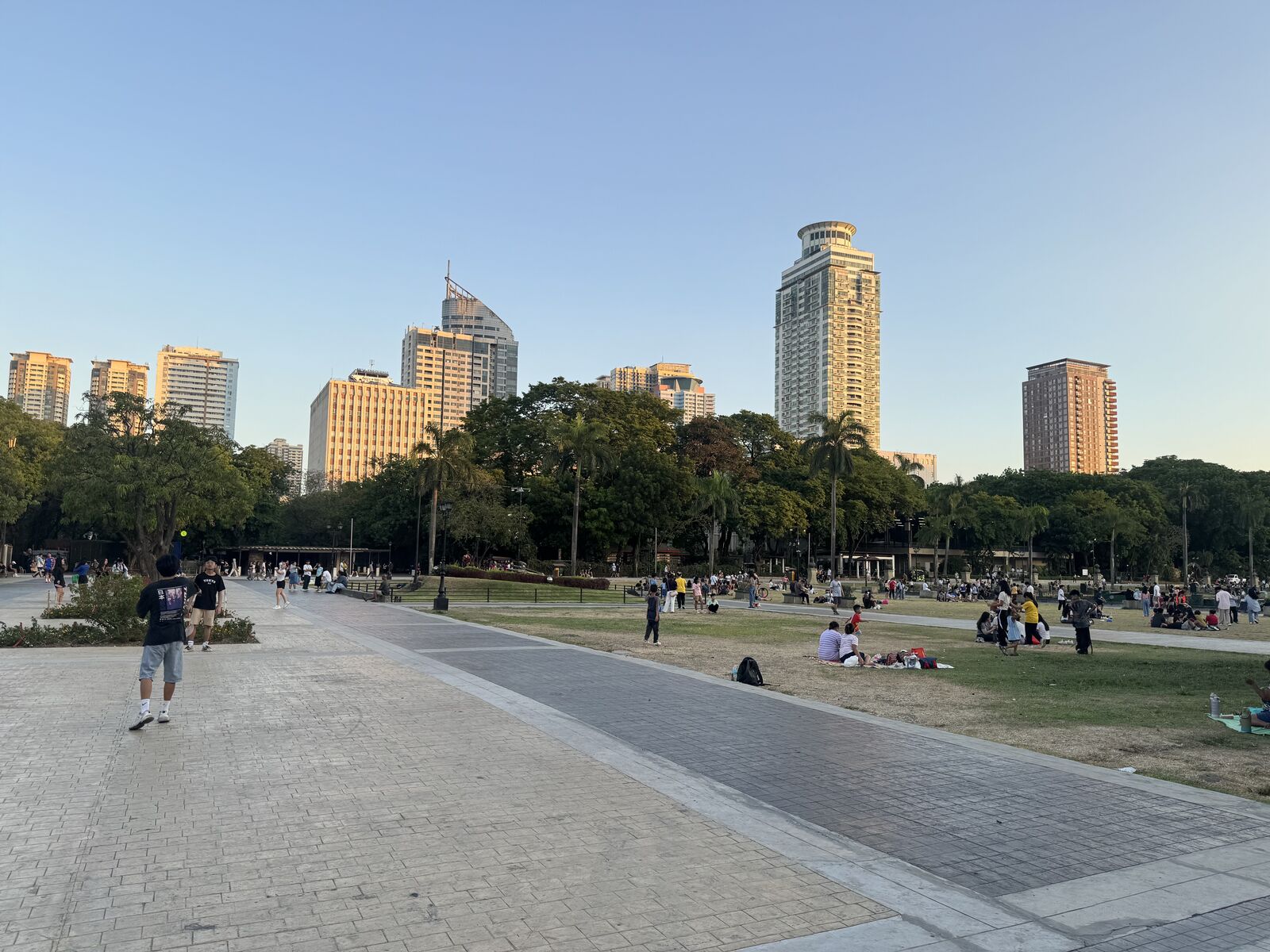
Some people may carry an image of Manila as intimidating, frenetic, or overcrowded. But walking it ourselves, we found that choosing the right place at the right time of day opens up a great many calm, pleasant corners of the city.
In a Philippine summer, dusk is the finest hour
The Philippine summer sun is fierce during the day.
When evening arrives, though, the air softens, and stepping outside becomes genuinely enjoyable. The lingering warmth and the unhurried pace of the world around you do something restorative to the spirit.
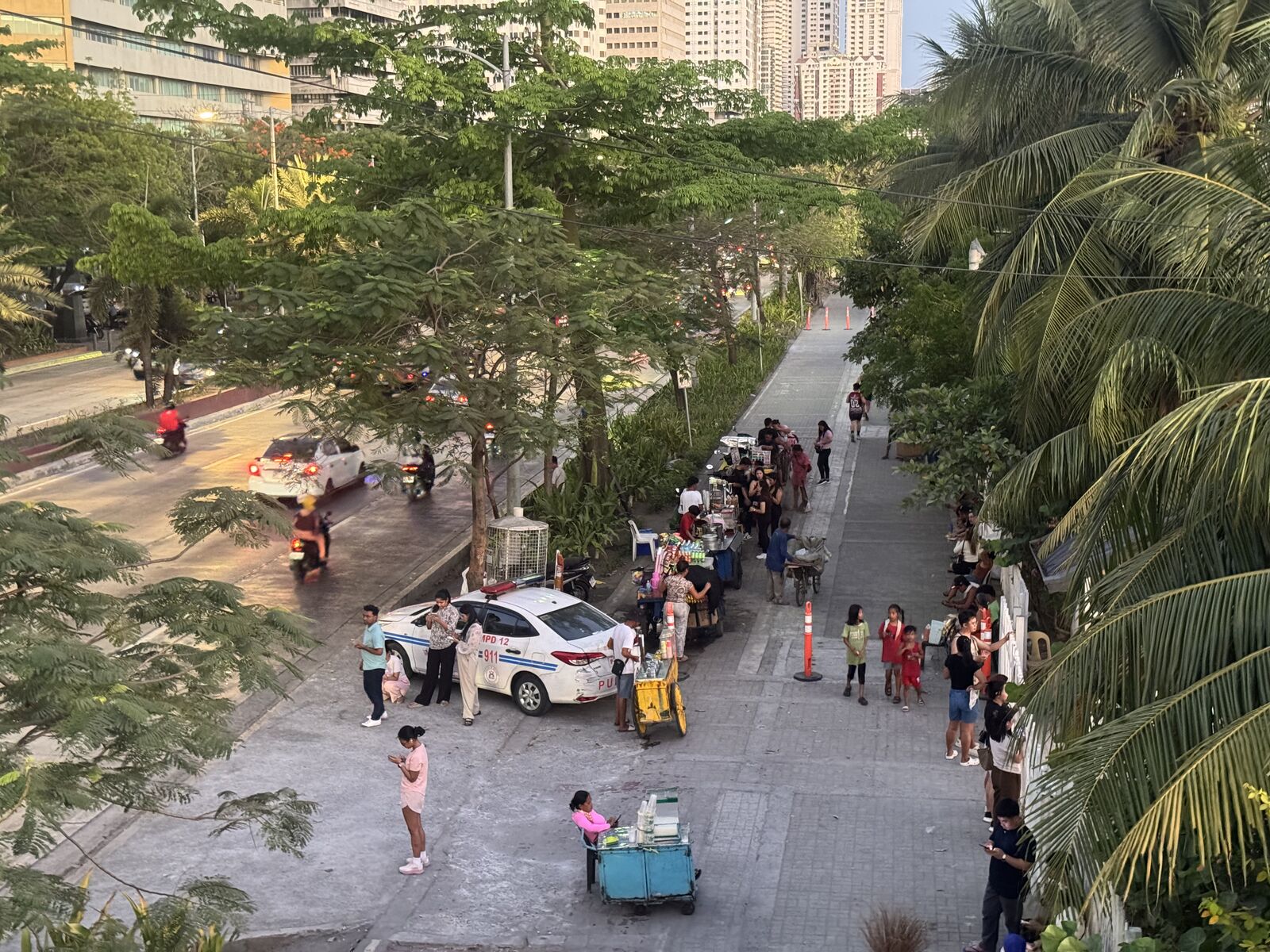
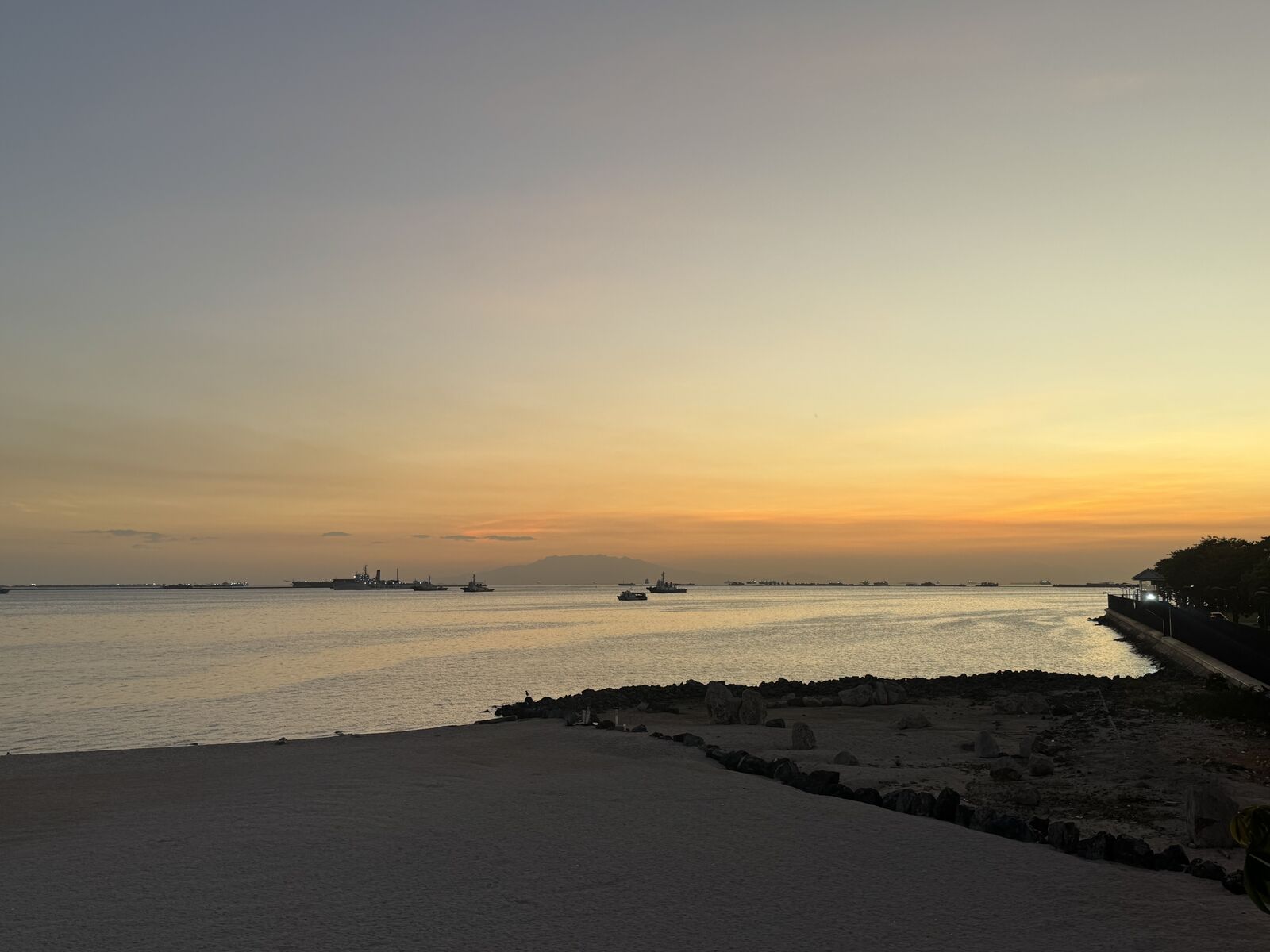
We had hoped to catch the sunset over Manila Bay, but between one thing and another — wandering too slowly, perhaps — we missed it by a little.
That will have to wait for another visit.
Not everything goes to plan on a journey. But the detours and the slower paths bring their own views, and the air along the roads you walked stays with you as part of the memory.
The final evening — in search of Filipino food at Robinsons Place
Our last night in the Philippines. Feeling that we could not end the trip without a proper Filipino meal, we made our way to Robinsons Place, a large shopping mall nearby.
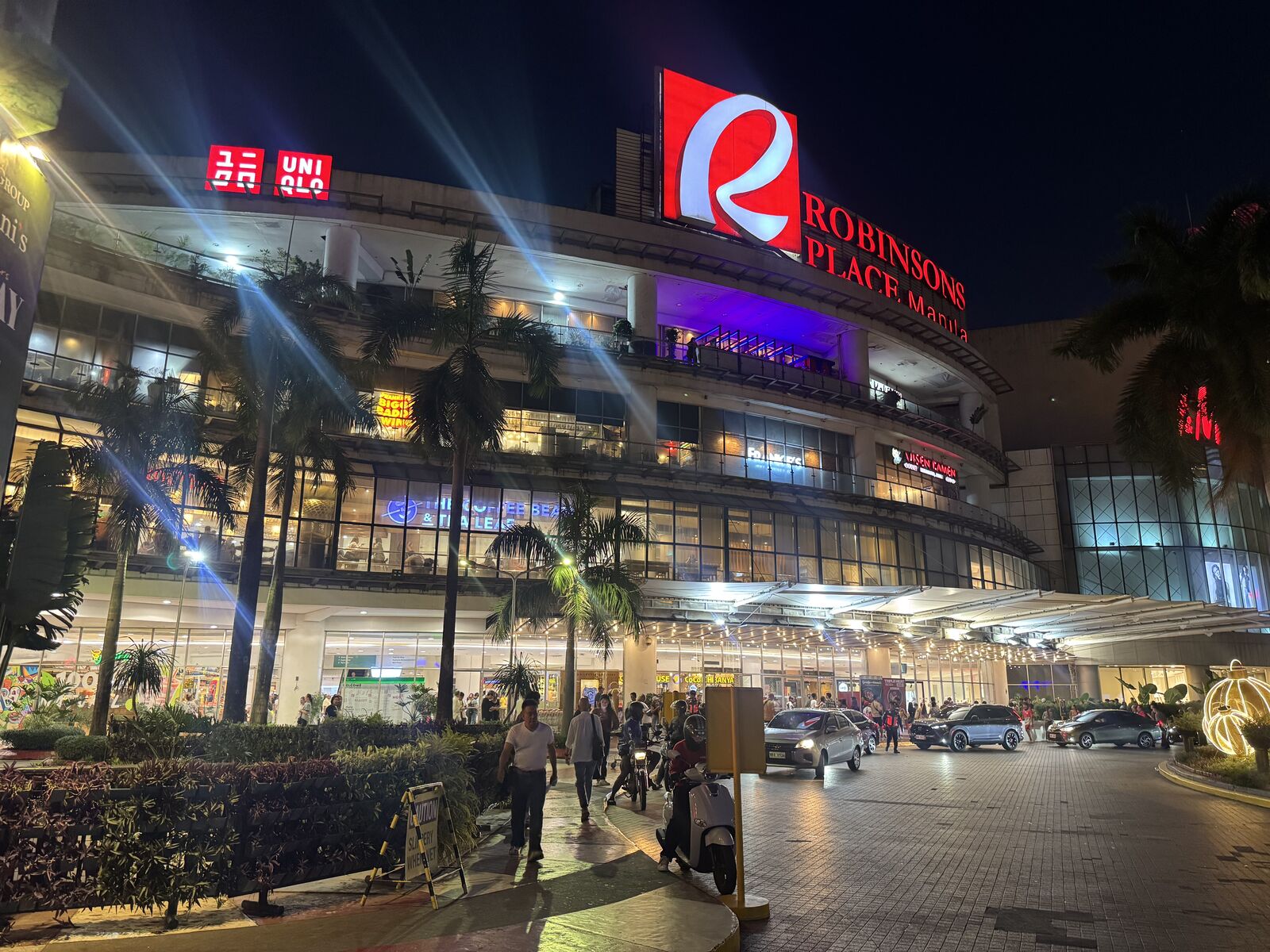
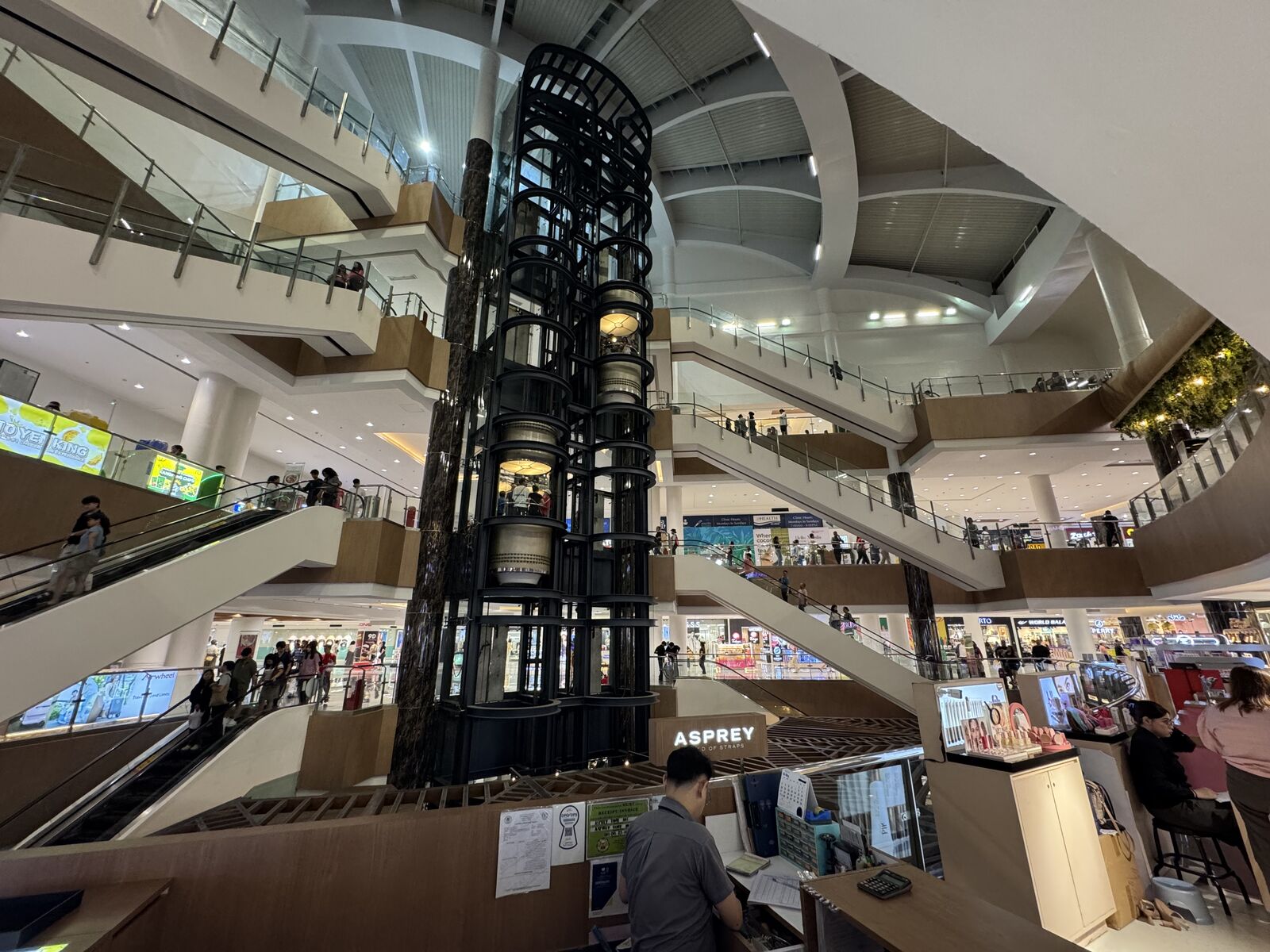
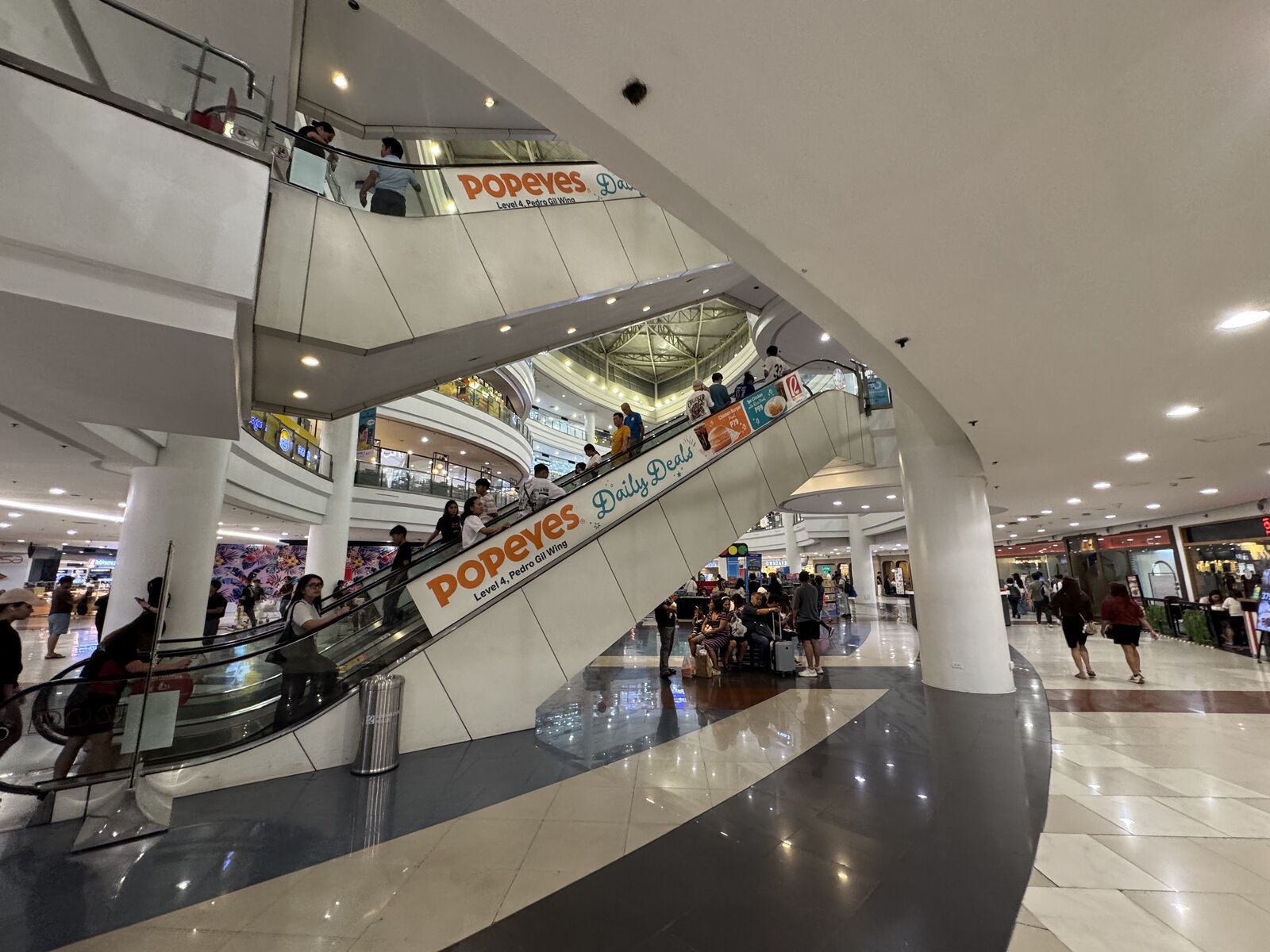
The Filipino restaurant we had set our sights on was absolutely packed — it looked as though we would need to wait over an hour for a table.
With the long day of travel and the evening walk behind us, we simply did not have the reserves for that, and ended up finding somewhere else to eat instead.
This, it seems, is big-city Manila. The popular spots really do fill up.
Even so, the scale and atmosphere of the mall itself were impressive, and it felt like somewhere worth returning to properly another time.
Back at the hotel — first impressions of Manila, on reflection
We finally made it back to the hotel.
Before arriving, we had carried some reservations about Manila — a vague sense that it might not be entirely safe, or that it might feel a little unsettling.
Of course, as with anywhere abroad, a degree of caution is sensible. Avoid walking down quiet streets late at night; do not let your bag or your phone out of your sight; use Grab rather than hailing an unknown car. The basic precautions apply.
But walking it in person, Manila was not the intimidating place we had half expected.
Taking photographs on a smartphone while strolling around did not feel unduly anxious-making. With a rucksack on our backs, the people around us simply seemed to be going about their own lives in an entirely natural way.
There are people on the streets who are clearly living in difficult economic circumstances. But at no point did we feel threatened, and the city as a whole carried a certain unhurried ease about it.
Insights that only arrive when you come in person. Impressions that only change when you walk the streets.
The Philippines turned out to be a country with far more depth and texture than the image we had brought with us.
Reflections on Day 7
Day 7 was a day of transit — from Lingayen to Manila — followed by a brief look around the city.
What the day brought home most clearly is just how many different faces the Philippines has.
Lingayen has its unhurried rhythm and the warmth of close human contact. Manila has the energy of a major city and the vitality of many cultures living side by side.
The heart of the short study-abroad programme is Lingayen, but passing through Manila on arrival and departure — or staying a night there on a travel day — gives participants a glimpse of a quite different side of this country.
Editor's note
The moment that stayed with us most from Day 7 is the contrast between the air of Lingayen and the air of Manila.
In Lingayen, we felt the warmth of people — at the school, in the dormitory, at the farm, on the beach, at the night market. In Manila, we felt the energy of a great city — the skyscrapers, the wide park, the cosmopolitan restaurants, the lively mall.
Neither is better than the other. Both are essential faces of the Philippines.
And choosing to take the long-distance bus ourselves only deepened our appreciation of what the transfer-included programme offers. For first-time travellers abroad, for families, for those in their senior years, knowing the journey has been taken care of makes an enormous difference.
In Day 8, we reach the final day — our return home. We will keep reporting on the real shape of the Philippines study-abroad experience right to the very end.
See you again in Day 8.