


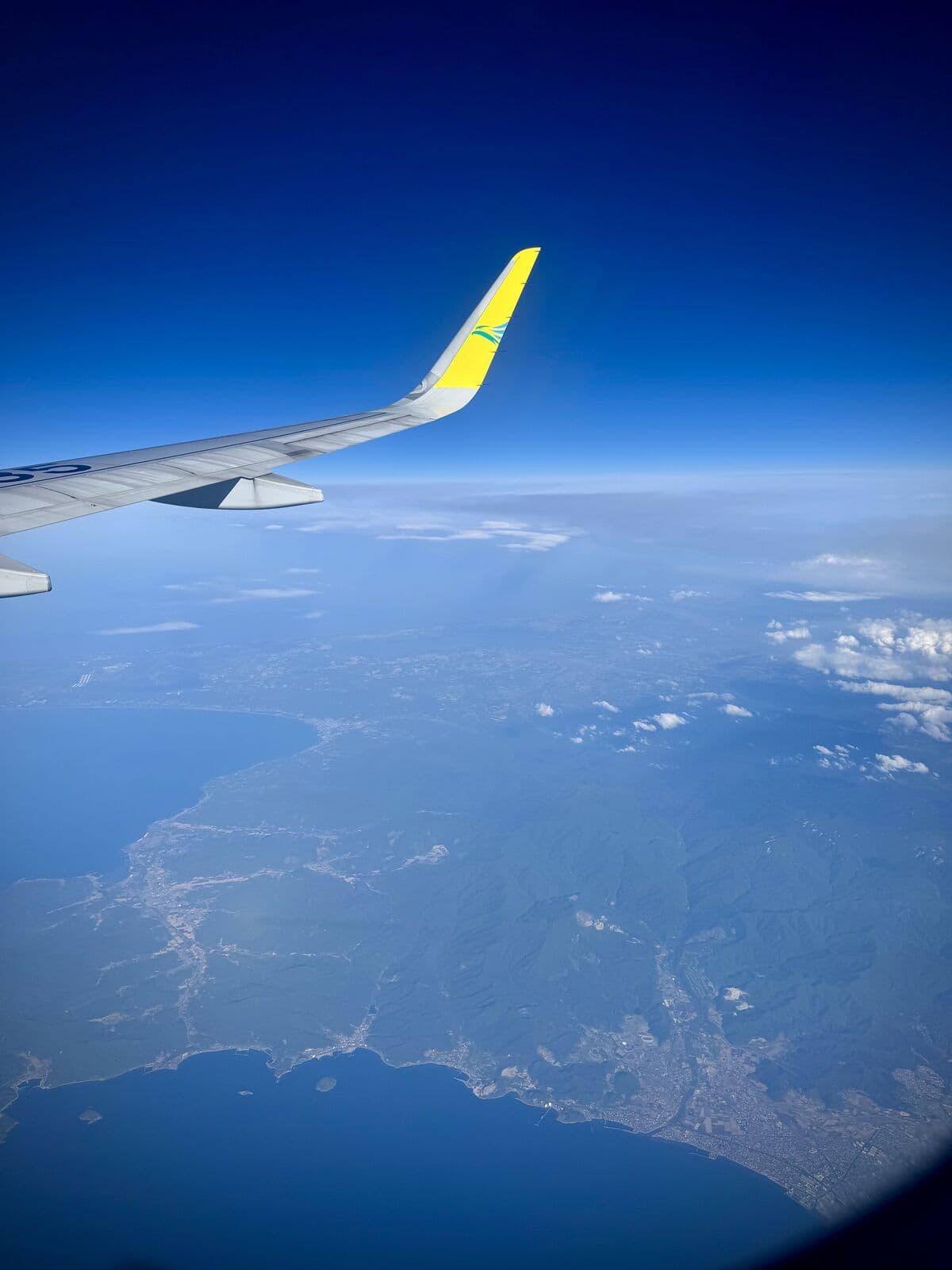
Hello, everyone. Welcome back to our Site Visit Diary, following our team's visit to short-term language schools in the Philippines. This is Day 8 — the final day.
Manila at seven in the morning — heading to the airport through the city's bustle
That day, we left the hotel at seven o'clock in the morning.
Stepping outside, Manila was already in full swing. Car horns, morning traffic, commuters on the move, a constant stream of vehicles. After the unhurried air of Lingayen these past days, the noise and energy of Manila in the early hours felt like a different world entirely.
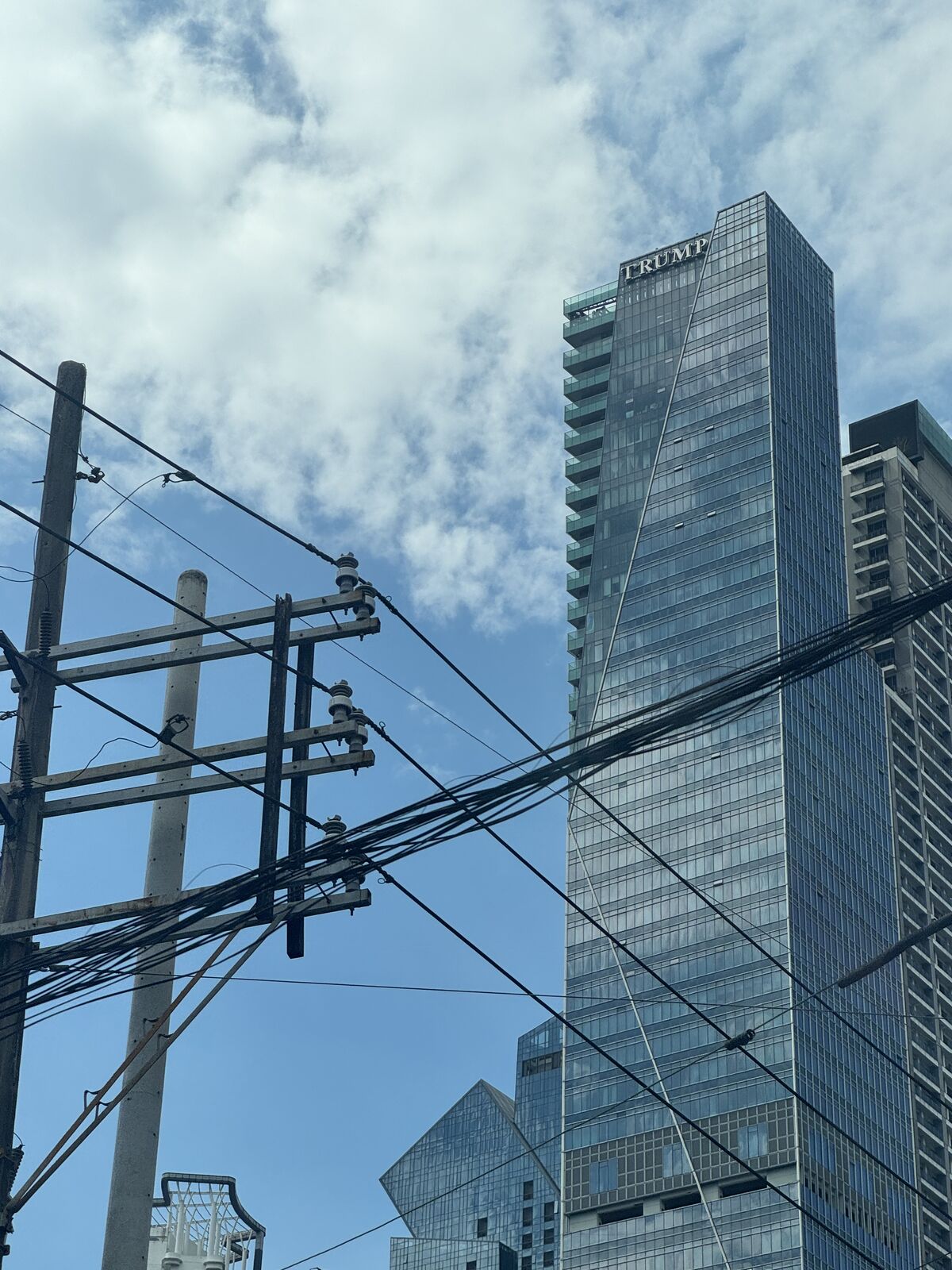
Looking out at the cityscape from the car on the way to the airport, we found ourselves thinking: "This will be the last time we hear that chorus of horns." It left us with a quietly wistful feeling.
The airport itself, given the early hour, was not yet particularly busy. Even so, most of the restaurants and souvenir shops were already open, offering more than enough to fill the time before departure.
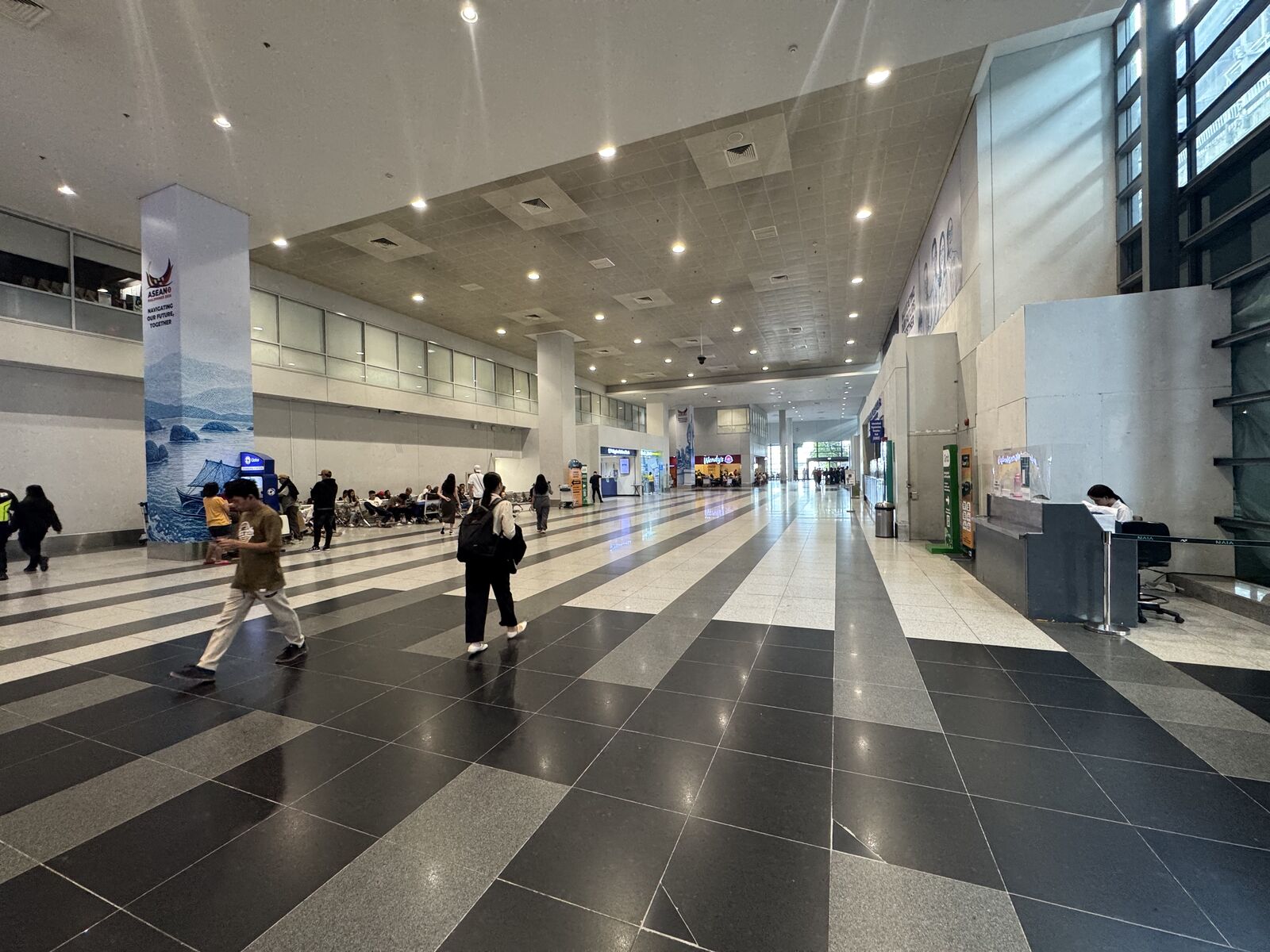
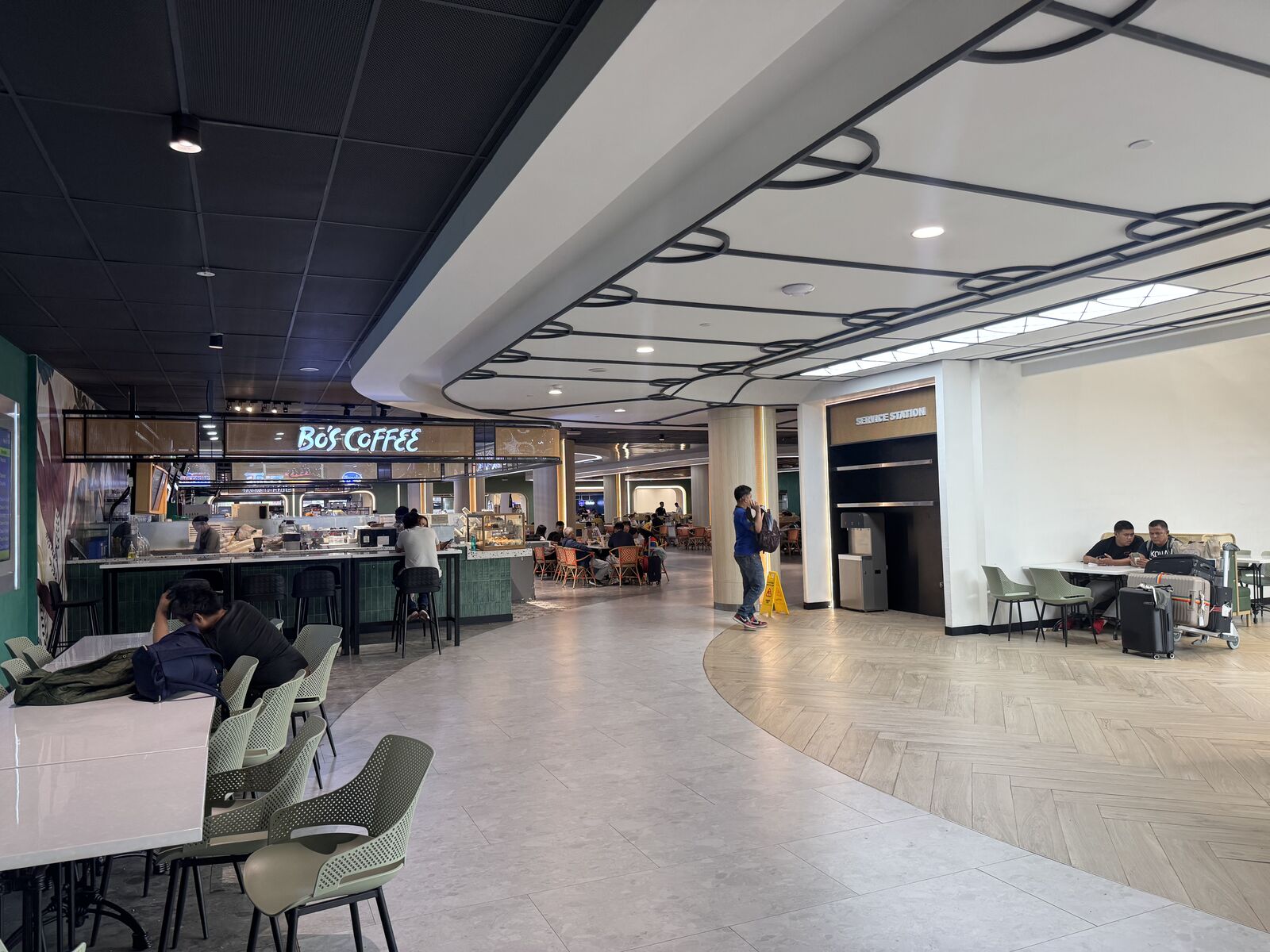
There was even a Marugame Seimen — a familiar face from back home. We had a moment of genuine indecision: go out on one last Filipino meal, or settle into something reassuringly Japanese? The airport, it turned out, gave us both options.
Checking in with Cebu Pacific
Our first task was to make our way to the Cebu Pacific check-in counter.
As on the outbound journey, the vast majority of passengers around us were Filipino; Japanese travellers were few and far between.
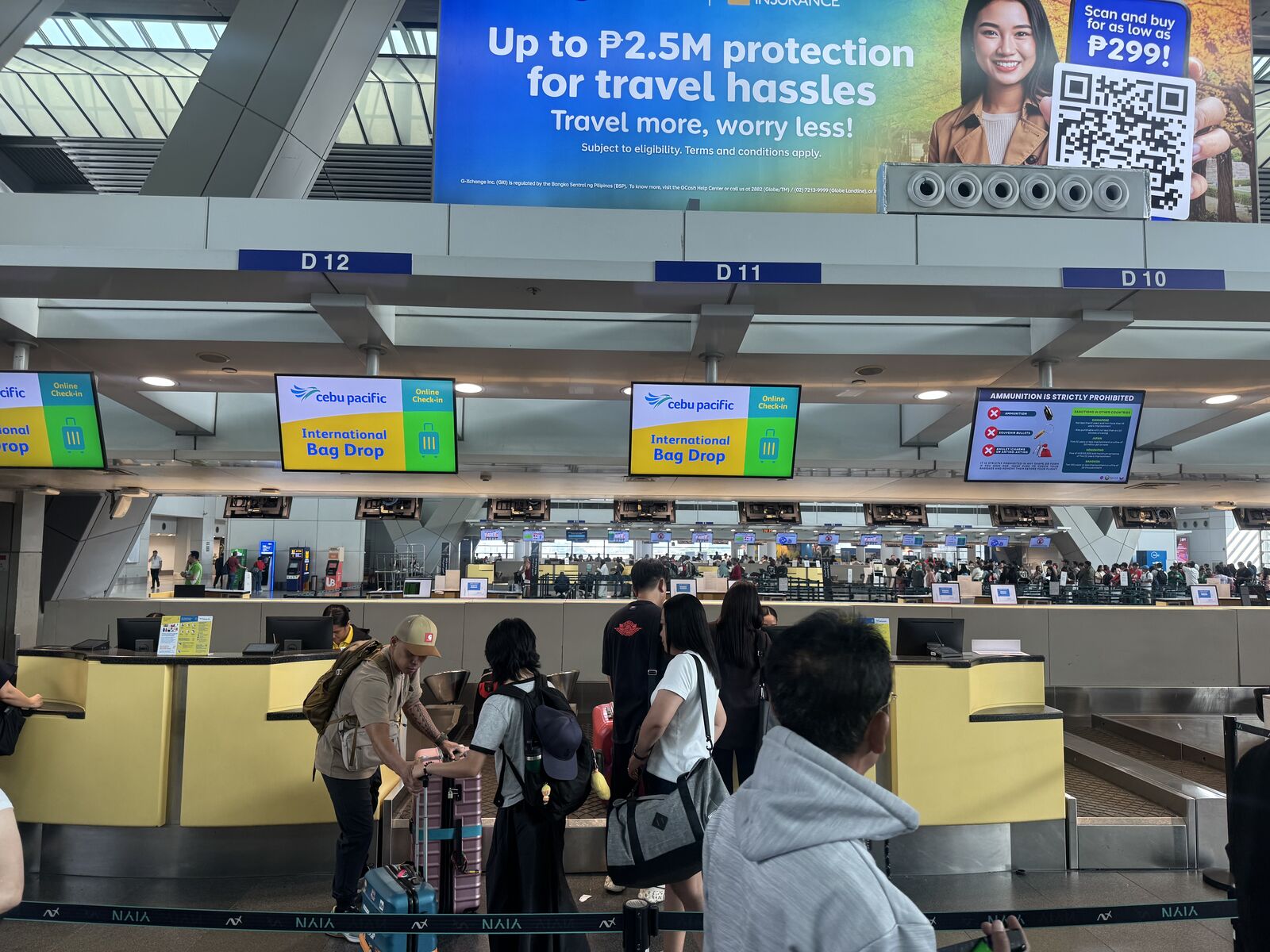
There is always a certain tension before the formalities are done — is the luggage within the weight limit? Will the boarding pass come through without a hitch? Will we make it through departures in time? However many times you travel internationally, the airport procedures keep you on your toes.
Once check-in was complete, the relief was immediate. We settled down for breakfast and found ourselves quietly turning over the memories of the trip.
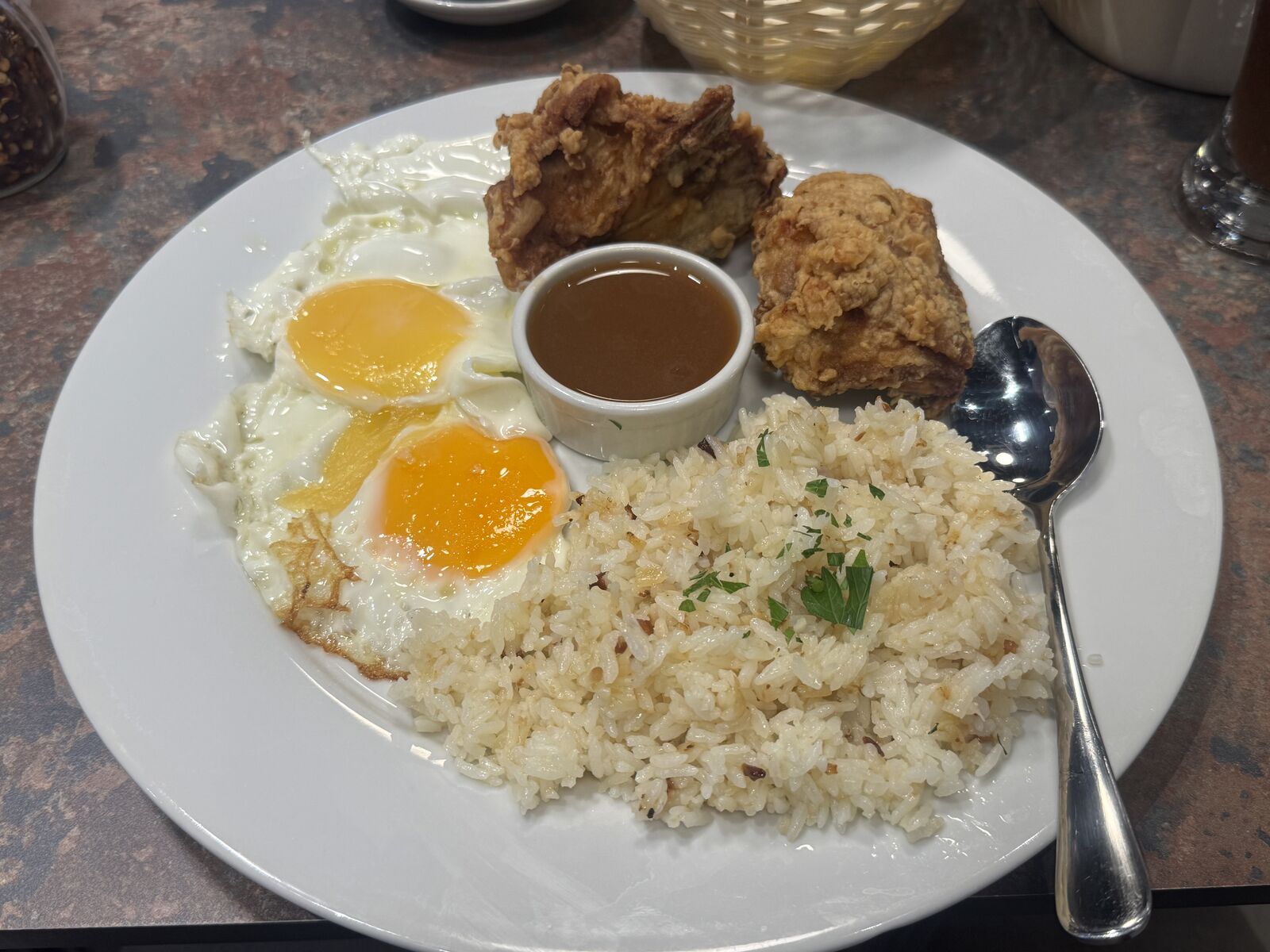
The school in Lingayen. The teachers. The dorm mother's cooking. The night market. The tricycles. The beach. Hundred Islands. Jollibee. SM Mall. Going back over it all, each moment felt vivid and full — far more had happened than eight days would seem to allow.
A last-minute dash to the gate — a small adventure at the very end
After breakfast, we stopped by one of the souvenir shops near the departure gate to pick up a few final things.
We joined the queue at the till, but the member of staff gestured to say they would be back in a moment and stepped away.
It seemed they had nipped to the bathroom — but they were a long time coming back.
We waited, telling ourselves they would surely return soon, and then a little longer — and before we knew it, far more time had slipped by than we had realised.
And then, over the tannoy, came the final boarding call.
What followed was a five-minute flat sprint to the departure gate. We had not expected, right at the very end, to find ourselves running at full tilt through an airport.
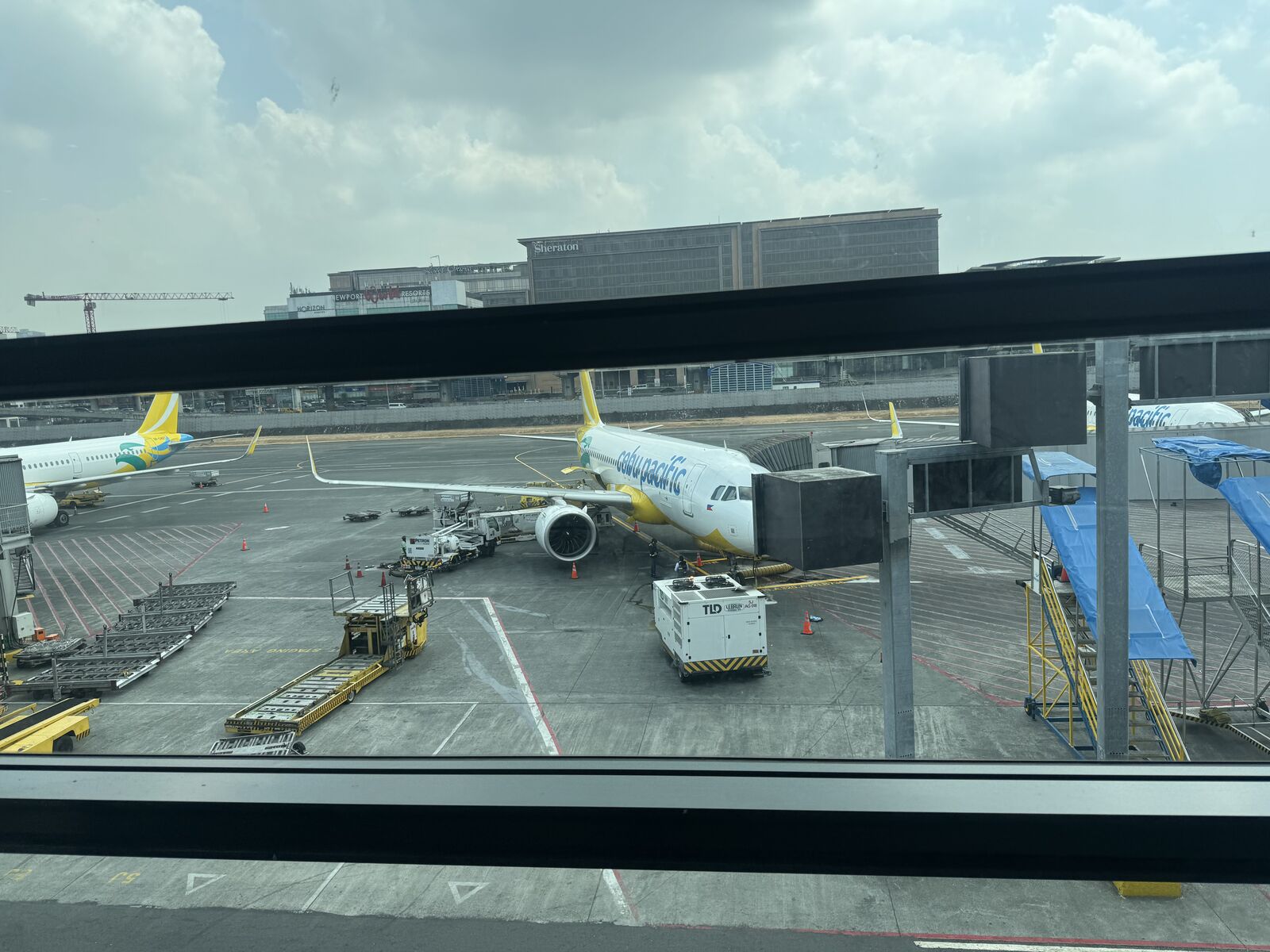
We made it, just, joining the back of the queue and boarding without incident.
The lesson from this episode is simple: even last-minute shopping at an overseas airport needs to be done with time to spare.
We arrived home with a little more adrenaline in our systems than intended — but the relief once we were on board was immense.
Manila growing smaller behind us
As the plane climbed, Manila spread out beneath the window.
Watching the city slowly recede, we felt the particular sadness that comes with the end of a journey.
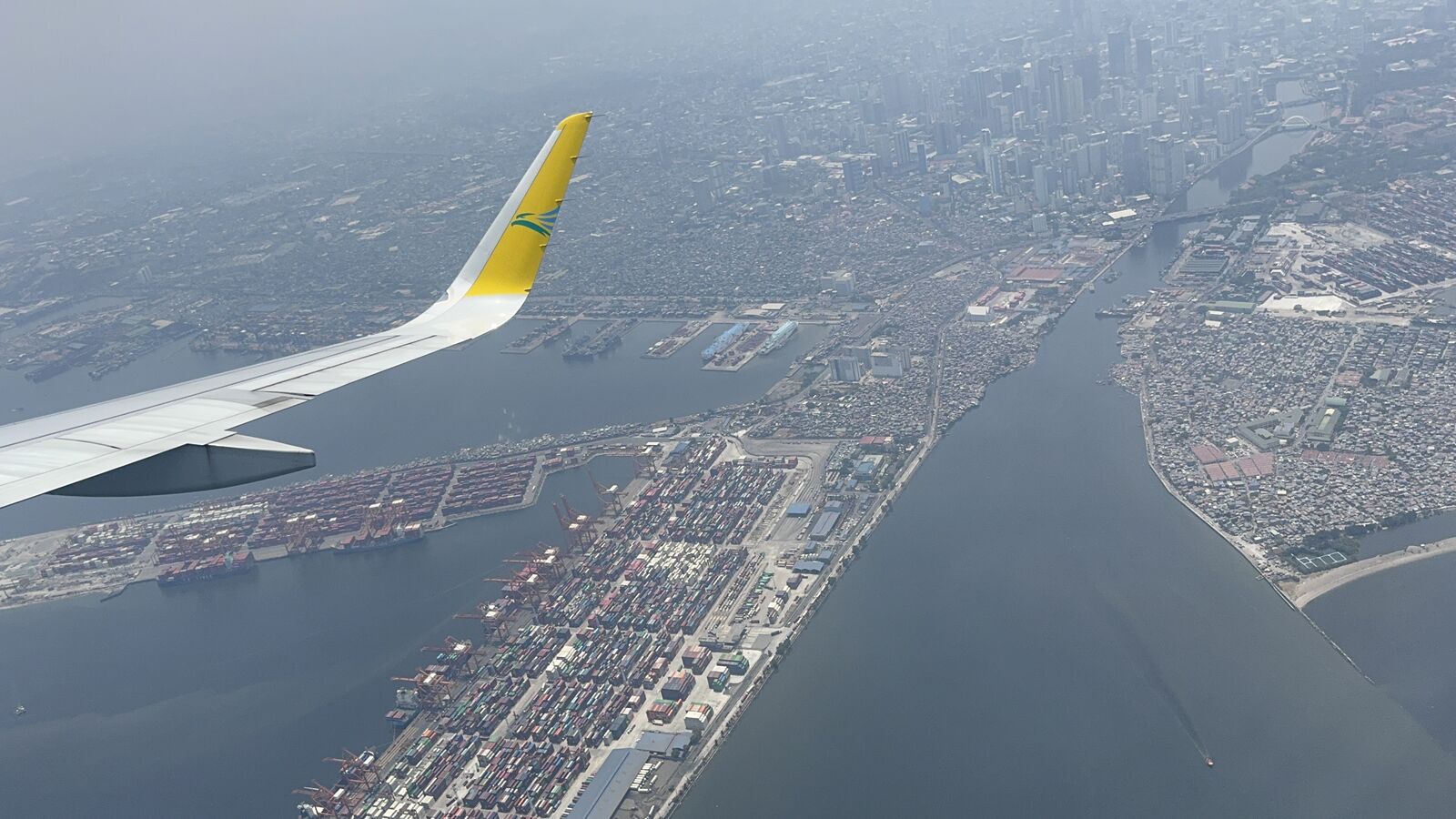
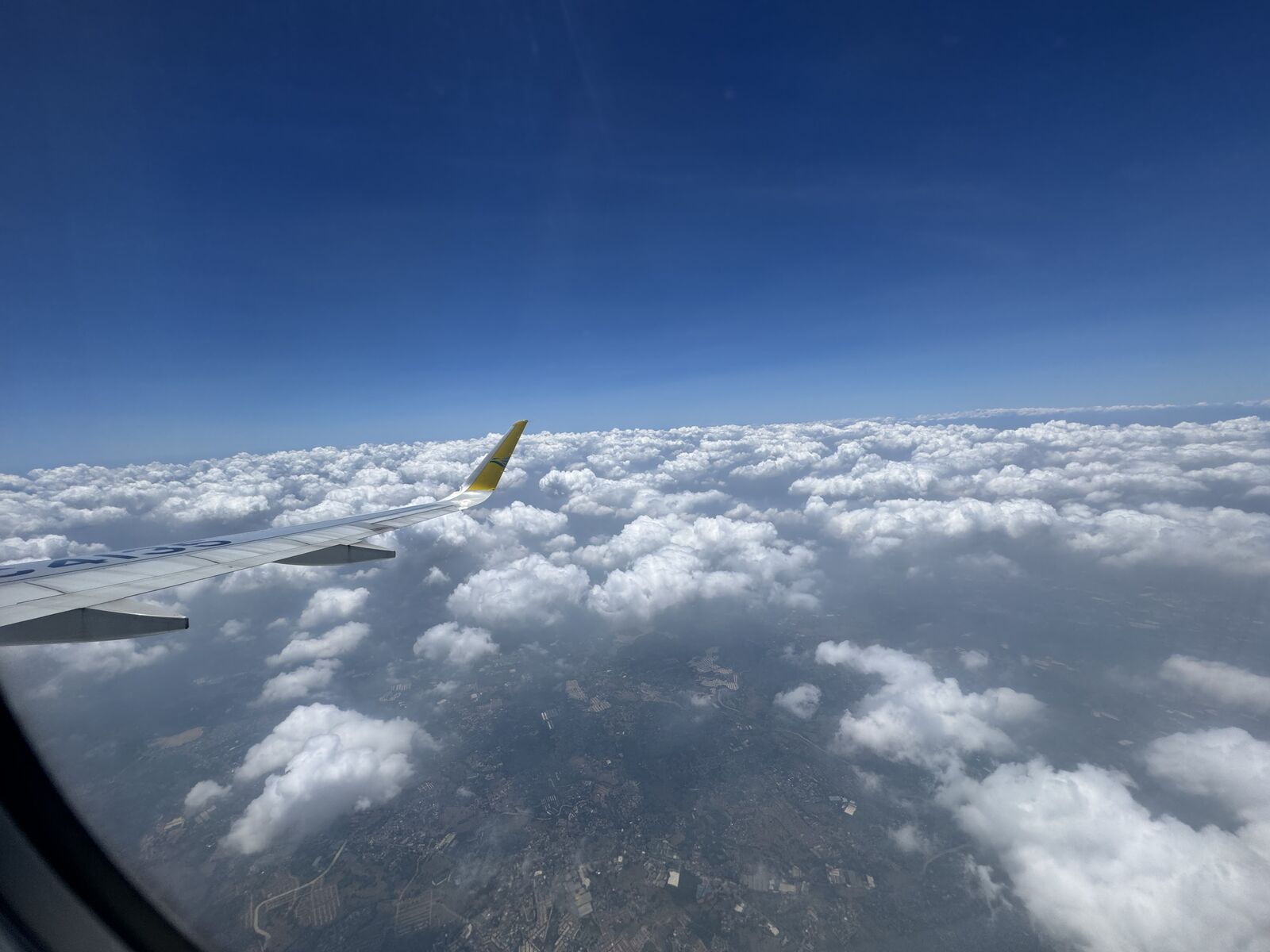
Only a few days earlier, we had looked down at this place as somewhere entirely new, uncertain of what awaited us. By the time we were leaving, it had become somewhere we wanted to return to — somewhere we wanted to know better.
For the in-flight meal, we were served adobo.
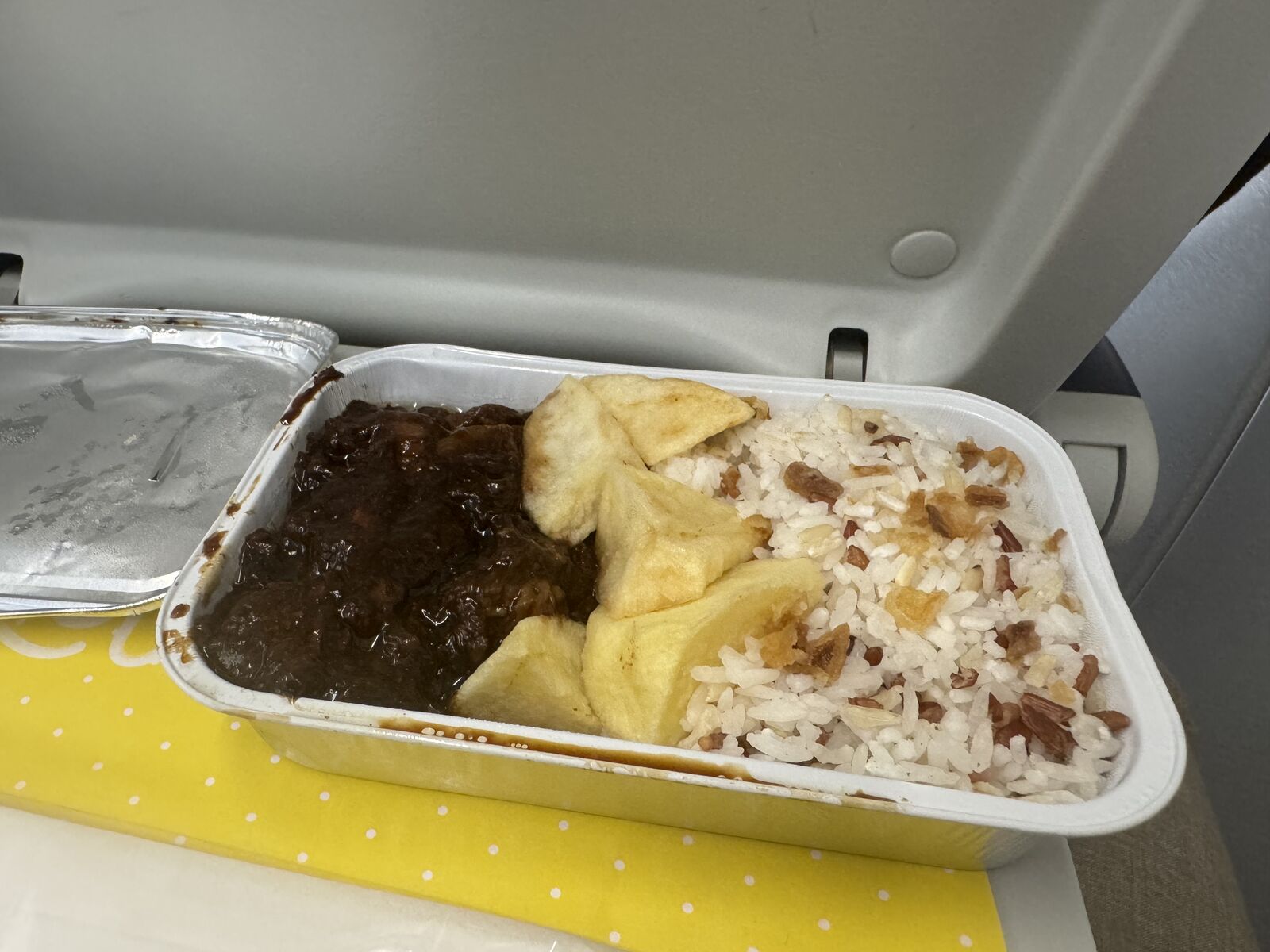
This was our last Filipino meal of the trip. Eating adobo at altitude, we found it carried a special quality — every bite brought back the meals we had shared with the staff, the warmth of the table, the easy laughter.
Grateful for the direct flight — arriving at New Chitose
On board, we watched a few videos on a tablet we had brought along.
Before we knew it, we were already above New Chitose. A direct flight, we felt keenly, is a genuine kindness to the body. Without a connection to navigate, the mental load of travel drops considerably too.
Stepping off the plane at New Chitose Airport, the air was cool and clear — Japan, after a week away.
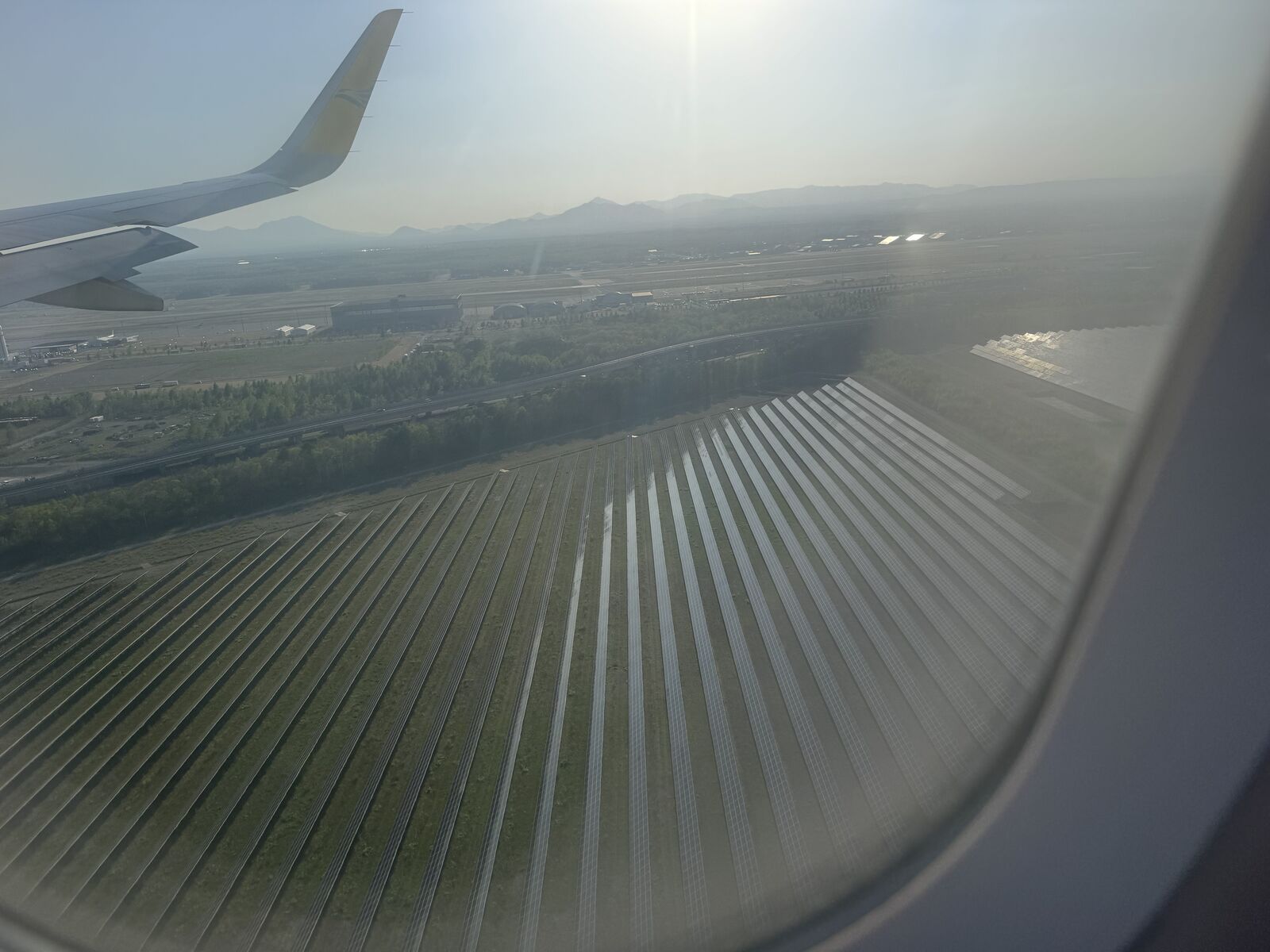
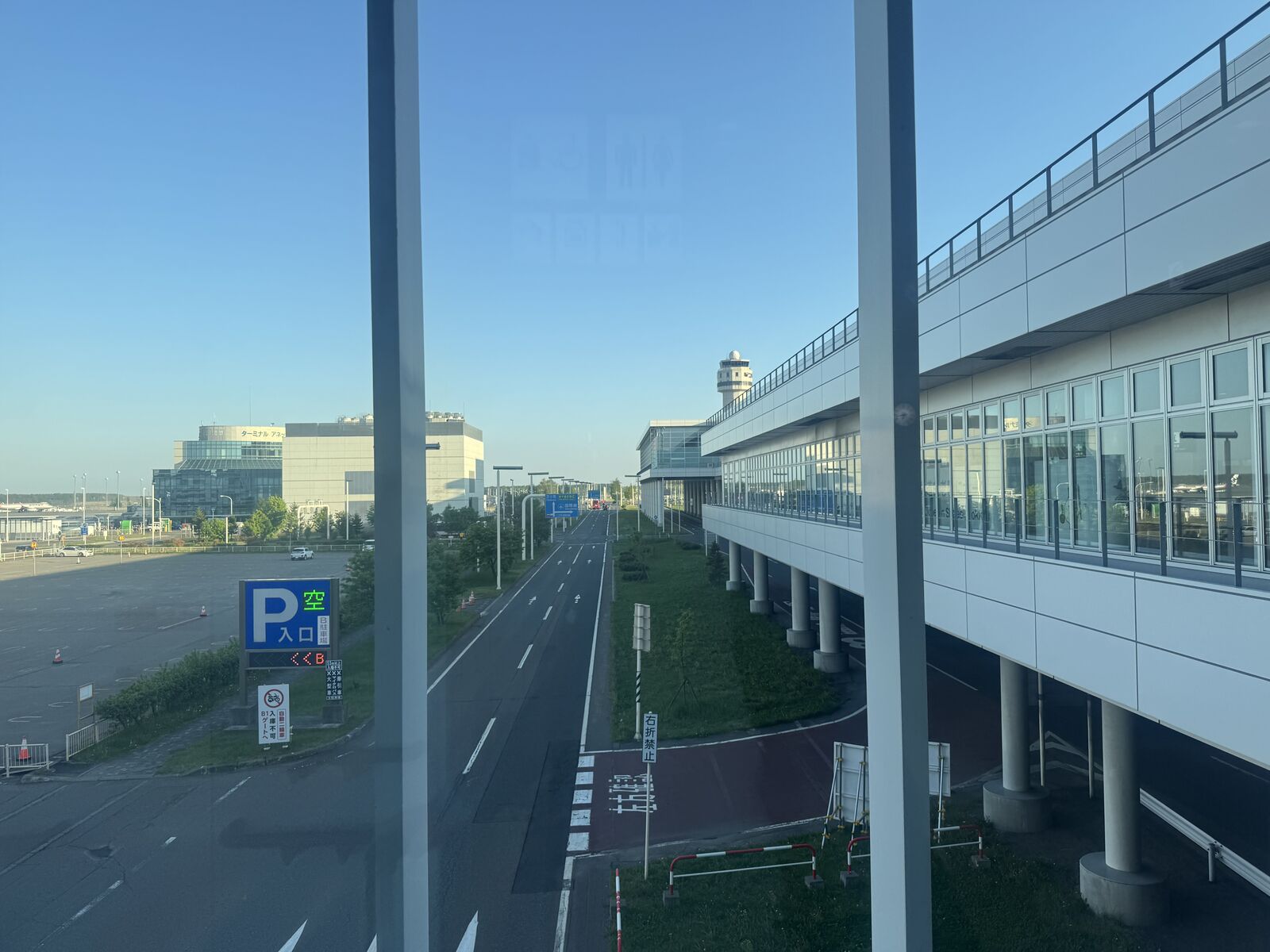
"We're home." The sense of relief settled over us quietly.
The Filipino passengers who had arrived on the same flight were making their way out, pulling large suitcases behind them, each heading to wherever the next part of their journey would take them. We found ourselves wondering what kind of time they would have in Hokkaido — hoping it would be full of good memories. We watched them go with something warm in our chests.
From those setting out, to those coming home. And then, to those who welcome the ones arriving from abroad. An airport is where many different journeys cross.
From New Chitose Airport back to Asabu Terminal
For the return journey, as on the way out, we took the highway bus back to Asabu Terminal.
During the four o'clock and five o'clock hours, there are around three buses an hour, and we were able to board almost without waiting.
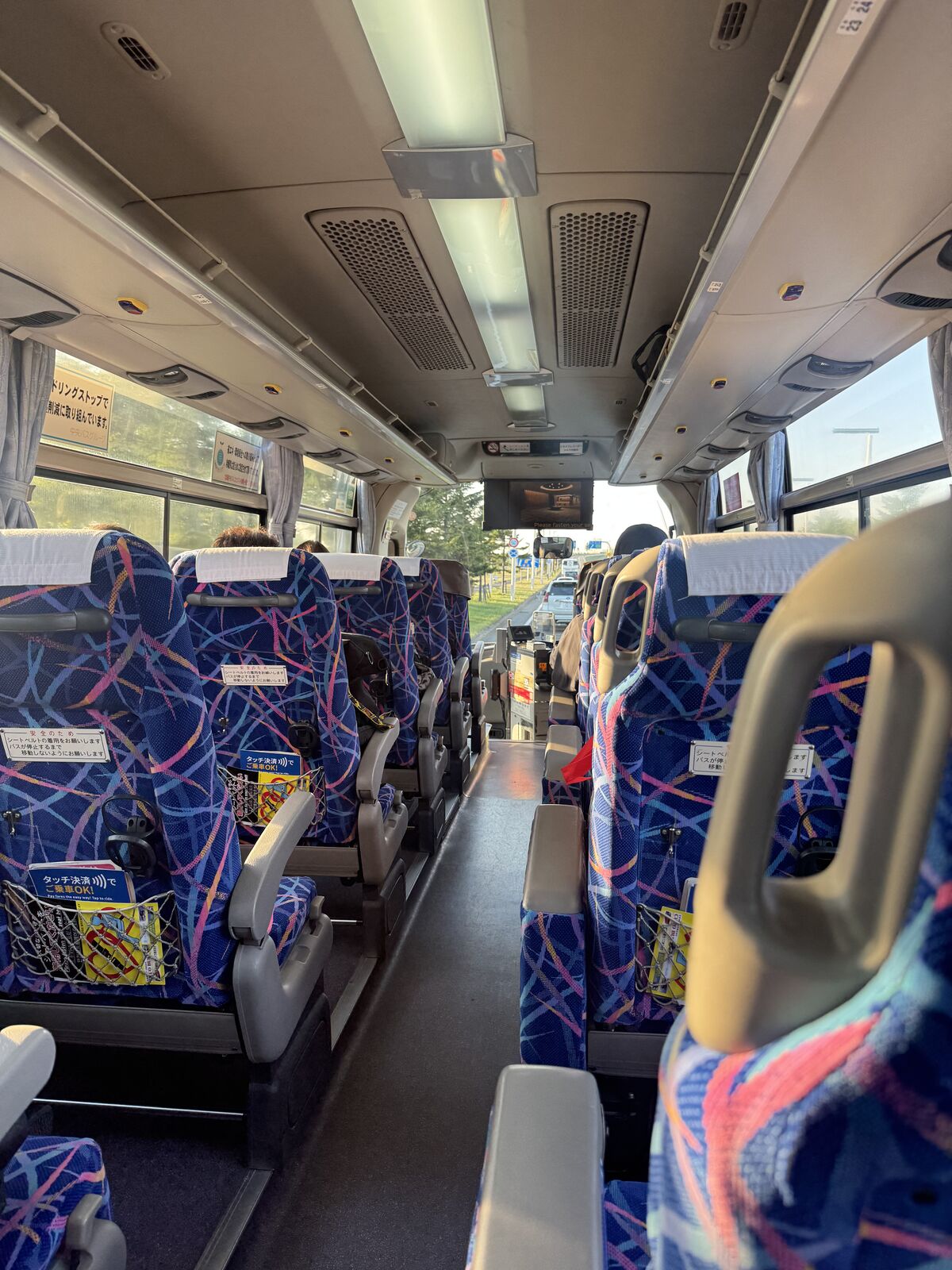
We had usually relied on the JR train for getting to and from the airport, but this trip gave us a fresh appreciation for how convenient the highway bus can be.
No need to change trains at Sapporo Station. You sit down with all your luggage and ride straight through. For a tired body after a long journey home, that matters more than it might sound.
Coming from Hokkaido and going abroad, and then coming home again — the ease of the transfer at either end is something we now feel belongs at the centre of any study-abroad plan designed for people of Hokkaido. Straightforward, low-stress, every step of the way.
We will certainly use this bus again.
Eight days of reconnaissance — what makes Lingayen worth the journey
Looking back across the whole site visit, we came away feeling that the appeal of studying abroad in Lingayen can be captured in two things.
The first is "the chance to learn while truly living somewhere."
Of course, we were welcomed as valued guests throughout. But rather than being treated in some rarefied, set-apart way, we were drawn naturally into the rhythms of daily life — shown things, included in things, allowed to experience things.
The streets seen from a tricycle. The comforting flavour of local street food. The smiles of residents spending a quiet evening with their families. The brightness of the beach in the morning. The liveliness of the night market. The warmth of a shared meal on a rooftop.
English study was at the heart of it, of course. But the learning that accumulated — the kind that only comes from being there — went far beyond language.
Not just in the classroom, but in the streets, at the table, and along the way: learning was everywhere. This is, in the truest sense, studying by living.
The other great attraction — the closeness with teachers and staff
The second thing is the relationship with the teachers and the school staff.
Whether it is the intimacy of a small school, the character of the town of Lingayen, or simply the warmth that seems to run through the Filipino national spirit — it is difficult to pin down in a single word.
What we felt throughout our stay, though, was the cheerfulness of the Filipino people, their genuine care for others, and the sheer frequency of their smiles.
The teachers were truly admirable as professionals. But beyond that, we came to genuinely like the school staff as people.
When the English would not come, they waited with a smile. They noticed when the heat was wearing on us. They remembered what we liked to eat. If they sensed a flicker of unease, they would find a natural moment to check in.
That closeness was a real and lasting comfort.
The feeling it brought to mind was less "studying at an educational institution" and more "being taught English by a relative." Of course the lessons themselves were thorough and proper. But there was ease, warmth, and an openness in the air that made learning feel safe.
"I want to get better at English so they can know me properly." "Next time I come, I want to talk so much more." "I want to come back here."
It was that kind of place.
A study-abroad experience for people of Hokkaido
For those of us who live in Hokkaido, studying abroad can sometimes feel like something that belongs to someone else — to people in Tokyo or Osaka, to younger students, to those who are already confident in English.
Some people may carry exactly that image.
But what this site visit showed us, with real force, is something different.
This is a study-abroad experience that can be made genuinely accessible. People of Hokkaido can take that first step with confidence. Even without fluency in English, even with uncertainty about age, even as a parent and child together, or with a friend — there is a form of participation that fits.
Lingayen, in the Philippines, offers an environment to learn English, warm people to learn alongside, and experiences that bring you into contact with a way of life.
We believe, sincerely, that everyone who joins this programme will come away having fallen in love with the Philippines.
And when they return home, we hope they will carry back more than their English. "I have someone I want to see again." "I have somewhere I want to return to." "The world feels a little closer." Those are the feelings we hope to help bring into being.
Editor's note
From Day 1 through to Day 8, this site visit diary has followed the full arc of our journey: setting out from Sapporo to the Philippines, studying and living and exploring in Lingayen, then making our way back to Hokkaido via Manila.
We wanted to see it all clearly for ourselves — the nerves before departure, the journey to the airport, what daily life in the Philippines actually looks like, and how the return home unfolds — because this is a study-abroad programme designed for people of Hokkaido, and we felt it was our responsibility to check every part of the experience with our own eyes.
What we found exceeded what we had imagined: more moments of discovery, more warmth, more genuine feeling than we had expected to find in eight days.
If reading this diary has left even one person thinking "I'd like to go," or "I'd love my child to have this experience," or "Maybe we could go together," or "I want to give English another try" — that would make us very happy indeed.
Studying in Lingayen, in the Philippines, will open your world a little wider.
Thank you so much for reading all eight days of this site visit diary from beginning to end.