


Hello, everyone. Welcome to Series II of our Site Visit Diary — field reports from our short-term language study programme in the Philippines.
In May, a team of our staff travelled to Lingayen as the first inspection party, visiting the language school Parrots-kun, the surrounding facilities, activities, and accommodation. We shared the trip across a Day 1–Day 8 blog series, and the response has been wonderful — it's clear that interest in studying abroad in the Philippines is genuinely growing.
This time, our company representative has headed to the Philippines himself as the second inspection party. The aims are to deepen the bond we built with Lingayen's Parrots-kun language school on that first visit, and to explore the possibilities for new study-abroad plans.
Over five days, our group will take in two destinations: Lingayen and Cebu.
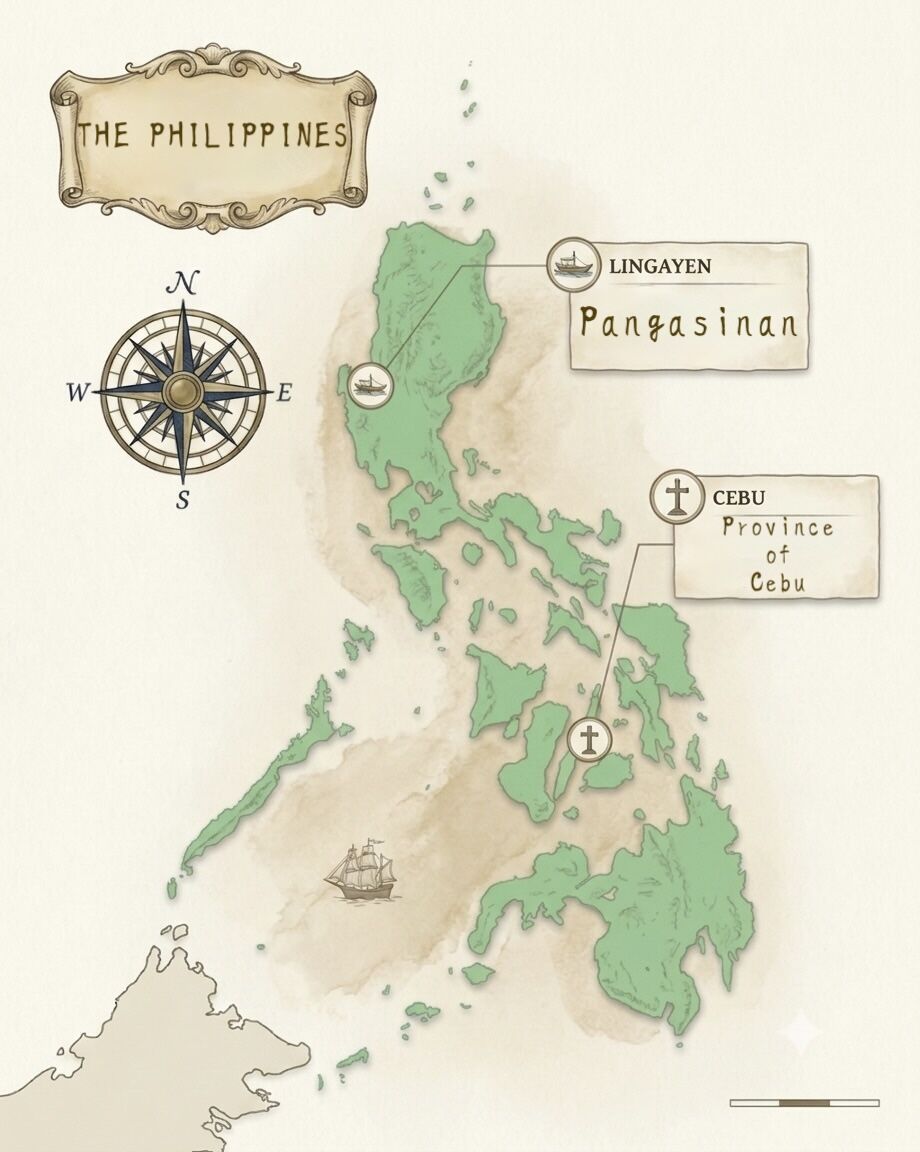
What kind of study-abroad plan will feel reassuring, enjoyable, and genuinely enriching for people setting off from Hokkaido? A new journey in search of that answer has begun.
Early morning at New Chitose Airport — troubling news before departure
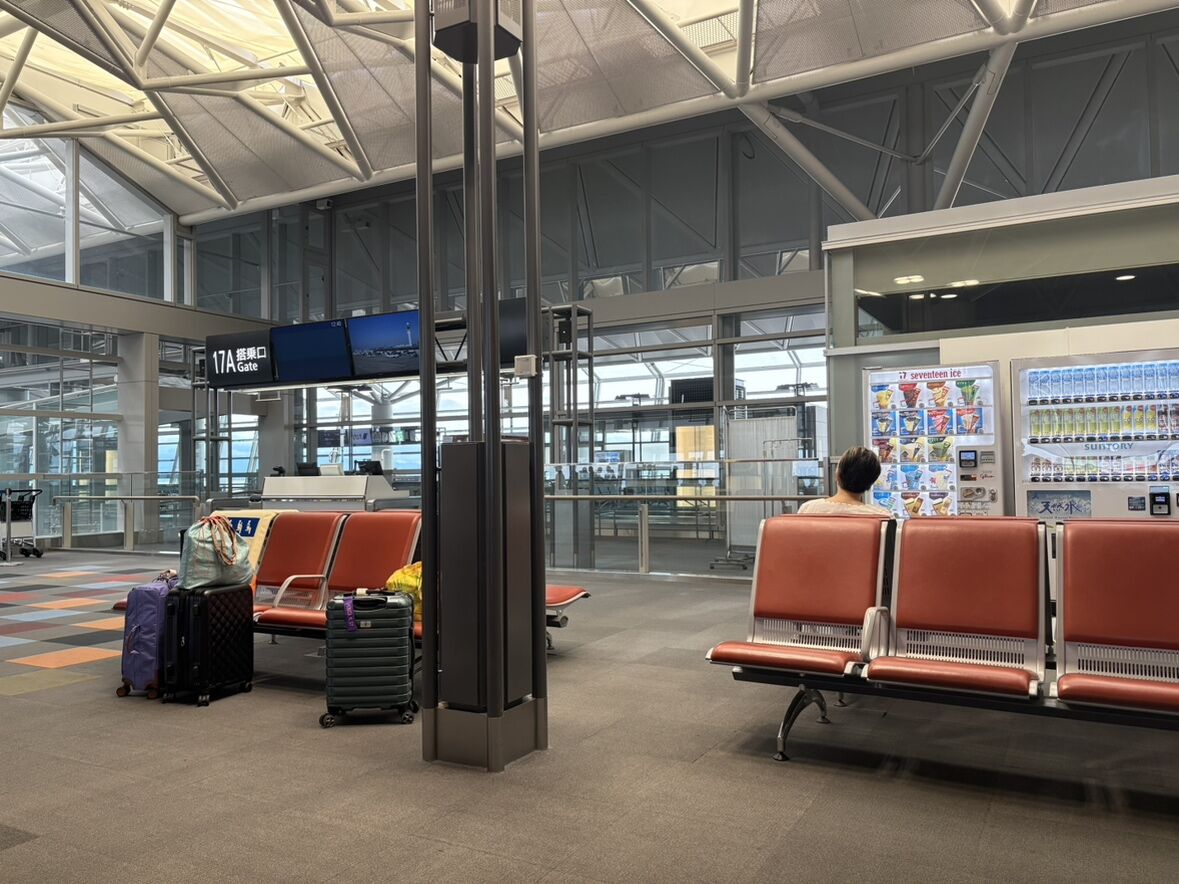
The day began early, boarding a flight from New Chitose to Nagoya.
While waiting at the gate, a startling piece of news came in: a large earthquake had struck off the southern coast of the Philippines.
The first thing that crossed my mind was the local staff who were planning to meet us at Manila International Airport. I sent a welfare-check message at once.
A reply came back almost immediately — "We're all fine" — and I breathed a sigh of relief.
Because we are building this study-abroad programme alongside the people who live there, they are far more than business contacts to me; they are people whose safety I genuinely care about. Even before departure, I was reminded afresh that this whole venture is built on human connection.
Nagoya to Manila — this time on Philippine Airlines
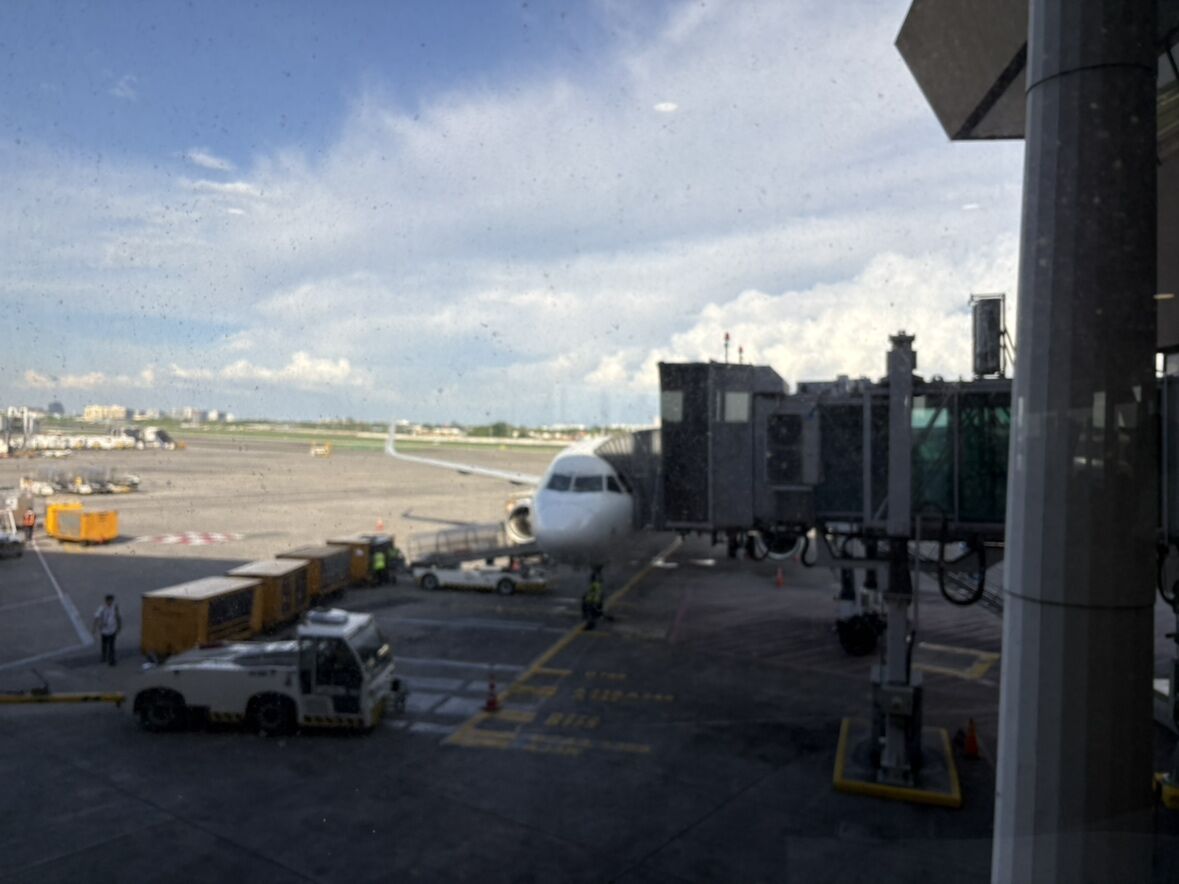
For the Nagoya–Manila leg, our group flew with Philippine Airlines (PAL).
Once on board, I was — for reasons I can only guess involved an assumption that I spoke English — directed to a seat by the emergency exit. Exit-row seats offer more legroom, but they also come with the understanding that you may be called on to assist in an emergency. I settled in with a slightly fluttery feeling.
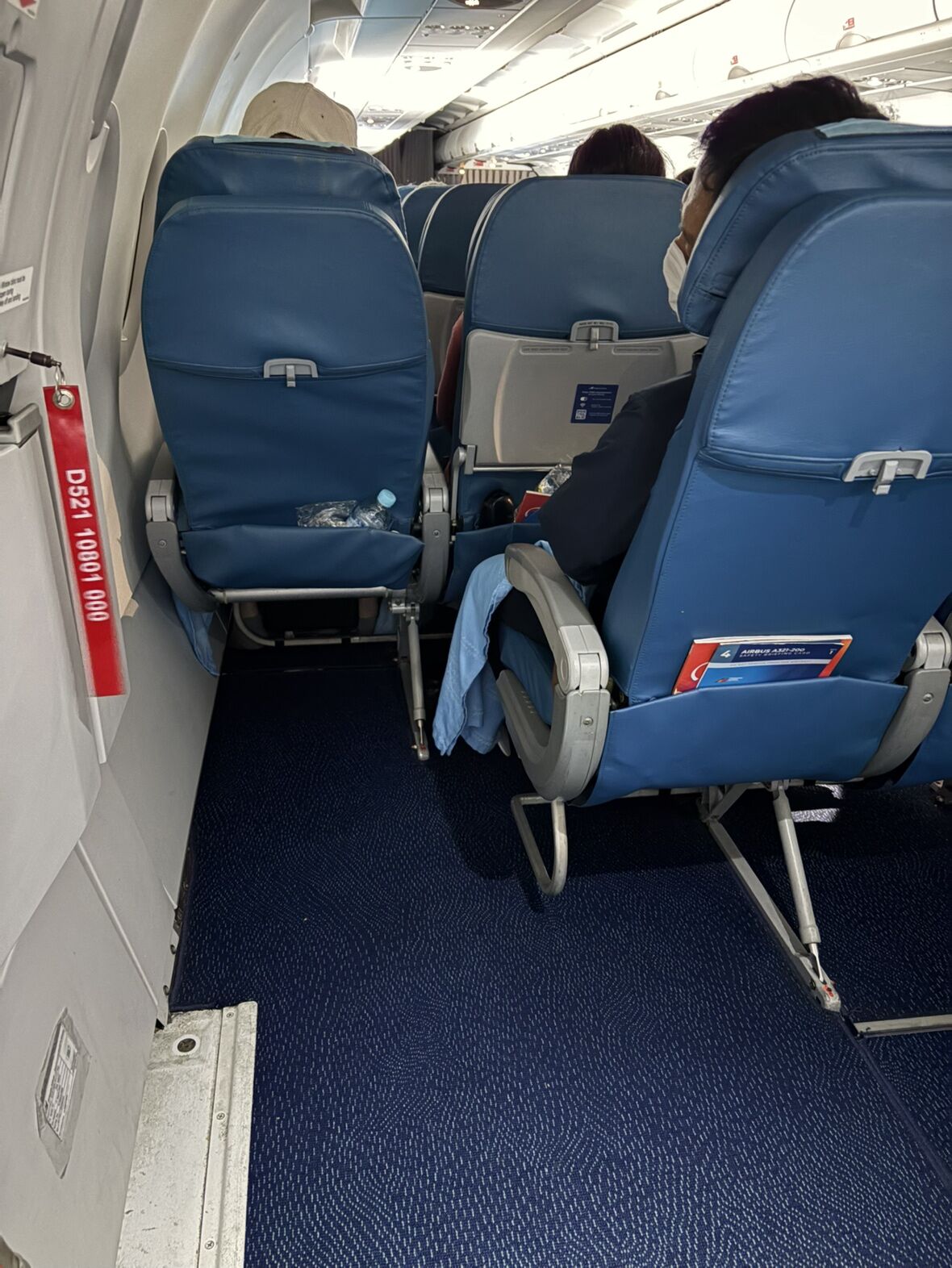
Looking around the cabin, the great majority of passengers were Filipino — by my rough sense of it, around eighty per cent. It struck me that the number of Japanese travellers heading overseas does seem to have fallen compared with years past, and I found that quietly sad. That is precisely why I want to support the people in Hokkaido who are ready to take that first step abroad. That feeling is woven into this study-abroad plan.
Language starts with the ear — the pleasure of English in the cabin
The Philippine Airlines cabin crew spoke beautiful American English — clear, polished, and genuinely pleasant to listen to.
It reminded me that language learning really does begin with the ear.
Even after studying diligently at home with textbooks, many people find that real spoken English is harder to follow than expected when they first arrive. Speeds vary, accents differ, and expressions can catch you off guard.
But the longer you spend listening to the variety of English you hear on the ground, the more your ear adjusts. And once things start to click — once you can follow what people are saying — a small courage builds to start saying something yourself.
I've heard it said that studying abroad gives you several times the pace of progress you'd achieve at home, and I think that rings genuinely true.
Right then — Let's try abroad! With that spirit in mind, we were on our way to Manila.
Arriving in Manila — a smooth reunion with the Parrots-kun team
The flight went without incident, and we touched down in Manila.
After arriving, our group met up smoothly with the staff from Parrots-kun. Seeing familiar, smiling faces in a foreign airport eases even the longest journey's tension in an instant.
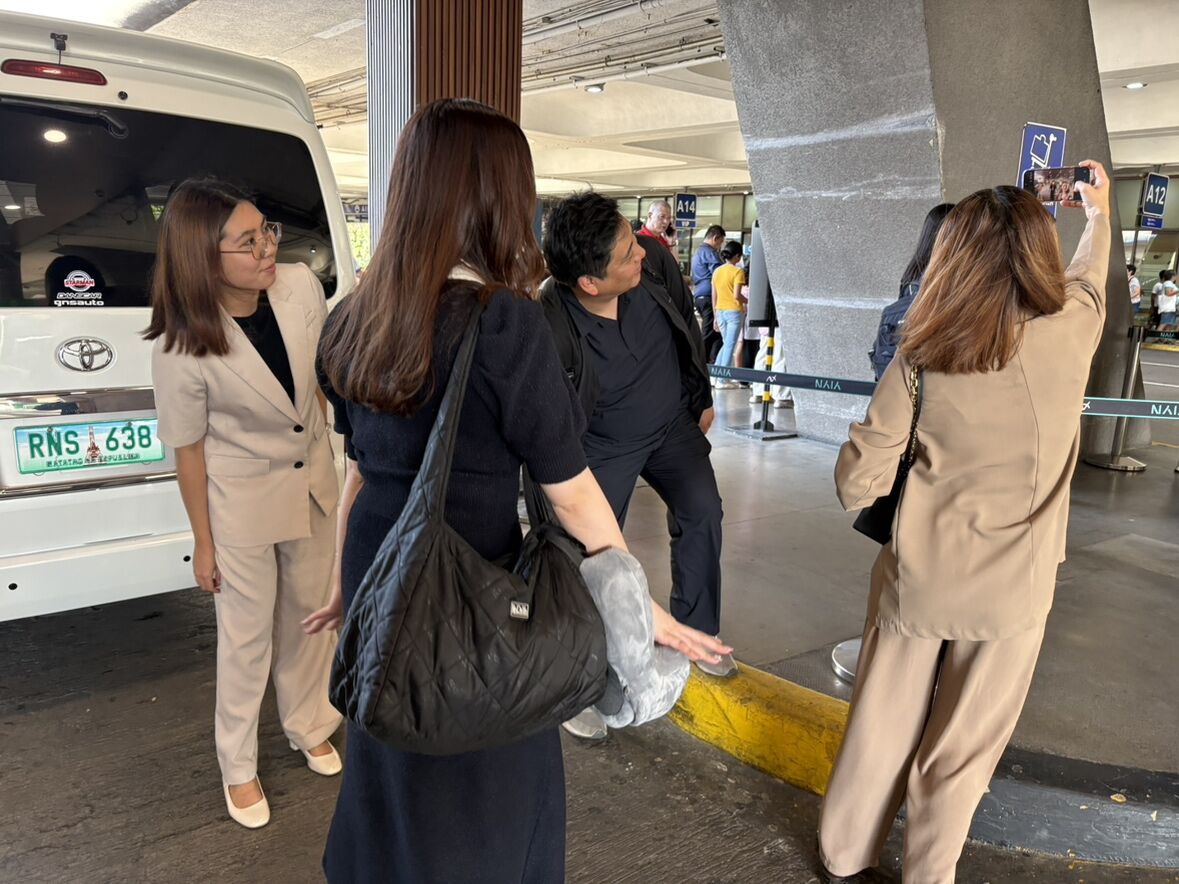
Through the first site visit, the school and its staff have become genuinely close to us. With our representative visiting in person this time, we aim to deepen that connection further and put ourselves in a better position to guide people from Hokkaido with real confidence.
The school van to Lingayen — a five-hour drive under an evening sky
After meeting the team, we loaded into the school's dedicated van and set off for Lingayen.
From here it was roughly a five-hour drive.
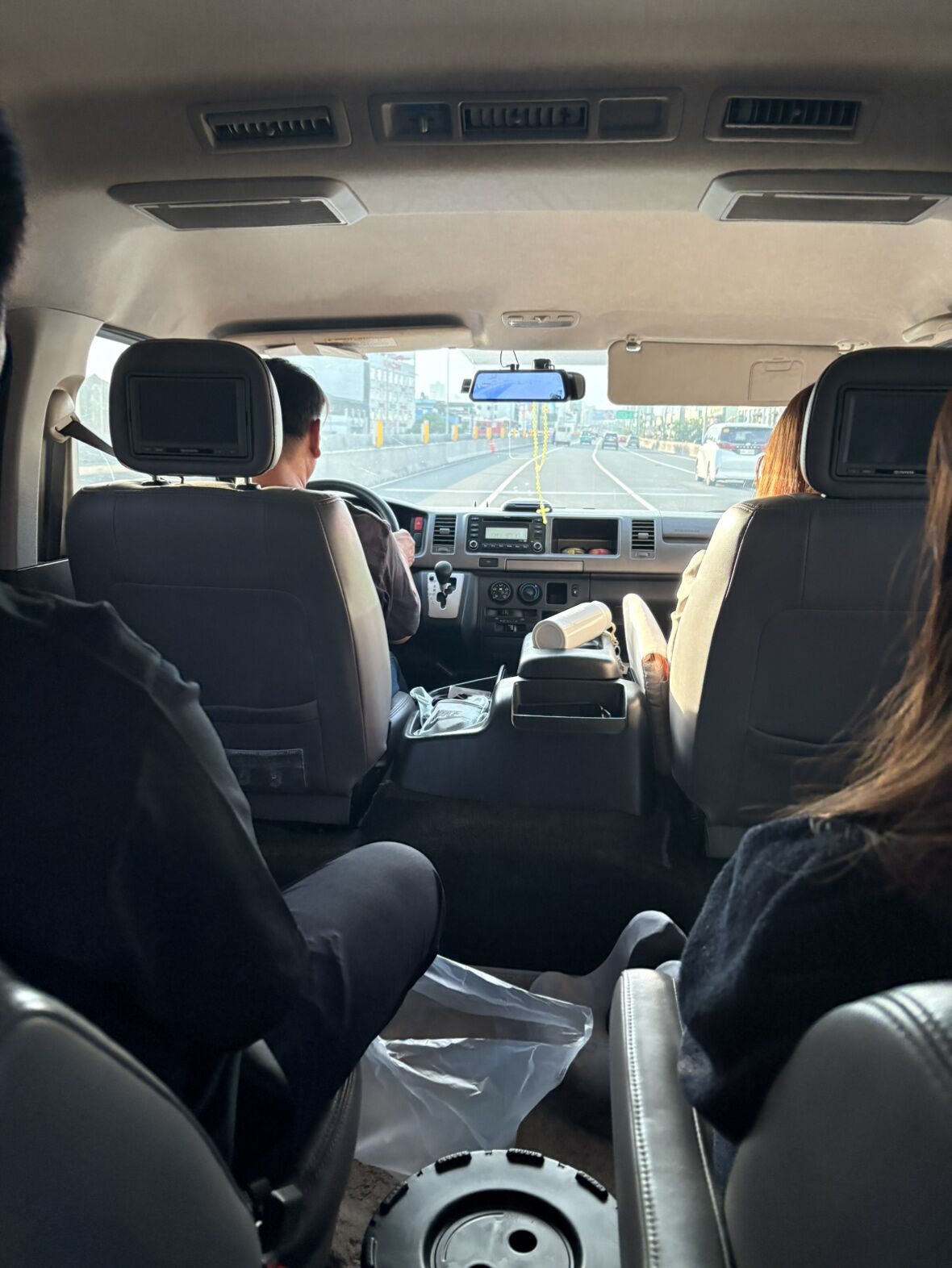
Through the window, the Philippine streetscape rolled past as the sky slowly deepened into a sunset glow. The busy urban textures of Manila gave way, little by little, to quieter suburban scenery. Just watching that gradual shift made the fact of being in the Philippines feel real.
It is a long drive, but there is a great deal of comfort in having the local team right beside you. Even in unfamiliar territory, knowing someone is there to welcome you takes much of the anxiety out of being somewhere new.
First meal in the Philippines — straight to Jollibee
After arriving in the Philippines, our first meal was, naturally, Jollibee.
Jollibee is the Philippines' most beloved fast-food chain — an institution for Filipinos.
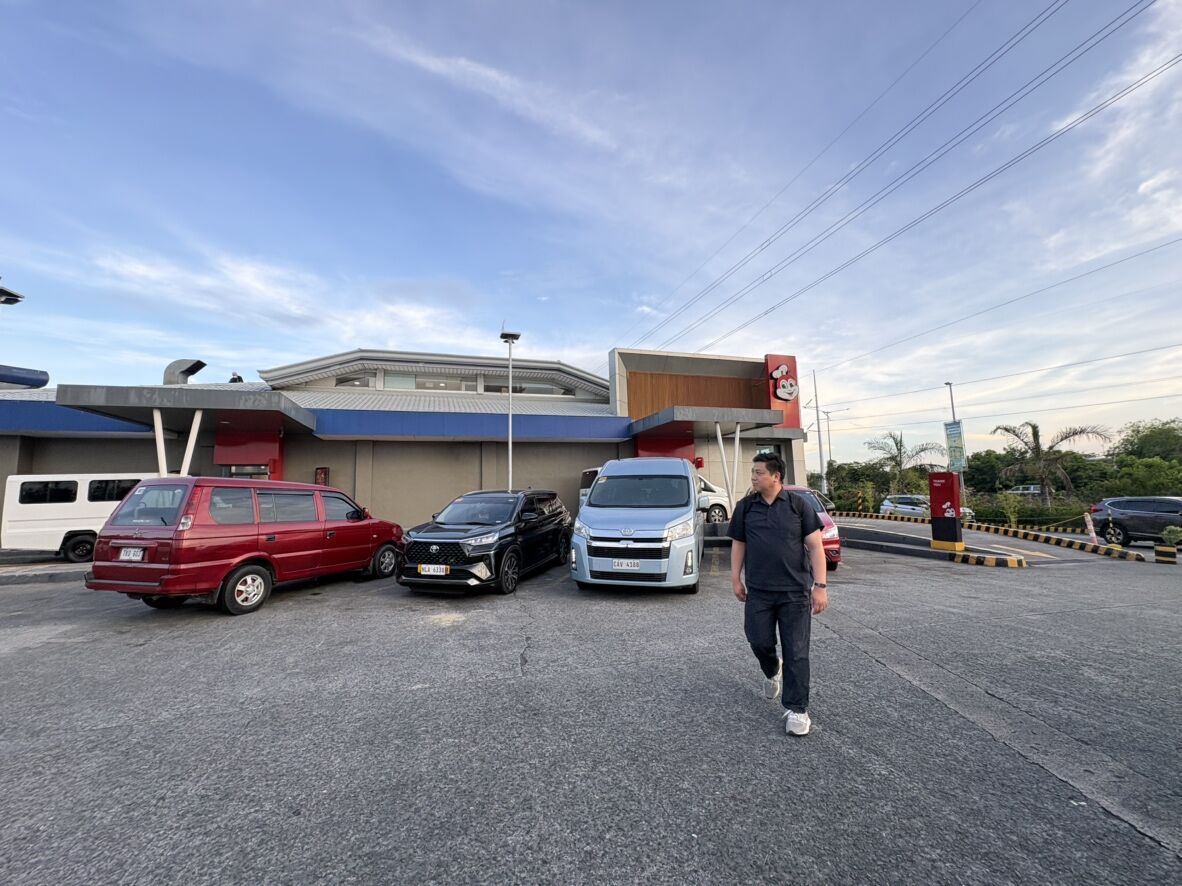
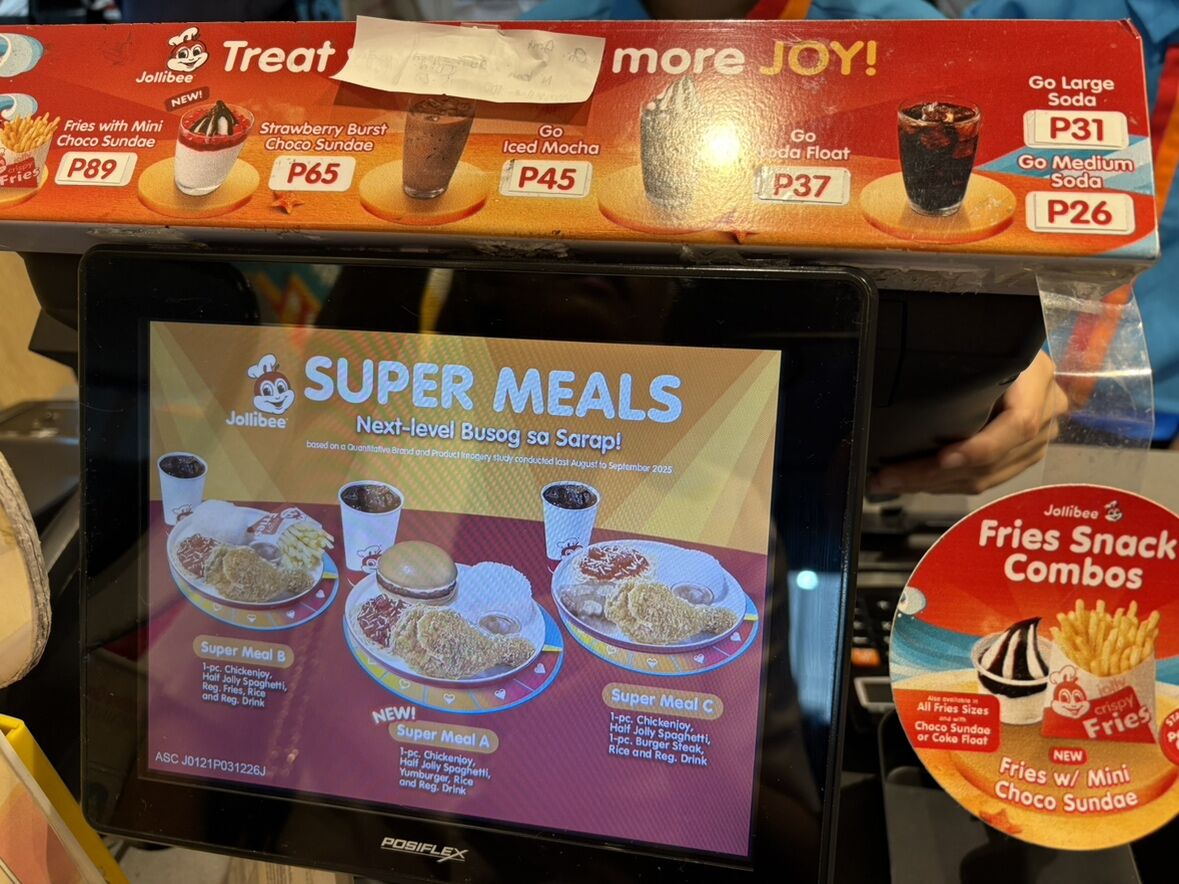
Philippine fast food — something you simply cannot taste back in Japan — and our group was delighted. The standout was the Peach Mango Pie, the local counterpart to the familiar apple pie.

A single bite and the sweetness and fragrance carry you somewhere tropical. Even in a casual roadside meal like this, the Philippines shows its character.
A pit stop at Starbucks — the local merchandise catches the eye
During the drive we stopped at a Starbucks for a break.
Inside, a range of Philippines-exclusive merchandise was on display.
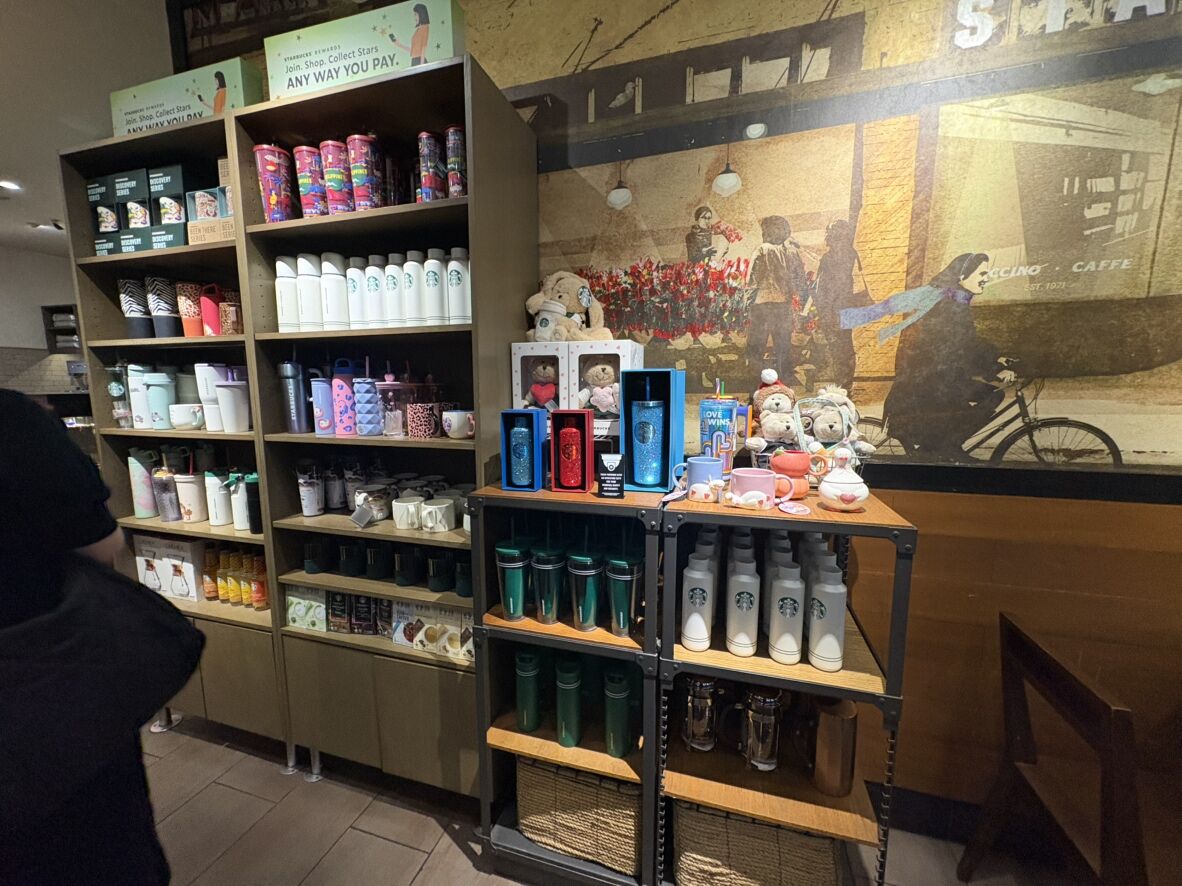
Limited local items discovered on a trip are hard to walk away from.
Arriving at the River Palm Hotel, late in the evening
Deep into the night, we finally arrived at our accommodation for the evening: the River Palm Hotel.
It had been a long day, but stepping inside, the beautiful interiors and calm, attentive service were an immediate comfort.
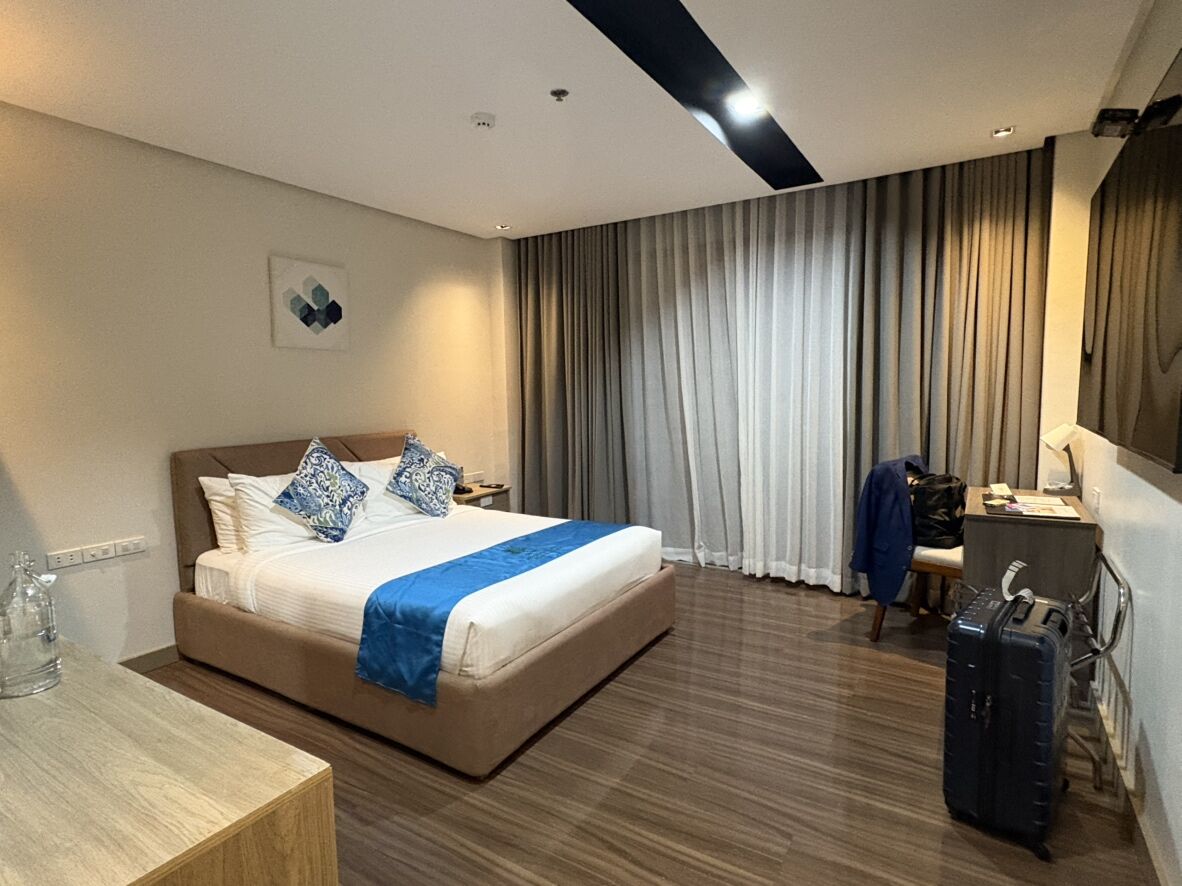
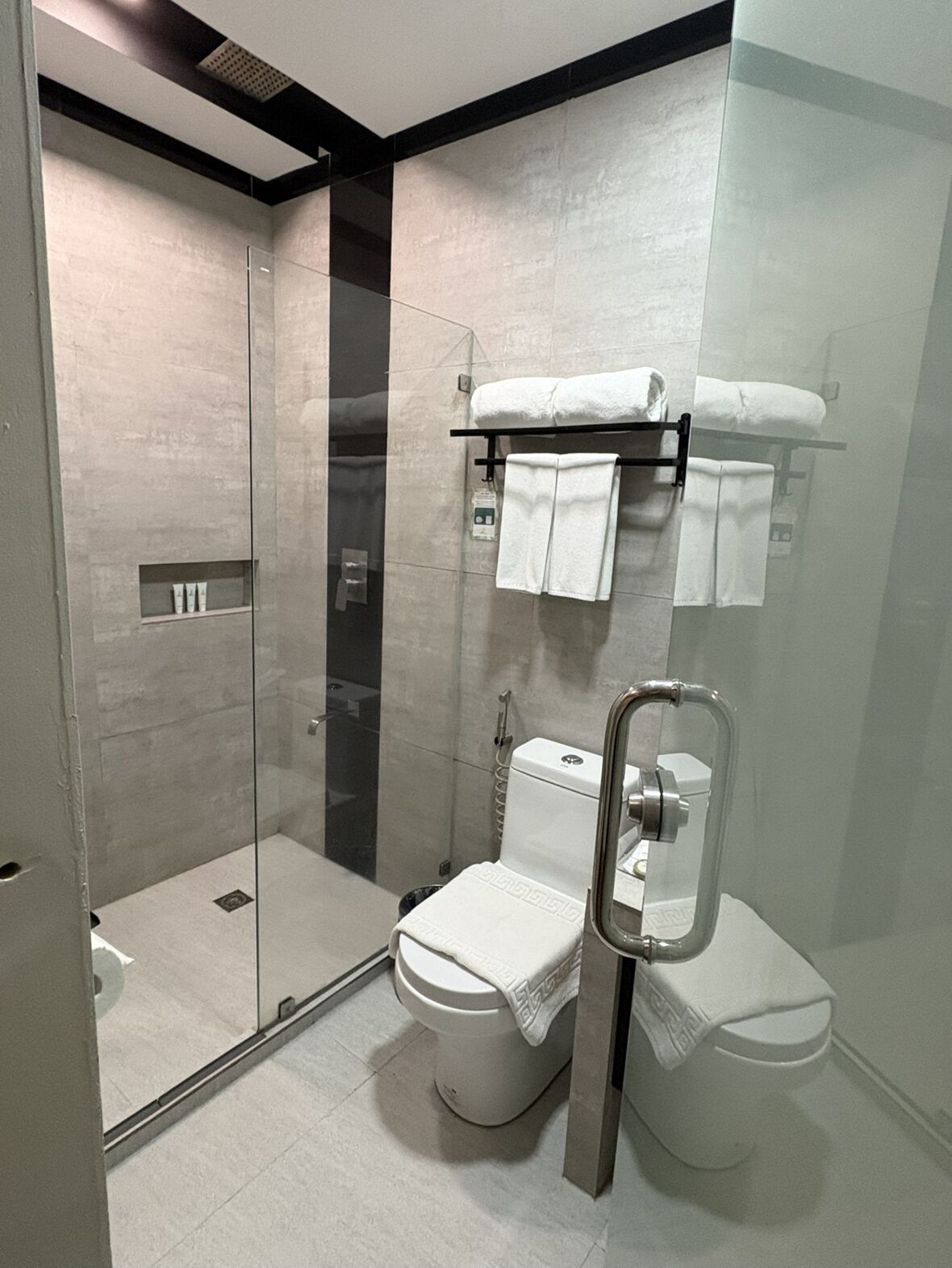
New Chitose to Nagoya, Nagoya to Manila, Manila to Lingayen. A day of many transitions — but we had made it safely to Lingayen.
Tonight I expect to sleep very well.
From tomorrow, the real fieldwork begins in earnest. A reunion with the Parrots-kun team, fresh checks in Lingayen, and the development of a new study-abroad plan in Cebu. There is plenty ahead — stay with us for Series II of the Site Visit Diary.